
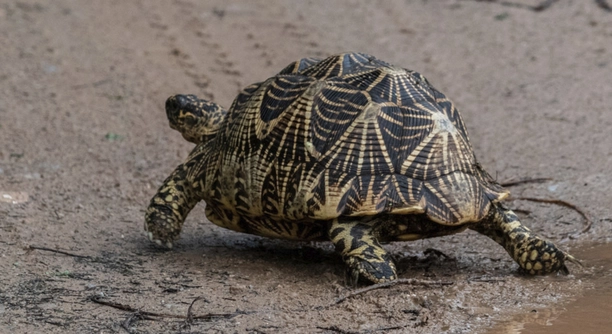
Sometimes, it can be worrying when your star tortoise refuses to drink water. It’s essential to understand the reasons behind this behavior, as proper hydration is crucial for your pet’s health. This article will help you identify the causes.
The lack of water consumption in star tortoises can be caused by improper enclosure conditions, stress, health issues, or a lack of proper hydration sources. Identifying and addressing these factors can help encourage your tortoise to drink water regularly.
In the following sections, we’ll explore these factors in detail and provide simple fixes you can implement to ensure your star tortoise stays healthy and hydrated.
1. Incorrect Enclosure Setup
Your star tortoise’s environment plays a huge role in whether it will drink enough water. If the temperature or humidity levels are off, it can affect your tortoise’s hydration needs. Star tortoises prefer warm, dry environments but also need a source of moisture, like a shallow water dish, to stay hydrated.
To maintain the right balance, use a thermometer and humidity gauge to monitor conditions. Make sure the temperature is between 80-90°F, with a basking spot of around 95°F. You should also keep the humidity level between 40-60%.
If the humidity is too low, your tortoise may avoid drinking because it feels uncomfortable. Try increasing the humidity by misting the enclosure lightly or placing a humidifier nearby. Just make sure the enclosure doesn’t become too damp. A dry area for basking should still be available. By making these simple adjustments, your star tortoise will feel more at ease and more likely to drink.
2. Stress
Stress can have a significant impact on your star tortoise’s health, and it may also prevent them from drinking water. Changes in their environment, handling, or the presence of other animals can make them anxious.
Tortoises are sensitive creatures, and stress can affect their behavior. If they feel threatened or unsettled, they may refuse food and water, leading to dehydration.
To reduce stress, make sure your tortoise’s habitat is calm and stable. Avoid handling it too often, and keep the area quiet, especially if there are other pets nearby. Provide hiding spots or caves where they can retreat if they feel anxious. With these small steps, your tortoise can feel safe enough to drink more water regularly.
3. Health Problems
If your star tortoise is unwell, it may refuse to drink water. Common health issues like respiratory infections, kidney problems, or digestive disorders can reduce its appetite for water. Illness can also make your tortoise more lethargic, further affecting its hydration.
Health problems can sometimes be tricky to spot. Look for signs such as a lack of energy, abnormal breathing, or changes in the way your tortoise moves. If you suspect health issues, visit a reptile vet as soon as possible. They can provide a diagnosis and treatment plan to get your tortoise back to good health.
In some cases, health problems might also affect your tortoise’s ability to drink or absorb water. This can lead to dehydration, which will only worsen their condition. Proper care, prompt vet visits, and ensuring a stress-free environment can improve the chances of your tortoise recovering.
4. Improper Hydration Methods
Sometimes, the way you provide water might not be appealing to your star tortoise. If the water dish is too small, too deep, or difficult to access, your tortoise might simply avoid it. Tortoises tend to drink more easily from shallow dishes where they can easily reach the water without feeling uncomfortable.
Make sure the water dish is wide and shallow, with clean water available at all times. Some tortoises may even prefer drinking from a slightly damp surface, like moss or a wet corner in their habitat. Keep the water fresh and clean to ensure it’s always appealing.
Adding a small, soft sponge in the water dish may also encourage your tortoise to drink more, as the texture might attract it. The right method of hydration will help ensure that your star tortoise gets the water it needs to stay healthy.
5. Wrong Diet
A poor diet can contribute to dehydration in your star tortoise. If your tortoise isn’t getting enough moisture through its food, it may drink less water. Leafy greens and certain vegetables, like cucumber and watermelon, have high water content and help keep your tortoise hydrated.
Incorporating these foods into your tortoise’s diet encourages hydration. Avoid feeding dry foods like pellets exclusively, as they don’t provide the moisture needed for your tortoise to stay hydrated. Offer a variety of fresh, water-rich foods daily to help ensure your tortoise gets the necessary hydration from both food and water.
6. Temperature Imbalances
Extreme temperature changes in the enclosure may cause your star tortoise to become dehydrated. If the temperature gets too hot or too cold, your tortoise may avoid drinking water to conserve energy. Finding a consistent and comfortable temperature range is key for hydration.
Ensure your tortoise’s environment has a stable temperature. The basking area should be about 95°F, with the cooler side of the enclosure ranging from 80-85°F. This temperature variation mimics their natural habitat and helps your tortoise regulate its body temperature, encouraging it to drink more water.
7. Too Much Stress from Handling
Excessive handling can stress your tortoise out, making it less likely to drink water. If your tortoise feels constantly threatened, it will prioritize escaping from the stress rather than hydrating itself. Limit handling to avoid triggering unnecessary anxiety.
Tortoises generally prefer to be left alone, so try to reduce unnecessary contact with your pet. Create an environment where your star tortoise feels safe, with enough hiding spaces and a peaceful atmosphere. Less stress will encourage better hydration habits.
FAQ
Why isn’t my star tortoise drinking water?
There could be several reasons why your star tortoise isn’t drinking water. It might be due to improper enclosure conditions, such as incorrect temperature or humidity. Health problems, stress, or even a lack of hydration-friendly food could also cause your tortoise to avoid drinking. Start by checking the environment and making sure it is comfortable for your tortoise, with enough space and proper temperatures. Then, evaluate its health and diet. If nothing seems to be the issue, a visit to the vet may be necessary to rule out health concerns.
How can I encourage my tortoise to drink water?
To encourage your tortoise to drink, you can make sure the water dish is shallow, wide, and easy for it to access. Offering fresh water regularly and ensuring the dish is clean will also help. You can try placing a damp sponge in the dish to attract your tortoise or use a shallow, wide dish instead of a deep one. Additionally, misting the enclosure lightly or adding moisture-rich foods like cucumbers and watermelon to its diet can also help with hydration.
Can a star tortoise drink too much water?
While it’s rare, overhydration can occur in tortoises. If your tortoise is consistently soaking in the water or drinking excessively, it could be a sign of kidney problems or another health issue. Tortoises typically self-regulate their water intake, but if it starts to drink more than usual, it’s best to consult with a veterinarian to rule out underlying issues. Ensure that the water source is easy to access but not overwhelming.
How often should I provide water for my star tortoise?
Your star tortoise should always have access to fresh water, but how often it drinks depends on its environment, diet, and health. Generally, it’s important to ensure that your tortoise has a constant supply of clean water in its enclosure. You should change the water daily to prevent contamination. If your tortoise is more active or has a higher metabolism, it may drink more often. During the warmer months, ensure water is readily available, as dehydration can become a more serious concern.
Why is my tortoise not drinking even though its environment is fine?
If the environment seems perfect and your tortoise still refuses to drink, it may be dealing with stress or health issues. Sometimes, small changes like moving the enclosure or introducing a new pet can cause stress. Stress could prevent your tortoise from drinking water and lead to other behavior changes. Consider any recent changes in its surroundings or interactions, and give your tortoise time to adjust. If the problem persists, a vet check-up is advisable to rule out any health problems.
What should I do if my tortoise is dehydrated?
If you notice signs of dehydration, like lethargy, sunken eyes, or dry skin, you need to act quickly. You can offer water by gently soaking your tortoise in a shallow dish of warm water for about 20 minutes, which can help hydrate it through its skin. Keep the water level low so that your tortoise can easily breathe and doesn’t get overwhelmed. After soaking, offer fresh water in a shallow dish. If dehydration continues, or your tortoise appears very weak, take it to the vet for proper treatment.
Can I give my star tortoise water through a syringe?
Yes, if your tortoise is not drinking on its own and is showing signs of dehydration, you can carefully administer water using a syringe. Gently place the syringe near the side of its mouth and offer small amounts of water. Be very cautious not to force water, as it can lead to choking or aspiration. It’s important to do this in small amounts and monitor the tortoise afterward for signs of improvement. Always follow up with a vet visit if needed.
Do star tortoises need more water in the summer?
Yes, like many reptiles, star tortoises may require more water during the warmer months. The heat can increase their need for hydration, and their chances of becoming dehydrated rise if they aren’t provided enough moisture. Make sure to monitor your tortoise more closely during hot weather. Ensure it has access to cool, clean water throughout the day, and consider adjusting the humidity in the enclosure to maintain a healthy balance. A slight increase in food that contains more water can also help.
Can I add water to my tortoise’s food to help with hydration?
Yes, adding water to your tortoise’s food is an effective way to encourage hydration. Many star tortoises enjoy watery foods such as cucumbers, leafy greens, and fruits like watermelon. You can also soak dry food like hay or pellets in water before feeding them to your tortoise. This will provide extra moisture, especially if your tortoise is not drinking much from its water dish. Just make sure not to overdo it and avoid giving foods that are too high in sugar.
What type of water is best for my star tortoise?
It’s recommended to use fresh, clean water for your star tortoise. Tap water is usually fine, but if you live in an area with hard water, it might be a good idea to let the water sit for 24 hours or use filtered water. Avoid using chlorinated water, as chlorine can harm your tortoise. If you’re unsure about your local water, you can use bottled spring water as an alternative. Regularly change the water in the dish to keep it fresh and free of contaminants.
Final Thoughts
Keeping your star tortoise hydrated is essential for its overall health and well-being. If you notice your tortoise is not drinking water, it’s important to consider several factors that may be affecting its hydration. From environmental conditions to health issues, there are many reasons why a tortoise may avoid drinking. It’s key to regularly check the temperature and humidity in the enclosure, ensure proper diet, and provide a clean and accessible water source. Small changes to its environment can make a big difference in encouraging your tortoise to drink more water.
If your tortoise continues to refuse water despite making adjustments, it could be an indication of stress or illness. Stress from handling, changes in its habitat, or other pets can make your tortoise feel unsafe, which may result in it avoiding water. On the other hand, underlying health problems like dehydration or kidney issues could also be the cause. If the problem persists or worsens, seeking professional advice from a reptile vet is a good idea. They can help identify any health concerns and offer treatment to keep your tortoise healthy.
Taking a proactive approach to your tortoise’s care can ensure that it stays hydrated and happy. By maintaining the right environmental conditions, providing a balanced diet with moisture-rich foods, and offering fresh water regularly, you’ll help support your tortoise’s overall health. Understanding the causes of dehydration and taking the necessary steps will not only resolve the immediate issue but also prevent future problems. The well-being of your star tortoise depends on consistent care and attention to its needs.

Hello,
If you enjoy the content that we create, please consider saying a "Thank You!" by leaving a tip.
Every little bit helps us continue crafting quality advice that supports the health, happiness, and well-being of pets around the world, for pets of all shapes, sizes, and species.
We really appreciate the kindness and support that you show us!