
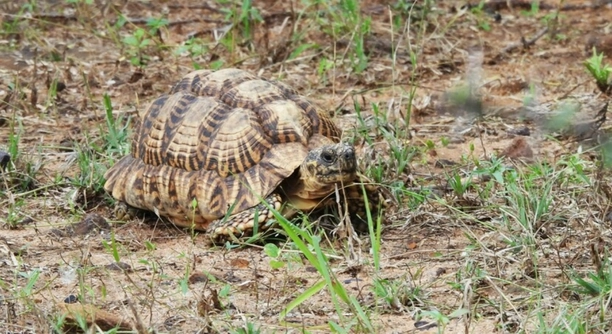
A healthy Star Tortoise relies on all its limbs for mobility, and when one of them isn’t functioning well, it can raise concerns for its well-being. If you’ve noticed your tortoise is not using its back legs, it’s essential to address the issue.
The main causes for a Star Tortoise not using its back legs can range from injury to improper care or even dietary issues. Neurological conditions, infections, or lack of exercise may also play a role in the turtle’s limited leg movement.
Understanding why this happens can help you provide better care for your tortoise. There are multiple possible reasons for this behavior, each requiring different attention and care.
Injury or Trauma
When a Star Tortoise doesn’t use its back legs, the first thing to consider is a potential injury. Tortoises, while generally slow, can still sustain injuries from accidents, falls, or even fights with other animals. A fall can cause fractures or sprains that may prevent your tortoise from walking properly. Physical trauma can be hard to detect, especially if your tortoise is not showing any obvious signs of pain or swelling.
If you notice limping or reluctance to move, carefully inspect your tortoise’s legs. If there’s any swelling, warmth, or visible deformity, it could indicate a serious injury. In such cases, keeping the tortoise in a quiet, safe area while seeking veterinary help is essential. Time is crucial to avoid further damage or infection.
In some instances, a minor injury might heal naturally with proper care, but it’s always safer to consult a vet for advice. Immediate treatment helps prevent more severe issues down the line. It’s always better to be cautious and ensure your tortoise is comfortable during its recovery.
Improper Diet
A poor diet can also affect your tortoise’s ability to use its back legs. If the diet lacks essential nutrients like calcium, this can lead to muscle weakness or joint issues. Star Tortoises need a balanced intake of greens, vegetables, and fruits to stay healthy. Without these, their bones and muscles can become fragile, making movement difficult.
A calcium deficiency can cause metabolic bone disease, leading to stiffness or paralysis in the legs. In this case, it is crucial to provide a calcium-rich diet and consider supplements. A good way to boost calcium is by offering dark leafy greens like kale or collard greens, along with adding cuttlebone to the habitat.
Besides calcium, ensuring a varied diet with the right balance of vitamins and minerals is essential. Regularly offering high-quality food is vital for the overall health of your tortoise. If you notice any abnormal behavior, a quick dietary check could be the key to restoring proper leg function.
Improper Housing Conditions
Star Tortoises need a safe, spacious environment to thrive. If their enclosure is too small or doesn’t provide enough stimulation, it can lead to inactivity and muscle weakness. When a tortoise doesn’t get the exercise it needs, the back legs can become weak over time, causing difficulty in movement.
Temperature plays a big role in your tortoise’s health. If the habitat is too cold, it can slow down their metabolism and reduce movement. Ensure the enclosure is warm enough, with a basking area and cooler spots, to encourage natural behavior. A proper UVB light source is also essential for bone health, so don’t overlook it.
Providing an environment with enough space to roam and explore will encourage movement. A lack of activity can lead to muscle atrophy, which may affect the use of the legs. Adjusting the habitat to meet your tortoise’s needs can help improve its physical health.
Infection or Illness
Infections are another reason why your tortoise may not be using its back legs. These can affect the nervous system, muscles, or joints, leading to paralysis or limping. Signs of infection may not always be visible, but if your tortoise seems sluggish or uncoordinated, it could be a sign of illness.
Respiratory infections or urinary tract infections are common in reptiles, and these can sometimes cause weakness in the legs. A tortoise may not show other clear symptoms, but if it’s moving less or avoiding walking, it’s important to check for signs like nasal discharge, lethargy, or changes in appetite.
If an infection is suspected, a vet can provide antibiotics or treatments that may help. Keep your tortoise hydrated and isolated to prevent spreading any potential illness. Treating infections promptly can help restore your tortoise’s mobility and prevent long-term damage.
Vitamin Deficiency
A lack of essential vitamins can lead to muscle and joint problems, affecting a tortoise’s ability to use its back legs. Vitamin A and D are particularly important for maintaining healthy skin, eyes, and bones. Without them, your tortoise may struggle to move properly.
If your tortoise isn’t getting enough vitamin A, it could develop swelling around the eyes or become more lethargic. Similarly, a lack of vitamin D can lead to metabolic bone disease, weakening the bones and muscles. You can provide these vitamins by offering a variety of leafy greens and, if needed, supplements.
Over time, insufficient vitamins can cause serious health issues. Correcting the diet can improve your tortoise’s movement and energy. It’s essential to regularly monitor their nutrition to avoid deficiencies from developing.
Dehydration
Dehydration can significantly impact your tortoise’s mobility. If your tortoise isn’t drinking enough water, it may develop stiffness in its joints, making it difficult to walk. Dehydration can also lead to a loss of appetite and lethargy.
To prevent dehydration, ensure your tortoise has constant access to fresh, clean water. A shallow water dish works best, so the tortoise can easily drink from it. Soaking your tortoise in lukewarm water once or twice a week also helps keep it hydrated, especially during hotter months.
By maintaining proper hydration levels, your tortoise will be less prone to joint issues and will have more energy for movement. Regularly check that your tortoise is drinking enough and staying hydrated to support its overall health.
Obesity
Excess weight can place unnecessary stress on your tortoise’s back legs, making it harder for it to move. Obesity in tortoises often results from overfeeding, particularly with foods high in fat or protein. This weight gain can cause joint pain and reduced mobility.
Reducing the amount of high-fat foods and providing more vegetables can help manage your tortoise’s weight. Additionally, make sure your tortoise gets daily exercise in a spacious environment. Regular movement will help maintain muscle strength and improve its leg mobility.
By controlling portion sizes and offering healthy foods, you can prevent obesity-related mobility issues and ensure your tortoise stays active and healthy.
FAQ
What should I do if my tortoise isn’t using its back legs?
If your tortoise isn’t using its back legs, the first thing you should do is assess the situation. Check for any obvious signs of injury or trauma. Look for swelling, bruising, or signs of infection, such as discharge or fever. If you notice any of these symptoms, it’s important to isolate your tortoise and seek immediate veterinary help. If there’s no visible injury, check the habitat conditions. A cold or improperly lit enclosure can also cause reduced mobility. Finally, consider its diet and hydration. If your tortoise has been dehydrated or lacks essential nutrients, this could also affect its movement.
How can I tell if my tortoise has a vitamin deficiency?
Signs of vitamin deficiency in tortoises may include lethargy, poor appetite, swelling around the eyes, and difficulty moving. A lack of vitamin A can lead to swelling and eye problems, while a deficiency in vitamin D can result in weak bones and muscles, making it harder for your tortoise to walk. To avoid deficiencies, offer a balanced diet with vitamin-rich foods such as leafy greens (kale, collard greens) and supplements if necessary. A proper diet is key to preventing these health issues.
Can dehydration cause my tortoise to stop using its back legs?
Yes, dehydration can lead to stiffness and discomfort, affecting your tortoise’s ability to move. When a tortoise is dehydrated, it may also lose its appetite and become sluggish. To prevent dehydration, make sure your tortoise has access to fresh, clean water at all times. Soaking your tortoise in lukewarm water once a week can also help with hydration, especially for dry or older tortoises. Proper hydration is essential for maintaining joint health and overall mobility.
How do I prevent obesity in my tortoise?
Obesity in tortoises can occur if they are fed too many fatty or protein-rich foods and not enough fibrous vegetables. To prevent obesity, ensure you are offering the right portion sizes and avoid overfeeding. A balanced diet with a variety of dark leafy greens, vegetables, and occasional fruit is ideal. Also, make sure your tortoise has plenty of room to roam and exercise. Lack of exercise can lead to weight gain, so providing an environment where they can walk and explore will help prevent obesity.
What kind of enclosure is best for my Star Tortoise?
Your tortoise’s enclosure should be spacious, secure, and well-maintained. It should offer a warm basking area with a temperature between 85-90°F (29-32°C) and a cooler area around 75°F (24°C). Providing UVB lighting is crucial to ensure your tortoise gets the necessary exposure for healthy bone development. A substrate like coconut coir or hay works well for bedding. Also, give your tortoise enough space to move around to keep its muscles active. Ensuring the right conditions can prevent health issues, such as muscle weakness or immobility.
How do I know if my tortoise has an infection?
Infections in tortoises can affect their respiratory system, urinary tract, or even internal organs. Signs of infection can include lethargy, lack of appetite, nasal discharge, labored breathing, and swollen eyes. If your tortoise seems less active or reluctant to move, it might be an early sign of infection. Infections often require veterinary treatment, so it’s best to act quickly. Keep the tortoise isolated from other pets and ensure it stays hydrated while waiting for professional care.
Can stress cause my tortoise to stop using its back legs?
Yes, stress can affect your tortoise’s movement. Environmental changes, handling, or the presence of other animals can cause anxiety, leading to immobility or withdrawal. A stressed tortoise may also become lethargic and stop eating. To reduce stress, make sure the enclosure is quiet, safe, and free of disturbances. Avoid excessive handling, and ensure your tortoise feels secure in its habitat. A stable, calm environment can help your tortoise stay healthy and active.
Should I seek a vet’s help if my tortoise stops using its back legs?
Yes, if your tortoise stops using its back legs, it’s always best to consult a vet. While some minor issues may resolve with simple changes to diet or environment, many causes of leg immobility, such as infections, injuries, or neurological conditions, require professional diagnosis and treatment. A vet will be able to provide the necessary tests, medications, and care recommendations. Early intervention can prevent further complications and ensure your tortoise recovers more quickly.
What are the common causes of leg paralysis in tortoises?
The common causes of leg paralysis in tortoises include neurological issues, trauma, infections, vitamin deficiencies, dehydration, or metabolic bone disease. Any of these factors can affect the tortoise’s ability to move its legs properly. Trauma from falls or fights can cause physical injury, while infections can impact nerve function. A lack of key vitamins like D3 can weaken bones and muscles, leading to immobility. Identifying the cause early helps in providing the right treatment.
How can I improve my tortoise’s mobility if it’s not using its back legs?
Improving your tortoise’s mobility starts with identifying the cause of the problem. If it’s due to a physical injury, providing a calm and quiet environment for healing, along with vet care, is essential. For vitamin deficiencies, adjusting its diet to include calcium and vitamin-rich foods will help restore mobility. Ensuring proper hydration and housing conditions also contributes to better movement. Regular exercise in a spacious area can prevent stiffness, and keeping a consistent temperature in the enclosure will help improve overall muscle function.
Final Thoughts
When a Star Tortoise is not using its back legs, it can be concerning. The causes of this issue can vary, from simple problems like dehydration or improper diet to more serious ones like infections, trauma, or neurological conditions. The key is to closely monitor your tortoise’s behavior and environment to identify any signs of distress or health problems. By paying attention to its diet, habitat, and overall well-being, you can often spot problems early and make the necessary adjustments.
While many of the causes of immobility can be managed with simple changes, it’s important to remember that some issues may require professional intervention. If you notice any swelling, changes in appetite, or reluctance to move, it’s always best to consult a vet. Tortoises, like all animals, can be prone to certain health issues that may need specialized care. Early diagnosis can prevent further complications and help your tortoise regain its strength and mobility faster.
Ultimately, taking good care of your Star Tortoise means being proactive about its health. A proper diet, clean water, adequate exercise space, and a suitable environment will go a long way in keeping your tortoise healthy and active. If your tortoise isn’t using its back legs, try to address any potential causes quickly, and make sure your tortoise gets the right care. By doing so, you can improve its quality of life and ensure it has the best chance at a long, healthy life.

Hello,
If you enjoy the content that we create, please consider saying a "Thank You!" by leaving a tip.
Every little bit helps us continue crafting quality advice that supports the health, happiness, and well-being of pets around the world, for pets of all shapes, sizes, and species.
We really appreciate the kindness and support that you show us!