
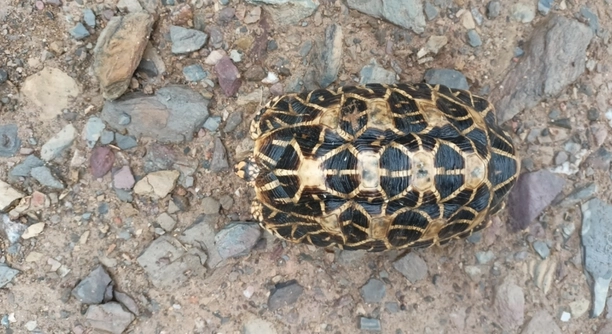
Caring for a star tortoise can be a rewarding experience, but it’s easy to make some common mistakes. These mistakes can impact their health and happiness. Knowing what to avoid ensures they live a long and healthy life.
Star tortoise owners often overlook key aspects of their care, such as proper habitat setup, diet, and humidity control. Incorrect lighting, improper temperatures, and poor diet choices are frequent causes of health problems, often leading to unnecessary stress or illness.
By understanding and correcting these mistakes, you can provide the best care for your star tortoise. This article will guide you through simple steps to help your pet thrive in a well-balanced environment.
1. Improper Habitat Setup
A proper habitat is essential for the well-being of a star tortoise. The enclosure should mimic its natural environment as much as possible. You’ll need a spacious area, preferably with access to both warm and cool zones. The tortoise needs a place to bask under a heat lamp, as well as a cooler, shaded spot for when it wants to retreat.
It’s important to provide a safe, escape-proof enclosure with high enough walls. Star tortoises are known for their ability to climb, so make sure the sides are tall enough to prevent them from escaping.
Additionally, proper flooring is crucial. Gravel, sand, or a mixture of both is a common choice, as it allows for natural digging and burrowing behaviors. Make sure to avoid using soil that is too wet, as excessive moisture can lead to health issues like shell rot. Regular cleaning of the enclosure is also necessary to maintain a hygienic environment.
2. Incorrect Diet Choices
A star tortoise needs a well-balanced diet to remain healthy. Fresh leafy greens like dandelion greens, kale, and collard greens should make up most of their diet. Avoid offering too many fruits, as they can lead to digestive problems and obesity.
A varied diet with a focus on high-fiber, low-protein foods is essential. Also, dusting food with calcium powder is a good practice to prevent shell deformities. Providing different types of food will also encourage natural foraging behavior, which is beneficial for their overall health.
Feeding a star tortoise the wrong types of food can lead to nutritional deficiencies or digestive problems. For example, too much protein can cause kidney problems, while an unbalanced calcium-to-phosphorus ratio can lead to shell deformities. Being mindful of portion sizes and food variety ensures your tortoise stays in top shape.
3. Inadequate Lighting
Proper lighting is vital for your star tortoise’s health. UVB lighting helps them produce vitamin D3, essential for calcium absorption and shell health. Without it, they may develop metabolic bone disease.
A good UVB light source should be placed above the basking area. The light should be on for 10-12 hours each day to mimic natural sunlight. Ensure the light is replaced every 6-12 months, as UVB output degrades over time. Without UVB, your tortoise can suffer from weak bones, poor shell growth, and other health issues.
In addition to UVB light, a basking lamp that provides heat is crucial. The basking spot should reach around 95-100°F (35-38°C), while the cooler side should be between 75-85°F (24-29°C). This temperature gradient lets the tortoise regulate its body temperature. Without proper lighting and heat, your tortoise may become lethargic and lose its appetite, affecting its overall health and well-being.
4. Ignoring Humidity Needs
Humidity plays a significant role in the health of a star tortoise. Without proper humidity levels, they may develop respiratory issues or skin shedding problems. A relative humidity of 40-60% is ideal for most of the year.
To maintain humidity, a water dish should be available at all times, and occasional misting can help keep the air moist. Additionally, adding live plants to the enclosure can increase humidity naturally. If the air is too dry, your tortoise may not be able to shed properly, leading to stuck skin or respiratory infections.
If humidity levels drop too low, it can cause dehydration and stress. This can make your star tortoise more susceptible to illness, affecting both its health and longevity. A simple hygrometer can help you monitor the enclosure’s humidity levels. By ensuring your tortoise’s habitat remains properly humidified, you’ll prevent these issues and improve its quality of life.
5. Overfeeding or Underfeeding
Overfeeding or underfeeding your star tortoise can lead to serious health problems. Offering too much food can result in obesity, while not feeding enough can cause malnutrition. Find the right balance to ensure their well-being.
The key is feeding appropriate portions based on your tortoise’s age and size. Young tortoises need more food to grow, while adults require less to maintain a healthy weight. By monitoring their intake, you’ll avoid problems like shell deformities and digestive issues.
Feed them a variety of leafy greens, and remember that portion sizes should be modest. Avoid feeding them daily; offering food every other day is often sufficient.
6. Poor Ventilation
Proper ventilation is crucial for a healthy tortoise habitat. Without good airflow, harmful bacteria and mold can thrive, leading to respiratory issues or shell rot. Always make sure your enclosure has adequate ventilation.
Airflow helps prevent the buildup of humidity or stale air, creating a healthier environment. Ensure that the enclosure has ventilation holes or mesh to promote airflow. This keeps your star tortoise’s habitat fresh and breathable, reducing the risk of health problems like infections.
Without proper ventilation, the risk of mold growth and poor air quality increases, which can be harmful. Fresh air is vital for maintaining a safe and clean living space.
7. Handling Too Often
Frequent handling can cause stress to your star tortoise. While it’s tempting to interact, remember that they are not as social as other pets. Excessive handling can make them feel threatened, leading to health issues or behavioral changes.
Tortoises need their space and time to adjust to their environment. Handling them too much can stress them out, causing them to stop eating or become more aggressive. It’s important to let them explore their enclosure on their own terms and only handle them when necessary, such as for cleaning or health checks.
FAQ
How often should I feed my star tortoise?
Feeding frequency depends on your tortoise’s age and size. For young star tortoises, feed them every other day, as they need more nutrients to grow. As they mature, you can reduce feeding to 2-3 times per week. Always provide fresh food and monitor portion sizes to avoid overfeeding or underfeeding. Be sure to remove any uneaten food after 24 hours to keep the habitat clean.
What temperature should I maintain in the enclosure?
The temperature inside the enclosure should have a gradient, meaning a warm basking spot and a cooler area. The basking spot should be 95-100°F (35-38°C), and the cooler side should be around 75-85°F (24-29°C). This allows your tortoise to regulate its body temperature. At night, the temperature can drop a bit, but it should not fall below 70°F (21°C). Proper temperature control helps prevent stress and supports healthy digestion and activity.
Can I keep multiple star tortoises together?
While it’s possible to keep more than one star tortoise in the same enclosure, it’s not always recommended, especially if they are not of similar sizes. Star tortoises can be territorial, and having more than one may lead to aggression or stress. If you choose to house them together, make sure the enclosure is large enough for all of them to have their own space. Monitor their behavior closely, especially during feeding time, to ensure they are not fighting over resources.
How do I clean my star tortoise’s enclosure?
Cleaning the enclosure regularly is essential for maintaining your tortoise’s health. Start by removing any uneaten food and feces daily. Weekly, you should thoroughly clean the enclosure, wiping down surfaces and changing the bedding if needed. Use a reptile-safe disinfectant to sanitize the space, ensuring it’s completely dry before placing your tortoise back in. Monthly, clean out the water dish and replace it with fresh water to prevent bacterial buildup. Keeping the enclosure clean will help prevent respiratory infections, shell rot, and other health issues.
What should I do if my star tortoise isn’t eating?
A loss of appetite can be concerning. If your star tortoise isn’t eating, first check the temperature and humidity levels in the enclosure. If they are out of the ideal range, your tortoise may be avoiding food due to stress or discomfort. Also, ensure that you are offering a variety of foods. If the problem persists, it may indicate a health issue, such as an infection or metabolic bone disease, so it’s best to consult a veterinarian.
Do star tortoises need a water dish?
Yes, a shallow water dish is essential for your star tortoise. While they don’t swim, they need to drink regularly and soak in water to maintain hydration. Ensure the water is changed daily to prevent bacteria growth. A shallow dish that’s easy for your tortoise to access is ideal. Some owners also add a small, shallow dish for soaking, which can help with hydration and shell health.
How long can a star tortoise live?
Star tortoises have a long lifespan, with proper care, they can live 50 years or more. The key to a long and healthy life for your tortoise is providing the right environment, diet, and health care. Regular vet checkups, proper lighting, humidity, and temperature control all play an important role in ensuring your tortoise lives a long and healthy life.
Can I keep my star tortoise outdoors?
Yes, but only if the weather is suitable and the outdoor space is secure. Star tortoises enjoy natural sunlight and outdoor environments, but you must ensure they are protected from predators and extreme temperatures. If you live in a climate that’s warm year-round, you can set up an outdoor enclosure, but make sure it has a safe, shaded area for them to retreat to. Always monitor outdoor conditions to ensure your tortoise is safe and comfortable.
How do I tell if my star tortoise is sick?
Signs that your star tortoise might be unwell include a lack of appetite, lethargy, labored breathing, swollen eyes, abnormal shell growth, or unusual droppings. If you notice any of these signs, it’s important to consult a reptile vet as soon as possible. Early intervention is key to preventing further health complications.
What type of substrate should I use in the enclosure?
For star tortoises, a mixture of sand and soil, or coconut coir, works well as substrate. Avoid using wood chips or cedar shavings, as these can cause respiratory problems. The substrate should be dry but allow for some digging, as star tortoises enjoy burrowing. Be sure to change the substrate regularly to maintain cleanliness and prevent bacteria buildup.
Should I give my star tortoise supplements?
Calcium and vitamin D3 supplements are recommended, especially if your tortoise doesn’t have access to proper natural sunlight or UVB lighting. Dusting their food with calcium powder 2-3 times a week helps prevent metabolic bone disease and promotes strong shell growth. However, always avoid over-supplementing, as too much calcium can also cause health problems. If in doubt, consult your vet for the proper dosage.
Final Thoughts
Caring for a star tortoise involves more than just providing food and water. To ensure your tortoise thrives, you must create the right environment for it. A proper habitat with the right temperature, lighting, and humidity levels is essential. These factors mimic the tortoise’s natural environment and promote health and well-being. It’s also important to feed your tortoise the right diet, rich in leafy greens and with limited fruits to prevent digestive issues. Regular cleaning of the enclosure and providing fresh water daily are also key to preventing health problems. By paying attention to these needs, you’re giving your star tortoise the best chance at a long, happy life.
While it might seem overwhelming at first, learning about star tortoises and their needs will become second nature over time. It’s about creating a balanced habitat where your tortoise can thrive. Monitoring their behavior and adjusting their care when necessary will help avoid many common mistakes. Keep in mind that star tortoises are not high-maintenance pets, but they do require attention to detail. Even small changes in their environment, like the temperature or humidity levels, can affect their health. Regular health check-ups with a vet can help catch issues early, ensuring your tortoise stays in good shape.
Ultimately, your star tortoise will depend on you for its care. But with proper research and consistent effort, it’s easy to meet their needs. If you ever find yourself unsure about something, don’t hesitate to reach out to experts or consult a vet. With the right approach, your star tortoise will thrive, and you’ll enjoy watching it grow and live a healthy life. Keeping your tortoise’s environment clean, providing the right food, and making sure it has plenty of space to roam will keep it happy and healthy for years to come.

Hello,
If you enjoy the content that we create, please consider saying a "Thank You!" by leaving a tip.
Every little bit helps us continue crafting quality advice that supports the health, happiness, and well-being of pets around the world, for pets of all shapes, sizes, and species.
We really appreciate the kindness and support that you show us!