
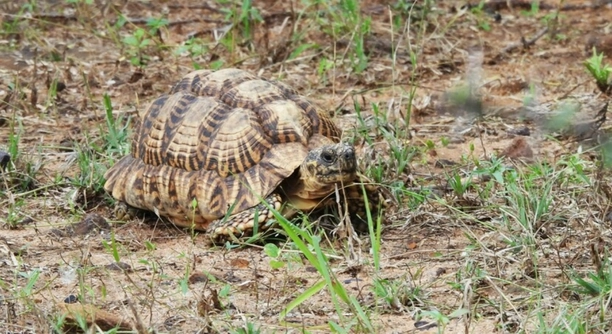
Star tortoises are fascinating creatures, but sometimes, they can seem a bit mysterious. If your tortoise has been hiding a lot, you might be wondering what’s going on. Let’s explore the possible reasons behind this behavior.
Tortoises often hide to feel secure or when they are stressed, sick, or uncomfortable. Changes in their environment, temperature, or diet could cause them to retreat into their shells. It’s essential to monitor their habitat and health.
By understanding what’s causing the hiding, you can help your tortoise feel more at ease. There are simple steps you can take to support their well-being.
Why Does My Star Tortoise Hide So Much?
Tortoises are naturally shy creatures and may hide for several reasons. It’s common for them to retreat into their shells when they feel insecure or need rest. However, if your tortoise seems to be hiding all the time, it could be a sign of something more serious. Stress, changes in their environment, or discomfort can trigger this behavior. It’s important to observe their surroundings and look for signs of health issues or discomfort. Environmental factors like temperature, humidity, and lighting may also be influencing your tortoise’s behavior.
Tortoises are sensitive to their environment. A sudden change in their habitat or routine could lead them to seek shelter.
In some cases, it’s important to consider if your star tortoise might be ill. If they are hiding excessively, there could be underlying health concerns. Respiratory infections, digestive issues, or parasites are a few examples of problems that could make your tortoise want to hide. A visit to the vet might be necessary to rule out any health conditions.
What Environmental Factors Could Be At Play?
Environmental stress plays a big role in your tortoise’s behavior. If the temperature or humidity levels are off, your star tortoise may feel uncomfortable, causing them to retreat. Tortoises require a warm environment to regulate their body temperature. If it’s too cold, they might hide to conserve heat. Similarly, improper lighting, like too much direct light or not enough, can make them feel unsafe and stressed. Make sure your tortoise’s enclosure has a proper heat source and a cooler area for them to choose from. The temperature gradient will allow them to regulate their body temperature naturally. Lighting is equally important. UVB lights help them absorb calcium, which is vital for their health.
Keeping their enclosure clean is also crucial. A dirty environment can cause stress or infection, leading them to hide. Regular cleaning of the enclosure, along with providing a comfortable, well-balanced habitat, can reduce hiding behavior and promote overall well-being.
Is Your Star Tortoise Stressed?
Stress is a common reason for hiding in star tortoises. If they feel threatened, overwhelmed, or uncomfortable in their environment, they will seek refuge. Moving to a new home or loud noises can stress them out.
Sometimes, stress stems from the presence of other animals. If your tortoise is sharing space with pets or other creatures, they might feel threatened and hide more often. Try to keep the enclosure calm and quiet, away from too much activity. Also, avoid handling them too often, as this can lead to additional stress. Star tortoises are naturally solitary, and giving them space can help reduce stress levels.
Stress can also be caused by improper care. If they aren’t getting the right diet or access to clean water, this can make them feel unwell. Offering the right balance of food and hydration helps your tortoise stay calm and healthy.
Could Your Star Tortoise Be Sick?
If a tortoise hides more than usual, there’s a chance it could be sick. Illness often causes them to withdraw and avoid normal activities. Check for any changes in behavior or physical appearance.
Look for signs like loss of appetite, weight loss, or abnormal shell conditions, such as soft spots or cracks. If your tortoise isn’t eating or drinking, it’s a clear indication that something may be wrong. Respiratory infections are common, so watch for wheezing or labored breathing. If you notice any of these signs, take your tortoise to a vet to get a proper diagnosis and treatment. Even minor symptoms can turn serious, so it’s essential to act quickly.
Infections and parasites can make your star tortoise uncomfortable, leading them to hide more. Routine checks and veterinary care are vital for maintaining their health and well-being.
Temperature and Lighting Issues
Star tortoises require a specific temperature range to feel comfortable. If their enclosure is too hot or cold, they will hide. Ensure the basking spot is around 90°F and the cooler side stays around 75°F.
Lighting is just as important. UVB lights help them process calcium and maintain healthy shells. Without proper lighting, they may feel unsafe or weak, causing them to retreat. Keep the lighting consistent and provide both a hot and cool area so your tortoise can regulate its body temperature.
Handling and Interaction
Excessive handling can cause stress for your tortoise, especially if they are not used to it. Allow them to approach you on their own terms.
If they retreat into their shell after being handled, it’s a sign they’re uncomfortable. Limit the interaction and give them time to relax in their environment. A stressed tortoise will hide more often, so be mindful of how much you engage with them.
FAQ
Why does my star tortoise keep hiding?
There are several reasons why a star tortoise might hide frequently. The most common reasons are stress, discomfort, or illness. Changes in the environment, temperature, or humidity can make them feel unsafe, leading them to hide. It’s essential to check if their habitat is set up properly and if they are getting the right care. If they are hiding more than usual and also showing signs of not eating or drinking, it could be a sign of sickness, and a visit to the vet is recommended.
Can star tortoises hide because of the temperature?
Yes, temperature plays a huge role in a tortoise’s behavior. If the enclosure is too hot or too cold, your star tortoise may hide to feel more secure or to regulate its body temperature. Star tortoises need a temperature gradient in their enclosure, meaning a warmer basking area (around 90°F) and a cooler side (around 75°F). If the temperature is out of balance, they may hide to avoid discomfort.
How can I tell if my star tortoise is stressed?
Stress can cause your star tortoise to hide more frequently, and it may show other signs like loss of appetite, erratic behavior, or excessive hiding. Factors like loud noises, changes in routine, or the presence of other animals can trigger stress. If you notice these signs, consider adjusting the environment to make it calmer. Providing more space, quiet surroundings, and a stable environment can help reduce stress.
Is it normal for star tortoises to hide during the night?
Yes, it is completely normal for star tortoises to hide or burrow during the night. Like many other reptiles, tortoises are more active during the day and seek shelter or rest when it gets dark. They often feel more secure when they hide in a safe spot during the night. If they hide throughout the day, however, it might be a sign of stress or illness.
What can I do if my star tortoise keeps hiding?
If your star tortoise is hiding frequently, first check the environmental factors like temperature, humidity, and lighting. Ensure they have a comfortable space to bask and a cooler area to retreat to. Make sure they are eating, drinking, and showing no signs of illness. If changes in their environment don’t seem to help, or if they show signs of health issues like weight loss or lethargy, a visit to the vet is necessary.
How long can a star tortoise go without eating?
Star tortoises can survive for several days without food, but it’s not ideal. If your tortoise isn’t eating for an extended period, it could be a sign of stress or illness. If they have been hiding and avoiding food for more than 2-3 days, it’s important to monitor them closely and consult a vet. Dehydration is another concern, so ensure they have access to clean water at all times.
Can I try to coax my tortoise out of hiding?
While it’s tempting to try coaxing your tortoise out of hiding, it’s best to let them come out on their own terms. Constantly trying to force them out can cause more stress. Provide a safe, calm environment, and they will eventually feel comfortable enough to come out. If they’re hiding for an extended period, it could be an indicator that something is wrong, and a vet check is advisable.
Do star tortoises need company, or do they prefer to be alone?
Star tortoises are solitary animals. They do not need company and often prefer their own space. Keeping multiple tortoises in the same enclosure can lead to stress, territorial behavior, and even fighting. If you keep more than one tortoise, make sure they have plenty of space to avoid causing stress. It’s best to provide each tortoise with its own area to feel secure and safe.
Is hiding a sign that my star tortoise is unwell?
Excessive hiding, especially when combined with other signs such as loss of appetite, lethargy, or abnormal shell conditions, can indicate illness. Respiratory infections, parasites, and other health problems may cause them to hide more frequently. If your tortoise has been hiding and showing any signs of illness, it’s crucial to have them checked by a veterinarian. Early diagnosis and treatment are key to helping them recover.
How can I make my star tortoise feel more comfortable?
To make your star tortoise feel more comfortable, ensure they have a clean, quiet environment with the right temperature, humidity, and lighting. Provide a hiding spot if they need it, as tortoises appreciate having somewhere to retreat when feeling stressed. A balanced diet, proper hydration, and regular monitoring will help keep them healthy and reduce unnecessary hiding.
Final Thoughts
If your star tortoise is hiding more than usual, it’s important to pay attention to the possible reasons behind this behavior. While some hiding is normal, excessive hiding could be a sign that something is wrong. Tortoises may hide when they feel stressed, uncomfortable, or unwell. Checking the environment, including the temperature, humidity, and lighting, is a good first step. Make sure their space is safe, quiet, and provides the right conditions for them to thrive. If the environment seems fine but the behavior continues, it might be time to consider whether your tortoise is sick or stressed.
Addressing stress is key to helping your tortoise feel more secure. Things like loud noises, changes in their routine, or the presence of other animals can create a stressful atmosphere. Tortoises are naturally solitary animals and may need time and space to adjust to their surroundings. Overhandling can also contribute to stress, so it’s important to handle them gently and not too often. If your star tortoise seems to be constantly hiding, check if it’s because of an environmental change or a shift in their daily routine. Creating a calm, stable environment will go a long way in reducing stress-related hiding.
In the case that your star tortoise is still hiding despite all efforts, a visit to the vet is the next step. Illnesses like respiratory infections or parasites could make them want to retreat and hide. It’s important not to ignore these signs, as early intervention can prevent more serious issues. A vet can help identify the underlying cause of the behavior and provide the right treatment. Whether it’s adjusting the environment or treating a health issue, taking the proper steps can help your tortoise feel comfortable and secure.

Hello,
If you enjoy the content that we create, please consider saying a "Thank You!" by leaving a tip.
Every little bit helps us continue crafting quality advice that supports the health, happiness, and well-being of pets around the world, for pets of all shapes, sizes, and species.
We really appreciate the kindness and support that you show us!