
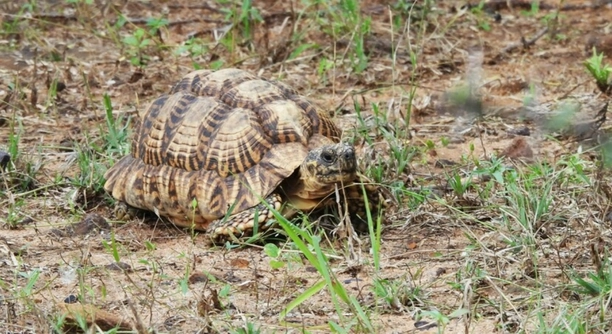
If your star tortoise isn’t eating, it can be concerning. Various factors can contribute to this, but understanding the causes can help you address the issue and support your tortoise’s health.
Several factors can cause a star tortoise to stop eating, including stress, improper temperature, or poor diet. Identifying and addressing these factors promptly can help your tortoise regain its appetite and maintain a healthy lifestyle.
Understanding the reasons behind your star tortoise’s eating habits will allow you to take steps to resolve the issue effectively.
Stress and Anxiety Can Affect Eating
Stress is a common reason why star tortoises stop eating. They are sensitive to changes in their environment, such as loud noises, new animals, or even sudden changes in their habitat. When stressed, tortoises can become hesitant to eat, which affects their overall well-being. You may notice them hiding more often or becoming less active, both signs of stress.
It’s essential to keep your star tortoise in a calm and quiet environment. Avoid handling them too frequently, as it can further contribute to anxiety. Creating a secure habitat will help your tortoise feel at ease.
Adding plants, hiding spots, and maintaining consistent temperature and humidity levels will help reduce stress. Try to observe any changes in their behavior, and be mindful of factors that could be disturbing their routine. A peaceful, stable environment promotes comfort and encourages feeding.
Improper Temperature and Lighting
Temperature is crucial to the health of your star tortoise. If the habitat temperature is too high or low, your tortoise may refuse to eat. Similarly, the lighting should mimic natural sunlight to regulate their biological clock. A basking spot with the right amount of heat allows your tortoise to digest food properly.
Ensure your star tortoise’s enclosure has both a cool and warm area, with a temperature gradient. It’s important to have a basking spot at around 95°F and a cooler area ranging from 70°F to 80°F. Light levels should also be monitored; UVB light is vital for proper digestion and absorption of nutrients. When these conditions are met, your tortoise will be more inclined to eat regularly.
Diet and Nutrition Issues
If your star tortoise isn’t eating, diet could be the problem. Poor nutrition or a lack of variety can lead to a loss of appetite. They need a balanced diet that includes leafy greens, vegetables, and occasional fruits. Ensure that the food offered is fresh and free of pesticides.
Providing a mix of different food types is essential. Offering a variety of greens, like dandelion leaves, collard greens, and clover, will keep them interested. You can also add occasional flowers or small amounts of fruit, but don’t overdo it. A healthy diet is key for your tortoise to stay strong and active.
Overfeeding, however, can also be an issue. Keep track of how much food you’re offering and remove any uneaten food after a few hours. Offering too much can cause a buildup of waste and lead to an unbalanced diet, contributing to a loss of appetite. A well-balanced diet will ensure your star tortoise is in good health.
Illness or Health Problems
Health problems can also be a significant reason for a loss of appetite. Star tortoises can experience various health issues, such as respiratory infections or internal parasites, which can lead to reduced eating. Look for other signs like lethargy, unusual breathing, or changes in their shell.
If you notice these signs, it’s essential to consult a veterinarian. They will help diagnose any underlying health conditions and recommend treatment. Not eating can lead to further health complications, so seeking professional advice is crucial. Tortoises, like any pet, need regular check-ups to catch problems early.
An undiagnosed issue can also cause long-term discomfort for your tortoise. If health problems are present, timely medical attention can help restore their appetite. Keep an eye on your tortoise’s behavior and overall health to avoid serious complications. Addressing health problems promptly will improve their chances of recovery.
Wrong Habitat Conditions
If your star tortoise isn’t eating, check its habitat conditions. Temperature, humidity, and enclosure size are important factors that can affect their appetite. Ensure that the environment matches their natural needs to encourage eating.
Make sure the enclosure is spacious enough for your tortoise to move around freely. Stagnant or improperly heated spaces can make your tortoise feel uncomfortable, reducing its willingness to eat. Proper air circulation, adequate lighting, and a balanced humidity level are essential to maintain an environment that supports feeding.
Overhandling or Excessive Attention
Overhandling can also be a factor that causes stress and loss of appetite in your star tortoise. While it’s tempting to interact with your pet, excessive handling can make them feel unsafe, especially if they’re not used to it.
Tortoises need a quiet, stable environment to thrive. Try to limit handling to a minimum, especially if your tortoise is already showing signs of stress. Instead, focus on providing a calm, comfortable space where your tortoise can retreat and feel secure.
Age and Maturity
Age can play a role in your star tortoise’s eating habits. Younger tortoises may need more frequent feeding compared to adults. As they mature, their appetite may decrease, especially during the winter months.
Older tortoises may experience changes in their metabolism, affecting their food intake. It’s important to adjust feeding schedules and amounts as they age to match their changing needs. Regularly monitor their weight to ensure they’re maintaining a healthy body condition.
FAQ
What should I do if my star tortoise is not eating for a long period?
If your star tortoise isn’t eating for an extended period, it’s essential to first rule out environmental issues. Ensure that the temperature, humidity, and lighting are appropriate for your tortoise’s needs. If everything seems in order but the problem persists, it’s time to consult a veterinarian. Prolonged loss of appetite can be a sign of underlying health issues such as infections, parasites, or metabolic problems.
How can I encourage my star tortoise to eat again?
Start by adjusting its environment to reduce stress. Check the temperature and humidity levels, making sure the basking spot is around 95°F and the cooler area is between 70°F and 80°F. Offer a variety of fresh, pesticide-free food, like dandelion leaves, clover, and collard greens. If your tortoise is still not eating, consider consulting with a vet for additional guidance.
Can stress cause my star tortoise to stop eating?
Yes, stress is a common cause of appetite loss in star tortoises. Factors such as loud noises, the presence of other animals, or frequent handling can cause stress. To minimize stress, keep their environment quiet and stable. Avoid excessive handling and give them time to adjust to any changes.
How often should I feed my star tortoise?
Young star tortoises should be fed daily, while adults typically eat every other day. Adjust the amount based on their size and activity level. Offer fresh food like leafy greens and some fruits. Ensure that the food is appropriate for their diet and avoid overfeeding, as it can lead to obesity.
Can a star tortoise refuse food during winter?
Yes, it is normal for star tortoises to eat less or even stop eating during colder months. They may enter a state of dormancy or reduce their activity, especially if the temperature is lower than usual. Ensure that the temperature remains within the optimal range, and if the problem continues for a long time, consider consulting a vet.
Should I give my star tortoise water if it’s not eating?
Yes, always provide fresh water for your star tortoise. Even if it’s not eating, hydration is essential for its overall health. Some tortoises may drink more water when they are not eating, so make sure to keep their water bowl clean and accessible.
Is it normal for a star tortoise to stop eating after moving to a new enclosure?
Yes, a new environment can cause stress and make your tortoise reluctant to eat. It’s common for tortoises to be more cautious in unfamiliar surroundings. Try to minimize handling and allow your tortoise time to adjust. Make sure the new enclosure has the right temperature, lighting, and humidity levels.
How can I tell if my star tortoise is sick?
Signs that your star tortoise may be sick include lethargy, lack of appetite, difficulty breathing, or abnormal shell condition. If you notice any of these symptoms, it’s important to consult a vet immediately. Early diagnosis and treatment can help prevent further health issues.
Can I feed my star tortoise fruit every day?
No, fruit should be offered in moderation. Too much fruit can cause digestive problems and upset the balance of their diet. Stick to offering fruit once or twice a week and focus on leafy greens and vegetables as the primary food source.
Can parasites cause my star tortoise to stop eating?
Yes, internal parasites are a common cause of appetite loss in star tortoises. If your tortoise shows symptoms such as lethargy, diarrhea, or weight loss, it may have parasites. A vet can perform tests to diagnose the problem and provide the appropriate treatment.
How can I prevent my star tortoise from becoming obese?
To prevent obesity, make sure your tortoise gets enough exercise and isn’t overfed. Provide a well-balanced diet of leafy greens and limit high-calcium foods. Regularly check your tortoise’s weight and ensure that they’re getting the proper amount of food for their age and activity level.
Can my star tortoise get too much UVB light?
While UVB light is essential for your tortoise’s health, overexposure can be harmful. Too much UVB light can cause skin burns or other health issues. Be sure to follow the manufacturer’s guidelines for UVB light duration and distance from the basking spot. Regularly replace the UVB bulbs to ensure effectiveness.
Final Thoughts
If your star tortoise is not eating, it’s important to consider a few factors that could be affecting its appetite. Start by checking the environment—temperature, humidity, and lighting should all be adjusted to suit the needs of your tortoise. An improper habitat can cause stress, making your tortoise unwilling to eat. Ensuring that the enclosure is clean, spacious, and quiet will also help create a more comfortable space for your pet. Avoid frequent handling or sudden changes, as these can cause additional stress. The less stress your tortoise experiences, the better chance it will eat properly.
Dietary issues are another potential reason your tortoise may refuse food. Offering a variety of fresh, nutritious foods can encourage eating. Leafy greens, such as dandelion greens, clover, and collard greens, should be included regularly in their diet. Make sure to avoid feeding them high-sugar fruits too often, as they can cause digestive problems and lead to an unbalanced diet. Additionally, check the food for pesticides or chemicals, as these can be harmful. If your tortoise is not eating the food you provide, it may be necessary to try different options until you find what works.
If environmental and dietary adjustments don’t resolve the issue, it may be time to consult with a veterinarian. Loss of appetite could be a sign of an underlying health problem, such as infections, parasites, or other metabolic issues. It is crucial to get a professional diagnosis to ensure your tortoise’s health is not at risk. Regular check-ups can help you stay on top of your tortoise’s well-being. Keeping a close eye on its behavior, weight, and appetite will allow you to address any concerns early and ensure a long and healthy life for your pet.

Hello,
If you enjoy the content that we create, please consider saying a "Thank You!" by leaving a tip.
Every little bit helps us continue crafting quality advice that supports the health, happiness, and well-being of pets around the world, for pets of all shapes, sizes, and species.
We really appreciate the kindness and support that you show us!