
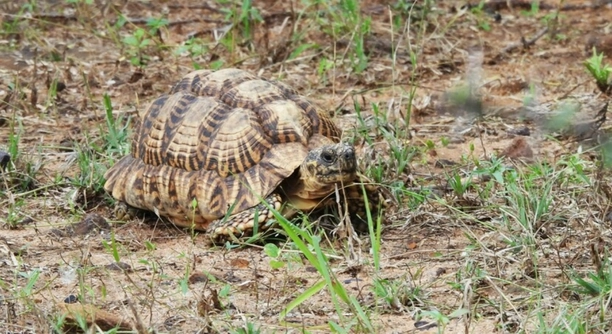
A star tortoise that isn’t basking could indicate various health or environmental issues. Ensuring its well-being involves understanding why it’s not enjoying its warm spot as usual. Let’s look into possible causes and solutions.
A star tortoise may not bask due to factors such as improper temperature, stress, or illness. Ensuring an appropriate temperature gradient in the enclosure, reducing stressors, and monitoring for signs of illness are essential steps to encourage basking behavior.
Identifying the reasons for your star tortoise’s behavior will help improve its habitat and overall health.
Common Reasons for Star Tortoise Not Basking
If your star tortoise isn’t basking, temperature issues are often the primary concern. Tortoises rely on specific heat gradients to regulate their body temperature. If the basking spot isn’t warm enough, your tortoise might avoid it altogether. On the other hand, temperatures that are too high could make it uncomfortable. Make sure the basking area reaches around 95°F and the cooler side stays between 75-80°F.
Stress can also be a factor. Changes in the environment, like a new tank or unusual noise levels, can make your tortoise anxious and less likely to bask. Even introducing new pets or people can cause stress.
Health problems are another possibility. Illness or discomfort may cause your tortoise to avoid basking. If it’s been more than a few days, or if it shows other signs like lethargy or lack of appetite, it’s a good idea to visit a vet for an examination.
How to Fix the Issue
A simple temperature check can resolve many basking issues. Use a thermometer to confirm that your basking area is the correct temperature. If the heat source is too weak, replace it with a higher-wattage bulb or adjust its placement for more direct heat.
Monitoring your tortoise’s behavior closely and observing for other signs of illness is essential.
Temperature Regulation
Your tortoise needs a specific temperature range to thrive. If the basking area isn’t warm enough, it will avoid it. Make sure the basking spot is around 95°F, with a cooler area between 75-80°F. Using a heat bulb and a temperature gauge will help maintain these ranges effectively.
If the temperatures are off, your tortoise might become sluggish or stressed. It’s crucial to create a stable environment that mimics its natural habitat. A temperature gradient allows your tortoise to move between warm and cooler areas, giving it control over its body heat.
Inconsistent temperature changes can also stress your star tortoise, leading to a lack of basking. Avoid placing the tank in direct sunlight or near drafts that could cause sharp temperature fluctuations. This stability is essential for their overall health and comfort.
Stress Factors
Stress can prevent a tortoise from basking properly. It might avoid basking if it feels threatened or uncomfortable in its environment. Make sure its habitat is quiet and peaceful.
Changes in the environment, like new pets or furniture, can create anxiety. Your tortoise may need time to adjust to these changes. Ensure the tank is placed in a calm, quiet spot, and avoid frequent handling during this period. Too much interaction or movement in its space can increase stress and discourage basking.
Additionally, overcrowding in the tank can also contribute to stress. Ensure your tortoise has plenty of space to move around and access to its basking area without competition from other pets.
Illness and Health Issues
A star tortoise that avoids basking may be unwell. If it seems lethargic, stops eating, or displays other signs of illness, it’s time to consult a vet. Health problems often lead to a lack of energy and reluctance to bask.
Common health issues like respiratory infections or parasites can affect a tortoise’s behavior. Even slight changes in activity or appetite should be taken seriously. Prompt medical attention can prevent further complications.
Inadequate Lighting
Your tortoise needs UVB light to properly process calcium and maintain its health. Without it, your tortoise might not feel like basking. Ensure the UVB bulb is strong enough and replaced regularly.
UVB light also supports the tortoise’s natural behaviors, such as basking. Without proper lighting, it might avoid basking altogether, affecting its overall well-being.
FAQ
Why is my star tortoise not basking even though the temperature is correct?
If the temperature is right, there could still be other factors at play. Stress, illness, or inadequate lighting could cause your tortoise to avoid basking. Check for any changes in its environment, potential health issues, or problems with the lighting.
What are the signs that my star tortoise is stressed?
Signs of stress include lack of appetite, hiding more than usual, or excessive pacing. Stress can come from many factors, such as changes in the habitat, new pets, or too much handling. Try to create a calm environment and minimize any sudden changes.
Can a star tortoise survive without basking?
While star tortoises can survive for a while without basking, it’s not healthy for them in the long run. Basking is essential for their digestion and overall health. Without proper heat and UV light, they may develop metabolic bone disease or other health issues.
How do I know if my star tortoise is sick?
Common signs of illness include lethargy, lack of appetite, abnormal breathing, or discharge from the eyes or nose. If you notice any of these symptoms, it’s important to get your tortoise checked by a vet. Early treatment is key to recovery.
How long should my star tortoise bask each day?
Star tortoises should bask for about 4 to 6 hours each day. This helps them regulate their body temperature and receive the necessary UVB exposure. Make sure their basking spot is consistent in temperature and lighting throughout the day.
Can I use regular light bulbs instead of UVB bulbs?
No, regular light bulbs do not provide the necessary UVB light that your tortoise needs for proper calcium absorption. UVB bulbs are specially designed to mimic natural sunlight and help prevent diseases like metabolic bone disease.
Why is my star tortoise basking but not eating?
If your tortoise is basking but not eating, it may be stressed or ill. A change in temperature, habitat, or stress from handling could be the cause. If the lack of appetite continues, a vet visit is recommended to rule out health problems.
How can I reduce stress for my star tortoise?
To reduce stress, make sure your tortoise’s environment is quiet and stable. Avoid sudden changes in the habitat, like moving objects around or introducing new pets. Give your tortoise enough space to roam and avoid too much interaction.
How do I provide the right humidity for my star tortoise?
Humidity is an important factor in your tortoise’s health. Ensure the enclosure has a humidity level of 50-60%. Use a humidity gauge to monitor levels, and mist the enclosure or add a shallow water dish if needed to maintain appropriate moisture.
Can I keep my star tortoise outside?
Star tortoises can be kept outside if the climate is appropriate. They need a warm environment, and the enclosure should be secure to prevent escapes or predators. Make sure the outdoor setup includes areas for both basking and hiding.
How often should I clean my star tortoise’s tank?
Clean your tortoise’s tank regularly, removing waste daily and giving it a deep clean once a week. This helps maintain a healthy environment and reduces the risk of bacteria or parasites.
What should I feed my star tortoise?
A balanced diet for a star tortoise includes leafy greens, grasses, and flowers. Avoid feeding them too many fruits or high-protein foods, as this can lead to health problems. Offering a variety of safe, natural foods is key to keeping your tortoise healthy.
Can a star tortoise live with other tortoises?
Star tortoises can sometimes live with other tortoises, but it depends on their temperament and the size of the enclosure. Make sure the space is large enough to prevent territorial disputes, and monitor their behavior closely for signs of aggression.
What size enclosure does my star tortoise need?
A star tortoise needs at least a 40-gallon tank for one adult tortoise. However, the larger the enclosure, the better, as this gives your tortoise more room to move and bask. Make sure there are areas for both basking and hiding.
Is it necessary to provide a substrate for my star tortoise?
Yes, providing a substrate like coconut coir or a mix of soil and sand helps keep humidity levels stable and mimics the tortoise’s natural environment. Avoid using wood chips or anything that could be ingested or cause impaction.
Can my star tortoise get too much sun?
While sunlight is essential, overexposure can be harmful. It’s important to balance outdoor time and ensure your tortoise has access to shade to prevent overheating. If you use artificial lighting, make sure it provides both heat and UVB rays.
Final Thoughts
Ensuring that your star tortoise basks regularly is essential for its health. Basking provides the necessary heat and UVB light for proper digestion, calcium absorption, and overall well-being. If your tortoise is not basking, it’s important to consider various factors such as temperature, lighting, stress, and potential health issues. Identifying the underlying cause will help address the problem effectively and improve your tortoise’s quality of life.
It’s crucial to maintain the right environmental conditions for your star tortoise. This includes having a properly calibrated heat source, UVB lighting, and humidity levels within the recommended range. Regularly check these factors and make adjustments when necessary. Also, be mindful of your tortoise’s behavior and health. If it shows signs of stress or illness, consult a vet to rule out any health issues that might be contributing to its reluctance to bask. Early intervention can prevent more serious problems down the road.
By creating a comfortable, stable environment and closely monitoring your tortoise’s behavior, you can ensure that it remains happy and healthy. Remember that your star tortoise’s need to bask is not just about warmth but is tied to its natural instincts. Providing the right conditions and being attentive to its needs will help foster a long, healthy life for your tortoise. Keep in mind that a healthy tortoise is a basking tortoise, and by understanding the reasons behind their actions, you can offer the best care possible.

Hello,
If you enjoy the content that we create, please consider saying a "Thank You!" by leaving a tip.
Every little bit helps us continue crafting quality advice that supports the health, happiness, and well-being of pets around the world, for pets of all shapes, sizes, and species.
We really appreciate the kindness and support that you show us!