
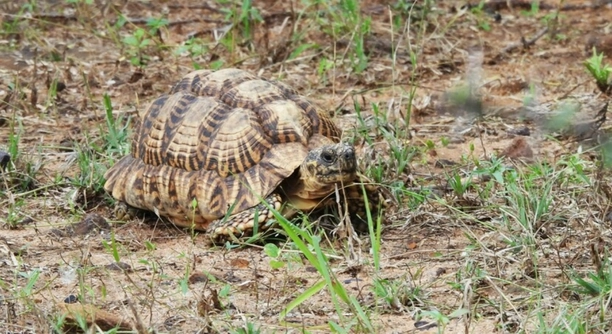
Star tortoises are captivating creatures known for their unique patterns and calm nature. Many people wonder how long they can expect their pet tortoise to live. This article will provide some key facts about their lifespan.
Star tortoises typically live between 30 to 40 years in the wild, but with proper care, they can live up to 50 years or more in captivity. Their longevity depends on factors like diet, environment, and overall health.
Knowing the factors that influence their lifespan can help you care for your star tortoise in the best possible way. Proper care will ensure your tortoise lives a long, happy life.
Lifespan of Star Tortoises in the Wild
Star tortoises can live for several decades in the wild. They thrive in warm, dry environments, often living in grassy and scrubby areas. Their natural predators and environmental factors can impact their lifespan, but many survive for 30 to 40 years. The fact that they are slow-moving and have tough shells helps protect them from most predators. Additionally, wild star tortoises have access to their natural diet, which consists of grasses, fruits, and flowers, contributing to their overall health.
In the wild, star tortoises typically face fewer health issues than those kept in captivity. Their lives are more in tune with their natural rhythms, though they are still susceptible to diseases or injuries. However, the stability of their ecosystem plays a huge role in determining their lifespan.
Their ability to adapt to changing conditions, along with the availability of food and water, ensures that they have the best chance at a long life.
Lifespan of Star Tortoises in Captivity
In captivity, star tortoises can live longer, sometimes reaching 50 years or more. Proper care and the right environment make a big difference.
Ensuring your star tortoise has the proper diet, temperature, and shelter can significantly extend its life. Many pet owners don’t realize that minor changes in their care routines can impact their health. A balanced diet, access to UVB light, and proper humidity levels are crucial. Without these factors, the tortoise may face shorter life expectancy.
Some tortoises, unfortunately, experience health issues related to improper habitat conditions. Without proper heating or lighting, they can develop metabolic bone disease, which can shorten their lifespan. Similarly, improper diet can lead to obesity or organ failure. Regular vet check-ups are also essential to monitor any potential problems before they become serious.
Factors Affecting Star Tortoise Lifespan
Several factors affect the lifespan of a star tortoise. The environment they are kept in is one of the most important. Temperature, humidity, and UVB lighting all contribute to their overall health. Without the right balance of these factors, their health can deteriorate, leading to a shortened life.
Another key factor is diet. Star tortoises are herbivores, and providing them with a varied diet that mimics their natural food sources is important. Their diet should include leafy greens, grasses, and safe fruits. Lack of variety or improper food choices can lead to nutritional deficiencies that reduce their lifespan.
Finally, the overall care given to the star tortoise is crucial. Regular cleaning of their enclosure and providing them with space to roam helps ensure they remain healthy and active.
With proper care, these amazing creatures can enjoy a long, healthy life.
How Diet Affects Their Lifespan
A star tortoise’s diet is essential for their health and longevity. Providing the right food helps ensure they stay strong and avoid health problems. They should eat a variety of fresh, leafy greens, grasses, and a small amount of fruit. Avoid feeding them too many high-oxalate foods like spinach.
Feeding them a proper diet ensures they receive the necessary nutrients, like calcium, fiber, and vitamins. A poor diet can lead to metabolic bone disease or kidney problems. Overfeeding can also lead to obesity, which affects their overall health and reduces their lifespan. It’s crucial to maintain a balanced diet to keep them active and healthy.
Some common foods for star tortoises include dandelion greens, clover, and hibiscus flowers. Wild grasses are an important part of their natural diet. Offering these foods in a varied mix helps mimic their natural eating habits and supports their health.
Temperature and Habitat
Temperature plays a vital role in the lifespan of star tortoises. If they are kept in an environment that’s too cold or too hot, their health can suffer. A temperature range of 80 to 90°F during the day and a cooler 70°F at night is ideal. This balance helps regulate their metabolism and digestive system.
In addition to temperature, humidity is equally important. A humidity level of 50-60% is optimal for star tortoises. Too much humidity can lead to respiratory problems, while too little can cause dehydration. Proper lighting is another factor, as UVB rays help them metabolize calcium, preventing bone diseases. Without adequate UVB exposure, their bones become weak.
Providing them with a habitat that mimics their natural environment in terms of both temperature and humidity ensures they can thrive. Regularly monitoring the conditions in their enclosure helps keep them healthy and boosts their chances of living a long life.
The Role of Exercise in Their Lifespan
Exercise helps keep star tortoises active and in good shape. Giving them space to roam and explore is important for their physical health. Too much confinement can lead to muscle weakness and other health issues.
Allowing your star tortoise to walk around a secure area encourages them to stay fit. Providing a large enough enclosure for them to move around in is crucial. Physical activity boosts circulation and helps prevent obesity, leading to a longer life.
Star tortoises naturally move long distances, so offering a spacious enclosure mimics their natural environment. The more room they have to roam, the healthier they will stay.
Common Health Issues Affecting Lifespan
Star tortoises are prone to a few common health issues that can affect their lifespan. Metabolic bone disease, respiratory infections, and shell rot are the most common. These issues often stem from improper care, such as incorrect temperature, diet, or humidity levels.
To prevent these problems, make sure your star tortoise has access to proper UVB lighting and a balanced diet. Regular vet check-ups are essential to catch any health concerns early. Proper care and early intervention can help them live longer, healthy lives.
The Importance of Regular Veterinary Check-Ups
Routine vet visits are important to ensure your star tortoise stays healthy. Even if they seem fine, it’s always good to have a professional check their health. A vet can spot potential problems before they become serious.
During check-ups, a vet will check for signs of disease, dehydration, or malnutrition. They may also provide tips on diet, habitat, and care. Regular visits contribute to the overall wellbeing of your star tortoise, helping to extend their lifespan.
FAQ
How long do star tortoises live in captivity?
Star tortoises can live anywhere from 30 to 50 years in captivity if provided with the proper care. With the right diet, temperature, and environment, they can thrive for decades. It’s not uncommon for them to live even longer when cared for in a stable, safe environment. Ensuring that their habitat mimics their natural conditions plays a key role in extending their life.
What is the ideal temperature for a star tortoise?
The ideal temperature for a star tortoise is between 80-90°F during the day, with a cooler 70°F at night. Keeping them within this range ensures their metabolism and digestion function properly. If their environment is too hot or too cold, it can lead to health issues. Using a heat lamp and a thermometer can help regulate the temperature in their enclosure.
Do star tortoises need UVB light?
Yes, star tortoises need UVB light to metabolize calcium and maintain strong, healthy bones. UVB light helps prevent metabolic bone disease, a common issue in reptiles that lack sufficient exposure to UVB rays. Providing them with a UVB light source in their habitat for about 10-12 hours a day is essential for their health. Make sure the light is at the proper distance and replaced every 6-12 months to ensure effectiveness.
Can star tortoises eat fruit?
Star tortoises can eat fruit, but it should be given in moderation. While they enjoy fruits like strawberries, papaya, and melon, they should not be a major part of their diet. Too much fruit can cause digestive issues due to its high sugar content. A balanced diet should primarily consist of leafy greens and grasses, with fruit as an occasional treat.
How much space do star tortoises need in their enclosure?
Star tortoises need a large enclosure to roam freely, with a minimum size of 4 feet by 6 feet for a single adult. The more space they have, the better, as they are naturally inclined to roam long distances in the wild. Providing them with enough room to explore helps prevent stress and promotes overall health. Adding hiding spots, rocks, and plants can also enrich their environment.
What should I feed my star tortoise?
Star tortoises are herbivores, so their diet should mainly consist of leafy greens, grasses, and edible plants. Some good food choices include dandelion greens, collard greens, clover, and hibiscus flowers. You can also provide them with occasional fruits like berries or melon, but these should be offered sparingly. It’s important to avoid feeding them high-oxalate foods, like spinach, as they can interfere with calcium absorption.
How do I know if my star tortoise is sick?
Signs that your star tortoise may be sick include lethargy, loss of appetite, weight loss, watery eyes, nasal discharge, or abnormal breathing. If you notice any of these symptoms, it’s important to take your tortoise to a vet who specializes in reptiles. Early detection of health issues can help prevent further complications and improve their chances of recovery.
Do star tortoises need to hibernate?
Star tortoises do not undergo true hibernation, but they may go into a state of dormancy during the colder months, especially in the wild. In captivity, this isn’t necessary, and they should remain active year-round. However, it’s important to regulate their temperature to avoid drastic changes that could cause stress or health problems.
How can I make my star tortoise’s habitat more comfortable?
To make your star tortoise’s habitat more comfortable, ensure it has the proper temperature, humidity, and lighting. Provide a large enclosure with areas for hiding, basking, and cooling down. Offer different surfaces like rocks and wood for climbing and scratching. It’s also important to keep the enclosure clean to prevent the buildup of bacteria and parasites.
Are star tortoises good pets for beginners?
Star tortoises can make good pets for beginners, but they do require a bit of commitment. Their care involves setting up the right habitat, feeding them a varied diet, and ensuring they have the proper lighting and temperature. If you’re willing to put in the effort, they can be rewarding companions for many years. However, it’s important to research and understand their specific needs before getting one.
What are the main threats to the lifespan of star tortoises?
The main threats to the lifespan of star tortoises are poor diet, improper temperature, and lack of UVB exposure. Additionally, environmental stress, lack of space, and poor hygiene can lead to health issues that shorten their lifespan. Ensuring proper care and regular veterinary check-ups can help mitigate these risks and improve their chances of living a long, healthy life.
Can star tortoises be housed with other reptiles or animals?
It’s not recommended to house star tortoises with other reptiles or animals. Different species have different care needs, and interactions with other animals can lead to stress or injury. Star tortoises are solitary creatures and do best in their own space. If you want to keep more than one tortoise, make sure each has a separate, adequate enclosure to prevent territorial disputes and stress.
Final Thoughts
Caring for a star tortoise is a long-term commitment. These tortoises can live for decades, often exceeding 30 years, when given the proper care. To ensure they live a long, healthy life, providing them with the right diet, habitat, and medical attention is essential. While they are relatively low-maintenance pets, they do need a specific environment and diet to thrive. The key to their longevity is consistency in care, so making sure they have enough space, the right temperature, and adequate UVB lighting will go a long way in keeping them happy and healthy.
It’s also important to remember that every star tortoise is different. Some may be more active or have different dietary preferences. Understanding their individual needs and behaviors can help you adjust their care over time. Regular monitoring of their health, along with annual vet visits, is crucial for early detection of any potential issues. With the right attention and patience, star tortoises can become wonderful pets that live for many years, bringing joy and interest to their owners.
Ultimately, star tortoises make excellent companions for those willing to invest time and effort into their care. They may not require constant interaction like some pets, but they offer a calm and fascinating presence. Whether in the wild or in captivity, these beautiful reptiles have an impressive lifespan. By focusing on their needs and providing the best possible environment, you can ensure your star tortoise leads a long, fulfilling life.

Hello,
If you enjoy the content that we create, please consider saying a "Thank You!" by leaving a tip.
Every little bit helps us continue crafting quality advice that supports the health, happiness, and well-being of pets around the world, for pets of all shapes, sizes, and species.
We really appreciate the kindness and support that you show us!