
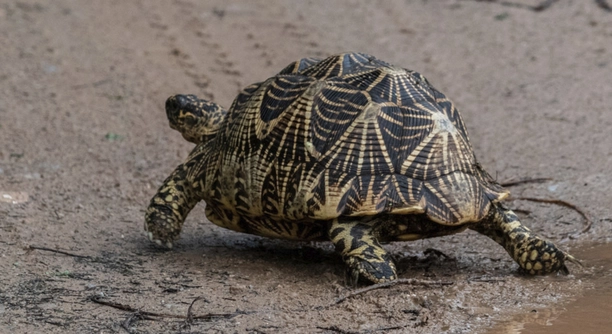
Star tortoises are fascinating reptiles with unique care needs. One key concern for tortoise owners is knowing how long they can go without food. Understanding this is essential for their health and well-being.
Star tortoises can typically survive without food for up to two to three weeks, depending on their age, size, and overall health. However, it is not advisable to intentionally withhold food from them, as it can lead to malnutrition or other health problems.
Knowing how long a star tortoise can go without food is important, especially if you need to leave your pet for a short period. Let’s explore what factors influence their ability to fast and what it means for their care.
Factors That Affect How Long Star Tortoises Can Go Without Food
Star tortoises, like most reptiles, have unique dietary and survival needs. A combination of their size, age, and overall health plays a role in how long they can last without food. Younger tortoises, for instance, typically have faster metabolisms than older ones, meaning they may require more frequent meals. Healthy adult tortoises with good body condition can endure longer without food, especially if they have access to water. However, if their health is compromised in any way, this could shorten their fasting ability significantly.
Even though star tortoises can survive for a couple of weeks without food, it is essential to ensure that they are not stressed. Prolonged fasting can cause weakness and may have long-term effects on their immune systems. Healthy star tortoises usually rely on stored energy and fat reserves to get by, which they use gradually during fasting periods. This means that while they can manage without food for a time, their bodies are still under strain.
When deciding how long a star tortoise can go without food, their living environment also matters. In warmer climates, they may be more active and use up their energy faster. Providing them with enough light, space, and warmth helps ensure their metabolism stays balanced. Be mindful of their overall health and make sure they are not overworked during this time, as stress can lead to further complications.
How to Keep Your Star Tortoise Healthy During Short Fasting Periods
Even though star tortoises can manage without food for a short time, they still need proper care. Offering them access to clean water and a calm environment can go a long way. Keeping stress to a minimum is crucial, as this can impact their ability to conserve energy.
It’s always better to avoid intentionally withholding food unless absolutely necessary. If you must, ensure that your star tortoise has plenty of access to hydration and is kept in a stable environment. You can also provide enrichment to keep them mentally stimulated, which helps reduce stress and supports their overall well-being. If you’re planning to leave your tortoise alone for more than a few days, consider arranging for someone to check on them to make sure their needs are met.
What Happens if a Star Tortoise Goes Too Long Without Food?
If a star tortoise goes without food for too long, it can start to show signs of malnutrition. They may become weak, lethargic, and lose weight quickly. Their immune systems could weaken, making them more prone to illness. This could lead to more serious health problems if not addressed.
While they are capable of surviving a period without food, it’s essential to avoid pushing them to the limit. If the fasting period exceeds two weeks, the star tortoise may begin to lose muscle mass, which can take a toll on their overall health. Prolonged hunger can also affect their digestion, leading to constipation or even an inability to digest food when they’re finally fed again. Their metabolism may slow down, and they may take longer to recover once they resume eating.
The key to a healthy tortoise is consistency in care. If you notice that your star tortoise is not eating for extended periods, consult a veterinarian. Monitoring their weight and behavior can help you catch early signs of distress before things worsen.
What to Do If Your Star Tortoise Stops Eating
If your star tortoise stops eating for a while, first, check the environmental factors. Make sure their habitat is properly heated, and the humidity levels are suitable. Stress from temperature or light changes can affect their appetite, so it’s important to provide a stable, quiet environment.
Offering a variety of fresh, nutritious food might help encourage them to eat. If your tortoise still refuses food, consider reducing handling or making changes to its environment. You might want to try feeding them at different times of day or in a quiet spot away from disturbances. If these changes don’t work, it’s best to consult a vet who specializes in reptiles for further guidance. They can rule out any underlying health issues that could be causing a loss of appetite.
How to Tell If Your Star Tortoise Is Not Eating Enough
A star tortoise not eating enough will often show signs like weight loss or a lack of energy. They may also appear less active or hide more than usual. If their shell feels softer or less solid than normal, it’s a warning sign.
It’s important to monitor their food intake regularly. If your star tortoise is eating less than usual, keep track of the food offered and how much they consume. If the issue continues, it could be related to environmental factors or underlying health problems, which may require veterinary attention.
Signs of Dehydration in Star Tortoises
Dehydration in star tortoises can be serious. It may lead to signs like sunken eyes, dry skin, or a lack of appetite. They might also show slower movements and a decrease in activity levels.
To prevent dehydration, always provide fresh water in their enclosure. Soaking them gently in warm water for about 20 minutes can also help hydrate them. Be mindful of humidity levels, as an overly dry environment can increase the risk of dehydration. Keep an eye on their behavior to catch any early warning signs.
FAQ
How long can a star tortoise go without food?
A star tortoise can typically survive for up to two to three weeks without food, depending on factors like age, size, and health. However, this isn’t ideal, and it is always better to provide food consistently to ensure they remain healthy. Prolonged fasting can lead to malnutrition, dehydration, and other health complications, so it’s important to monitor their condition closely.
Can a star tortoise survive without food for a week?
Yes, a star tortoise can survive for a week without food. During this period, they will rely on fat and energy reserves. However, it is essential to provide them with water to prevent dehydration. A lack of food for longer than a week may stress their system and weaken their immune defenses.
How do I know if my star tortoise is hungry?
Star tortoises often show signs of hunger by becoming more active or foraging around their enclosure. If they’re seeking out food, they may explore their surroundings and even approach their food dish. However, if your tortoise refuses food or shows little interest in eating, it could be a sign of stress, health issues, or an unsuitable environment.
What should I do if my star tortoise stops eating?
If your star tortoise stops eating, first ensure that its environment is suitable. Check the temperature, humidity, and lighting, as these factors can affect their appetite. If the environment is correct, try offering different food items, such as leafy greens, fruits, and flowers. If the problem persists, it’s time to consult a veterinarian to rule out health issues.
How long can a baby star tortoise go without food?
Baby star tortoises have higher metabolic rates than adults, meaning they require more frequent meals. While they can survive for a few days without food, it’s not advisable to let them go longer than three to five days. Prolonged fasting can cause rapid weight loss and other health complications, so always prioritize feeding them regularly.
Can star tortoises go without food while hibernating?
Star tortoises do not truly hibernate in the same way some other reptiles do. Instead, they may enter a state of brumation, where they become less active and eat less frequently. During this time, they can survive without food for a period, but they should still have access to water. Brumation can last for several weeks, but it is essential to ensure they are healthy and hydrated before and after this period.
What is the best food for a star tortoise?
Star tortoises are primarily herbivores, so their diet should consist mainly of leafy greens, grasses, and edible flowers. Foods like dandelions, collard greens, and clover are good choices. Avoid feeding them high-protein foods or too many fruits, as these can cause digestive problems. Ensure that the food is free from pesticides or harmful chemicals.
Is it normal for a star tortoise to fast occasionally?
It is normal for star tortoises to occasionally fast, especially if they are adjusting to changes in their environment or going through a brumation period. However, if your star tortoise is refusing food for an extended period or showing signs of distress, it’s important to seek advice from a reptile vet to rule out any underlying health concerns.
How can I prevent my star tortoise from going without food?
To ensure your star tortoise has a consistent food intake, keep their environment stable and stress-free. Offer fresh food regularly and make sure the temperature and humidity levels are appropriate. Keep their enclosure clean, and avoid handling them excessively, as stress can reduce their appetite. If you’re going away, arrange for someone to feed them.
Can stress affect a star tortoise’s appetite?
Yes, stress can have a significant impact on a star tortoise’s appetite. If they feel threatened, uncomfortable, or their environment is unstable, they may refuse to eat. Changes in lighting, temperature, or routine can also cause stress. It’s essential to maintain a calm and predictable environment for your tortoise to minimize stress and encourage healthy eating habits.
Should I give my star tortoise supplements if it’s not eating?
If your star tortoise is not eating, it’s better to address the root cause rather than relying solely on supplements. Focus on providing a proper diet, environment, and hydration. However, in extreme cases where a tortoise is not eating and there are concerns about nutritional deficiencies, a veterinarian may recommend supplements to support their health.
How much should I feed my star tortoise daily?
The amount of food you should offer depends on the age and size of your star tortoise. For adults, a typical serving might be a couple of handfuls of leafy greens, while younger tortoises may require smaller but more frequent meals. Always ensure that the food is fresh, and remove any uneaten food to prevent spoilage.
Can I feed my star tortoise fruit?
While star tortoises can occasionally have fruit, it should only be offered in moderation. Too much fruit can cause digestive issues and is high in sugar. Fruits like apples, papaya, and melons can be given as a treat but should not make up a significant portion of their diet. Focus primarily on leafy greens and grasses for their daily nutrition.
Why is my star tortoise not eating even though it’s warm?
If your star tortoise is not eating despite having the correct temperature, it could be due to stress, illness, or changes in its environment. Check for any signs of health issues, such as weight loss, lethargy, or abnormal behavior. A change in diet or even too much handling might also contribute to a lack of appetite.
How can I encourage my star tortoise to eat?
Try offering a variety of foods and ensure that their environment is stable. If your tortoise seems disinterested, avoid overwhelming it with too many new foods at once. Giving them fresh, high-quality food, along with a quiet and comfortable space, may help encourage eating.
Final Thoughts
Taking care of a star tortoise requires understanding its specific needs, especially when it comes to feeding. These tortoises can go without food for short periods, but it’s important to remember that this should never be intentional or prolonged. While they can survive without food for a couple of weeks, it can negatively impact their health. The key is to maintain a consistent feeding routine, provide a balanced diet, and ensure that their environment is stable. If your star tortoise goes without food for more than a few days, it could be a sign of an underlying issue that needs attention.
If you notice any signs that your star tortoise is not eating, it’s crucial to identify the cause. Temperature, humidity, and stress are some common factors that can cause them to stop eating. A thorough check of their environment is the first step. If the conditions are right and they’re still refusing food, then it might be time to look into potential health problems. Sometimes, it’s as simple as offering a variety of food or making adjustments to their habitat to encourage appetite. Regular check-ups with a vet who specializes in reptiles are a good way to stay on top of any potential health concerns.
Ultimately, the health of your star tortoise depends on your attention to its needs. While these reptiles are resilient and can survive without food for a while, they rely on you for proper care. Ensuring they have access to fresh water, an appropriate diet, and a stress-free environment will go a long way in keeping them happy and healthy. Regular observation and a proactive approach will help you catch issues before they become serious, ensuring that your star tortoise thrives in its care.

Hello,
If you enjoy the content that we create, please consider saying a "Thank You!" by leaving a tip.
Every little bit helps us continue crafting quality advice that supports the health, happiness, and well-being of pets around the world, for pets of all shapes, sizes, and species.
We really appreciate the kindness and support that you show us!