
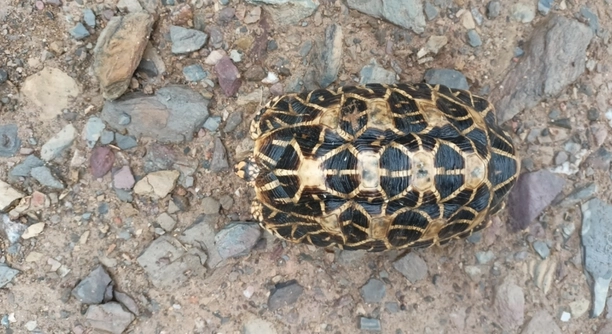
Star tortoises are fascinating creatures, known for their distinct shell patterns. If you are thinking about owning one, you might be curious about how big they can grow and what their growth stages are like.
Star tortoises typically grow between 10 to 12 inches in length, with some reaching up to 14 inches. Their growth rate varies depending on factors such as diet, environment, and care. It generally takes about 5 to 7 years to reach full size.
Understanding their growth stages can help you provide the best care for your star tortoise. Keep reading to learn how they develop and what to expect during their growth process.
Star Tortoise Growth Stages
Star tortoises go through several growth stages that influence their size and development. At birth, they are relatively small, usually around 2 inches long. They grow steadily over time, reaching their full adult size in about 5 to 7 years. During the first few years, their growth is rapid, especially if they are in the right environment with a proper diet. They may seem to slow down as they reach maturity, but they continue to grow slowly. As they grow, their shells become more pronounced, developing the unique star pattern they are known for.
At 1 to 2 years, star tortoises begin to show noticeable changes in size and shell pattern. By 3 years, they will have gained significant growth, although their final size is not yet reached.
Providing the proper care during these stages is essential for their healthy development. Regular feeding and an ideal environment are key to ensuring they grow at a healthy rate. The shell pattern becomes more defined as they grow, giving them the signature look.
Feeding and Care for Growth
Feeding your star tortoise the right diet is essential for its growth. A balanced diet of leafy greens, grasses, and a small amount of fruit will help them grow properly.
Star tortoises also need access to proper UVB lighting and a warm environment to thrive. Without these, their growth can be hindered, and they may develop health issues. Ensure they have ample space to roam and plenty of sunlight. Proper care ensures they develop both physically and mentally, keeping them healthy throughout their growth stages. If not cared for properly, they might suffer from stunted growth or other complications.
Factors Affecting Growth
A star tortoise’s growth is influenced by several factors, including diet, habitat, and overall care. Ensuring they are in a proper environment with the right lighting and temperature is crucial for their growth rate.
A healthy diet rich in fiber, calcium, and other nutrients supports strong bone and shell development. Inadequate nutrition can result in stunted growth or deformities. Additionally, providing enough space for them to roam and exercise will promote physical health. Keeping their enclosure clean and safe will help them stay free from diseases that could interfere with their development.
Stress can negatively impact their growth. Star tortoises are sensitive to changes in their environment. Consistent conditions will help them grow steadily and healthily. Any drastic changes, such as moving them to a new habitat, can slow their development.
Common Growth Problems
While star tortoises generally grow well in ideal conditions, growth problems can occur. Nutrient deficiencies or improper habitat conditions can stunt growth and cause deformities in their shells or limbs.
One common issue is metabolic bone disease, which occurs when star tortoises don’t get enough calcium. This can lead to soft or deformed shells, which affects their overall health and growth. Ensuring they have access to calcium-rich foods and UVB light is essential for proper bone development. Without adequate UVB light, their body cannot process calcium, leading to weakened bones.
Another issue is improper humidity levels. Star tortoises need a balanced humidity level in their habitat. Too little can lead to dehydration, while too much can cause respiratory issues. Regular monitoring of their environment will help avoid such problems.
Growth During the First Year
In their first year, star tortoises grow rapidly. They start at just 2 inches in length, but by the end of their first year, they typically reach 4 to 5 inches.
During this time, their growth is fueled by proper diet and warm temperatures. They need enough food and sunlight to support rapid development. Regular access to UVB light ensures their bones develop correctly. At this stage, their shells also begin to show the first signs of the characteristic star pattern, though it may still be faint.
Importance of Temperature and Lighting
Temperature and lighting play a significant role in star tortoise growth. They need a consistent warm environment, typically between 85-95°F, to thrive.
UVB lighting is crucial for the absorption of calcium, which helps with proper shell development. Without it, their shells can become soft, and their overall health will suffer. Proper lighting and temperature simulate natural conditions, ensuring their growth is steady and healthy. It’s important to maintain a proper day-night cycle to help them regulate their internal processes.
Shell Development
Shell development is one of the most noticeable changes as star tortoises grow. In their early stages, the shell remains soft and flexible, but over time, it hardens and develops the star-like patterns for which they are known.
By the time they reach adulthood, the shell has become fully formed and provides protection. The growth rings on their shells can tell you a lot about their age. However, shell growth is dependent on their diet and calcium intake. Without enough nutrients, the shell can develop improperly, causing deformities.
FAQ
How fast do star tortoises grow?
Star tortoises grow at a steady pace, especially during their first few years. In their first year, they typically grow to about 4 to 5 inches. By 3 years, they can reach 8 to 10 inches. Full growth is usually reached between 5 and 7 years, with adult star tortoises averaging 10 to 12 inches in length, though some can reach up to 14 inches. Growth depends on diet, lighting, and environmental conditions.
What is the best diet for a star tortoise?
A balanced diet is crucial for the healthy growth of star tortoises. Their diet should consist mainly of leafy greens, such as dandelion greens, collard greens, and mustard greens. Grasses and high-fiber plants are also essential. You can occasionally feed them fruits like papaya or melon, but these should be given in moderation to avoid excess sugar. Calcium-rich foods, like clover, are important for shell and bone development. Additionally, providing a calcium supplement and ensuring access to UVB light are essential for proper nutrition.
Can star tortoises grow too big?
Star tortoises can grow quite large, but they typically reach a size of 10 to 12 inches in length when fully grown. In rare cases, they might reach up to 14 inches. It’s important to provide ample space for them as they grow to prevent stunted development. However, if they’re housed in small enclosures or aren’t given proper care, their growth may be limited or unhealthy. Regular care and a proper diet will help them grow to their expected size.
How do I know if my star tortoise is growing properly?
You can track your star tortoise’s growth by measuring their length and observing their shell development. Healthy growth involves steady increases in size, with no signs of stunting or deformities. Their shell should become harder and more pronounced as they age, with the characteristic star pattern becoming clearer. Ensure they are eating a proper diet, receiving adequate UVB lighting, and are kept in a warm environment. If you notice any issues, such as shell deformities or a lack of growth, it’s essential to consult a veterinarian.
What temperature should a star tortoise be kept at?
Star tortoises thrive in a warm environment with temperatures between 85°F to 95°F during the day. Nighttime temperatures can drop to around 70°F, but it should not get too cold. The enclosure should have a warm basking spot where they can reach temperatures of up to 100°F. Proper heating ensures they stay active and healthy. A basking lamp and UVB light source are essential for their well-being. Maintaining a consistent temperature range is key to their growth and health.
How often should I feed my star tortoise?
Star tortoises should be fed daily, with portions appropriate for their size and age. In the first few years, they need plenty of food to support their rapid growth. Adult star tortoises can be fed every other day, as their growth slows down. A variety of leafy greens, grasses, and occasional fruits should be offered daily. Always ensure that food is fresh and free of pesticides. You can also provide a calcium supplement to support bone and shell health.
Can star tortoises be kept indoors?
Yes, star tortoises can be kept indoors, provided they have the right environment. Indoor enclosures should be spacious, with access to proper lighting and heating. UVB lighting is a must for their growth, as it helps them process calcium. A basking area and cooler zones should be created to mimic their natural habitat. Ensure the enclosure is large enough for them to move around freely. Regularly check their temperature and humidity levels to ensure they remain within the ideal range.
What is the lifespan of a star tortoise?
Star tortoises have a relatively long lifespan and can live anywhere from 50 to 100 years in the right conditions. Their lifespan is influenced by factors such as diet, environment, and health care. Proper care, including the right lighting, diet, and a stress-free environment, will help them live a long life. Star tortoises are hardy creatures, but they do require consistent care to avoid health problems that could shorten their lifespan.
Do star tortoises need to hibernate?
Star tortoises do not hibernate like some other species of tortoises. However, they do go through a period of dormancy, especially during colder months. In their natural habitat, they may become less active during the cooler season. In captivity, it’s essential to maintain a stable environment year-round. Ensure your star tortoise has access to a consistent temperature, proper lighting, and regular feeding throughout the year to keep it healthy.
Why is my star tortoise not growing?
There are several reasons why a star tortoise may not grow properly. Insufficient lighting, lack of calcium, poor diet, or an inadequate temperature can all hinder growth. It’s essential to ensure they have access to UVB light, a calcium supplement, and a warm environment to thrive. Stress or illness can also cause growth problems. If your star tortoise is not growing at a normal rate, it’s important to consult a veterinarian to rule out any underlying health issues.
What is the ideal habitat for a star tortoise?
The ideal habitat for a star tortoise is one that mimics their natural environment. They need a large enclosure with enough space to move around freely. The habitat should have both basking and shaded areas, as well as access to clean water. A temperature range of 85°F to 95°F is needed, with a basking spot that reaches up to 100°F. UVB lighting is crucial to help them absorb calcium. The substrate should be safe and easy to clean, such as coconut coir or a sand-soil mixture.
Do star tortoises need water?
Yes, star tortoises need water, but they are not strong swimmers. They should have access to a shallow water dish for drinking and soaking. Soaking helps them stay hydrated, especially in a dry environment. It’s important to change the water regularly to prevent contamination. Star tortoises will soak in the water to help with hydration and occasionally to aid in shedding their skin. However, they do not need a large swimming pool or deep water.
Can star tortoises live with other tortoises?
Star tortoises can live with other tortoises, but it depends on the species and their temperament. It’s best to house them with other non-aggressive species of a similar size. Avoid keeping them with species that may be more dominant or territorial, as this can lead to stress and injury. If you decide to house multiple tortoises together, ensure that there is enough space for each tortoise to have its own territory. It’s also important to monitor their behavior to ensure there are no signs of aggression or stress.
Final Thoughts
Star tortoises are fascinating creatures that can grow quite large over time. While they start small, they steadily increase in size, especially during their early years. With proper care, including the right diet, temperature, and lighting, they can thrive in captivity. These tortoises require a balanced diet of leafy greens, grasses, and occasional fruits, along with a calcium supplement. Their environment should include both basking areas and cooler spots, ensuring they have the proper space to move around and grow. Monitoring their growth and health regularly can help you spot potential issues early on.
Ensuring the well-being of your star tortoise means paying attention to the details. Providing the proper environment is crucial for their development. They need UVB lighting to process calcium and to stay healthy. Without it, they may struggle with growth, resulting in a weak shell or stunted size. Temperature plays a significant role as well; keeping the habitat warm enough for them to be active and digest food properly will help them grow to their full potential. A consistent routine of feeding and care is essential for keeping them healthy and happy.
In conclusion, star tortoises are rewarding pets to care for, but they do require commitment. Their growth and development depend on a balanced diet, proper lighting, and a temperature-controlled environment. With attention to these factors, your star tortoise will thrive and grow to its full size, bringing years of companionship. Whether you’re a first-time owner or an experienced one, maintaining their health and well-being will ensure a happy and long life for your star tortoise.

Hello,
If you enjoy the content that we create, please consider saying a "Thank You!" by leaving a tip.
Every little bit helps us continue crafting quality advice that supports the health, happiness, and well-being of pets around the world, for pets of all shapes, sizes, and species.
We really appreciate the kindness and support that you show us!