
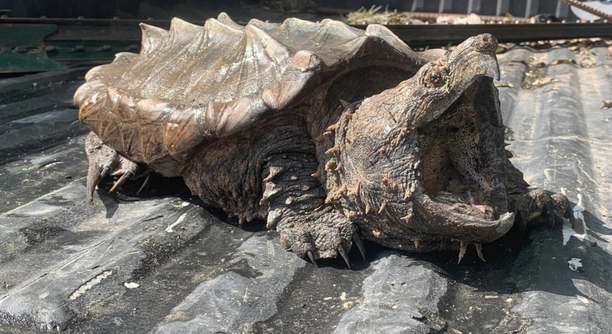
Alligator snapping turtles are fascinating creatures, but if yours seems to be avoiding the light, there could be several reasons for this behavior. Understanding these reasons can help you ensure your turtle’s well-being.
Alligator snapping turtles may avoid light due to factors such as stress, temperature regulation issues, or health concerns. Inadequate lighting, improper basking spots, or even an inappropriate habitat setup can also contribute to this behavior.
Recognizing the cause behind this behavior can guide you in creating a more comfortable environment for your turtle. Understanding these factors will help address your turtle’s needs and improve its overall health.
Stress or Fear Could Be the Reason
Turtles are sensitive to their environment, and stress can lead them to avoid light. Factors like sudden changes in their habitat, noise, or even interactions with other animals can cause distress. When a turtle feels threatened or uneasy, it may seek darkness as a way to feel secure and hidden.
If your turtle is consistently avoiding the light, it’s essential to evaluate its surroundings. Consider whether the tank is too noisy, crowded, or located in an area where it might feel vulnerable. Even slight changes in the environment can impact your turtle’s behavior.
Reducing stress is crucial for your turtle’s well-being. Start by keeping the tank in a quiet space, far from heavy traffic or loud sounds. Make sure the lighting setup is not too intense or harsh. This can help the turtle feel more secure and may encourage it to bask in the light as it should.
Temperature Fluctuations
Turtles rely on light for proper temperature regulation. If the temperature in their tank is unstable, they may avoid basking under the light.
Fluctuations in temperature can make turtles feel uncomfortable or unsafe. They may retreat into darker areas of the tank, seeking a more stable environment. It’s essential to maintain consistent temperatures in your turtle’s habitat to promote its comfort and health. A good way to do this is by using a reliable thermometer and heat lamps to ensure that the basking area is warm enough for your turtle.
Having a steady, warm basking spot is crucial for your alligator snapping turtle’s digestion and overall well-being. Turtles rely on heat to metabolize their food, and without the right temperature, they may not feel comfortable basking or eating. Keeping your tank’s temperature stable and suitable is vital.
Inadequate Lighting Setup
Turtles need proper lighting for both warmth and UVB exposure. If the lighting is weak or improperly positioned, your turtle may avoid it.
A common mistake is placing the light too far from the basking spot or using a bulb that doesn’t emit enough UVB rays. Turtles rely on UVB light to metabolize calcium, which is essential for their shell and bone health. Without proper UVB light, they may avoid basking in the light entirely.
To fix this, ensure that the light is positioned close to the basking spot. Use a bulb that provides both UVB and heat, and check regularly to ensure it’s functioning properly. This setup will help your turtle feel comfortable and encourage it to bask more frequently.
Health Issues
Sometimes, a turtle’s avoidance of light can be linked to an underlying health problem. Illness or injury may cause your turtle to seek darker, cooler places to rest.
If your turtle seems lethargic or is hiding more than usual, it could be dealing with a health issue. Respiratory infections, shell problems, or even parasites can affect your turtle’s behavior and make it avoid light. Health problems can weaken your turtle, making it less likely to bask under a heat lamp.
A visit to the vet can help diagnose any health issues. If you notice any unusual symptoms, such as swollen eyes or difficulty moving, addressing the health problem is key to helping your turtle feel better.
Wrong Habitat Size
If your turtle’s habitat is too small, it might feel crowded and stressed, causing it to avoid the light. Turtles need space to roam and feel safe.
A cramped tank can make your turtle feel trapped, leading it to seek out darker, hidden areas. It’s essential to provide enough room for your turtle to explore and rest comfortably. A larger tank will also give it the space it needs for basking under the light.
Ensure your tank is at least 75 gallons for an adult alligator snapping turtle. This will promote better behavior and overall health. A larger space gives them a proper environment to thrive and bask.
Poor Diet
An improper diet can lead to poor health and cause your turtle to avoid basking. Without the right nutrition, they may feel too weak or uninterested in light.
If your turtle’s diet lacks essential vitamins and minerals, it may struggle to maintain healthy energy levels. This could discourage it from basking or enjoying its light spot. Make sure your turtle is getting the proper food, including leafy greens, pellets, and occasional protein.
A balanced diet will help your turtle stay active and engaged, which can result in a more active basking routine. Proper nutrition supports its overall health, encouraging better behaviors.
FAQ
Why is my alligator snapping turtle hiding and avoiding the light?
There are several reasons why your alligator snapping turtle might avoid the light. It could be due to stress, temperature issues, poor lighting, or health concerns. Stress from environmental changes, loud noises, or overcrowded conditions can cause a turtle to seek darker, safer areas. If the temperature or light setup is not suitable for the turtle’s needs, it may retreat to avoid discomfort. Health problems, like respiratory infections or injuries, can also make your turtle seek shelter and avoid basking. Identifying the cause is important to address the issue effectively.
Can I use regular light bulbs for my turtle’s tank?
No, regular light bulbs do not provide the necessary UVB rays that turtles need for their health. Alligator snapping turtles require UVB lighting for proper calcium metabolism and shell health. A regular light bulb only provides heat and light, but not the essential UVB radiation. You should use a UVB bulb designed specifically for reptiles to ensure your turtle gets the proper light exposure. These bulbs help your turtle synthesize vitamin D3, which is crucial for absorbing calcium.
How can I tell if my turtle is sick?
Signs of illness in an alligator snapping turtle can include lethargy, lack of appetite, swollen or cloudy eyes, unusual hiding behavior, or difficulty moving. A turtle that is avoiding the light, staying in a corner, or not basking regularly might also be feeling unwell. If you notice any of these symptoms, it’s important to take your turtle to a vet who specializes in reptiles for a check-up. A vet can diagnose and treat any health issues, preventing further complications.
How often should I change the water in my turtle’s tank?
The water should be changed regularly to maintain a healthy environment for your turtle. It’s best to change 25-50% of the water every week. However, if the tank is heavily filtered and well-maintained, you may be able to go longer between changes. Keeping the water clean helps prevent bacteria build-up and ensures your turtle stays healthy. Always monitor the water’s temperature, pH, and cleanliness to ensure it’s safe for your turtle. Poor water quality can lead to skin infections and other health issues.
What kind of food should I feed my alligator snapping turtle?
An alligator snapping turtle’s diet should consist of a mix of animal protein, vegetables, and commercial turtle pellets. You can feed it insects, fish, shrimp, and worms, along with leafy greens such as kale and dandelion greens. Providing a variety of foods will ensure that your turtle gets all the necessary nutrients. You can also occasionally offer fruits like apples or berries, but they should not be the main part of the diet. A balanced diet will keep your turtle healthy and active.
What temperature should I keep my turtle’s basking area?
The basking area should be between 85-90°F (29-32°C). This allows your turtle to warm up properly and digest its food. If the basking area is too cold, your turtle may become sluggish and may avoid basking. The water temperature should be slightly cooler, typically around 75-80°F (24-27°C). This creates a comfortable environment for your turtle, where it can regulate its body temperature by moving between the water and the basking spot.
How do I know if my turtle’s tank is big enough?
A good rule of thumb is to provide at least 75 gallons of space for an adult alligator snapping turtle. The larger the tank, the better, as this gives your turtle more room to move around and reduces stress. A cramped tank can cause behavioral issues, such as hiding or avoiding the light. Make sure your tank is spacious enough for your turtle to swim, bask, and have its own space. If you have a baby turtle, you’ll need to upgrade the tank as it grows.
Can my turtle be kept with other animals?
It’s generally not recommended to house an alligator snapping turtle with other species due to its territorial nature. These turtles can be aggressive, especially toward smaller animals, and may attack or harm them. If you do decide to house them with other animals, make sure they are of similar size and temperament. It’s important to monitor the interactions closely. If your turtle seems stressed or aggressive, it’s best to house it alone to ensure it has a safe and comfortable environment.
Why is my turtle’s shell soft?
A soft shell can indicate a calcium deficiency, which is often caused by inadequate UVB lighting or an improper diet. Without enough calcium, your turtle cannot properly develop and maintain a strong shell. Ensure that your turtle is exposed to proper UVB light and is eating a balanced diet that includes calcium-rich foods. If you notice a soft shell, it’s important to address the problem right away by adjusting the lighting and diet. In severe cases, a vet may need to intervene.
How can I prevent my turtle from getting sick?
Maintaining a clean tank, providing a proper diet, and ensuring your turtle has the right temperature and lighting will help keep it healthy. Regularly change the water, monitor the turtle’s behavior, and check for any signs of illness. Proper nutrition, including a mix of animal protein, vegetables, and calcium, is also crucial for preventing health issues. A well-balanced environment promotes your turtle’s immune system, making it less susceptible to diseases and infections.
What should I do if my turtle isn’t eating?
If your turtle isn’t eating, it could be stressed, sick, or not feeling comfortable in its environment. Ensure that the temperature, lighting, and tank setup are appropriate. If you recently made changes to the habitat, your turtle might need time to adjust. If the problem persists, it’s best to consult a vet to rule out any health issues. Not eating could also be a sign of an underlying illness, such as a respiratory infection or shell rot, that needs attention.
Final Thoughts
Alligator snapping turtles are unique creatures with specific needs when it comes to their habitat and care. Understanding their behaviors, like avoiding light, is key to ensuring they live a healthy, comfortable life. Whether it’s adjusting the temperature, offering proper lighting, or making sure they have enough space, small changes can make a big difference in their well-being. By paying attention to their habits and health, you can prevent stress or discomfort that might cause your turtle to hide or avoid basking.
It’s also important to recognize that alligator snapping turtles are sensitive to their environment. Any changes, whether they are physical, like a new tank setup, or environmental, like a shift in lighting, can affect their behavior. If your turtle starts avoiding light or acting differently, it might be a sign that something needs to be adjusted. Regular checks of water quality, temperature, and lighting ensure that your turtle’s needs are met. Healthy eating habits are just as crucial; a proper diet will support their growth, strength, and overall vitality. A consistent routine of care can go a long way in keeping your turtle happy and active.
In the end, taking good care of an alligator snapping turtle involves creating a stable, safe, and comfortable environment for them. Whether you are providing the right lighting or addressing possible health concerns, your efforts to meet their needs will help ensure they thrive. Always pay attention to their body language and behaviors, and don’t hesitate to seek professional help if you suspect any issues. By staying informed and proactive, you can enjoy having a healthy, well-cared-for alligator snapping turtle as a companion for years to come.

Hello,
If you enjoy the content that we create, please consider saying a "Thank You!" by leaving a tip.
Every little bit helps us continue crafting quality advice that supports the health, happiness, and well-being of pets around the world, for pets of all shapes, sizes, and species.
We really appreciate the kindness and support that you show us!