
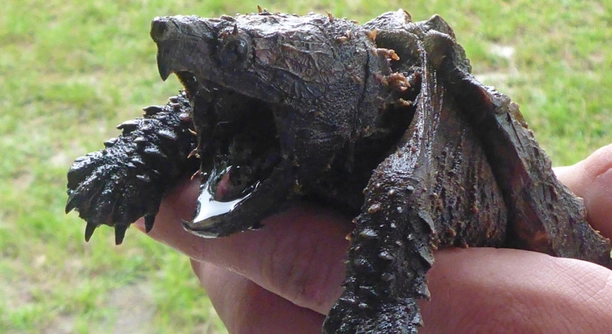
Alligator snapping turtles are fascinating creatures, but it can be hard to tell if they are feeling comfortable in their environment. Knowing how to spot signs of comfort can help ensure they are thriving in your care.
To determine if your alligator snapping turtle is comfortable, observe its behavior closely. Signs of comfort include steady movement, proper feeding, and a calm, relaxed posture. A turtle that feels safe and content will engage more actively in its surroundings.
Understanding these signs can help you improve the care and environment for your alligator snapping turtle. In the following sections, we’ll look at the key indicators to help you assess their well-being.
1. Steady Movement and Exploration
Alligator snapping turtles are known for their slow and deliberate movements, but when they’re comfortable, they may begin to move with more purpose. They might explore their habitat, swim around, or search for food. This steady activity shows that the turtle feels safe enough to be active. If a turtle is constantly staying in one spot or hiding, it may indicate that it is stressed or uncomfortable. Active movement, especially during feeding times, is a strong sign of comfort.
Turtles that feel comfortable will usually explore their tank or habitat regularly. This exploration is often a sign that the environment is to their liking and they are not feeling threatened or insecure.
In the wild, these turtles move through their environment to hunt and interact with their surroundings. In captivity, the same behavior shows that your turtle is mentally and physically engaged. You may notice them swimming around, checking out different hiding spots, or even looking for new areas to rest. If your turtle is displaying this behavior, it’s a good indicator that they are feeling secure and content with their space.
2. Eating Well and Regularly
Feeding behavior is another clear sign of comfort. A well-fed turtle that regularly eats is usually a content turtle. If your alligator snapping turtle is eating its meals without hesitation and consuming food consistently, it’s a good sign that it’s comfortable.
An alligator snapping turtle that enjoys its food is likely relaxed and in a stable environment. A lack of interest in food can sometimes signal discomfort or stress. Therefore, monitoring how often and how much your turtle eats is important for assessing its well-being.
These turtles are natural hunters, so if they’re actively eating, it shows they’re engaged with their surroundings and feel comfortable enough to forage or accept food from you. If the turtle is hesitant to eat, it could point to an environmental issue, stress, or health concerns. Be sure to observe whether the turtle responds well to food offerings. If not, make sure its environment is calm, clean, and providing the right nutrients.
3. Relaxed Posture and Behavior
A comfortable alligator snapping turtle will often rest in a relaxed position. Their body will not appear tense, and they won’t be constantly adjusting their position. If the turtle is curled up comfortably or resting in a relaxed posture, it’s likely feeling secure.
When the turtle is resting, pay attention to its posture. If the shell is slightly open or the legs are stretched out, this indicates relaxation. A stressed turtle will often keep its limbs tucked tightly in or stay in a defensive position. A calm, open posture is a sign of comfort.
Additionally, when the turtle is calm, it may bask under heat lamps or hide in their favorite spots. These actions help them feel safe and regulated. If your turtle spends time in these areas and doesn’t seem nervous, it’s a good sign that it feels comfortable in its environment. It’s important to watch for consistent calm behavior to ensure your turtle’s comfort.
4. Healthy Skin and Shell
The condition of the turtle’s skin and shell can give you insight into its well-being. If the shell is smooth, the skin appears vibrant, and there’s no visible damage, it usually means the turtle is in a good state of comfort. A healthy turtle will shed old skin regularly as part of its natural cycle.
A shell that appears smooth and intact without cracks or scarring indicates that the turtle is not suffering from stress. Regular shedding and skin health are signs that your turtle’s environment is supporting its growth and development. If the skin is peeling or the shell seems rough, it could be a sign of stress or poor living conditions.
It’s important to monitor the turtle’s shell for signs of fungal infections or other skin conditions. These can often arise from improper water quality or high stress levels. If your turtle’s shell and skin are consistently healthy, it’s a positive sign that the turtle feels comfortable in its environment and is thriving. Regular shell and skin care can also prevent long-term issues that might affect its comfort.
5. Active Breathing
Breathing is an important indicator of a turtle’s comfort. A comfortable alligator snapping turtle will breathe steadily and regularly. If the breathing becomes shallow or erratic, it could indicate stress or discomfort in its environment.
When breathing normally, the turtle will not appear strained, and its movements should be smooth and even. Fast or labored breathing may suggest that something in the environment isn’t right, such as water temperature or poor air quality.
Keep an eye on their breathing pattern to ensure it’s calm. If it changes drastically, make sure there are no underlying health issues.
6. Regular Shell Maintenance
Turtles that are comfortable will often maintain their shells. They may scrape them along rocks or bask in the sunlight to dry out and keep the shell clean. Healthy shell maintenance is a clear sign that the turtle is not stressed and feels secure enough to take care of itself.
Shell cleaning is an instinctive behavior that allows turtles to rid themselves of algae, bacteria, and other debris. This natural habit is something you can observe when the turtle has time to move around freely and rest. If the turtle appears unwilling to engage in this behavior, it may be a sign of discomfort.
Pay attention to how often your turtle is engaged in shell maintenance activities. A turtle that isn’t taking time to care for itself may be struggling with its surroundings or general well-being. Regular maintenance shows that the turtle is comfortable enough to care for its body and environment.
7. Calm Reaction to Handling
When a turtle feels comfortable, it will not react aggressively to handling. A calm response, such as not retracting into its shell immediately, shows that the turtle trusts its surroundings and the person interacting with it. However, some natural caution is expected, but over time, a relaxed reaction is key.
If your turtle responds to handling by staying calm or moving gently, it’s an indication that it feels secure. If it constantly tries to escape or shows signs of stress, like excessive movement or biting, this is a sign that it’s uncomfortable.
A calm and non-aggressive response is a positive indicator of your turtle’s comfort level. It’s important to create a safe, trusting environment where your turtle feels comfortable with human interaction. Frequent handling can help strengthen this bond, as long as it’s done gently and with care.
FAQ
How can I tell if my alligator snapping turtle is stressed?
Stress in an alligator snapping turtle can manifest in various ways. A stressed turtle may stay hidden for long periods or refuse to eat. Its movements could become sluggish or erratic, and it may retreat into its shell more often than usual. Additionally, if the turtle’s shell appears damaged or unhealthy, or if its skin becomes discolored, it might be experiencing stress. Environmental factors such as poor water quality, extreme temperatures, or an inadequate tank size can contribute to stress. Monitoring your turtle’s behavior and ensuring its habitat is clean and appropriate for its needs is important to reduce stress.
What should I do if my alligator snapping turtle isn’t eating?
If your alligator snapping turtle is not eating, first check the water conditions. Poor water quality can lead to a loss of appetite. Test the water’s temperature, pH, and filtration system. Make sure that the tank is clean and the turtle has access to food that’s fresh and suitable for its diet. If the turtle is still refusing to eat, it might be a sign of illness or stress. Sometimes, turtles can also stop eating during shedding. If this continues for an extended period, it’s best to consult with a veterinarian to rule out health issues.
Is it normal for my alligator snapping turtle to hide a lot?
Yes, it is normal for alligator snapping turtles to hide occasionally. They are solitary creatures in the wild and often seek shelter under logs or in murky water. However, if your turtle is hiding excessively and appears lethargic or refuses to come out for long periods, this could be a sign of stress, poor water quality, or illness. As long as your turtle is still eating and moving around occasionally, a bit of hiding is perfectly fine. Make sure the hiding spots in its tank are safe and comfortable.
How can I create a comfortable environment for my alligator snapping turtle?
Creating a comfortable environment for your turtle starts with ensuring proper water conditions. The tank should have a water temperature of about 72-78°F (22-25°C). Proper filtration is also necessary to maintain clean water. A basking area with appropriate heat (90-95°F) is important for thermoregulation. The tank should provide enough space for swimming and hiding, as turtles need room to explore. Make sure there are places where they can retreat and feel safe. Regular water changes and removing waste from the tank will ensure the turtle’s environment stays healthy and comfortable.
How often should I feed my alligator snapping turtle?
Alligator snapping turtles are opportunistic feeders, and their diet can vary. Juvenile turtles may need to eat more frequently, up to three times a week, while adult turtles usually only need food 2-3 times a week. Their diet should consist of a mix of animal proteins, such as fish, worms, and small mammals, along with some plant matter like aquatic plants. It’s important to avoid overfeeding as it can lead to obesity or other health issues. Regularly monitor your turtle’s body condition to ensure it is getting the right amount of food without overfeeding.
Can I keep my alligator snapping turtle with other turtles?
Alligator snapping turtles are solitary creatures by nature, and keeping them with other turtles can sometimes cause stress or aggression. They are territorial and may not tolerate other turtles, especially of the same species. If you do decide to house multiple turtles together, make sure the tank is large enough to provide space for each one to establish its own area. Watch for signs of aggression, such as biting or chasing, and be prepared to separate them if needed. It’s generally safer to keep them alone to prevent territorial disputes and ensure they feel secure.
What should I do if my alligator snapping turtle’s shell is damaged?
If your turtle’s shell is damaged, it’s important to act quickly. Minor scratches may heal on their own, but deep cracks or broken shells require immediate veterinary attention. A turtle’s shell is a critical part of its health and well-being, so any injury could lead to infection. A veterinarian specializing in reptiles can properly clean and treat shell damage. In the meantime, keep the turtle in a clean, stress-free environment to prevent further injury or infection. Avoid handling the turtle excessively until it has been properly treated.
Why is my alligator snapping turtle not basking?
Alligator snapping turtles need a basking area to regulate their body temperature. If your turtle is not basking, it could be due to inadequate lighting or the basking area being too cold. Ensure that the basking spot is around 90-95°F (32-35°C), and the UVB light is working properly. A lack of basking could also indicate that the turtle feels unsafe or stressed. If the tank is too small or overcrowded, the turtle may not feel secure enough to come up for air. Make sure the environment is comfortable and that the turtle has enough space to bask undisturbed.
How can I tell if my alligator snapping turtle is healthy?
A healthy alligator snapping turtle will have clear eyes, smooth skin, and a well-maintained shell. The turtle should be active, moving around the tank regularly, and eating a balanced diet. A healthy shell should not have cracks, deformities, or discoloration, and the skin should not appear inflamed or infected. Behaviorally, the turtle should respond to food offerings, move freely, and engage in normal activities like basking and swimming. Regular vet check-ups can help ensure that your turtle is in good health, especially if you notice any changes in its behavior or appearance.
Can my alligator snapping turtle live in a pond outside?
Alligator snapping turtles can live in outdoor ponds, provided the conditions are right. The pond should be large enough to allow the turtle to swim freely and have areas for basking. The water should be clean and well-filtered, with a consistent temperature that matches their needs (72-78°F). Be sure to monitor the pond for potential predators, such as raccoons or larger fish, that may harm the turtle. During colder months, ensure that the turtle is brought inside if the pond water gets too cold for their health.
Final Thoughts
Caring for an alligator snapping turtle involves observing their behavior and ensuring their environment is suitable for their needs. These turtles are unique creatures with specific requirements when it comes to temperature, space, and food. By paying attention to their movements, eating habits, and overall condition, you can tell if they are comfortable or experiencing stress. A comfortable turtle will be more active, have a relaxed posture, and maintain its shell and skin. It’s essential to provide a proper habitat that mimics their natural environment as much as possible to help them thrive.
The key to keeping an alligator snapping turtle happy is consistency. Regularly check the water quality, temperature, and lighting to ensure everything is ideal for your turtle. It’s also important to feed them the right diet, which can vary depending on their age and size. Monitoring their eating habits will tell you a lot about their comfort level. If they stop eating, it could be a sign of stress, health issues, or that their habitat needs adjustments. A healthy turtle will eat regularly and stay active in its environment.
Finally, creating a comfortable and stress-free environment is crucial for the well-being of your alligator snapping turtle. They thrive in spaces that allow them to move, hide, and bask when needed. If you notice any signs of discomfort, such as a lack of eating, erratic behavior, or unhealthy shell or skin conditions, it’s important to take action immediately. Consulting with a veterinarian, especially if the behavior persists, is always a good idea. With the right care and attention, your alligator snapping turtle will live a long and healthy life in your care.

Hello,
If you enjoy the content that we create, please consider saying a "Thank You!" by leaving a tip.
Every little bit helps us continue crafting quality advice that supports the health, happiness, and well-being of pets around the world, for pets of all shapes, sizes, and species.
We really appreciate the kindness and support that you show us!