
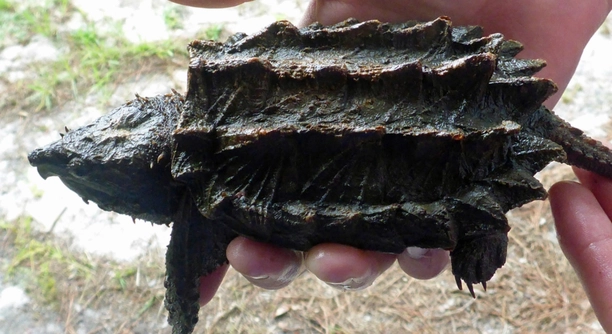
Alligator snapping turtles are fascinating creatures, but they can often display nervous behaviors. If your turtle seems particularly skittish, there are several steps you can take to help it feel more at ease in its environment.
To make your alligator snapping turtle less skittish, it’s important to focus on creating a calm, predictable environment. Minimizing sudden movements, providing adequate hiding spaces, and maintaining consistent water temperature can reduce stress and help your turtle feel more secure.
By making simple changes, you can improve your turtle’s comfort and encourage a more relaxed demeanor. This guide will offer tips to create the right environment for a less skittish and happier turtle.
Creating a Safe and Quiet Environment
The first step in helping your alligator snapping turtle feel less skittish is ensuring its environment is calm and secure. Turtles are sensitive to loud noises and sudden movements, so it’s crucial to maintain a quiet space around their tank. Any sudden sounds or motions can startle them and increase anxiety. Try to keep their habitat away from high-traffic areas in your home where they might feel disturbed. Having a consistent, peaceful setting will help your turtle relax and adapt better to its surroundings. A secure, quiet environment also reduces the stress levels that can cause nervous behavior.
You should also avoid tapping on the glass of the tank. This action can feel threatening to your turtle and might make it retreat into its shell or become more agitated. The more you can minimize disturbances, the better your turtle will respond to its environment.
Alligator snapping turtles feel safer when they can rest in a secure space without interruptions. It’s also important to ensure that their tank is not too small or overcrowded. A tank that is too cramped can make your turtle feel confined and more prone to stress. Make sure they have plenty of room to move and explore, which will also help them become more confident. With a few simple adjustments to their habitat, you can help your turtle feel more at ease in its new home.
Proper Lighting and Temperature
Proper lighting and temperature are vital for reducing stress in alligator snapping turtles. These turtles thrive in environments with the right balance of heat and light. It’s essential to maintain a consistent water temperature of around 75 to 80°F. Using an aquarium heater can help regulate the temperature, ensuring your turtle stays comfortable. The water should also be kept clean to avoid unnecessary stress, as dirty water can lead to health issues and anxiety.
Heat lamps can also provide your turtle with the necessary warmth to regulate its body temperature. Alligator snapping turtles need both basking areas with appropriate heat and cooler, shaded spots. This temperature variation helps them feel secure and comfortable. Always monitor the temperature to avoid sudden shifts, as drastic changes can cause stress and discomfort. The key is to keep the environment stable so your turtle doesn’t feel threatened by fluctuations.
Ensuring these environmental factors are met allows your turtle to feel more comfortable and reduces skittish behavior. This stability is crucial for their overall well-being.
Hiding Spots and Enrichment
Providing plenty of hiding spots is essential for making your alligator snapping turtle feel secure. Turtles are naturally shy and prefer having places to retreat when they feel stressed. Adding caves, large rocks, or submerged logs to their tank will give them safe spots to hide. This will allow your turtle to control when it interacts with the outside world, which is important for reducing anxiety.
The more varied the hiding spots, the better. A mix of both natural-looking and artificial hiding places gives your turtle options. Make sure the spots are accessible but not too cramped. The goal is to offer an environment where the turtle feels safe enough to explore and not be overwhelmed by constant exposure. With these hiding areas in place, your turtle will be able to manage its interactions and feel more comfortable.
Turtles also appreciate spaces where they can swim freely, so leave enough open space for movement. It’s important not to overcrowd the tank with too many objects, as it could make your turtle feel trapped. With the right balance, your turtle will enjoy its habitat without feeling stressed.
Consistent Feeding Schedule
A consistent feeding schedule is key for reducing stress in your alligator snapping turtle. By feeding your turtle at the same time every day, it learns to anticipate meals and feel secure. This routine helps eliminate any surprises that might otherwise startle your turtle.
Feeding should be done in a quiet, calm environment, away from distractions. Offer a balanced diet of live or frozen food like fish, worms, and shrimp. Avoid overfeeding, as this can cause discomfort. Instead, focus on providing the right portion size for your turtle’s age and size.
Keeping the feeding schedule consistent will not only reduce anxiety but also help maintain your turtle’s health. Consistency in diet is an important aspect of ensuring your alligator snapping turtle feels more relaxed and less skittish.
Minimize Handling
Limiting handling is essential for an alligator snapping turtle’s comfort. These turtles prefer minimal interaction and can become skittish if handled too often. Handling should be done only when necessary, such as during tank cleaning or health checks. Avoid frequent touching as it can cause stress.
When you do need to handle your turtle, make sure to do so gently and slowly. Sudden movements can startle them and increase their anxiety. Always support your turtle’s body properly to prevent injury and avoid forcing them into situations they’re not comfortable with. By minimizing unnecessary handling, your turtle will feel more secure and less skittish over time.
Regular Tank Maintenance
Maintaining a clean tank is a critical factor in reducing stress for your turtle. Alligator snapping turtles need a clean, well-filtered environment to thrive. Dirty water can cause discomfort and anxiety, leading to increased skittish behavior. Regularly clean the tank and replace the water to maintain a healthy habitat.
Ensure the filtration system is strong enough to handle the size of the tank. A proper filtration system will keep the water clear and reduce the chances of harmful bacteria developing. Also, remove uneaten food promptly to avoid water contamination. Keeping the tank in top condition helps reduce stress, allowing your turtle to live in a peaceful environment.
Quiet Tank Location
Choosing the right location for the tank can also have a significant impact on your turtle’s behavior. Place the tank in a quiet area of your home, away from noise and distractions. Turtles are naturally sensitive to loud sounds, and an environment with too much activity can make them nervous.
Ideally, the tank should be placed in a low-traffic area where it won’t be disturbed by sudden noises or movements. Make sure the tank is also positioned in a spot where it gets adequate light but isn’t exposed to too much direct sunlight. This will help keep your turtle comfortable and less skittish.
FAQ
How can I tell if my alligator snapping turtle is stressed?
Signs of stress in an alligator snapping turtle can include erratic swimming, hiding excessively, and refusal to eat. If your turtle stays in its shell for extended periods or seems unusually aggressive, this could be a sign of anxiety. Additionally, changes in behavior, like pacing or being overly skittish when approached, might indicate stress.
Can alligator snapping turtles be kept with other turtles?
Alligator snapping turtles can sometimes be kept with other turtles, but it depends on the species. These turtles are solitary creatures and may become territorial, especially when food is involved. If you’re considering housing multiple turtles, it’s best to monitor them closely to ensure no aggressive behavior develops.
How often should I feed my alligator snapping turtle?
Feeding your alligator snapping turtle about 2-3 times a week is ideal for most adults. Juveniles may need to be fed more frequently, around 4-5 times a week. Be sure to offer a variety of foods, including fish, worms, and shrimp, to keep your turtle healthy and satisfied.
What is the best tank size for an alligator snapping turtle?
A minimum tank size of 75 gallons is recommended for an adult alligator snapping turtle. Younger turtles can be kept in smaller tanks but will need larger spaces as they grow. Providing enough room for swimming and basking will help reduce stress and ensure your turtle’s well-being.
What should I do if my turtle refuses to eat?
If your alligator snapping turtle refuses to eat, check for any changes in the environment, such as water temperature, tank cleanliness, or stress from handling. Sometimes, turtles may also go through phases of fasting. However, if the refusal to eat persists, it may be best to consult with a vet to rule out any health issues.
How can I make my alligator snapping turtle more comfortable in its new tank?
To help your turtle settle into its new tank, make sure to provide plenty of hiding spots and maintain a consistent temperature. Avoid frequent handling and give your turtle time to adjust to its new environment. Gradually introduce it to its new surroundings and keep the tank quiet to minimize stress.
What kind of lighting does my alligator snapping turtle need?
Alligator snapping turtles need both UVB lighting for basking and heat lamps to maintain a warm environment. The basking area should be around 90°F, and the water temperature should be between 75-80°F. Ensure the light is on for 10-12 hours a day to mimic natural day/night cycles.
Is it necessary to use a filter for the tank?
Yes, using a filter in the tank is crucial for keeping the water clean and reducing stress. Alligator snapping turtles produce waste that can quickly foul the water. A good filtration system will help maintain water quality, prevent bacteria buildup, and keep your turtle healthier. Be sure to clean the filter regularly.
Can I let my alligator snapping turtle roam outside of the tank?
It’s generally not recommended to let your alligator snapping turtle roam outside of its tank, especially in an uncontrolled environment. These turtles can be sensitive to temperature changes and predators. If you do let your turtle roam, always supervise them and ensure they are in a safe, temperature-controlled area.
How can I handle my alligator snapping turtle without causing stress?
When handling your alligator snapping turtle, always move slowly and gently. Avoid sudden movements, as these can startle them. Support their body fully and never force them into your hands. It’s best to handle them only when necessary and avoid excessive handling to keep stress levels low.
Why does my alligator snapping turtle hide so much?
Alligator snapping turtles are naturally shy and will often seek out hiding spots when they feel threatened or stressed. Hiding is a way for them to feel safe and secure. If your turtle is hiding more than usual, check the tank environment for anything that might be causing distress, like water temperature fluctuations or excessive noise.
Do alligator snapping turtles need a basking area?
Yes, alligator snapping turtles need a basking area where they can dry off and soak up some heat. The basking spot should be warm and dry, with an appropriate light source. This is necessary for their health, as it helps with shell maintenance, digestion, and overall well-being.
What should I do if my alligator snapping turtle becomes aggressive?
Aggression in an alligator snapping turtle can be due to territorial behavior or stress. If your turtle is being aggressive, check for any changes in its environment that could be causing discomfort, such as overcrowding or loud noises. Provide more hiding spots and limit handling to help ease aggression.
Is it okay to keep my alligator snapping turtle alone?
Yes, alligator snapping turtles are solitary creatures by nature. They do not require the company of other turtles and may even become stressed by the presence of tank mates. It’s perfectly fine to keep a single turtle in its tank, ensuring it has ample space and enrichment.
How long do alligator snapping turtles live?
Alligator snapping turtles can live for several decades, with an average lifespan of 30-50 years in captivity. Some turtles have been known to live longer with proper care, a stable environment, and a balanced diet. Regular check-ups and maintaining good tank conditions can help extend their life.
How can I tell if my alligator snapping turtle is sick?
Signs that your alligator snapping turtle might be sick include lethargy, loss of appetite, abnormal swimming behavior, and changes in the appearance of its shell or skin. If you notice any of these signs, it’s important to consult a veterinarian who specializes in reptiles for a proper diagnosis and treatment plan.
Final Thoughts
Caring for an alligator snapping turtle requires attention to detail and patience. These creatures are unique and have specific needs, including proper tank size, water quality, and feeding habits. By ensuring their environment is suitable, you can help reduce stress and improve their overall health. Regular maintenance of their habitat, along with understanding their natural behaviors, can make a significant difference in their well-being. These turtles are resilient, but providing the right care will allow them to thrive for many years.
When handling alligator snapping turtles, it’s essential to respect their space and approach them gently. Overhandling or sudden movements can cause stress, so minimal interaction is best. Instead, focus on maintaining their habitat, offering a proper diet, and ensuring they have places to hide when they feel threatened. They are solitary animals by nature, so keeping their tank environment quiet and stable is key to preventing stress. With the right care, they will adjust well to captivity and exhibit natural behaviors that reflect their comfort.
In conclusion, the alligator snapping turtle is a fascinating reptile that requires specific care to thrive. By focusing on their habitat, diet, and behavior, you can create a healthy environment for them. Remember to stay patient and observant, making any necessary adjustments to their care routine as needed. Their unique personalities make them rewarding pets, and with proper care, they can live a long, healthy life.

Hello,
If you enjoy the content that we create, please consider saying a "Thank You!" by leaving a tip.
Every little bit helps us continue crafting quality advice that supports the health, happiness, and well-being of pets around the world, for pets of all shapes, sizes, and species.
We really appreciate the kindness and support that you show us!