
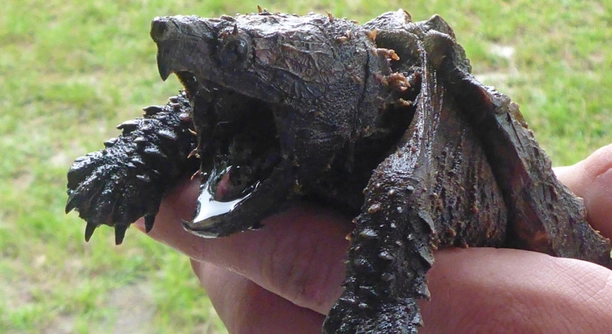
Alligator snapping turtles are fascinating creatures that make unique pets. When setting up their tank, it’s important to choose decorations that are safe for them. This ensures a healthy and comfortable environment for these ancient reptiles.
There are several natural decorations that are safe for alligator snapping turtles. Some of the best options include smooth rocks, driftwood, aquatic plants, and substrate that mimic their natural habitat. These items provide both enrichment and a safe environment.
Choosing the right decorations for your turtle tank is essential for their well-being. Natural elements can enhance their environment and improve their overall health. Keep reading to learn which decorations work best for alligator snapping turtles.
Smooth Rocks: A Natural Addition to Your Turtle Tank
Smooth rocks are an excellent addition to an alligator snapping turtle’s tank. They mimic the rocky riverbeds these turtles are naturally found in, providing a sense of security and comfort. These rocks can be used to create hiding spots or even platforms where your turtle can bask. Smooth rocks are also non-toxic, making them safe for your turtle to interact with.
By adding smooth rocks, you provide a solid foundation for your turtle’s environment. They help to maintain the tank’s structure and create a more natural space for your pet. Additionally, rocks won’t deteriorate in water like some other materials, making them durable and long-lasting. They are also simple to clean and maintain, ensuring that your turtle’s tank remains healthy.
You can place smooth rocks in various areas of the tank to create space for your turtle to explore. These stones can be stacked to create more surface area or arranged to provide shade and cover. As a bonus, rocks help maintain proper water filtration by preventing excess debris from settling in the tank.
Driftwood: A Safe and Enriching Option
Driftwood adds a natural element to your turtle’s habitat.
Driftwood provides alligator snapping turtles with hiding spots and climbing areas, encouraging natural behaviors. Ensure that it is thoroughly cleaned before placing it in the tank. When choosing driftwood, be sure it is free of harmful chemicals or sharp edges. Over time, driftwood can also serve as an excellent breeding ground for beneficial bacteria, contributing to a balanced aquatic environment.
In addition to the practical benefits, driftwood gives your turtle a space to feel secure, which can help reduce stress. The wood mimics the logs and submerged debris they would encounter in the wild. The texture of the wood also aids in claw maintenance, as turtles often rub their shells and claws against objects like driftwood.
Aquatic Plants: Natural and Beneficial
Aquatic plants offer more than just decoration. They provide shelter, increase oxygen levels, and help improve water quality. Plants like water lettuce, Java ferns, and duckweed can thrive in turtle tanks, offering a safe environment for your turtle to explore and hide.
Plants also serve as a food source for some turtles, adding variety to their diet. They help create a more balanced ecosystem by absorbing excess nutrients from the water. Be sure to choose plants that are non-toxic and can withstand the turtle’s activity. Plants that float on the water’s surface provide shade and comfort to your turtle, creating hiding places that make them feel safe.
A healthy plant system can also help to keep your tank clean. As they grow, plants filter the water, which reduces algae growth and improves the overall water quality. While some turtles may nibble on plants, the right varieties will flourish and continue to provide both aesthetic and functional benefits in your turtle’s habitat.
Substrate: The Foundation of Your Turtle’s Tank
The right substrate can make all the difference in a turtle’s tank.
Choosing a safe substrate is essential for creating a natural environment. Gravel or smooth sand is ideal, as it doesn’t pose any harm to your alligator snapping turtle. Avoid sharp-edged materials that can cause injury to their soft underbellies or shells. A proper substrate also helps in mimicking the natural habitat, where turtles tend to burrow and sift through the soil in search of food.
A good substrate ensures that your turtle has a comfortable space to roam and burrow. It helps create a more natural environment by supporting the plants and rocks in the tank. It also contributes to a more stable water temperature, as the substrate retains heat, making it easier for your turtle to regulate its body temperature.
Rocks with Holes: Great Hiding Spots
Rocks with holes create safe spaces where your turtle can hide and feel secure. These rocks offer a place to retreat and reduce stress in their environment. Make sure they are stable and won’t tip over easily when the turtle interacts with them.
These rocks also provide a chance for your turtle to explore. The holes encourage natural curiosity and offer areas to swim through or climb. The added texture of these rocks helps maintain healthy claws and provides a natural surface that your turtle would encounter in the wild.
Natural Logs: Perfect for Climbing and Basking
Logs are ideal for your alligator snapping turtle’s tank. They provide both a climbing surface and a basking spot. Your turtle can rest on top of a log, enjoying a break from swimming, or use the log to stretch out in a different way.
Logs also mimic the fallen trees and branches that turtles would find in the wild. They add a natural touch while giving your turtle more opportunities for physical activity. Be sure to choose logs that are sturdy and free of sharp edges. They should be smooth and safe for your turtle to climb.
Sand: Safe and Comfortable Substrate
Sand is a great choice for your turtle’s tank. It gives them a soft, natural environment that they would enjoy in the wild.
The soft texture of sand allows for easier digging and burrowing. It’s important to choose non-toxic sand that doesn’t contain harmful chemicals. Sand can also support aquatic plants, creating a balanced ecosystem within the tank.
FAQ
What types of rocks are safe for alligator snapping turtles?
Smooth, rounded rocks are the best choice for your alligator snapping turtle’s tank. Avoid rocks with sharp edges that could injure your turtle. Slate or river rocks work well, as they provide a natural look and are non-toxic. Always ensure that the rocks are heavy enough so they won’t shift or topple when your turtle interacts with them.
Can I use live plants in my turtle tank?
Yes, live plants can be a great addition to your turtle tank. Plants like Java fern, water lettuce, and Anubias are safe and provide shelter for your turtle. They also help maintain good water quality by absorbing excess nutrients. Make sure to research any plants before introducing them to ensure they won’t harm your turtle.
Is it okay to use driftwood in the tank?
Driftwood is generally safe for alligator snapping turtles. It provides a natural look and serves as a climbing and basking spot. Be sure the wood is cleaned properly before adding it to the tank. Also, check that the driftwood is free from harmful chemicals or sharp edges that could cause injury.
How often should I change the substrate in my turtle tank?
Substrate changes should be done periodically to maintain a clean tank. Depending on the size of your tank and the type of substrate, changing the substrate every 6 to 12 months is a good guideline. Regular maintenance, such as vacuuming the substrate and monitoring water quality, can reduce the frequency of full substrate changes.
Are there any plants I should avoid in a turtle tank?
Some plants can be harmful to turtles, so it’s important to avoid any that may be toxic. For example, avoid using plants like Azolla or Poison Ivy. Always research plants before adding them to your turtle’s habitat. If you’re unsure, stick with well-known, safe varieties like duckweed, water lettuce, or hornwort.
Can I put sand in my turtle tank?
Yes, sand can be used in your turtle tank as long as it is fine and non-toxic. Avoid using playground or construction sand, which may contain harmful additives. Special aquarium sand or fine river sand is safer for turtles and provides a natural, comfortable substrate for digging and burrowing.
Do alligator snapping turtles need a basking spot?
Yes, alligator snapping turtles benefit from having a basking area. These turtles are ectothermic, meaning they rely on external heat sources to regulate their body temperature. Providing a basking platform or log under a heat lamp helps maintain proper temperature regulation, which is vital for their digestion and overall health.
Can I add decorations like plastic plants or figures?
Plastic decorations can be a risk for your alligator snapping turtle, especially if they have sharp edges. It’s best to avoid using plastic figures or sharp decorations, as they can cause injury to your turtle. Opt for natural materials like smooth rocks, driftwood, or live plants to ensure safety and comfort for your pet.
How do I ensure my turtle tank has the right water temperature?
Maintaining the proper water temperature is crucial for your turtle’s health. Alligator snapping turtles require a water temperature between 72°F and 78°F (22°C to 25°C). A submersible heater can help regulate the water temperature, and a thermometer placed in the tank will allow you to monitor it closely.
Can I put my alligator snapping turtle in a tank with other species?
It’s generally not recommended to house alligator snapping turtles with other species. They can be territorial and may become aggressive towards smaller tank mates. If you do want to try cohabitation, ensure the tank is large enough, with plenty of hiding spaces for both species, and monitor their interactions closely. Always research the other species’ compatibility before introducing them.
What size tank is appropriate for an alligator snapping turtle?
Alligator snapping turtles require a large tank due to their size and active nature. A tank size of at least 75 gallons is ideal for a single turtle. Larger tanks are better, especially if you plan to keep other turtles or aquatic creatures. A spacious environment will allow your turtle to move freely and stay healthy.
Is it necessary to filter the water in a turtle tank?
Yes, a filter is essential for keeping the water clean and maintaining good water quality. Turtles produce a lot of waste, and a high-quality filter will help reduce toxins and keep the environment safe. Be sure to use a filter rated for a tank larger than the one you have, as turtles require powerful filtration systems.
Can I use ceramic decorations in a turtle tank?
Ceramic decorations can be safe for turtles as long as they are smooth and free from sharp edges or small parts that may break off. Make sure that the ceramic decorations are non-toxic and designed for aquarium use. Avoid anything with paint or glaze that may release harmful substances into the water.
How can I keep my turtle tank clean?
To keep the tank clean, perform regular water changes, remove uneaten food, and clean the filter regularly. A gravel vacuum can help remove debris from the substrate without disturbing the turtles. Additionally, having live plants and a proper filtration system can reduce the amount of waste in the water. Regular tank maintenance is key to a healthy environment.
Final Thoughts
Choosing natural decorations for your alligator snapping turtle’s tank is an important step in creating a comfortable and healthy environment. Smooth rocks, driftwood, and aquatic plants are great options that not only enhance the look of the tank but also provide practical benefits. These elements mimic the turtle’s natural habitat, giving them a sense of security and places to explore. It’s essential to pick decorations that are non-toxic and safe, as these turtles are very active and interact with their surroundings regularly.
Keeping the tank clean and maintaining water quality is crucial for your turtle’s health. Regular water changes, along with a strong filtration system, will help create a safe and clean environment. Natural elements like plants can assist with water filtration, helping to reduce algae growth and maintain proper balance. Choosing a proper substrate and making sure decorations are free from sharp edges or harmful chemicals will also contribute to a safe living space for your turtle.
In the end, it’s about providing your alligator snapping turtle with an environment that supports its natural behaviors and needs. A well-planned tank will help reduce stress and promote better health. Every turtle is different, and observing how they interact with their tank setup can guide you in making adjustments. With the right care, your alligator snapping turtle will thrive in its new home, enjoying a comfortable and stimulating space.

Hello,
If you enjoy the content that we create, please consider saying a "Thank You!" by leaving a tip.
Every little bit helps us continue crafting quality advice that supports the health, happiness, and well-being of pets around the world, for pets of all shapes, sizes, and species.
We really appreciate the kindness and support that you show us!