
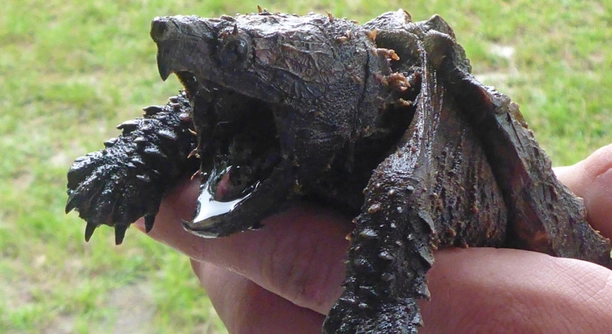
Is your alligator snapping turtle’s water turning green? This common problem can be frustrating, especially if you’re unsure why it’s happening. Understanding the factors at play is key to maintaining a healthy habitat for your turtle.
Green water in your alligator snapping turtle’s tank is usually caused by excess algae growth, which thrives in warm, nutrient-rich water. This can be a result of poor water circulation, overfeeding, or too much light exposure, among other factors.
Addressing these issues will help keep your turtle’s environment clean and safe. Let’s go over the most common reasons for green water and how to prevent it from happening again.
Excessive Algae Growth
Green water is often caused by algae. Algae thrive in tanks with stagnant or warm water, where nutrients are abundant. When these tiny organisms multiply rapidly, they create a green tint in the water. Algae feed off the excess nutrients like fish waste, uneaten food, and plant debris. These nutrients are common in tanks that aren’t cleaned or filtered regularly.
When algae bloom, they can cloud the water, blocking the light your turtle needs to feel comfortable. This can stress them out and lead to other health problems. Additionally, if left unchecked, algae can reduce the oxygen levels in the water, making it harder for your turtle to breathe. Keeping the water clean is vital to avoid this problem.
Invest in a good filtration system that helps remove excess nutrients. Regular water changes will also reduce algae growth. A tank with proper filtration and circulation will provide your snapping turtle with a much healthier environment. Be sure to also clean decorations and the tank walls to remove any algae buildup.
Overfeeding Your Turtle
Overfeeding is another common problem that leads to algae growth. If too much food is given, not all of it will be eaten. Leftover food breaks down, releasing nutrients that algae feed on. This causes water quality to decrease and encourages the growth of algae.
Make sure you only feed your turtle the amount it can eat in one sitting. You can remove any uneaten food to prevent it from decomposing in the water. Avoid leaving food in the tank for too long, as this only adds unnecessary nutrients to the water.
Poor Water Circulation
A lack of water circulation can cause algae to thrive. Without good water movement, it becomes easier for algae to settle and multiply. Poor circulation also means debris and waste can accumulate, adding nutrients to the water that algae love.
Installing a proper water pump or filter helps keep the water moving and prevents stagnant areas. This movement makes it harder for algae to form clumps. A good filter system also removes debris and helps maintain clean water. Make sure your filter is appropriate for the size of your turtle’s tank to improve water quality and reduce algae buildup.
Keep in mind that turtles are messy creatures, and their waste can quickly dirty the water. Regular water changes, along with proper circulation, will ensure a clean tank environment. By improving water flow, you’ll prevent algae from growing out of control and keep your turtle’s habitat healthy.
Excessive Light Exposure
Too much light can also cause your turtle’s water to turn green. Algae need light to grow, and if the tank is in a sunny spot or exposed to artificial light for too long, it will encourage algae growth.
Make sure your turtle’s tank isn’t placed in direct sunlight, as this promotes algae growth. If your tank has lights, limit their use to around 10-12 hours per day. This will help control the light exposure and prevent algae from thriving. Be mindful of the type of light used, as some lights promote algae growth more than others.
By adjusting the lighting in your turtle’s tank, you can reduce the algae problem and keep the water clear. A timer for the lights helps maintain a proper day-night cycle and keeps things in balance for your turtle’s environment.
Poor Water Quality
If the water in your turtle’s tank is consistently poor, it will lead to algae growth. High levels of ammonia, nitrites, and nitrates from waste can provide algae with all the nutrients it needs to thrive. Regularly test the water for these toxins.
Changing the water frequently and using a high-quality filter will keep harmful toxins from building up. The cleaner the water, the harder it is for algae to grow. Be sure to monitor water quality regularly, especially in a smaller tank. A good water-testing kit is key to maintaining healthy water.
Lack of Tank Maintenance
Neglecting regular tank maintenance can lead to all sorts of problems, including green water. Without routine cleaning, leftover food, debris, and waste can accumulate, contributing to poor water quality and algae blooms.
Set aside time to clean your turtle’s tank regularly. This includes wiping down surfaces, changing the water, and cleaning the filter. By keeping things tidy, you’ll help prevent algae growth and create a healthier environment for your turtle. Regular maintenance is essential for a balanced tank.
Presence of Live Plants
Live plants can provide shelter for your turtle, but they also play a role in water quality. They help absorb excess nutrients from waste, reducing the chances of algae growing. However, plants can become overgrown and add to the nutrient load if not maintained properly.
Make sure to trim and clean any plants in your turtle’s tank regularly. This prevents them from decaying and releasing nutrients that algae feed on. Healthy plants can improve water quality and help balance out the ecosystem in your turtle’s tank.
FAQ
Why is my alligator snapping turtle’s water green?
Green water is often caused by an algae bloom. Algae grow when there’s an excess of nutrients in the water, such as leftover food, turtle waste, or decaying plants. It’s a sign that the water needs better filtration or more frequent cleaning. If your turtle tank gets a lot of light, that can also encourage algae growth. Adjusting water quality, reducing light exposure, and improving water circulation can help clear it up.
How do I prevent algae in my turtle’s tank?
To prevent algae growth, focus on maintaining clean water by using an efficient filter, cleaning the tank regularly, and limiting light exposure. Make sure to remove any uneaten food after each feeding to avoid adding excess nutrients to the water. You can also use algae-eating creatures, like snails, to help control algae naturally.
How often should I change my turtle’s water?
You should change your turtle’s water regularly to prevent toxins and debris from building up. For smaller tanks, water changes should be done every week. Larger tanks with efficient filtration can be changed every two to three weeks. However, always monitor water quality and adjust based on your specific tank’s needs.
Can overfeeding cause green water in my turtle’s tank?
Yes, overfeeding is a common cause of green water. When you give your turtle more food than it can eat, the uneaten food decomposes and adds extra nutrients to the water. These nutrients feed algae, causing it to multiply and turn the water green. Stick to appropriate portions during feeding to avoid this problem.
What can I do if the water turns green even after cleaning the tank?
If the water continues to turn green despite regular cleaning, you may need to check the filtration system. An underpowered or clogged filter can’t properly clean the water. Consider upgrading to a stronger filter, or clean the current filter regularly to ensure it’s working efficiently. Adding plants or algae-eating snails can help, too.
Is it harmful to my turtle if the water is green?
Green water itself isn’t necessarily harmful, but it can indicate poor water quality. Excess nutrients in the water can lead to an imbalance in the tank’s ecosystem, which may stress your turtle. Low oxygen levels or a buildup of toxins can also affect your turtle’s health. It’s important to address the green water issue to ensure your turtle stays healthy.
Can algae grow in my turtle’s tank even if I don’t use a filter?
Yes, algae can still grow without a filter. A filter helps remove waste and excess nutrients that algae feed on, but without it, those nutrients can accumulate in the water. Regular cleaning and water changes become even more crucial if you don’t have a filter. You’ll also want to monitor water quality closely.
Are there any plants that can help prevent green water?
Yes, live plants can help absorb nutrients in the water, making it harder for algae to grow. Plants like java moss, anubias, or water lettuce are great for maintaining a clean tank. They also provide hiding spots and food for your turtle. However, make sure to trim and maintain plants to prevent them from becoming overgrown and releasing excess nutrients.
How can I clean algae off the tank walls?
To clean algae off the walls of the tank, you can use an algae scraper or a soft sponge. Avoid using harsh chemicals, as they can harm your turtle. Scrape off the algae gently, then do a water change to remove any floating particles. Regular cleaning will keep the tank clear and prevent future algae buildup.
Can I use chemicals to remove algae?
While there are chemical treatments available for removing algae, they should be used sparingly. Some chemicals can harm your turtle or disrupt the tank’s ecosystem. It’s better to focus on preventive measures, such as adjusting light exposure, improving filtration, and maintaining good water quality. If chemicals are necessary, make sure they are turtle-safe and follow the instructions carefully.
Is sunlight the main cause of algae in my turtle’s tank?
Direct sunlight can indeed be a major factor in algae growth. If the tank gets too much natural light, it creates the perfect environment for algae to thrive. Consider moving the tank to a less sunny spot and limiting the amount of artificial light it gets. This can help control algae growth without harming your turtle.
How do I know if my filter is working properly?
If your water is still turning green or the tank is cloudy, your filter may not be working effectively. Check the filter to see if it’s clogged or dirty. A strong, efficient filter should be able to keep the water clear by removing waste and debris. It might be time to replace or clean the filter if it’s not functioning well.
Do I need to remove my turtle during water changes?
It’s not always necessary to remove your turtle during water changes, but it’s a good idea if you’re cleaning or adding chemicals to the water. If you’re only changing a portion of the water, your turtle should be fine. Be sure to treat the water to remove chlorine or other harmful substances before your turtle returns to the tank.
Can I use UV sterilizers to clear green water?
Yes, UV sterilizers can help reduce algae growth in your turtle’s tank. These devices kill algae and bacteria by using ultraviolet light. They are effective at controlling green water, especially in tanks with heavy algae blooms. However, UV sterilizers should be used as part of a complete tank maintenance routine, not as a substitute for proper cleaning and water changes.
Final Thoughts
Maintaining clean water in your alligator snapping turtle’s tank is crucial for its health and well-being. Green water is often a sign of an underlying issue, such as excess algae growth. This can be caused by a variety of factors, including overfeeding, poor water circulation, excessive light exposure, or a lack of proper filtration. Addressing these issues and making simple changes can help ensure that your turtle’s environment remains clean and comfortable. Regular water changes, proper filtration, and careful feeding are essential practices that will keep the water clear and reduce the chances of algae growth.
By understanding the common causes of green water, you can take steps to prevent and resolve the problem. It’s important to monitor the water quality regularly and adjust factors like lighting and water circulation as needed. Overfeeding should be avoided, as uneaten food can contribute to the excess nutrients that algae thrive on. Cleaning the tank regularly and checking the filter will ensure that harmful toxins, like ammonia and nitrates, do not build up and affect your turtle’s health. Small changes, such as reducing light exposure or adding live plants, can also go a long way in preventing algae growth.
In the long run, maintaining a healthy tank environment for your alligator snapping turtle requires consistency and attention to detail. Even if green water appears from time to time, it can often be corrected with proper care. With the right maintenance routine, you can keep the water clear and provide your turtle with a safe, clean space to thrive. By keeping the tank clean, using the right equipment, and making adjustments to prevent algae growth, you’ll be able to provide your turtle with the best possible habitat.

Hello,
If you enjoy the content that we create, please consider saying a "Thank You!" by leaving a tip.
Every little bit helps us continue crafting quality advice that supports the health, happiness, and well-being of pets around the world, for pets of all shapes, sizes, and species.
We really appreciate the kindness and support that you show us!