
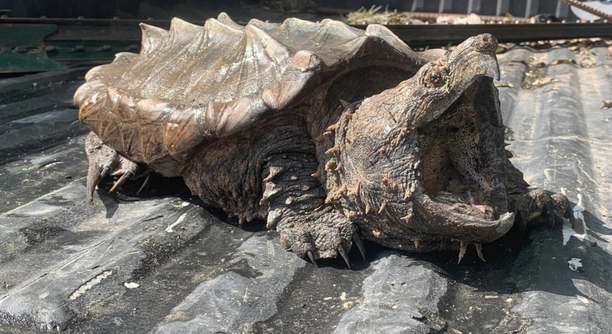
Building a bond with an alligator snapping turtle can be a rewarding experience. Understanding their behavior and needs is key to creating a stronger connection with these fascinating creatures. This guide offers simple tips to help.
Strengthening the bond with your alligator snapping turtle involves understanding their natural behaviors, providing appropriate care, and ensuring a safe, comfortable environment. Establishing trust can be achieved through consistent interactions and offering food, while respecting their space and temperament.
With these tips, you’ll enhance your relationship with your alligator snapping turtle and provide the best possible care for your unique pet.
1. Create a Comfortable Environment for Your Alligator Snapping Turtle
The environment you create for your alligator snapping turtle plays a crucial role in building a strong bond. These turtles thrive in environments that mimic their natural habitat. A large tank with enough space for them to move around is essential. Water quality should be kept clean, and the temperature should remain consistent, between 75°F and 80°F. Ensure that the tank has hiding spots, such as rocks or submerged logs, where the turtle can retreat when it feels threatened. A well-maintained environment will not only keep your turtle healthy but also help it feel secure, making it more comfortable around you.
Providing a comfortable space helps the turtle feel safe and secure. Once the environment is set up correctly, your alligator snapping turtle is more likely to explore and engage with you.
Having a proper environment also means maintaining the right humidity and filtration systems. Without these essentials, the turtle may not thrive, and the bond will be more difficult to establish. Keep their living space clean, and the relationship will grow stronger.
2. Establish Trust with Slow and Steady Movements
Trust is key when it comes to bonding with your turtle. They are shy creatures, and sudden movements or loud noises can startle them. Approach your turtle slowly, avoiding sudden gestures. When interacting with your turtle, give it time to observe you and adjust. It’s important not to rush things. Your turtle will learn to trust you as you create a consistent, calm presence. Over time, it will come to associate you with positive experiences, such as feeding and gentle handling.
Be patient with your turtle as it may take time to build trust. Avoid forcing interactions if it seems uncomfortable.
By moving slowly and calmly, you encourage your alligator snapping turtle to approach you on its own terms. This respectful behavior will result in a stronger bond. With enough patience, your turtle will learn to feel safe with you and even engage in brief interactions.
3. Offer Food as a Bonding Tool
Food can play a significant role in strengthening your relationship with your turtle. Offering food is one of the most effective ways to build trust. Over time, your alligator snapping turtle will come to associate your presence with something positive. This encourages the turtle to approach you when it senses that food is nearby.
When feeding your turtle, use a long pair of tongs or tweezers to place food just within its reach. This minimizes stress and allows your turtle to feel in control. You can offer live prey or pieces of fish, and it’s important to maintain a regular feeding schedule. This consistency helps reinforce your role in the turtle’s life.
While feeding is a great tool for bonding, it’s crucial not to overdo it. Offering too much food can lead to health issues and stress. Keep portion sizes appropriate to ensure your turtle stays healthy and continues to trust you. A balanced diet is important for both physical well-being and building that stronger connection.
4. Spend Time Observing, Not Interacting Constantly
Alligator snapping turtles are naturally solitary and can be easily overwhelmed by too much interaction. Spending time observing your turtle from a distance helps create a calm, non-invasive bond. This passive interaction builds trust over time, allowing the turtle to get used to your presence.
It’s vital to give your turtle space to explore its environment without constant disruption. Allow it to come to you at its own pace. Watching your turtle thrive in its space will encourage it to approach you when it’s ready. Over time, this can lead to more meaningful interactions.
The key is patience and respect. By allowing your alligator snapping turtle to feel secure in its habitat, it will gradually become more comfortable with your presence. This process may take time, but it is essential for a long-lasting, trusting relationship.
5. Handle Your Turtle Gently
When it’s time to handle your alligator snapping turtle, be sure to do so gently. These turtles can be sensitive to rough handling, so always use both hands to support its body fully. A calm approach will prevent stress and help foster trust.
Never grab your turtle by the tail or legs. Doing so can harm its delicate structure and make the turtle fearful of you. Instead, let it move at its own pace onto your hands. Gradual, soft movements help your turtle feel safe, improving the bond you share.
6. Keep the Water Clean
Clean water is essential for the health of your alligator snapping turtle. Poor water quality can cause stress, affecting your turtle’s behavior. Make sure the water in its tank is regularly filtered and changed to maintain a healthy environment.
A dirty tank can lead to health problems such as infections, which will make your turtle less inclined to interact. Regular water changes and checking the filtration system can prevent these issues. A well-maintained tank ensures your turtle remains comfortable and more willing to engage with you. Healthy water is key to building a positive relationship.
7. Provide Suitable Hiding Spots
Alligator snapping turtles need spaces where they can hide and feel secure. Providing hiding spots within their tank is crucial to their well-being. These turtles naturally enjoy having a retreat when they feel threatened or simply need some quiet time.
Use rocks, logs, or specially designed tank accessories to create hiding areas that your turtle can access easily. By offering these hiding spots, you give your turtle the space it needs to recharge and feel safe. Over time, this helps build trust as the turtle will feel more comfortable in its environment.
FAQ
How often should I interact with my alligator snapping turtle?
Alligator snapping turtles are independent animals and don’t require constant attention. Interacting with them every few days is sufficient to build a strong bond without overwhelming them. The key is consistency—slowly and gently engaging with your turtle while respecting its space. Over time, it will become accustomed to your presence, and more frequent interactions may occur as the turtle starts to trust you. Avoid forcing any contact if it seems stressed, and always let the turtle dictate the pace.
Can alligator snapping turtles recognize their owners?
While alligator snapping turtles may not form the same type of emotional bond as mammals, they can associate their owners with food, safety, and positive experiences. They will likely begin to recognize you through your routine, like feeding times. However, don’t expect them to show affection like a pet dog. The recognition comes from consistency and familiarity rather than a deep emotional connection.
What type of food is best for bonding with my alligator snapping turtle?
Offering a varied diet is important for your alligator snapping turtle’s health and can help foster a bond. They enjoy live food like fish, worms, and insects, but you can also offer cut-up pieces of meat or even some vegetables. Ensure you’re providing the right balance of protein and nutrients to keep your turtle healthy. Use tongs or tweezers to feed your turtle, which can create a positive experience and help it get accustomed to your presence during feeding times.
How can I tell if my alligator snapping turtle is stressed?
Stress in an alligator snapping turtle can be indicated by unusual behaviors like excessive hiding, lack of movement, or refusal to eat. If your turtle seems constantly withdrawn, it may be stressed by environmental factors, such as poor water quality or overcrowded living conditions. It’s important to monitor your turtle’s behavior and environment closely. A stressed turtle may also display aggressive behavior, including hissing or snapping. Making sure your turtle has adequate space and a clean, calm environment is crucial to keeping it stress-free.
Is it safe to handle my alligator snapping turtle?
Yes, it is safe to handle your alligator snapping turtle as long as you do so gently and respectfully. Always use both hands to support its body and avoid grabbing it by the tail or legs, as this can cause harm. Keep your interactions calm and brief, and never force the turtle to come out of its hiding spots. Some turtles may be more tolerant of handling than others, so pay attention to how your turtle responds. If it seems stressed, it’s best to give it space.
How much space does an alligator snapping turtle need?
Alligator snapping turtles require a spacious tank to thrive. For an adult turtle, you’ll need at least a 100-gallon tank, as they can grow quite large. The tank should have both a water area for swimming and a dry area for basking. The water should be deep enough for the turtle to fully submerge, and the temperature should be maintained between 75°F and 80°F. A large, well-maintained tank will allow your turtle to move freely and comfortably, which will help reduce stress and promote a healthier, more interactive relationship.
Can alligator snapping turtles live with other pets?
Alligator snapping turtles are generally solitary creatures and are not well-suited for cohabitation with other pets in the same tank. They can be territorial and may become aggressive toward other animals, especially smaller ones. It’s best to keep your turtle in a separate tank or enclosure. If you do want to introduce it to other pets, such as other turtles or aquatic animals, make sure the tank is large enough to provide each animal its own space, and monitor their interactions closely to avoid any stress or aggression.
How do I know if my alligator snapping turtle is healthy?
A healthy alligator snapping turtle will be active, alert, and eating regularly. Its shell should be smooth, without cracks, discoloration, or signs of infection. The turtle should be able to swim and move around comfortably in its tank. If your turtle is lethargic, has a loss of appetite, or shows any unusual changes in its behavior, it could be a sign of illness. Regularly checking the water quality and maintaining proper temperatures can also help ensure that your turtle stays healthy. If in doubt, consult with a reptile veterinarian.
Do alligator snapping turtles need UV light?
Yes, alligator snapping turtles require UVB lighting to help them metabolize calcium and maintain healthy bones. A UVB light should be provided for about 10-12 hours a day. The light should be placed above the basking area to allow the turtle to absorb it while it rests. UVB exposure is essential for preventing shell deformities and other health issues related to calcium deficiency. Make sure the bulb is replaced regularly, as the UVB rays diminish over time, even if the light still works.
How long do alligator snapping turtles live?
Alligator snapping turtles have a long lifespan, typically living 30-50 years in the wild. In captivity, with proper care, they can live even longer. Their longevity makes them a lifelong commitment, so it’s important to ensure that you’re ready for the responsibility of caring for them over many decades. Regular health checks, proper habitat maintenance, and attention to their dietary needs will help ensure a long, healthy life for your turtle.
Final Thoughts
Building a strong bond with your alligator snapping turtle takes time and patience. These turtles are independent creatures, so they may not show affection in the same way as other pets. However, they can become familiar with you and trust you through consistent, calm interactions. Handling them gently, providing a clean and safe environment, and offering them a well-balanced diet are all important steps in building a positive relationship. Remember that turtles are creatures of habit, and establishing a routine will help them feel secure and comfortable.
It’s important to respect their space and not force interactions. While they may not seek attention, they can learn to associate you with positive experiences, such as feeding or providing them with a clean tank. Alligator snapping turtles are fascinating creatures that require special care and attention, but with the right approach, they can thrive in captivity. By maintaining proper tank conditions and being mindful of their behavior, you’ll help ensure their long-term health and happiness.
Lastly, always stay observant and aware of your turtle’s needs. If you notice signs of stress or illness, act quickly to address the issue. Regular health check-ups and proper care will help your turtle live a long, healthy life. The bond you form with your alligator snapping turtle may not be the same as with other pets, but it is still meaningful. With patience, respect, and proper care, you can enjoy watching your turtle grow and thrive in its environment.

Hello,
If you enjoy the content that we create, please consider saying a "Thank You!" by leaving a tip.
Every little bit helps us continue crafting quality advice that supports the health, happiness, and well-being of pets around the world, for pets of all shapes, sizes, and species.
We really appreciate the kindness and support that you show us!