
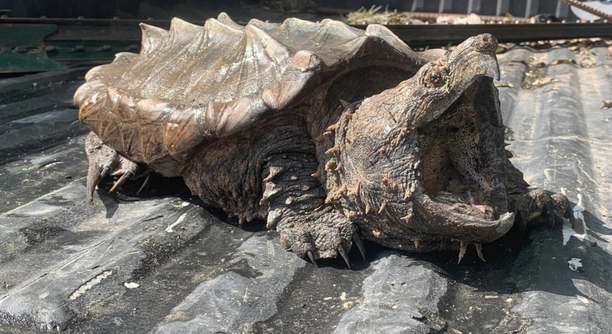
Alligator snapping turtles are unique creatures, and their housing needs can be tricky to manage, especially when they’re young. Determining the right tank size for your turtle is essential for its health and well-being.
A juvenile alligator snapping turtle requires a tank that allows it to grow and feel secure. Keeping it in too large of a tank can lead to stress and difficulties in finding food or shelter.
Understanding these factors will ensure your turtle has the right environment to thrive and grow in.
Why Size Matters for Young Alligator Snapping Turtles
When it comes to housing a young alligator snapping turtle, the size of the tank plays a significant role in its development. A tank that’s too large can overwhelm a young turtle, preventing it from feeling secure. These turtles naturally prefer environments that offer hiding spots and easy access to food. A tank that is too big can make it difficult for your turtle to adjust to its surroundings and create stress. Inadequate hiding spaces can lead to anxiety, which can affect their eating and overall health. On the other hand, a tank that is too small can restrict their growth, leading to health problems. It’s essential to find a tank that provides the right balance between space and comfort for a young turtle to feel safe while still having room to grow.
A 40-gallon tank is often recommended for juvenile alligator snapping turtles. This size provides the necessary room without overwhelming them.
A 40-gallon tank offers enough space for your turtle to move around and explore while providing hiding areas like rocks or plants. It’s important to ensure the water depth is appropriate for their size, allowing them to swim freely. A tank this size also allows for better water quality, which is crucial for their health. It is always better to start with a slightly smaller tank and upgrade as the turtle grows.
Tank Setup Considerations
The setup of the tank is just as important as its size. Alligator snapping turtles need water that is both deep enough for swimming and clean enough to support their health. The filtration system should be efficient, as turtles are messy eaters, and waste can quickly contaminate the water. A quality filter will help keep the water clean and oxygenated, which is vital for the turtle’s well-being. It’s also helpful to include some soft substrate, such as sand or smooth gravel, for your turtle to crawl on. This creates a more natural environment and encourages the turtle to be active. Additionally, ensure the water temperature is maintained at an ideal level of 75-80°F (24-27°C), which will help keep your turtle comfortable and healthy.
By ensuring your turtle’s tank is properly set up, you can avoid many common problems that arise when the environment isn’t ideal for young snapping turtles.
The Importance of Proper Tank Temperature
Maintaining the right water temperature in your turtle’s tank is crucial for its health. A water temperature between 75-80°F (24-27°C) mimics their natural environment and supports proper digestion and metabolism. If the water is too cold or too hot, it can cause stress, leading to a weakened immune system.
A consistent water temperature allows your turtle to stay active and healthy. Invest in a reliable aquarium heater to regulate the tank’s temperature. Keep the heater near the water flow to evenly distribute the heat. It’s also important to monitor the temperature regularly using an accurate thermometer, ensuring your turtle’s environment stays optimal.
In addition to the heater, a basking light or lamp can provide heat above the water. This will create a thermal gradient in the tank, giving your turtle access to both warmer and cooler areas. By adjusting the lighting, you can simulate day and night cycles, which is important for your turtle’s well-being.
Choosing the Right Substrate for a Young Turtle Tank
Selecting the right substrate for your young alligator snapping turtle’s tank is essential for both their comfort and health. A smooth, soft substrate like fine sand or river rocks will help prevent injury and allow for easier cleaning. Avoid rough materials that could hurt their sensitive skin.
Substrate also plays a role in maintaining water quality. Some turtles like to dig or burrow, so a softer material provides an opportunity for natural behavior. It can also help support biological filtration by allowing beneficial bacteria to grow. Make sure the substrate you choose doesn’t contain sharp particles that could cause injury.
Changing the substrate regularly is necessary to prevent the buildup of harmful bacteria. If using a gravel base, ensure the pieces are large enough that your turtle can’t ingest them, as they might cause internal blockages. Keeping the substrate clean will contribute to the overall health of your turtle.
Proper Lighting for Juvenile Alligator Snapping Turtles
Lighting is just as important as water temperature in keeping your alligator snapping turtle healthy. A good lighting system provides essential UVB rays, helping the turtle metabolize calcium and maintain strong bones. Without proper lighting, your turtle could develop health issues, such as shell deformities.
UVB lighting should be placed above the water and replaced every six months. Ensure the light covers a large portion of the tank to allow the turtle to bask effectively. It’s important to have a 12-hour light cycle to simulate day and night, as this supports the turtle’s natural behavior.
Tank Maintenance for Young Turtles
Regular maintenance is essential for keeping your young alligator snapping turtle healthy. A clean tank will prevent diseases and ensure a safe environment. Perform partial water changes every week, removing debris and waste. Clean the filter regularly to ensure it is working efficiently.
Use a water conditioner to remove chlorine and other harmful chemicals. Keep the substrate clean by gently vacuuming it during water changes. Regular cleaning helps maintain good water quality, which is vital for the turtle’s well-being. Ensure the tank is free from harmful bacteria, which can lead to health problems.
Feeding Your Young Alligator Snapping Turtle
The right diet is essential for the growth and health of your juvenile alligator snapping turtle. Offer a variety of foods, such as commercial turtle pellets, live insects, and occasional vegetables like leafy greens. This diet will provide the necessary nutrients to help them grow strong.
Turtles are opportunistic feeders and will enjoy a varied diet. However, be sure to avoid feeding them too much protein, as an imbalance can lead to shell deformities. Also, ensure the food is appropriately sized to prevent choking.
FAQ
How big should my alligator snapping turtle’s tank be?
For young alligator snapping turtles, a 40-gallon tank is typically sufficient. It provides enough room for them to move around, explore, and feel secure. As they grow, you will need to upgrade the tank size, with 75-100 gallons being ideal for adults. A larger tank will help keep the water quality better, and it ensures your turtle has space to thrive.
Can I keep my juvenile snapping turtle with other turtles?
It is not recommended to house a young alligator snapping turtle with other turtles, especially different species. They can become territorial, and a larger turtle might bully or harm the smaller one. Even within the same species, it’s crucial to monitor interactions. If you choose to have more than one turtle, ensure there’s enough space and hiding spots to reduce stress.
How often should I feed my young alligator snapping turtle?
Young alligator snapping turtles should be fed every 2-3 days. Their diet should include a mix of protein sources like worms, small fish, and shrimp, along with occasional plant-based foods such as leafy greens. Overfeeding can lead to obesity and water quality issues. Pay attention to their appetite and adjust feeding accordingly.
What water temperature is best for my young alligator snapping turtle?
A water temperature between 75-80°F (24-27°C) is optimal for young alligator snapping turtles. Consistent water temperatures help support their digestion, activity levels, and overall health. Make sure the tank has a reliable heater and use a thermometer to monitor the temperature regularly. Avoid sudden temperature fluctuations, as they can stress the turtle.
How can I keep my turtle’s water clean?
To keep your turtle’s water clean, invest in a high-quality filter that can handle the waste produced by your turtle. Perform regular water changes, about 20-30% every week, to maintain water quality. Remove uneaten food and debris daily to prevent it from breaking down in the water. A clean tank reduces the risk of bacteria and algae growth.
Do I need a basking area for my turtle?
Yes, a basking area is essential for your young alligator snapping turtle. It allows them to dry off, regulate their body temperature, and get UVB light exposure. Ensure the basking spot is large enough for the turtle to rest comfortably and is easily accessible. Using a flat rock or floating platform works well for creating this space.
What kind of lighting does my turtle need?
Your turtle needs UVB lighting to metabolize calcium and avoid shell deformities. A UVB bulb should be placed above the basking area, providing 12-14 hours of light daily. The bulb should be replaced every 6 months as its UVB output decreases over time. A basking light can also provide warmth to the turtle’s shell.
Can I use tap water for my turtle’s tank?
Using tap water for your turtle’s tank is fine, but it’s important to dechlorinate the water. Chlorine and chloramine can harm your turtle’s skin and gills. You can treat the water with a water conditioner designed to neutralize these chemicals. It’s also essential to check the pH and hardness of the water to ensure it’s suitable for your turtle’s health.
What is the best substrate for a young alligator snapping turtle?
A smooth, soft substrate like fine sand or river rocks works best for young alligator snapping turtles. Avoid rough or sharp materials that could injure their soft underbelly. A soft substrate encourages natural behavior, such as digging, and helps maintain a clean tank. Ensure the substrate is easy to clean and doesn’t contribute to poor water quality.
How do I know if my turtle is stressed?
Stress in a young alligator snapping turtle can manifest in several ways, including reduced appetite, lethargy, and excessive hiding. If your turtle is spending too much time at the bottom of the tank or hiding, it could indicate environmental stress. Check the water temperature, water quality, and tank setup to ensure everything is suitable for your turtle’s needs. A stressed turtle may also display defensive behaviors, such as snapping more aggressively.
What are common health problems for juvenile alligator snapping turtles?
Common health problems for juvenile alligator snapping turtles include shell rot, respiratory infections, and metabolic bone disease. Shell rot typically occurs when the shell becomes damaged or exposed to poor water conditions. Respiratory infections are often caused by poor water quality or incorrect temperature, while metabolic bone disease results from a lack of UVB lighting and improper calcium intake. Regular monitoring of water conditions and proper diet can help prevent many of these issues.
How can I handle my young alligator snapping turtle safely?
Handling young alligator snapping turtles should be done sparingly, as they can become stressed by excessive handling. When necessary, support the turtle with both hands and avoid grabbing it by the shell. If you need to remove the turtle from the tank for cleaning or transport, use a soft towel or glove to gently hold it.
What’s the lifespan of an alligator snapping turtle?
Alligator snapping turtles can live for decades, with some reaching over 50 years of age in the wild. In captivity, they typically live between 30-50 years, provided they are given proper care, including the right tank size, diet, and water conditions. Be prepared for a long-term commitment when keeping this species as a pet.
Can my turtle get too old for a tank upgrade?
Even as your alligator snapping turtle ages, it will continue to need a spacious tank. While juveniles may outgrow their initial setup, adult turtles need plenty of space to swim and roam. Ensure your tank is large enough to accommodate them as they grow, as an overcrowded tank can cause health issues.
Final Thoughts
Caring for a young alligator snapping turtle requires attention to detail, especially when it comes to choosing the right tank size. As your turtle grows, so too will its need for more space. Start with a 40-gallon tank for a juvenile, but be prepared to upgrade as it matures. Providing an appropriate environment not only supports its health but also reduces stress and ensures that your turtle can thrive for many years. A well-maintained tank is a key factor in the turtle’s overall well-being.
In addition to tank size, ensuring your young turtle has the right water temperature, lighting, and diet is crucial. A stable water temperature between 75-80°F promotes healthy digestion and activity. Adequate UVB lighting will help prevent metabolic bone disease and other health issues, while a balanced diet of protein and vegetables supports growth. Regular water changes and cleaning are necessary to maintain a healthy habitat, as poor water quality can quickly lead to health problems. Understanding these essential factors helps create a secure and thriving space for your turtle.
Overall, keeping a young alligator snapping turtle is a long-term commitment that requires proper planning and care. They are fascinating creatures, but their needs can be complex. Regularly checking the tank’s conditions and observing your turtle’s behavior can help prevent issues before they arise. By providing the right environment and routine care, you can ensure that your turtle remains healthy, happy, and active throughout its life.

Hello,
If you enjoy the content that we create, please consider saying a "Thank You!" by leaving a tip.
Every little bit helps us continue crafting quality advice that supports the health, happiness, and well-being of pets around the world, for pets of all shapes, sizes, and species.
We really appreciate the kindness and support that you show us!