
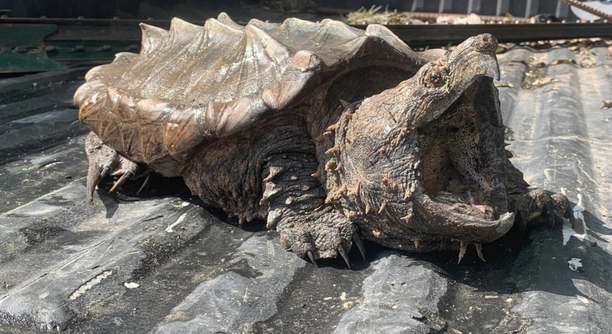
Is your alligator snapping turtle shaking its head more than usual? This behavior can be concerning, especially if it happens frequently. Understanding the possible causes can help you determine if your turtle needs attention or a simple adjustment in care.
Head shaking in alligator snapping turtles can result from respiratory infections, water quality issues, stress, parasites, vitamin deficiencies, or neurological conditions. Identifying the underlying cause is essential to ensuring your turtle’s well-being and preventing further health complications.
Recognizing the reason behind this behavior can help you make the necessary changes to keep your turtle healthy. Learning about these factors will guide you in providing the best care for your reptile companion.
Respiratory Infections
Respiratory infections can cause your alligator snapping turtle to shake its head frequently. Bacteria, viruses, or fungi may infect the respiratory system, leading to symptoms like wheezing, mucus buildup, and lethargy. Poor water quality and low temperatures can weaken the immune system, making infections more likely. Ensuring proper filtration, maintaining a stable water temperature, and providing a balanced diet can help prevent respiratory issues. If your turtle is displaying these symptoms, a veterinarian may need to prescribe antibiotics or other treatments. Early intervention is key to preventing complications and ensuring a full recovery.
Mild infections may improve with proper care, but severe cases require immediate veterinary attention. Left untreated, respiratory infections can progress, leading to pneumonia and further health issues. Identifying symptoms early can make treatment more effective.
Keeping the enclosure clean, ensuring proper humidity levels, and offering a nutrient-rich diet can support your turtle’s immune system. Regular health checks can help catch infections before they worsen.
Water Quality Issues
Poor water quality can lead to head shaking in alligator snapping turtles. Ammonia buildup, improper pH levels, and bacterial contamination can irritate the eyes, skin, and respiratory system, leading to discomfort and unusual behaviors.
Maintaining clean water is essential for your turtle’s health. A high-quality filtration system helps remove harmful waste, while regular water changes prevent toxin buildup. Testing water parameters regularly ensures the pH and ammonia levels remain stable. Dirty water can cause stress, infections, and other health concerns, making it important to establish a proper cleaning routine. If your turtle shakes its head frequently, checking water quality should be one of the first steps.
A proper tank setup includes a strong filtration system, dechlorinated water, and a consistent maintenance schedule. Partial water changes should be done weekly to remove waste while keeping beneficial bacteria intact. Providing a basking area and monitoring temperature levels can further support your turtle’s well-being.
Stress and Environmental Changes
Sudden changes in the environment can cause stress, leading to unusual behaviors like head shaking. Relocating the tank, excessive handling, or loud noises nearby can disrupt your turtle’s sense of security. A stable, quiet environment helps reduce stress and promotes overall well-being.
Inconsistent temperatures, improper lighting, and lack of hiding spots can contribute to stress. Alligator snapping turtles thrive in specific conditions, including a water temperature between 75–80°F and a basking area with proper UVB lighting. A stressed turtle may also refuse food, become more aggressive, or hide excessively. Minimizing disturbances and maintaining a consistent habitat setup can prevent unnecessary stress. If your turtle’s behavior changes suddenly, evaluating recent environmental factors can help identify the cause.
A well-maintained habitat with ample space, proper substrate, and clean water reduces stress. Limiting handling, ensuring a quiet area, and keeping the enclosure away from frequent movement can help your turtle feel secure. Small adjustments can make a significant difference in its overall health.
Parasites and Infections
Internal and external parasites can cause irritation, leading to frequent head shaking. External parasites, such as mites or leeches, may attach to the skin, while internal parasites can affect digestion and overall health. Regular health checks help detect early signs of infestation.
Parasitic infections can spread through contaminated water, food, or new tank additions. Symptoms may include excessive scratching, loss of appetite, weight loss, and unusual swimming patterns. A veterinarian can diagnose and recommend appropriate treatments, such as medicated baths or deworming medications. Quarantining new tank additions before introducing them helps prevent the spread of parasites. Maintaining clean water and avoiding live food from unreliable sources can also reduce the risk of infection.
Providing a balanced diet strengthens your turtle’s immune system, making it more resilient to infections. If head shaking persists, a professional examination can confirm if parasites are the issue. Early detection and proper treatment ensure a quicker recovery.
Vitamin Deficiencies
A lack of essential vitamins can lead to neurological symptoms, including head shaking. Vitamin A and calcium deficiencies are common in turtles, affecting their immune system, vision, and muscle function. Feeding a balanced diet with leafy greens, protein sources, and vitamin supplements can help prevent these issues.
Poor nutrition can also weaken the shell, cause lethargy, and increase the risk of infections. A diet consisting of high-quality commercial turtle pellets, fresh vegetables, and occasional protein sources supports overall health. If deficiencies are suspected, adjusting the diet and consulting a veterinarian can help correct the problem.
Neurological Conditions
Head shaking can result from neurological issues caused by injuries, infections, or genetic factors. Damage to the nervous system can affect motor control, leading to involuntary movements. If no environmental or dietary factors explain the behavior, a veterinarian may need to evaluate for underlying neurological conditions.
Final Thoughts
Addressing the root cause of head shaking ensures your turtle remains healthy and comfortable. Monitoring diet, water quality, and environmental conditions can prevent most issues. If symptoms persist, professional care may be necessary to rule out serious health concerns.
FAQ
Why is my alligator snapping turtle shaking its head?
Head shaking in alligator snapping turtles can occur for various reasons, including respiratory infections, stress, water quality issues, parasites, and vitamin deficiencies. It is important to monitor your turtle’s environment, diet, and behavior to pinpoint the cause. If the shaking persists, consulting a veterinarian is advisable to determine whether there is an underlying medical issue.
How can I prevent my alligator snapping turtle from getting sick?
To keep your turtle healthy, provide a clean and stable environment. Maintain proper water conditions, including temperature, pH levels, and filtration. Regular water changes, proper lighting, and a balanced diet rich in nutrients are essential. Regular health checks can also help detect any problems early, preventing potential issues.
What should I feed my alligator snapping turtle?
Alligator snapping turtles are omnivores, so their diet should consist of a variety of food. They enjoy protein-rich items like fish, insects, and earthworms, as well as leafy greens and vegetables. Offering a mix of commercial turtle pellets, fresh vegetables, and occasional live prey ensures a balanced diet.
How can I improve the water quality in my turtle tank?
To improve water quality, invest in a high-quality filtration system that can handle the size of your turtle’s tank. Regular water changes, about 25-30% per week, help prevent the buildup of harmful toxins like ammonia and nitrites. Test water parameters, such as pH, ammonia, and nitrate levels, regularly to ensure they remain within safe ranges for your turtle.
How often should I change the water in my turtle’s tank?
It is recommended to change 25-30% of the water weekly to maintain a clean and healthy environment. If your tank is heavily stocked or if your turtle produces a lot of waste, you may need to change the water more frequently. Keep an eye on the water clarity and any signs of contamination.
Is it normal for my alligator snapping turtle to be aggressive?
While alligator snapping turtles can be territorial, aggression is not always a normal behavior. If your turtle is showing signs of aggression, such as excessive biting or lunging, it could be a sign of stress, poor water quality, or discomfort. Providing adequate space and hiding spots, along with proper care, can help reduce aggression.
What temperature should I maintain in my turtle’s tank?
Alligator snapping turtles require a water temperature between 75°F and 80°F (24°C to 27°C). Maintaining this temperature range is important for digestion and overall health. The basking area should be around 85°F to 90°F (29°C to 32°C), providing a warm spot for your turtle to rest and regulate its body temperature.
How can I tell if my turtle has a respiratory infection?
Signs of a respiratory infection in alligator snapping turtles include excessive head shaking, wheezing, nasal discharge, lethargy, and loss of appetite. If you notice any of these symptoms, it is important to consult a veterinarian for diagnosis and treatment. Respiratory infections can worsen if left untreated, so early intervention is crucial.
Can I keep multiple alligator snapping turtles in the same tank?
Alligator snapping turtles are generally solitary creatures and may become aggressive toward each other, especially in smaller enclosures. If you wish to house multiple turtles, ensure the tank is large enough to provide ample space for each one. Providing plenty of hiding spots and monitoring their interactions can help prevent conflicts.
What are the signs that my turtle is stressed?
Stress in alligator snapping turtles can manifest in several ways, including excessive head shaking, refusal to eat, hiding, and swimming aimlessly. Poor water quality, sudden environmental changes, or overcrowding can contribute to stress. Creating a stable, quiet environment with proper lighting and temperature can help reduce stress levels.
Can my turtle get parasites?
Yes, alligator snapping turtles can contract both internal and external parasites. External parasites, such as leeches and mites, can cause irritation and lead to excessive scratching. Internal parasites may affect digestion and cause weight loss. Regular health checks, proper tank maintenance, and quarantining new tank additions can help reduce the risk of parasitic infections.
How do I treat my turtle for parasites?
Treatment for parasites depends on the type of infection. External parasites may be treated with medicated baths or topical treatments, while internal parasites may require deworming medications. A veterinarian can diagnose the type of parasite and recommend the appropriate treatment. Quarantining new turtles and avoiding contaminated food sources can help prevent future infestations.
What is the best way to clean my turtle’s tank?
Cleaning your turtle’s tank involves removing waste and debris from the substrate, cleaning the filter, and performing regular water changes. Use a gravel vacuum to remove waste from the bottom of the tank. Clean the tank glass and decorations with aquarium-safe cleaning solutions to ensure they remain free from algae and bacteria.
Do I need to give my turtle a UVB light?
Yes, alligator snapping turtles require UVB lighting to help them metabolize calcium and maintain strong shells and bones. UVB lighting should be provided for 10-12 hours a day. Make sure the light is positioned properly over the basking area, and replace it every six months to maintain effectiveness.
What should I do if my turtle isn’t eating?
If your turtle refuses to eat, it could be due to stress, poor water quality, or illness. Check the water temperature and quality to ensure they are within the proper range. Offering a variety of food, including protein-rich items and leafy greens, may entice your turtle to eat. If the refusal persists, consult a veterinarian.
Can I feed my turtle human food?
It is best to avoid feeding your alligator snapping turtle human food, as many foods can be harmful. For example, processed foods or those high in sugar and salt should be avoided. Stick to a diet of high-quality turtle pellets, fresh vegetables, and protein sources like fish and insects.
Final Thoughts
Alligator snapping turtles are fascinating creatures, but like any pet, they require careful attention to their environment and health. Understanding the causes behind behaviors like head shaking is crucial to providing proper care. Whether it’s a dietary imbalance, a water quality issue, or a health concern, taking action early can prevent more serious problems later on. Regularly monitoring your turtle’s behavior, diet, and living conditions is essential for keeping it healthy and happy.
Ensuring your turtle has a suitable tank setup is just as important as providing a balanced diet. The water temperature, lighting, and filtration system all play a significant role in maintaining your turtle’s well-being. A clean environment and proper care can help avoid many of the common issues that lead to head shaking. Along with a nutritious diet, your turtle’s habitat should be as natural and stress-free as possible. Keeping the tank clean and ensuring your turtle has enough space to move around will also help reduce stress and prevent behavior problems.
If your alligator snapping turtle continues to shake its head or shows other unusual signs, don’t hesitate to consult a veterinarian. While many issues can be resolved with simple changes to diet or environment, others may require medical treatment. Understanding the root cause of the behavior is key, and professional care can ensure your turtle remains healthy in the long term. By staying proactive and attentive, you can help your turtle live a long, healthy, and happy life.

Hello,
If you enjoy the content that we create, please consider saying a "Thank You!" by leaving a tip.
Every little bit helps us continue crafting quality advice that supports the health, happiness, and well-being of pets around the world, for pets of all shapes, sizes, and species.
We really appreciate the kindness and support that you show us!