
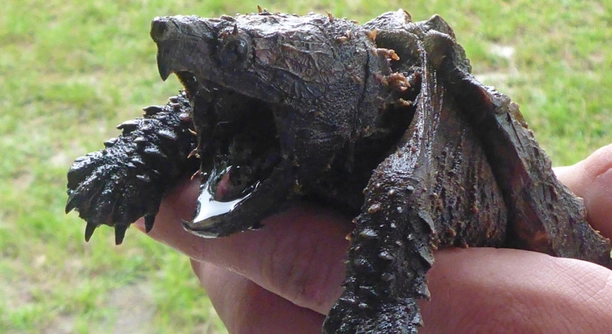
Alligator snapping turtles are fascinating creatures, but they can be tricky to care for. Recognizing signs of health issues early is important to keep them happy and healthy. Being aware of their needs can make a big difference.
If your alligator snapping turtle shows any signs of illness, it’s crucial to take action quickly. Whether it’s a change in behavior or physical signs of distress, understanding these symptoms can help prevent further complications.
Knowing these signs early can help you maintain the health of your turtle. Proper care and attention are essential for a long and happy life. Stay tuned to learn how to recognize when your turtle might need professional help.
Unusual Behavior or Lethargy
If your alligator snapping turtle is acting sluggish or not moving much, it could be a sign that something’s wrong. These turtles are naturally active, so when they become lethargic, it often indicates a health problem. It could be a temperature issue, poor water conditions, or even stress from being handled too much.
Sometimes, if a turtle is in poor health, it may stop eating and refuse to interact. These behaviors should not be ignored. You may notice your turtle hiding more often or staying in one spot for an extended period.
When these signs appear, it’s a good idea to check the water conditions. Ensure the water is clean, and the temperature is within the turtle’s preferred range. If the problem continues, it may be time to consult a vet for further evaluation. A lack of activity could also indicate a more serious health concern, such as a respiratory infection or a metabolic disorder, both of which require prompt attention.
Loss of Appetite
If your turtle refuses to eat, this could signal an issue with its health. Lack of appetite in alligator snapping turtles can stem from water temperature problems, stress, or illness.
A sudden decrease in appetite may point to an underlying infection or digestive issue. Check the water and the environment. If the situation doesn’t improve, a vet visit is essential. Turtles need to be properly fed to maintain their strength and immune system.
Swollen or Discolored Shell
A swollen or discolored shell can signal serious issues with your alligator snapping turtle. If you notice swelling, it may indicate an infection or abscess. Discoloration, on the other hand, can be linked to fungal or bacterial infections, poor water quality, or malnutrition.
A healthy shell should have a uniform color and texture. If the shell looks puffy or soft, it may be a sign of poor calcium levels or shell rot, both of which need prompt care. Your turtle’s shell is its most protective feature, so keeping it in good condition is essential for its overall health.
If you spot these changes, check your turtle’s habitat for proper lighting, temperature, and water cleanliness. In some cases, treating the environment may help. However, severe shell issues often require a vet’s attention for proper diagnosis and treatment. If the shell is cracked or continues to swell, immediate care is necessary to avoid further complications.
Breathing Issues
Difficulty breathing is a serious concern for alligator snapping turtles. If your turtle is struggling to breathe, this could be a sign of a respiratory infection. Symptoms might include wheezing, bubbles from the nostrils, or rapid breathing.
Respiratory infections in turtles can be caused by improper water temperature or humidity levels, stress, or even a bacterial infection. Ensuring that the water temperature is consistent and within the ideal range for your turtle is crucial. When left untreated, respiratory problems can worsen and affect the turtle’s ability to breathe properly, leading to more severe health issues.
If you notice your turtle having trouble breathing or showing signs of respiratory distress, it’s important to consult a vet. A respiratory infection can be serious and may require antibiotics or other medications to treat effectively. Proper care of your turtle’s habitat, along with regular check-ups, can prevent these problems from arising.
Unhealthy Eyes
If your alligator snapping turtle’s eyes appear cloudy, swollen, or have discharge, it’s a sign of potential health issues. Eye problems in turtles can arise from infections, vitamin deficiencies, or poor water quality.
Eye infections are common in turtles living in unsanitary environments. You might also notice the turtle blinking excessively or rubbing its eyes. It’s essential to clean the water and make sure the lighting is adequate. Eye problems can worsen quickly, so they should not be ignored. If symptoms persist, a vet will need to assess and treat the condition to prevent further damage.
Skin Abnormalities
Skin shedding or lesions can point to underlying health problems. Fungal and bacterial infections, along with parasites, often cause these skin issues. Pay attention to any unusual changes, like scaly patches, redness, or sores.
If these skin issues persist, it’s important to keep the habitat clean and stress-free. An immediate vet visit is recommended to diagnose the cause and begin treatment. Skin conditions in turtles can progress rapidly, so early intervention is crucial.
Poor Swimming or Floating
When an alligator snapping turtle struggles to swim or floats strangely, it may indicate a health problem. This could be due to an infection, shell issue, or even internal parasites.
If your turtle has difficulty staying submerged or seems to be floating unusually, it may be experiencing digestive problems or a buoyancy disorder. These issues can be caused by gas buildup or other internal health concerns. Providing a stable, stress-free environment can help, but if the problem continues, a vet visit is essential to address the root cause.
FAQ
What should I do if my alligator snapping turtle isn’t eating?
If your turtle isn’t eating, the first thing to check is its environment. Ensure that the water temperature is appropriate and that the habitat is clean. Stress, poor water quality, and temperature fluctuations can all impact a turtle’s appetite. If the problem persists for several days, it’s best to consult a vet to rule out any underlying health issues, such as parasites or infections. A lack of appetite can be a sign of stress or illness, so it’s important to monitor the situation closely and get help if needed.
How can I tell if my turtle’s shell is unhealthy?
An unhealthy shell will often show signs like discoloration, softness, or swelling. If you notice that your turtle’s shell is soft to the touch, it could be a sign of calcium deficiency or shell rot. Discoloration can be a result of fungal or bacterial infections. Swelling could indicate an infection or an abscess. Regularly checking your turtle’s shell and making sure the environment is optimal can help prevent shell problems. If the shell condition worsens or doesn’t improve, it’s best to visit a vet for an examination and treatment.
Can my alligator snapping turtle get too cold?
Yes, alligator snapping turtles can get too cold if the water temperature drops below their ideal range. These turtles prefer water temperatures between 72-78°F (22-26°C). If the water is too cold, it can slow down their metabolism, making them less active and possibly leading to health issues. To prevent this, ensure the water heater is set to the correct temperature and that your turtle has access to a warm basking area. If the temperature is consistently too low, a vet visit might be necessary to assess the turtle’s health.
What signs indicate a respiratory infection in my turtle?
Signs of a respiratory infection in your turtle include wheezing, rapid or labored breathing, bubbles around the nostrils, and lethargy. If you notice these symptoms, it’s important to address them quickly, as respiratory infections can worsen rapidly and lead to more serious health problems. Poor water quality, stress, or sudden temperature changes can trigger respiratory issues in turtles. Maintaining proper water conditions and temperature can help prevent these infections, but if symptoms appear, a vet should examine your turtle and prescribe the necessary treatment.
How often should I clean my turtle’s tank?
Cleaning your turtle’s tank should be done regularly to maintain healthy water conditions. Spot cleaning the tank every few days is recommended, and a full water change should be done at least once every two weeks. The frequency of cleaning depends on the size of the tank and the number of turtles in it. If the water gets dirty too quickly, it could be a sign that the filtration system needs upgrading or the tank is overcrowded. Regular cleaning helps prevent bacterial growth and keeps the water conditions ideal for your turtle’s health.
Why is my turtle floating unnaturally?
If your alligator snapping turtle is floating unnaturally, it could be due to an issue with its buoyancy. One common cause is the buildup of gas in the digestive system, which could be a result of overfeeding or poor water quality. Another possibility is an infection or injury that affects the turtle’s ability to dive properly. A floating turtle might also be struggling with a shell issue or an internal problem that requires attention. In any case, it’s important to monitor the turtle’s behavior and seek veterinary help if the floating persists.
How can I prevent my turtle from getting sick?
Prevention starts with providing the right environment for your turtle. This includes maintaining the proper water temperature, cleanliness, and ensuring that the tank has adequate filtration. Regularly checking for signs of illness, such as changes in behavior, appetite, or shell condition, can help catch problems early. Additionally, avoid overhandling your turtle, as stress can lead to health problems. A balanced diet, along with proper UVB lighting, will also help keep your turtle healthy. Regular vet check-ups are a good idea to ensure your turtle remains in top shape.
What should I do if my turtle has eye problems?
If your turtle’s eyes are swollen, cloudy, or discharge is present, it could be a sign of an infection or poor water quality. In many cases, eye infections are caused by bacteria or fungus. To help improve the condition, start by ensuring the tank is clean and the water quality is high. Avoid exposing your turtle to direct sunlight for long periods, as this can stress its eyes. If the issue doesn’t improve after cleaning the tank, take your turtle to a vet for treatment, which may involve eye drops or antibiotics.
Can my turtle survive if it’s not eating for a few days?
Alligator snapping turtles can survive for a short period without food, especially if they are otherwise healthy. However, if your turtle refuses food for more than a few days, this could be a sign of an underlying issue that needs to be addressed. Stress, water quality, or environmental factors are common reasons for a lack of appetite. If the turtle still refuses food after a few days, a vet visit is necessary to determine the cause and prevent any further complications.
How do I know if my turtle is stressed?
Stressed turtles often show behavioral changes like hiding, lethargy, and loss of appetite. Stress can also manifest as excessive scratching or swimming in circles. Factors such as improper tank conditions, changes in the environment, overhandling, or aggression from other pets can all cause stress. To reduce stress, make sure the tank is clean, the temperature is stable, and your turtle has enough space. If you notice signs of stress, make the necessary adjustments and give your turtle time to recover. If symptoms persist, a vet can help pinpoint the cause.
Final Thoughts
Caring for an alligator snapping turtle involves more than just providing food and water. These turtles require a specific environment to thrive, with proper water conditions, temperature, and lighting. Understanding their needs can help prevent many common health problems. It’s essential to monitor your turtle’s behavior closely, as changes can be signs of underlying issues. The earlier you spot any signs of illness or distress, the better the chances of addressing the problem before it worsens.
If you notice your turtle displaying unusual behavior, such as not eating, swimming abnormally, or showing signs of physical discomfort, it’s important to take action. Environmental factors like water temperature, cleanliness, and proper filtration play a big role in your turtle’s overall health. Regular tank maintenance and ensuring the habitat is suitable for your turtle’s needs can prevent many health problems. When in doubt, a quick visit to the vet can provide peace of mind and help guide you in caring for your turtle.
Taking care of an alligator snapping turtle is a long-term commitment, and understanding their needs can help you provide a happy, healthy life for your pet. By being observant and proactive, you can address health concerns early and ensure that your turtle stays comfortable and well-cared for. Healthy turtles not only look good but are also more active, which is a sign that their habitat is meeting their needs. Regular vet visits, along with maintaining the proper environment, are the best ways to keep your turtle healthy for years to come.

Hello,
If you enjoy the content that we create, please consider saying a "Thank You!" by leaving a tip.
Every little bit helps us continue crafting quality advice that supports the health, happiness, and well-being of pets around the world, for pets of all shapes, sizes, and species.
We really appreciate the kindness and support that you show us!