
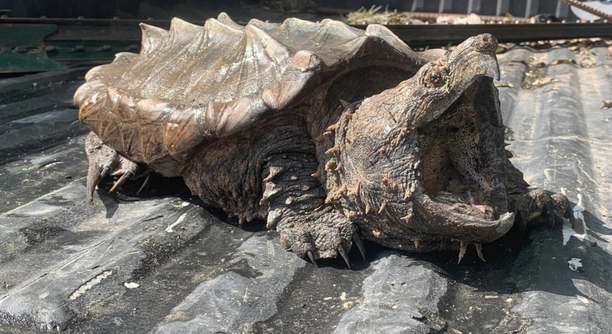
Alligator snapping turtles are fascinating creatures that require special care when it comes to their diet. Knowing what foods are safe and beneficial for them is essential to their health. Here’s a quick guide on what to avoid feeding your alligator snapping turtle.
Some foods can be harmful to your alligator snapping turtle and should be avoided. These include processed meats, dairy products, and high-fat foods. These items can cause digestive issues and even long-term health problems if consumed regularly.
By learning what foods to avoid, you can ensure your alligator snapping turtle stays healthy and thrives. It’s important to focus on providing a balanced diet that meets their specific nutritional needs.
Processed Meats: A Major Health Risk
Processed meats like hot dogs, lunch meats, or sausages may seem like a quick option for feeding your alligator snapping turtle. However, these foods are often high in salt and preservatives, which can lead to dehydration and kidney damage over time. The high fat content can also cause obesity and other health issues.
It’s important to stick with natural, fresh foods like fish or insects that are more suitable for their digestive system. Processed meats disrupt the natural balance of their diet and cause long-term harm. If you want your turtle to live a long, healthy life, avoid these processed options.
In addition to the negative effects on hydration and weight, processed meats can upset the turtle’s delicate digestive system. The preservatives and chemicals in these foods make them harder to digest, increasing the risk of gastrointestinal problems. Instead, stick with a more natural, varied diet of fresh protein sources such as fish, insects, and other aquatic creatures that are part of the turtle’s natural diet. A balanced diet with the right nutrients will keep your alligator snapping turtle healthier in the long run.
Dairy Products: Not Suitable for Turtles
Dairy products like cheese, milk, or yogurt can cause digestive problems for alligator snapping turtles. These reptiles lack the necessary enzymes to properly digest lactose, leading to upset stomachs or even diarrhea.
Their digestive system is not designed to handle dairy, which can lead to health complications if fed regularly. Instead, focus on fresh vegetables, fruits, and high-protein options.
High-Fat Foods: Dangerous in Large Amounts
High-fat foods, such as fatty meats or oily fish, should not be part of your alligator snapping turtle’s regular diet. These foods can lead to obesity, which can cause a number of health problems like heart disease and joint issues.
Turtles in the wild eat a balanced diet consisting of fish, insects, and aquatic plants. While small amounts of fat are necessary for their energy needs, too much can lead to excessive weight gain. Feeding them foods that are high in fat throws off this balance, putting their overall health at risk. It’s important to monitor their diet to avoid overfeeding fatty foods.
Additionally, high-fat foods may contribute to an increased risk of liver and kidney issues. The turtle’s digestive system isn’t equipped to handle excessive fat, and over time, this strain can lead to severe internal damage. To keep your alligator snapping turtle healthy, stick to foods with moderate fat content like lean fish or worms. They’ll thrive when fed the right balance of proteins and healthy fats.
Live Prey with Pesticides: Harmful to Turtles
Feeding your alligator snapping turtle live prey caught outside can be risky. Wild insects, fish, or frogs may have been exposed to pesticides or other chemicals.
The toxins in these substances can harm your turtle’s digestive system and lead to poisoning. It’s crucial to be cautious about where you source live prey, as pesticides are harmful to their health. Always make sure the food you provide is free from chemicals to avoid any unwanted health issues.
Processed Snacks: Not Ideal for Turtles
Processed snacks like chips or crackers may seem harmless, but they’re not suitable for your alligator snapping turtle. These foods contain additives and chemicals that are harmful to their health.
These snacks offer no nutritional value for turtles and can cause digestive issues. Their bodies cannot process the artificial ingredients and preservatives commonly found in processed snacks, leading to unnecessary strain on their systems. Stick to whole, natural foods to ensure a healthy diet.
Fruits with High Sugar Content: Best Avoided
Fruits like grapes or bananas are high in sugar and should be limited. Feeding them too often can lead to obesity or spikes in blood sugar.
Fruits in moderation are okay, but high-sugar fruits should be avoided. Alligator snapping turtles thrive on a balanced diet rich in protein and fiber, and sugary fruits can throw this balance off. Focus on offering them fruits with lower sugar content, such as apples or berries.
FAQ
What should I feed my alligator snapping turtle?
Alligator snapping turtles require a varied diet to stay healthy. Their primary diet consists of protein, including fish, worms, insects, and small amphibians. They also enjoy aquatic plants and vegetables like leafy greens, carrots, and squash. A mix of protein and plant matter ensures they get the nutrients they need for growth and energy. It’s important to adjust their diet based on their age and size, as younger turtles need more protein for growth, while adults benefit from a more balanced approach.
How often should I feed my alligator snapping turtle?
Alligator snapping turtles don’t need to be fed every day, especially as adults. For juveniles, feeding them every other day is ideal. Adults can be fed every two to three days, depending on their activity level and size. Overfeeding can lead to obesity, so it’s crucial to monitor the quantity and avoid excessive food intake. You can adjust the feeding schedule if you notice any weight changes or changes in behavior, ensuring that the turtle remains healthy and active.
Can I feed my alligator snapping turtle shrimp?
Yes, shrimp can be a great treat for your alligator snapping turtle. It’s a good source of protein, but it should be fed in moderation. Shrimp, especially when it’s raw, contains important nutrients such as omega-3 fatty acids. However, it’s essential not to overfeed shrimp because it can be high in cholesterol. Variety is key, so make sure you’re also offering other protein sources like fish or worms to keep their diet well-rounded.
Can my alligator snapping turtle eat chicken?
Chicken is not an ideal food for an alligator snapping turtle. Although they may consume it in the wild, chicken meat is too high in fat and not a natural part of their diet. Feeding chicken regularly can lead to long-term health issues such as obesity and liver problems. If you do feed chicken, ensure it is lean and given only as an occasional treat. Fresh fish and insects should be the primary protein sources for your turtle.
Can alligator snapping turtles eat fruits?
Yes, but fruits should be offered in moderation. While fruits like strawberries, raspberries, and apples are safe, they contain a lot of sugar. Excess sugar can cause digestive issues and contribute to obesity over time. Stick to fruits that have lower sugar content, and always balance fruit intake with proteins and vegetables. Fruits should never be the main part of their diet, but as an occasional treat, they are perfectly fine.
Are there any vegetables I should avoid feeding my alligator snapping turtle?
While vegetables are an important part of your turtle’s diet, not all vegetables are safe. Avoid feeding them vegetables like potatoes or onions, as they can be toxic or hard to digest. Leafy greens such as kale, collard greens, and dandelion greens are great choices. You can also offer squash and carrots for variety. Always wash vegetables thoroughly to remove any pesticides or chemicals before feeding them to your turtle.
What’s the best way to prepare food for my alligator snapping turtle?
The best way to prepare food for your alligator snapping turtle is to offer fresh, whole foods. Fish, insects, and vegetables should be cleaned and chopped into bite-sized pieces. For larger animals like fish, ensure the bones are soft and digestible by freezing them first to make them more manageable. It’s important to remove any harmful parts like skin, seeds, or excess fat that can be difficult for the turtle to digest.
Should I provide any supplements to my alligator snapping turtle?
In most cases, if your alligator snapping turtle is being fed a varied and balanced diet, they will not require supplements. However, calcium supplementation is beneficial for their shell and bone health. You can provide a calcium powder that can be sprinkled on their food once or twice a week. If you notice any signs of malnutrition or health problems, consult a vet for personalized recommendations regarding supplements.
Can I feed my alligator snapping turtle live prey?
Live prey like fish, crickets, and worms can be a natural part of their diet. Live prey can stimulate their hunting instincts and provide essential nutrients. However, it’s important to ensure the prey is free from pesticides or chemicals. Be cautious about feeding them larger animals that could pose a risk, and avoid wild-caught prey unless you are certain they haven’t been exposed to harmful substances.
Can I feed my alligator snapping turtle bread?
Bread is not a suitable food for alligator snapping turtles. While they might nibble on it out of curiosity, bread does not offer the necessary nutrients they need for proper health. The processed grains and additives in bread can upset their digestive system and should be avoided. Stick to a natural diet with protein, vegetables, and fruits.
Final Thoughts
Caring for an alligator snapping turtle involves providing a diet that is rich in natural, nutritious foods. Avoiding processed foods, high-fat items, dairy, and sugary fruits is essential for keeping your turtle healthy and thriving. Their diet should focus on protein from sources like fish, insects, and small amphibians, along with a variety of vegetables and plants. This balanced approach helps meet their specific nutritional needs while preventing long-term health issues such as obesity, digestive problems, and organ damage.
Understanding which foods to avoid and which to include will help you ensure that your alligator snapping turtle has the best chance at a long, healthy life. It’s important to remember that variety is key when it comes to their diet. Offering a mix of protein and plant matter will provide them with the nutrients they need to stay active and strong. Keep an eye on portion sizes to prevent overfeeding, and always choose fresh, natural options for their meals. With the right care and attention, your turtle will remain happy and healthy.
In the end, feeding your alligator snapping turtle doesn’t need to be complicated. By avoiding harmful foods and sticking to the basics—like fresh fish, worms, and leafy greens—you can provide a diet that supports their health and well-being. With the right food choices, your turtle will not only survive but thrive, giving you years of companionship and enjoyment.

Hello,
If you enjoy the content that we create, please consider saying a "Thank You!" by leaving a tip.
Every little bit helps us continue crafting quality advice that supports the health, happiness, and well-being of pets around the world, for pets of all shapes, sizes, and species.
We really appreciate the kindness and support that you show us!