
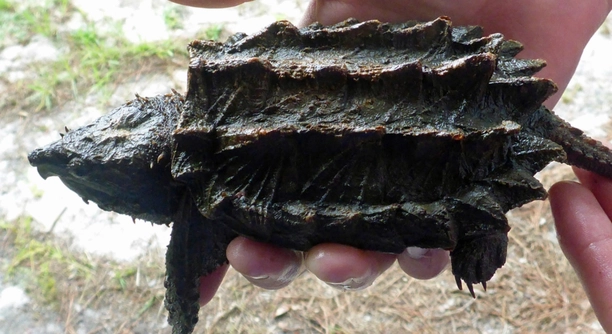
Alligator snapping turtles are fascinating creatures that thrive in environments that mimic their natural habitat. Providing them with a comfortable tank setup is essential for their health and well-being. A key aspect of their habitat is hiding spots.
Adding natural hiding spots to your alligator snapping turtle’s tank can significantly reduce stress and create a more comfortable environment. These turtles are naturally shy, and incorporating rocks, plants, and logs provides them with security and a sense of privacy.
This guide will explore several effective hiding spot options that can enhance your turtle’s habitat.
Adding Rocks for Natural Shelter
Rocks can be an excellent option for creating a hiding spot in your alligator snapping turtle’s tank. When selecting rocks, make sure they are smooth and large enough to provide shelter but not too heavy. The rocks should mimic the turtle’s natural environment, where they would hide among underwater rocks and debris. Place the rocks in a way that creates an arch or cave-like structure. This will encourage your turtle to crawl under or inside, providing a secure space to retreat to when they feel stressed. Rocks also provide a natural aesthetic, blending seamlessly with the rest of the tank’s decorations.
You may need to adjust the placement of the rocks over time. If your turtle outgrows the space or struggles to find its way under the rocks, make sure to adjust their placement accordingly. It’s important to make sure the rocks are firmly positioned, as any movement could harm your turtle.
Adding rocks is not only functional but enhances the overall appearance of your turtle’s habitat. Natural rock formations provide your turtle with a sense of security and give the tank a more authentic feel. The key is to ensure the rocks are safe, without sharp edges that could injure your turtle. With proper placement, these rocks create a cozy spot where your turtle can rest, hide, and feel safe.
Using Driftwood for Coverage
Driftwood adds both aesthetic value and practical coverage to your turtle’s tank. It can create multiple hideaways and gives your turtle the perfect space to retreat to. By placing it strategically, you allow the turtle to navigate through submerged or elevated areas, making it feel more secure.
Driftwood offers a natural look and can be positioned in a way that helps your turtle feel safe. It provides more than just a hiding place; it also helps to mimic the conditions turtles are accustomed to in the wild.
Live Plants as Hiding Spots
Live plants can be an excellent way to provide a natural hiding spot for your alligator snapping turtle. They also add oxygen to the tank and create a more vibrant environment. Select plants that thrive in aquatic settings and can tolerate being submerged for long periods.
By strategically placing plants, you create areas where your turtle can hide among the foliage. Plants like Java fern, Anubias, or Hornwort are ideal because they offer thick cover and grow quickly, providing ample space for your turtle to feel hidden. Be sure to maintain the plants regularly to ensure their health and provide long-lasting coverage.
Live plants also help maintain water quality by absorbing excess nutrients and providing filtration. The plants’ roots and leaves create a natural filter, which can help keep the tank clean. Over time, these plants will grow and fill the tank, offering even more hiding options as your turtle becomes accustomed to the space.
Plastic Plants for Low-Maintenance Hiding
Plastic plants can offer similar benefits to live plants without the maintenance. They provide a consistent hiding spot without requiring trimming or care. Choosing soft, flexible plastic plants ensures your turtle won’t get injured while navigating through them.
Plastic plants are available in various shapes and sizes, making it easy to find the right fit for your tank. You can create a dense forest of plants that will offer plenty of hiding areas for your turtle to explore. These plants can be arranged in clusters to provide layers of coverage, giving your turtle multiple options to choose from. Make sure the plants are firmly anchored to prevent them from floating.
Although plastic plants don’t help with water filtration like live plants, they can still create a visually appealing environment. They also serve as low-maintenance options, which is helpful for busy tank owners. Be sure to clean the plants regularly to prevent buildup of debris.
Coconut Caves for Hiding Spaces
Coconut caves are an affordable and natural option to add a hiding spot in your turtle’s tank. These are hollowed-out coconut shells, which provide a cozy, secure space for your turtle. They are durable and easy to maintain.
These caves are an excellent addition to your tank because they are both practical and aesthetic. The rough texture on the outside mimics natural logs or tree bark, adding to the environment’s authenticity. Simply place the coconut shell near a corner or behind some plants for an extra touch of security for your turtle.
PVC Pipes for Simple Hiding
PVC pipes are a simple and effective solution for creating hiding spots in your turtle’s tank. They’re inexpensive, easy to place, and can be stacked or arranged to form multiple hiding areas.
These pipes are also easy to clean, and their smooth surfaces reduce the risk of injury. You can cut them into various lengths to suit your tank’s setup. The pipes can be arranged in a variety of ways, providing your turtle with a sense of security while being simple to maintain.
FAQ
What kind of hiding spots do alligator snapping turtles need?
Alligator snapping turtles prefer a variety of hiding spots, including rocks, driftwood, and plants. They need spaces where they can retreat and feel safe, mimicking the natural shelters they would find in their wild habitat. Hiding spots can be large enough for the turtle to fully hide and allow them to regulate their stress levels.
How many hiding spots should be in my turtle’s tank?
It’s ideal to have at least two to three hiding spots in your turtle’s tank. This allows the turtle to choose a place that feels most secure depending on its mood or time of day. Make sure the hiding spots are spread out across the tank to give your turtle ample choices.
Are natural hiding spots better than artificial ones?
Both natural and artificial hiding spots can work well. Natural options, like live plants and rocks, tend to create a more realistic environment and are better at providing shelter. However, artificial options like plastic plants or coconut caves can also be effective and easier to maintain.
How can I make sure the hiding spots are safe for my turtle?
Check that the hiding spots are stable and won’t collapse or shift when your turtle moves around. Avoid sharp edges or rough surfaces that could injure your turtle. If using plants, make sure they’re non-toxic and won’t harm your turtle if eaten. Regularly inspect the tank for any issues.
Should I add any special substrates for hiding?
Substrate, like fine sand or gravel, can create a more natural environment for your turtle. It can help anchor plants and rocks, providing more opportunities for hiding. However, be cautious with substrates, as some can be difficult to clean and may impact water quality. Consider using a thin layer of sand for easy cleaning.
Can I add fake plants for hiding?
Fake plants can be useful for creating hiding spots without the need for maintenance. Ensure the plants are made of non-toxic materials and have soft edges. Avoid sharp plastic plants that could injure your turtle. Fake plants can also create a dense, layered environment for your turtle to explore.
Do I need to change the hiding spots often?
You don’t need to change the hiding spots frequently unless you notice that your turtle has outgrown them or seems to avoid them. If you do change them, make sure the new spots provide similar security and comfort. Regularly cleaning and maintaining hiding spots is more important than frequent changes.
Can I use driftwood as a hiding spot?
Yes, driftwood can be a great addition to your turtle’s tank. It provides a natural hiding spot and mimics the environment turtles are familiar with in the wild. Ensure that the driftwood is clean and safe for aquatic use, and place it securely in the tank to prevent it from floating or shifting.
Is it okay to have a hiding spot near the surface of the water?
It’s okay to place a hiding spot near the surface, especially if you have aquatic plants or driftwood that your turtle can climb over. Some turtles may enjoy basking or using higher ground as a hiding spot. Just make sure that the hiding spot is stable and secure.
Do I need to worry about tank size for hiding spots?
Tank size is important when placing hiding spots. A larger tank allows you to add more hiding spots, creating a more natural environment. In smaller tanks, be mindful not to overcrowd the space. Leave enough room for your turtle to swim, and ensure hiding spots don’t block important areas of the tank.
How do I know if my turtle is stressed?
Signs of stress in alligator snapping turtles include hiding more often than usual, refusing to eat, or exhibiting aggressive behavior. Stress can also manifest in physical signs like scratching or rubbing against surfaces. If you notice these signs, consider adjusting the tank setup, including adding or changing hiding spots.
Can I use PVC pipes as hiding spots?
PVC pipes are an excellent, low-maintenance option for hiding spots. They provide a simple, secure place for your turtle to hide and are easy to clean. Just be sure the pipes are large enough for your turtle to fit comfortably and won’t roll or shift. Smooth edges prevent injury.
Do alligator snapping turtles prefer more open spaces or tight hiding spots?
Alligator snapping turtles tend to prefer tight hiding spots. In the wild, they seek shelter in submerged areas or under rocks. Providing tight spaces in the tank will allow them to feel secure and reduce stress. However, they also appreciate some open areas for swimming and exploring.
How do I clean hiding spots in the tank?
Cleaning hiding spots involves regular maintenance to prevent algae and debris buildup. Use an aquarium-safe cleaning solution or mild water and vinegar solution to scrub the spots. Rinse thoroughly before placing them back into the tank. Ensure the water quality is kept clean as part of the process.
Can I add a cave or tunnel as a hiding spot?
Caves and tunnels can be great hiding spots for alligator snapping turtles. These structures provide privacy and help your turtle feel secure. You can either purchase pre-made tunnels or use materials like PVC pipes or coconut shells to create your own. Just ensure the opening is large enough for your turtle to enter easily.
Do hiding spots affect the turtle’s behavior?
Yes, hiding spots play a key role in your turtle’s behavior. They provide security, which helps reduce stress. When your turtle feels safe, it may become more active and display natural behaviors like hunting or exploring. Without hiding spots, turtles may become more anxious or aggressive.
Final Thoughts
Providing the right hiding spots for your alligator snapping turtle is crucial for its well-being. These turtles are naturally reclusive and prefer to have safe spaces where they can retreat and feel secure. By mimicking their natural environment with objects like coconut caves, driftwood, and rocks, you can help reduce stress and create a more comfortable habitat for them. Offering a variety of hiding spots, spread throughout the tank, allows the turtle to choose a place where it feels most at ease. This also helps the turtle feel in control of its environment, which is important for its overall health.
Maintaining these hiding spots is also essential. Regular cleaning and checking for any signs of damage ensures that the hiding spots continue to serve their purpose without causing harm to your turtle. Whether you choose natural items or artificial structures like PVC pipes, ensure that each hiding space is secure and safe. Avoid sharp edges or unstable objects that could potentially injure your turtle. By keeping your turtle’s hiding spots clean and safe, you will provide it with a stable and stress-free living environment. This, in turn, will encourage positive behavior and well-being.
In conclusion, creating an environment that encourages hiding and exploring is key to caring for your alligator snapping turtle. A well-planned tank with suitable hiding spots can greatly contribute to your turtle’s health. Remember to monitor your turtle’s behavior and adjust the tank setup if necessary. By offering a variety of hiding spots and ensuring they remain secure, you are giving your turtle the best possible home. Ultimately, a healthy, secure environment helps your turtle live a long and comfortable life in its tank.

Hello,
If you enjoy the content that we create, please consider saying a "Thank You!" by leaving a tip.
Every little bit helps us continue crafting quality advice that supports the health, happiness, and well-being of pets around the world, for pets of all shapes, sizes, and species.
We really appreciate the kindness and support that you show us!