
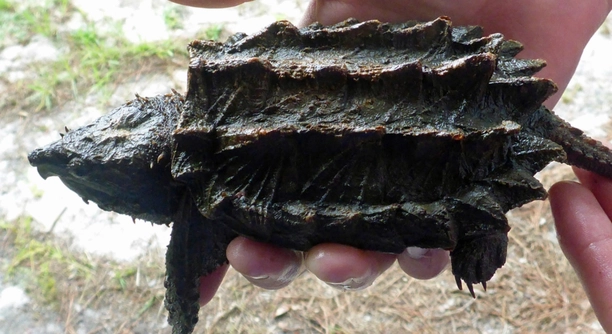
Alligator snapping turtles are fascinating creatures, but when they start floating too much, it can be concerning. If you have one as a pet, you may be wondering what might be causing this behavior.
Several factors could cause your alligator snapping turtle to float too much, such as health issues, improper water temperature, or buoyancy problems. It’s crucial to ensure your turtle’s habitat is suitable and that any underlying health concerns are addressed promptly.
Addressing these issues early will improve your turtle’s health and overall well-being. Understanding the causes of excess floating is an important step toward providing better care for your pet.
Health Issues That Cause Excess Floating
If your alligator snapping turtle is floating too much, it could be dealing with health problems like respiratory infections or internal issues. Turtles may float when they have a lung infection, as the excess air in their lungs causes buoyancy problems. You might notice other symptoms such as lethargy, lack of appetite, or abnormal behavior. If this is the case, it’s important to get your turtle checked by a vet who specializes in reptiles.
Keeping the water clean and maintaining a stable environment will help prevent some health problems, but sometimes, illness can still arise. Infections or internal blockages may require professional care, so don’t hesitate to seek help.
A common sign that your turtle may be struggling with health issues is floating at an odd angle or not being able to dive properly. These changes in behavior could indicate that there is something more serious happening. Early detection can make a big difference in treatment options, so monitoring your turtle closely is key.
Improper Water Conditions
Water temperature and quality are vital to the health of your turtle. If the water is too warm or cold, it can affect their buoyancy and overall well-being. Maintaining a steady water temperature between 75 and 80 degrees Fahrenheit will help prevent discomfort.
If the water is too warm or too cold, it can impair digestion and make the turtle feel unwell, leading to excessive floating. Turtles are sensitive to changes in their environment, so ensuring the water is at the right temperature is crucial.
In addition to temperature, water quality plays an important role. Polluted water can cause health issues, affecting buoyancy and other behaviors. Regular water changes and using a filtration system can help create a clean, stable environment. This gives your turtle the best chance to thrive and stay healthy.
Buoyancy Problems
Buoyancy problems are common in alligator snapping turtles and may be the reason your turtle is floating too much. These problems often stem from issues within the turtle’s body, such as an imbalance in the air sac or issues with the digestive system.
Turtles rely on their air sacs to regulate their buoyancy in the water. If the air sac is damaged or not functioning properly, it can cause floating. Additionally, an imbalance in the turtle’s diet or undigested food can also lead to digestive problems, affecting buoyancy.
If you suspect a buoyancy issue, observing your turtle’s behavior carefully can help. If the turtle has difficulty diving or seems to float at odd angles, it might be experiencing buoyancy problems. You may need to adjust its diet or take it to a vet for further care.
Lack of Exercise
Exercise is essential for keeping your alligator snapping turtle in good shape. A lack of movement can lead to weak muscles, which in turn affects their ability to control buoyancy. Turtles need space to move around, swim, and dive to maintain their health.
Turtles that are confined to small enclosures or lack the opportunity to move freely might develop muscle weakness. This can result in floating or an inability to dive properly, affecting the overall health of your turtle. Providing enough space for them to swim and exercise regularly is key to preventing this issue.
Turtles also need an environment where they can climb and rest out of the water. This helps maintain their physical condition and gives them the opportunity to dry out, which is important for their well-being. Encouraging exercise is a simple but important step to improve your turtle’s health.
Overfeeding
Overfeeding can lead to floating issues in your alligator snapping turtle. Excess food, especially high-protein diets, can cause bloating, affecting buoyancy. It’s important to avoid overfeeding to maintain a healthy weight and prevent digestion issues.
Feeding your turtle in moderation is key to avoiding problems with floating. Offer food that is appropriate for its age and size, and remove uneaten food to prevent water pollution. This will help maintain a balanced diet and a healthy environment.
Tank Size
A small tank can restrict your turtle’s movement, leading to buoyancy problems. Alligator snapping turtles need plenty of space to swim and exercise. Without enough room, they may struggle with buoyancy and overall health.
A tank that is at least 75 gallons will provide enough space for your turtle to move freely. This gives your turtle the opportunity to exercise and maintain a healthy weight, which can prevent floating problems. The larger the tank, the better the conditions for your turtle’s well-being.
Improper Diet
An improper diet can lead to various health issues, including buoyancy problems in alligator snapping turtles. If your turtle is not getting the right balance of nutrients, it can affect its digestive system and cause floating.
A healthy diet for your turtle includes a mix of protein, vegetables, and calcium. Avoid feeding them too many fatty or high-protein foods, as this can lead to digestive issues or bloating. Regularly changing up their meals and ensuring a balanced diet can help prevent these problems.
FAQ
Why is my alligator snapping turtle floating so much?
Floating in alligator snapping turtles can be caused by several factors. The most common reason is a health issue like a respiratory infection, digestive problems, or buoyancy issues related to the air sac. It’s important to check your turtle’s behavior and overall health. Floating at an unusual angle or difficulty diving are key signs. If you notice these behaviors, consult a reptile vet for a proper diagnosis.
How can I prevent my turtle from floating?
To prevent excessive floating, make sure your turtle’s habitat is ideal. Ensure the water temperature stays between 75-80°F, and maintain clean water conditions. Also, avoid overfeeding, as excessive food can lead to bloating. Provide ample space for your turtle to move around, which helps prevent weak muscles and buoyancy issues. Regular monitoring and proper care will go a long way in preventing floating problems.
Can floating be a sign of a serious health issue?
Yes, floating can indicate a serious health issue, especially if it’s related to internal infections or digestive problems. Respiratory infections, for instance, can cause the turtle to struggle with proper buoyancy due to excess air in the lungs. If your turtle is floating at odd angles, appears lethargic, or refuses food, these could be signs that it’s dealing with a health issue that requires immediate veterinary attention.
What should I do if my turtle continues to float despite the proper water conditions?
If your turtle continues to float despite having the right water temperature, diet, and tank conditions, it could be a sign of an underlying health problem. It’s best to have a veterinarian examine your turtle to rule out issues like respiratory infections, buoyancy disorders, or internal blockages. Keep observing your turtle’s behavior to provide the vet with useful information regarding its condition.
How often should I feed my alligator snapping turtle?
Feeding your alligator snapping turtle twice a week is typically sufficient, depending on its age and size. Hatchlings require more frequent feedings, while adult turtles need less. It’s important to avoid overfeeding, as this can lead to bloating and digestive issues, which can worsen buoyancy problems. Always remove uneaten food to prevent water contamination and unhealthy water conditions.
Can I put my turtle in a larger tank to fix its floating problem?
Yes, increasing the size of your turtle’s tank can help. A larger tank allows for more movement, which supports the turtle’s physical health and can prevent buoyancy issues. Providing a spacious environment allows the turtle to exercise, swim, and dive, which helps maintain its muscle strength and control over buoyancy. Make sure the tank has enough filtration and proper water conditions to accommodate the larger space.
Should I adjust the diet of my floating alligator snapping turtle?
Yes, adjusting the diet may help prevent floating. A balanced diet that includes appropriate amounts of protein, vegetables, and calcium is essential. Overfeeding protein-rich foods or offering food that is too fatty can cause bloating and digestive issues, leading to floating. Aim for a variety of foods, and avoid excessive amounts of high-protein or fatty meals.
Is it normal for my alligator snapping turtle to float occasionally?
Occasional floating may be normal, especially if your turtle is adjusting to changes in its environment or diet. However, constant floating or floating at unusual angles should not be ignored. Regularly monitor your turtle’s health, and if the floating persists or worsens, consult a veterinarian for further evaluation.
Can tank temperature affect my turtle’s buoyancy?
Yes, the tank temperature has a significant impact on your turtle’s buoyancy. Water that is too warm or too cold can affect your turtle’s digestive system and overall buoyancy. For an alligator snapping turtle, the ideal water temperature is between 75 and 80°F. Keeping the water within this range helps to ensure proper digestion and overall health, which can reduce floating issues.
What other signs should I look for if my turtle is floating too much?
If your alligator snapping turtle is floating excessively, look for other signs like lack of appetite, lethargy, abnormal swimming patterns, or difficulty diving. These can all point to a potential health issue. Keep track of your turtle’s behavior, and take notes to share with a vet for better diagnosis and treatment options.
Can poor water quality cause floating in turtles?
Yes, poor water quality can cause a variety of health problems in turtles, including floating. If the water is polluted or improperly filtered, it can lead to respiratory infections, skin problems, or digestive issues that may affect buoyancy. Regularly change the water, clean the tank, and use a good filtration system to maintain a clean environment for your turtle.
What type of food is best for an alligator snapping turtle?
The best diet for an alligator snapping turtle consists of a mix of protein, vegetables, and calcium. Offer live or frozen food like fish, worms, and small amphibians, along with leafy greens, aquatic plants, and calcium-rich foods like cuttlebone. It’s essential to maintain a balanced diet to prevent digestion problems and maintain healthy buoyancy.
Can I give my turtle supplements to help with floating?
If your turtle is floating due to calcium deficiencies or buoyancy problems, supplements might help. Consult your vet before introducing supplements to ensure they are appropriate for your turtle’s condition. In many cases, improving the diet and water quality is enough to address buoyancy issues, but a vet may recommend specific supplements based on your turtle’s needs.
How long does it take for a turtle to recover from floating problems?
Recovery time depends on the cause of the floating issue. If the cause is a mild digestive problem or improper diet, improvement could be seen within a few days to a week. If the issue is more severe, such as an infection or internal blockage, it may take longer and require veterinary treatment.
Should I worry about my turtle floating on its back?
Floating on its back can be a sign of serious health problems, such as respiratory infections or buoyancy disorders. If your turtle is consistently floating upside down and unable to right itself, seek professional veterinary help immediately. This condition can cause stress and health complications if left untreated.
Final Thoughts
In conclusion, there are several factors to consider if your alligator snapping turtle is floating too much. It could be a result of overfeeding, an improper diet, or tank conditions. Understanding how these elements affect your turtle’s buoyancy is essential in managing the situation. By adjusting the tank size, water quality, and feeding habits, you can create a healthier environment for your turtle. Regular maintenance of the tank and monitoring the turtle’s behavior are also critical to prevent floating from becoming a persistent problem.
It’s also important to remember that floating can sometimes indicate a serious health issue. If your turtle continues to float despite changes in diet and tank conditions, a veterinary checkup is necessary. Health problems like respiratory infections or digestive issues are common causes of abnormal floating and require prompt attention. Identifying the issue early can help you prevent long-term damage and keep your turtle in good health. While minor floating can happen occasionally, persistent or severe floating is a signal that further steps should be taken.
Ultimately, the key to managing your turtle’s buoyancy is a balanced approach to care. This includes providing a proper diet, maintaining the right water conditions, and giving your turtle enough space to swim and exercise. With regular attention and proper care, your alligator snapping turtle can live a long, healthy life without floating problems.

Hello,
If you enjoy the content that we create, please consider saying a "Thank You!" by leaving a tip.
Every little bit helps us continue crafting quality advice that supports the health, happiness, and well-being of pets around the world, for pets of all shapes, sizes, and species.
We really appreciate the kindness and support that you show us!