
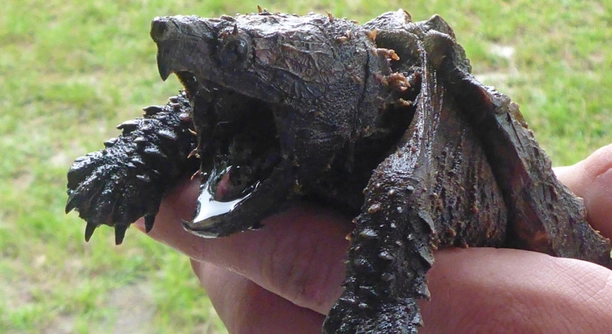
Alligator snapping turtles are fascinating creatures, but they can face stress due to various factors. Understanding the reasons behind this stress can help keep them healthy and comfortable in their environment.
Several factors contribute to stress in alligator snapping turtles, including inadequate habitat conditions, improper diet, lack of stimulation, physical injuries, temperature fluctuations, poor water quality, and even loud noises. Each of these elements can negatively affect their well-being.
Recognizing these stressors will help you provide a better environment for your turtle and ensure their happiness and health over time.
Habitat Conditions
The environment of an alligator snapping turtle plays a significant role in its stress levels. These turtles are native to rivers, lakes, and swamps, so they need an aquatic space that mimics their natural habitat. If their habitat is too small, lacks hiding spots, or has improper water conditions, they may become stressed. Water temperature should stay between 75-85°F (24-29°C) to keep the turtle comfortable. If the water gets too warm or too cold, it can cause health issues and stress. Additionally, having access to dry land for basking is important for their overall well-being. The tank should also be large enough to allow for swimming, which is crucial for their mental and physical health.
Proper filtration and frequent water changes are essential in preventing toxins from building up in their environment. Dirty water leads to bacterial infections, which can increase stress. A clean, well-maintained tank will help your turtle feel at ease and reduce stress-related behaviors.
Your turtle’s habitat is one of the most important factors in their health. Keeping it clean and properly set up will go a long way in preventing stress.
Diet and Nutrition
A proper diet is essential for an alligator snapping turtle’s health. They are opportunistic feeders and require a varied diet of proteins, fruits, vegetables, and occasional live prey. If your turtle’s diet is imbalanced or lacking in key nutrients, stress and health problems are likely to follow. You should provide a mix of high-protein foods like fish, insects, and worms, along with calcium-rich vegetables like kale and collard greens. Inadequate nutrition can lead to malnourishment and weak bones, further increasing stress levels.
Turtles also need to have access to fresh, clean water for drinking and soaking. Dehydration can cause stress, so it is important to keep their water dish fresh and clean at all times. Make sure the food you offer is appropriately sized and not too large to avoid choking.
Understanding your turtle’s dietary needs and offering them the right balance of food will help keep them stress-free.
Temperature Fluctuations
Temperature fluctuations can significantly impact the stress levels of an alligator snapping turtle. These turtles require a stable environment, with temperatures between 75-85°F (24-29°C). Extreme temperature changes, especially sudden drops or spikes, can cause physical stress and affect their metabolism.
When the temperature is too low, the turtle becomes lethargic and may refuse to eat. On the other hand, excessively high temperatures can lead to overheating, which is dangerous and can cause dehydration. A reliable thermometer and heating system are necessary to maintain the right temperature range. Investing in a high-quality water heater will help regulate the environment.
Without consistent temperatures, your turtle may experience ongoing stress, making them more susceptible to illness. A stable environment is essential for both their physical and mental health.
Water Quality
Water quality is one of the most critical factors in preventing stress. Poor water quality can lead to skin and shell infections, breathing problems, and general discomfort. It’s essential to maintain clean, clear water free from harmful chemicals and bacteria.
Regular water changes and a high-quality filter are necessary to keep the tank clean. Be sure to test the water regularly for pH levels, ammonia, nitrites, and nitrates. Ideal pH levels for alligator snapping turtles should range between 6.8 and 7.8, which helps keep their skin and shells healthy.
The cleaner the water, the less likely your turtle will face health issues. Poor water quality not only increases stress but also shortens the lifespan of your turtle. Regular maintenance of their environment helps avoid problems before they start.
Loud Noises
Loud, sudden noises can startle your alligator snapping turtle and cause unnecessary stress. These turtles are naturally cautious and sensitive to changes in their environment. Constant noise pollution can interfere with their ability to relax and thrive.
Avoid placing your turtle’s tank near loud appliances, televisions, or high-traffic areas. A quiet, calm environment is essential to maintaining their stress-free life.
While they may not show immediate signs of stress, the ongoing noise can lead to anxiety and health issues in the long run. Providing a peaceful space will help your turtle feel more secure and at ease.
Physical Injuries
Physical injuries can be a major source of stress for your alligator snapping turtle. These turtles are not immune to accidental harm, whether it’s a bump, scratch, or more severe injury. Even small injuries can cause discomfort, affecting their overall behavior.
If your turtle sustains an injury, make sure to assess the situation immediately and provide proper care. Injuries can also lead to infections if not treated, which increases stress further. Keeping a close eye on their health and behavior after any incident ensures that they are not in pain or distress.
Addressing physical injuries quickly and properly can reduce stress and speed up recovery for your turtle.
Improper Lighting
Improper lighting can impact your alligator snapping turtle’s natural rhythms and contribute to stress. These turtles need exposure to UVB light for a few hours each day to ensure proper vitamin D3 production and calcium absorption. Without proper lighting, they can develop shell deformities or weakened bones, which causes physical stress.
It’s important to provide both UVB and heat lamps in their habitat. Ensure the lighting is set on a cycle that mimics natural day and night patterns, as irregular light exposure can disrupt their biological clock.
By giving your turtle the right amount of light, you can help maintain their health and prevent stress.
FAQ
What is the best water temperature for an alligator snapping turtle?
The ideal water temperature for an alligator snapping turtle ranges from 75-85°F (24-29°C). Temperatures outside this range can cause stress and impact their health. Use a reliable water heater and thermometer to ensure the water stays within this range. Too cold or too hot water can lead to lethargy or overheating, both of which are harmful.
How often should I change the water in my turtle’s tank?
Water should be changed regularly to maintain a healthy environment. Typically, about 25-30% of the water should be replaced once a week, depending on the size of the tank and the filtration system. If your turtle’s tank is small or the water becomes dirty quickly, more frequent changes may be necessary to prevent stress from poor water quality.
Can I feed my alligator snapping turtle only meat?
No, alligator snapping turtles require a balanced diet. While they are primarily carnivorous, they also need a variety of vegetables, such as kale, lettuce, and squash, for proper nutrition. Offering only meat can lead to nutritional imbalances and health issues. A diverse diet ensures that your turtle receives all the vitamins and minerals it needs to stay healthy.
How do I know if my turtle is stressed?
Signs of stress in an alligator snapping turtle include erratic swimming, a loss of appetite, hiding more than usual, and changes in behavior like aggression or lethargy. If these behaviors persist, it’s important to check the water quality, temperature, and environment to ensure they are in optimal conditions. Stress can also be caused by injury or improper lighting.
How can I improve my turtle’s habitat to reduce stress?
To improve your turtle’s habitat, ensure it’s large enough for swimming and has hiding spots to make the turtle feel secure. Maintain proper water temperature, provide UVB lighting, and install a high-quality filter to keep the water clean. Avoid placing the tank in a high-traffic or noisy area to reduce stress from constant disturbances. Regular maintenance, like cleaning the tank and testing water parameters, will also help keep your turtle comfortable.
What kind of substrate is best for an alligator snapping turtle’s tank?
For alligator snapping turtles, it’s best to use a smooth, non-abrasive substrate such as river rocks or sand. Avoid sharp gravel, which can hurt your turtle’s sensitive skin and shell. The substrate should not be deep enough for your turtle to become buried, as this could cause stress or difficulty moving.
Is it safe to house an alligator snapping turtle with other turtles?
It’s not recommended to house an alligator snapping turtle with other turtles, especially species that are smaller or less aggressive. Alligator snapping turtles can be territorial and may become aggressive toward other turtles, especially during feeding times. If you do house them with others, ensure there is enough space for each turtle to claim its territory.
How long can an alligator snapping turtle live in captivity?
Alligator snapping turtles can live for several decades in captivity, with a lifespan of 40-60 years being typical. Proper care, including a balanced diet, a well-maintained habitat, and regular health checks, will help your turtle live a long, healthy life. Keep in mind that as they age, their care needs may change, so continual learning and adaptation to their environment are necessary.
Can I use a regular aquarium light for my turtle?
No, alligator snapping turtles require specialized UVB lighting to ensure proper calcium absorption and overall health. Regular aquarium lights do not provide the necessary UVB rays. It’s important to invest in a UVB light designed for reptiles to prevent health issues such as shell deformities and metabolic bone disease. Ensure the light is placed correctly, so the turtle can bask under it for several hours each day.
How much space does an alligator snapping turtle need in its tank?
An alligator snapping turtle requires a tank that provides ample swimming space. A 75-gallon tank is the minimum recommended size for an adult, though larger tanks are better. The tank should have both aquatic and terrestrial areas. A large tank allows your turtle to move freely, reducing stress and ensuring proper exercise.
What should I do if my turtle is not eating?
If your turtle stops eating, it could be a sign of stress, illness, or environmental issues. Check the water quality, temperature, and lighting to rule out any environmental factors. If these seem fine, it’s important to monitor for other signs of illness, such as lethargy or changes in behavior. If your turtle continues not to eat, consult a veterinarian who specializes in reptiles.
Can my alligator snapping turtle get too much UVB light?
Yes, while UVB light is crucial for your turtle’s health, too much exposure can cause skin damage. It’s important to regulate the amount of time your turtle spends under the UVB light. Typically, 10-12 hours of light per day is sufficient, mimicking natural day and night cycles. Be sure to position the light at the proper distance to avoid overexposure.
Why is my alligator snapping turtle staying on the bottom of the tank?
Spending time on the bottom of the tank is normal for alligator snapping turtles, as they tend to rest in place. However, if your turtle is constantly on the bottom and not moving much, it may be stressed, sick, or uncomfortable. Check for signs of injury, illness, or poor water conditions, and make adjustments to their habitat if necessary. If the behavior persists, seek veterinary advice.
Can I keep my alligator snapping turtle outdoors?
In suitable climates, alligator snapping turtles can live outdoors, but their environment must be safe and secure. Make sure there are no predators, and that the outdoor pond has adequate water quality, temperature regulation, and UVB light. Outdoor enclosures should have both land and water areas, along with proper shelter for your turtle to feel secure.
How do I know if my turtle has a shell infection?
Signs of a shell infection in an alligator snapping turtle include soft spots, discoloration, and foul-smelling areas on the shell. If the shell becomes soft or exhibits unusual bumps, it may be an indication of an infection. Prompt treatment with proper medical care is essential to prevent the infection from spreading. Always consult a veterinarian when you suspect any shell-related health issues.
Final Thoughts
Caring for an alligator snapping turtle requires attention to detail and a commitment to providing the best environment for them. Their unique needs, such as specific water temperature, lighting, and diet, make them an interesting but challenging pet. Ensuring their habitat is clean, spacious, and safe will help prevent stress and health issues. Regular water changes, proper UVB lighting, and a balanced diet of meat and vegetables are essential to their well-being.
It is important to observe your turtle closely for any signs of stress or illness. Changes in behavior, such as loss of appetite or lethargy, should be taken seriously and addressed quickly. Regularly checking water parameters and making sure your turtle has enough space to swim and hide will help maintain a healthy environment. Remember that alligator snapping turtles have a long lifespan, so being prepared for their needs as they age is crucial.
In conclusion, alligator snapping turtles can make fascinating pets for those who are willing to invest time and effort into their care. Their longevity and unique characteristics offer many years of companionship. By ensuring their environment meets all of their needs, including proper tank size, diet, and care, you can help your turtle live a healthy and happy life. With patience and commitment, you can enjoy a strong bond with your alligator snapping turtle for many years to come.

Hello,
If you enjoy the content that we create, please consider saying a "Thank You!" by leaving a tip.
Every little bit helps us continue crafting quality advice that supports the health, happiness, and well-being of pets around the world, for pets of all shapes, sizes, and species.
We really appreciate the kindness and support that you show us!