
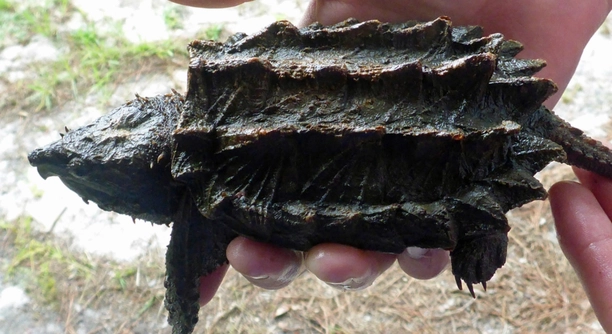
Alligator snapping turtles are fascinating creatures but require specific care to thrive. Common mistakes in their care can affect their health and happiness. Understanding the most frequent errors can help ensure your turtle lives a long, healthy life.
The most common mistakes in alligator snapping turtle care include improper tank size, inadequate water filtration, incorrect water temperature, poor diet, and handling stress. These issues can lead to health problems such as shell rot, stress, and even premature death.
By avoiding these common mistakes, you can provide your alligator snapping turtle with a healthy environment.
Choosing the Right Tank Size
A common mistake is selecting a tank that’s too small for an alligator snapping turtle. These turtles can grow large, so a small tank can lead to a host of issues. A cramped environment can cause stress, make it harder for them to find food, and affect their overall well-being. It’s crucial to provide an adequate tank size to allow your turtle to move around comfortably.
The minimum recommended tank size for an adult alligator snapping turtle is 75 gallons, though larger is always better. A bigger tank will also help maintain water quality and make it easier to manage the turtle’s waste.
Turtles need room to swim and explore. Without sufficient space, they can become lethargic or even aggressive. A spacious tank not only supports their physical health but also provides mental stimulation. Be sure to include plenty of space for both the turtle and any other tankmates.
Proper Water Filtration
Many turtle owners overlook the importance of a good water filtration system. Clean water is essential for an alligator snapping turtle’s health. Without proper filtration, toxins and waste can build up quickly, leading to poor water quality and even health problems.
Alligator snapping turtles are messy eaters and produce a significant amount of waste. A high-quality filtration system is essential to maintain clean water. Opt for a filter rated for a larger tank than you currently have. This will ensure it handles the waste load effectively, keeping the water clear and safe for your turtle.
Besides maintaining water quality, proper filtration helps prevent diseases like shell rot and fungal infections. When water stays clean, your turtle will be healthier and less stressed. A good filter reduces the frequency of water changes and makes tank maintenance much easier.
Incorrect Water Temperature
Alligator snapping turtles are cold-blooded, meaning their body temperature depends on the surrounding environment. Maintaining the right water temperature is essential for their health. Water that’s too cold or too warm can cause stress and digestive issues.
A temperature range between 72°F and 78°F is ideal for alligator snapping turtles. Using a reliable water heater is a must to keep the water at a consistent temperature. Make sure to monitor it regularly with a thermometer. Extreme fluctuations can lead to sickness or discomfort, so consistency is key.
Water temperature affects the turtle’s metabolism and activity levels. If the water is too cold, your turtle may become sluggish or stop eating. If it’s too hot, they may become stressed or suffer from dehydration. Proper water temperature helps keep their immune system strong and their overall health in check.
Poor Diet
A well-balanced diet is crucial for alligator snapping turtles. Offering a varied diet ensures they get all the essential nutrients. Many owners make the mistake of feeding them the wrong types of food, which can lead to malnutrition.
Alligator snapping turtles are opportunistic feeders and thrive on a mix of protein and plant matter. You can feed them fish, worms, snails, and some leafy greens. However, be careful about overfeeding protein-rich foods, as this can lead to kidney problems. Try offering a balanced diet every few days, and avoid feeding them too often.
A varied diet helps promote a healthy shell, strong bones, and proper digestion. Offering different food items also helps prevent boredom. Keeping the turtle’s diet varied and nutritious will contribute to a longer and healthier life.
Inadequate UVB Lighting
Alligator snapping turtles need proper UVB lighting to help them process calcium and maintain healthy bones. Without UVB light, they risk developing metabolic bone disease, which can be serious.
A UVB light should be placed above the basking area, where your turtle can access it easily. Replace the bulb regularly, as UVB strength weakens over time, even if the light still works.
UVB lighting also helps regulate their sleep cycle. Without it, your turtle may become stressed or inactive, leading to other health issues. Proper lighting is essential for their overall well-being.
Stress from Handling
Handling your alligator snapping turtle too often can cause stress. These turtles are not social animals and prefer to stay in their environment without unnecessary interaction.
Excessive handling can lead to aggression, hiding, or loss of appetite. It’s important to let them explore their habitat freely, only handling them when necessary for cleaning or health checks.
Stress also weakens their immune system, making them more vulnerable to illness. If you do handle them, be gentle and avoid rough interactions. Keep handling to a minimum for a happier, healthier turtle.
Improper Substrate
Choosing the wrong substrate can affect both the cleanliness of the tank and your turtle’s health. Gravel and small rocks can get stuck in their mouths or digestive system, causing blockages.
Instead, opt for a larger substrate like sand or smooth pebbles. These materials are safer and easier to clean. A clean, simple substrate promotes better water quality and provides your turtle with a more natural environment.
A clean tank is essential to avoid issues like bacteria buildup or digestive problems. Regular cleaning and replacing of the substrate will help maintain a healthy and stress-free environment for your turtle.
FAQ
How often should I feed my alligator snapping turtle?
Feeding frequency depends on the age and size of your turtle. Juveniles need to be fed more often, about every other day, while adults can eat two to three times a week. Always monitor your turtle’s weight and adjust feeding based on their activity level and growth. Overfeeding can lead to obesity and other health issues, so it’s best to stick to a consistent feeding schedule with appropriate portions.
What temperature should the water be for an alligator snapping turtle?
The water temperature should be kept between 72°F and 78°F. Maintaining this range helps your turtle regulate its metabolism and stay active. A water heater can help keep the temperature stable, as sudden temperature fluctuations can cause stress or health problems.
Can alligator snapping turtles live with other turtles or tank mates?
It’s not recommended to house alligator snapping turtles with other species, especially smaller turtles, as they can become aggressive. These turtles are solitary and territorial, so even other alligator snapping turtles can sometimes be a problem. If you choose to add tank mates, make sure they’re large enough to avoid being seen as prey.
What kind of lighting do alligator snapping turtles need?
Alligator snapping turtles need both UVA and UVB lighting. UVB lighting is particularly important for their calcium absorption and bone health. Place the UVB light above the basking area to allow your turtle to bask under it regularly. You should also provide a heat light to maintain a proper basking spot temperature.
How can I tell if my alligator snapping turtle is sick?
Signs of illness in an alligator snapping turtle include lack of appetite, lethargy, swelling or discoloration on the shell, and abnormal behavior such as excessive basking or hiding. If you notice these symptoms, consult a vet who specializes in reptiles for advice and treatment.
What is the ideal tank size for an alligator snapping turtle?
The minimum recommended tank size for an adult alligator snapping turtle is 75 gallons. A larger tank is always better to allow them plenty of space to swim and explore. Additionally, a larger tank helps maintain water quality and provides room for any necessary filtration equipment.
How often should I change the water in my alligator snapping turtle’s tank?
Water should be changed regularly to keep the tank clean. In general, you should change about 25-50% of the water every week. However, if you have a powerful filtration system, you may be able to go longer between water changes. Always test the water to ensure it’s safe for your turtle.
Can alligator snapping turtles live outside?
Yes, but only in the right climate and environment. If you live in a warm climate with a secure outdoor enclosure, your turtle may benefit from living outside. The enclosure should have access to clean water, proper basking areas, and protection from predators. Make sure the outdoor habitat mimics their natural environment as closely as possible.
What type of food should I feed my alligator snapping turtle?
Alligator snapping turtles are omnivores, but their diet should be primarily protein-based. They can eat fish, worms, snails, and crickets. You can also feed them leafy greens, aquatic plants, and fruits. Make sure to offer a balanced diet to meet their nutritional needs and avoid feeding them only one type of food.
How do I keep my alligator snapping turtle’s shell healthy?
A healthy shell starts with a clean environment. Keeping the water clean and ensuring proper UVB lighting are key to maintaining shell health. You should also feed your turtle a balanced diet with adequate calcium and vitamin D3. Regularly check for signs of shell rot, which can develop if the turtle is kept in unsanitary conditions.
What should I do if my alligator snapping turtle isn’t eating?
If your turtle stops eating, first check the water temperature, as improper temperatures can cause a loss of appetite. Stress from too much handling or improper tank conditions can also cause your turtle to refuse food. If these issues are addressed and your turtle still isn’t eating, consider a vet visit for further evaluation.
Are alligator snapping turtles aggressive?
Yes, alligator snapping turtles can be aggressive, especially when they feel threatened or are trying to protect their territory. They are known to bite, so always handle them carefully. It’s essential to give them space and avoid unnecessary contact to reduce stress and prevent aggressive behavior.
How long do alligator snapping turtles live?
Alligator snapping turtles can live for a long time, with a lifespan of up to 50 years or more in the wild. In captivity, with proper care, they can live up to 40-50 years. Providing a proper habitat, diet, and environment will ensure they live a long, healthy life.
What kind of substrate should I use in my alligator snapping turtle’s tank?
The best substrate for alligator snapping turtles is smooth gravel or sand. Avoid small rocks that could be ingested, as they could cause internal blockages. The substrate should be easy to clean and maintain to keep the tank environment healthy for your turtle.
Do alligator snapping turtles need a filter?
Yes, a high-quality filter is essential for alligator snapping turtles. They are messy eaters and produce a lot of waste, which can quickly pollute the water. A filter helps maintain clean water, reducing the need for frequent water changes and preventing harmful bacteria growth.
Final Thoughts
Caring for an alligator snapping turtle can be a rewarding experience, but it requires attention to detail. These turtles need a proper tank, the right temperature, and a balanced diet. Setting up the right environment is essential to their health and happiness. If you’re new to turtle care, it’s important to research their specific needs and be prepared for long-term commitment. Understanding their behavior and adjusting care routines as they grow will help you avoid common mistakes. Keeping them in a clean, well-maintained tank and providing the proper lighting will go a long way in ensuring they thrive.
It’s important to remember that alligator snapping turtles are wild animals. While they can live in captivity for many years, they should never be treated as low-maintenance pets. They require care, patience, and respect. These turtles can live for decades, which means you’ll be responsible for their well-being over a long period. Their health is closely tied to their living conditions, and neglecting these needs can lead to illness and stress. Regular check-ups with a vet familiar with reptiles can also ensure that your turtle is on track and living a healthy life.
In conclusion, taking care of an alligator snapping turtle involves understanding their natural behavior and needs. They can be fascinating pets when cared for properly. Ensure that their habitat is large enough, their diet is balanced, and that they receive regular maintenance. With the right care, your alligator snapping turtle can live a long and healthy life in your care. Take the time to learn about these incredible creatures and enjoy the experience of watching them grow.

Hello,
If you enjoy the content that we create, please consider saying a "Thank You!" by leaving a tip.
Every little bit helps us continue crafting quality advice that supports the health, happiness, and well-being of pets around the world, for pets of all shapes, sizes, and species.
We really appreciate the kindness and support that you show us!