
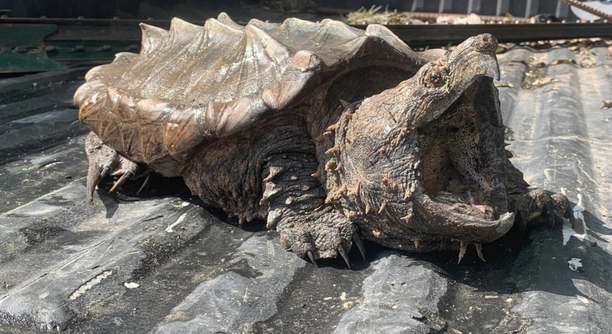
Alligator snapping turtles are unique and fascinating creatures. When it comes to setting up their tank, it’s important to create an environment that mimics their natural habitat. The right decorations can enhance both their well-being and your enjoyment.
Choosing the best tank decorations for alligator snapping turtles involves considering their need for both functional and aesthetic items. Items like logs, plants, and rocks can help create hiding spaces, encourage natural behaviors, and improve water quality.
There are many different decorations to consider, from natural-looking elements to functional items that help maintain a healthy environment. We will explore some of the best options for your turtle’s tank.
Creating Natural Hiding Spaces
Alligator snapping turtles are naturally shy and enjoy having places to hide. Providing adequate hiding spaces in the tank helps them feel secure and reduces stress. Using driftwood, rocks, and large aquatic plants can create these spaces. Make sure to include both submerged and partially submerged areas, as these turtles enjoy resting under water but also need access to air.
A tank with natural hiding spots promotes a sense of safety, which is essential for their health. Turtles that feel stressed may show signs of poor eating habits or unusual behavior. It’s also important to position the hiding spots in different areas to encourage movement and exploration.
Additionally, caves or hollow logs are excellent choices. These structures mimic the turtle’s natural surroundings, where they often retreat to stay out of sight from predators. You can easily find these types of decorations in pet stores, designed specifically to cater to aquatic creatures.
Providing a Clean Environment
Maintaining a clean tank is crucial for your turtle’s health. Natural decorations like plants and rocks help filter water while providing enrichment. Regular cleaning is still necessary, but these elements contribute to a healthier, more stable environment.
Plants like Java fern or anacharis are great for filtering water. They provide a place for your turtle to explore while also helping absorb excess nutrients. By adding plants to your tank, you also create a more appealing, lush space that mimics the turtle’s native habitat.
Rocks can be used to create areas where the turtle can bask and rest. Positioning larger rocks along the sides or at the bottom of the tank gives your turtle multiple spots to rest. Just be sure that the rocks are stable to avoid accidents. You can also place them near the water surface for easy access. Proper tank maintenance ensures that your turtle stays healthy and happy.
Adding Rocks for Climbing and Basking
Rocks can serve both as decoration and as functional items in your turtle’s tank. They provide a solid structure for climbing and basking. When adding rocks, choose smooth, flat ones to avoid harming your turtle. These also help create different water depths for the turtle to explore.
Positioning the rocks at varying levels can help simulate a natural environment where the turtle has easy access to both deep and shallow areas. A basking spot can be created by placing a large, flat rock just above the water line. This gives your turtle a place to rest and absorb warmth.
You can also create a little island using larger rocks, making sure there is always enough space for your turtle to move freely. Having a variety of rock formations encourages your turtle’s natural behaviors, such as climbing and exploring different parts of their habitat. It also provides them with the stimulation they need for mental and physical health.
Adding Live Plants to the Tank
Live plants are an excellent addition to your alligator snapping turtle’s habitat. They not only add beauty but also contribute to water quality by absorbing excess nutrients. Aquatic plants like Anubias, Java fern, and water lilies are great choices for turtles, providing both food and shelter.
Live plants also provide hiding spots for your turtle, helping them feel safe in their environment. The plants act as natural filtration systems, absorbing toxins and improving water clarity. They also encourage foraging behaviors, which is essential for the turtle’s mental and physical well-being. Ensure the plants are suitable for submerged environments and can withstand the turtle’s movement.
Caring for live plants in the tank requires regular pruning and maintenance to prevent them from overtaking the space. A mix of floating plants and rooted plants can give your turtle multiple layers of greenery. Plants not only make the tank more vibrant but also serve as a functional part of the ecosystem.
Using Driftwood for Natural Decoration
Driftwood is another great decoration for alligator snapping turtles. It provides a natural look and also offers hiding spots for your turtle. When choosing driftwood, make sure it is aquarium-safe and free from any harmful chemicals. Secure it properly to avoid accidents.
Driftwood also helps create a more dynamic environment in your turtle’s tank. It can be placed both above and below the waterline, allowing the turtle to climb or hide. Over time, it will even help improve water quality by providing beneficial bacteria that aid in breaking down waste.
It’s important to choose driftwood that won’t decay too quickly in water, as that can affect water quality. Regularly check for any signs of mold or rot and remove the wood if necessary. Driftwood can also be a great addition for creating an environment similar to the turtle’s natural habitat.
Substrate Options for Tank Bottom
Choosing the right substrate is important for both the turtle’s comfort and tank cleanliness. Gravel, sand, and aquarium-safe soil are commonly used in snapping turtle tanks. These materials allow the turtle to dig and burrow, mimicking the natural environment.
The substrate should be non-toxic and easy to clean. Avoid fine sand, as it can clog the filter or be ingested by your turtle. Pebbles or smooth gravel work well since they are large enough to avoid accidental swallowing, which can cause issues. Make sure the substrate depth is shallow to prevent the turtle from getting stuck.
A good substrate will help keep the tank clean and provide the turtle with opportunities to explore.
FAQ
What is the best substrate for alligator snapping turtles?
The best substrate for an alligator snapping turtle is a mix of smooth gravel and larger pebbles. These materials are easy to clean and reduce the risk of the turtle ingesting anything harmful. Avoid fine sand or very small gravel as it could clog filters or be eaten by your turtle, leading to potential digestion issues. If you choose sand, make sure it’s coarse, not fine, to ensure safe tank maintenance.
Do alligator snapping turtles need UVB lighting?
Yes, alligator snapping turtles require UVB lighting to help them metabolize calcium, which is essential for healthy shell and bone development. UVB light mimics the natural sunlight they would encounter in the wild. A good UVB bulb should be placed over the basking area, ensuring your turtle has access to it for around 10-12 hours a day. Without proper UVB exposure, your turtle may develop metabolic bone disease, which can lead to deformities or weakened bones.
Can I use tap water in the tank for my snapping turtle?
Tap water can be used, but it needs to be treated before being added to the tank. Tap water often contains chlorine and other chemicals that are harmful to turtles. A water conditioner designed for aquariums should be used to neutralize these chemicals. It’s important to regularly check the water’s pH, temperature, and overall quality to make sure it remains safe for your turtle.
What decorations are best for alligator snapping turtles?
The best decorations for alligator snapping turtles are those that provide both functional and aesthetic benefits. Rocks, driftwood, and live plants are excellent choices. Rocks offer climbing surfaces and basking spots, while driftwood provides hiding places and adds to the tank’s natural look. Live plants can help maintain water quality and give your turtle spots to hide or forage. Choose decorations that are safe, non-toxic, and sturdy, as snapping turtles can be quite strong.
How often should I feed my alligator snapping turtle?
Alligator snapping turtles should be fed 2-3 times a week. Juveniles may need daily feeding due to their higher metabolism, while adults can be fed less frequently. They are carnivorous, so their diet should consist of protein-rich foods like fish, shrimp, and aquatic invertebrates. You can also supplement their diet with pellets designed for carnivorous turtles. Always monitor the turtle’s weight and overall health to adjust the feeding schedule as necessary.
How big should the tank be for an alligator snapping turtle?
A minimum of a 75-gallon tank is recommended for an alligator snapping turtle, especially if it’s an adult. As these turtles grow larger, they require ample space to swim and explore. A larger tank ensures better water quality, as it can hold more water and reduce the concentration of waste. The tank should have a deep water section, along with a basking area where the turtle can rest.
Do I need a filter in the tank for my alligator snapping turtle?
Yes, a filter is essential for maintaining clean water in your alligator snapping turtle’s tank. These turtles can be messy eaters, and their waste can quickly cloud the water. A high-quality aquarium filter will help keep the water clean by removing waste, debris, and harmful toxins. The filter should be rated for a tank size larger than your current setup to ensure it can handle the water volume. Regular filter maintenance is important to keep it functioning properly.
Can alligator snapping turtles live with other turtles or fish?
Alligator snapping turtles are best kept alone due to their aggressive nature. They may attack smaller fish or other turtles, particularly if they feel threatened or hungry. If you choose to add tank mates, make sure they are large enough to avoid being eaten and can coexist in a similar environment. Be prepared to separate them if any aggressive behavior arises. It’s also important to monitor the tank’s water quality closely when housing multiple animals.
How can I tell if my alligator snapping turtle is healthy?
A healthy alligator snapping turtle will have clear eyes, an active and alert demeanor, and a clean, intact shell. The turtle should be swimming and moving around regularly, and its appetite should be strong. Signs of illness include lethargy, loss of appetite, discoloration of the skin or shell, or excessive shedding. If you notice any of these symptoms, it’s important to consult with a reptile vet as soon as possible to ensure proper care.
How long do alligator snapping turtles live?
Alligator snapping turtles can live for 30 to 50 years or more in captivity if provided with proper care. The key to a long, healthy life is maintaining a proper diet, tank environment, and regular health checks. These turtles are slow growers, so it may take several years before they reach full maturity. Keep in mind that their long lifespan requires long-term commitment to their care.
Final Thoughts
Caring for an alligator snapping turtle can be a rewarding experience, but it requires careful planning and attention to detail. From choosing the right tank size to adding suitable decorations, every decision plays a role in your turtle’s health and comfort. The environment you create for your turtle should closely mimic its natural habitat, providing hiding spots, climbing areas, and a clean water source. With the right setup, your turtle can thrive for many years.
It’s also important to remember that alligator snapping turtles are strong, independent creatures. They may not always be as interactive as some other pets, but they have their own unique behaviors that can be fascinating to observe. By offering them a safe and suitable space to live, you allow them to exhibit natural behaviors like basking, hunting, and exploring. A balanced environment encourages these activities, helping them stay active and healthy.
While it may take time to properly set up the tank and get everything just right, the effort will pay off in the long run. Alligator snapping turtles can live for decades, so their habitat should be a place that supports both their physical and mental well-being. By following some basic guidelines for their care and understanding their needs, you can create a long-lasting, comfortable home for your turtle that will bring both you and your pet years of enjoyment.

Hello,
If you enjoy the content that we create, please consider saying a "Thank You!" by leaving a tip.
Every little bit helps us continue crafting quality advice that supports the health, happiness, and well-being of pets around the world, for pets of all shapes, sizes, and species.
We really appreciate the kindness and support that you show us!