
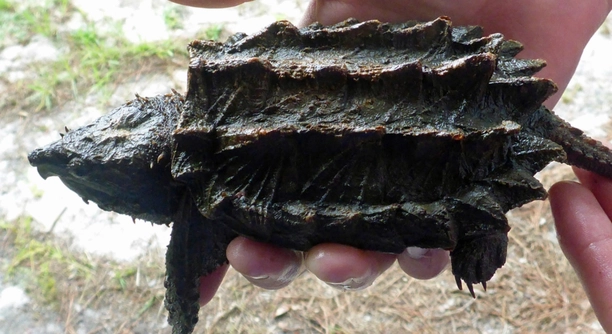
Alligator snapping turtles are fascinating creatures, but their unique beaks can sometimes get injured. Understanding the signs of a damaged beak is important for their health and well-being. Here’s what you need to know.
A damaged beak in an alligator snapping turtle can result from trauma, infection, or poor diet. Signs of injury include cracks, uneven wear, or difficulty feeding. Regularly inspecting the beak and providing proper care can help prevent further damage.
Learning the signs of a damaged beak will help you provide the necessary care and avoid serious complications. Proper monitoring and action are key to ensuring your turtle stays healthy.
Why Beak Damage Occurs in Alligator Snapping Turtles
Beak damage in alligator snapping turtles often occurs from physical trauma or environmental stress. These turtles are known to be aggressive when protecting their territory or hunting, which can lead to accidental injury. It’s also important to note that poor water quality or improper diet can weaken the beak. When the beak isn’t strong enough, it’s more prone to cracking or breaking. Beak damage can also be linked to metabolic bone disease, a condition caused by a lack of calcium. This disease makes the bones, including the beak, brittle and more vulnerable to harm.
Knowing the common causes of beak damage will help you understand what’s happening to your turtle. If the turtle is kept in an unsuitable environment or is not fed properly, it can develop health issues that affect the beak’s structure. In some cases, damage is unavoidable due to aggressive behavior or accidents. Identifying the root cause allows for better care and healing.
As a turtle owner, it’s important to keep your pet in an environment with clean, filtered water, and provide a calcium-rich diet to help prevent damage. Make sure your turtle’s habitat is large enough to give it room to move around without stress. Healthy turtles are less likely to suffer from issues that lead to beak damage. Keeping their environment safe and clean is key to preventing these problems from arising.
How to Spot Beak Damage
Beak damage often has visible signs like cracks, chips, or uneven surfaces. Close inspection will reveal these issues. It’s important to be consistent in checking for any changes.
In addition to the physical signs, your turtle’s behavior can offer clues about beak damage. If it suddenly struggles to eat or avoids certain foods, this could be a sign that the beak is causing discomfort. A damaged beak can make it difficult for the turtle to grip food, leading to weight loss and malnutrition. When the beak is too weak, it may also begin to break down more quickly, worsening the damage.
If you notice these signs, it’s crucial to take action immediately. Check the turtle’s feeding habits, and offer softer food to see if it helps. A visit to a vet is also necessary to confirm the extent of the damage. In some cases, your turtle may require professional care or even beak trimming to restore its ability to eat properly.
How Beak Damage Affects Feeding
When an alligator snapping turtle’s beak is damaged, feeding becomes a challenge. A cracked or broken beak can make it difficult for them to grasp or tear food. This can lead to malnutrition over time.
Turtles with beak damage may stop eating certain foods altogether, particularly harder items they can’t break down properly. If your turtle refuses food, it could be a sign of discomfort due to the damage. Soft foods like fish or pellets soaked in water might help, but it’s essential to monitor their eating habits closely.
Over time, difficulty eating can affect the turtle’s overall health. If they aren’t eating enough, they may lose weight, become weak, or develop other health problems. Ensuring that the turtle is getting the right nutrition is essential. In cases where the beak damage is severe, medical intervention may be required to restore its function.
Treatment Options for Beak Damage
When a turtle’s beak is damaged, you have several treatment options available. If the damage is minor, your vet may recommend trimming or filing down rough edges. This can help prevent further injury.
More severe cases might require the use of special beak repair techniques. In some cases, a vet may apply a bonding material to seal cracks or chips. If an infection is present, antibiotics or antifungal treatments may be necessary to prevent it from spreading. Your vet will be able to assess the severity of the damage and determine the best course of action. Beak repair often requires patience, but with the right treatment, your turtle can recover.
Proper care during the recovery process is essential to ensure the beak heals properly. During this time, it’s important to monitor the turtle’s diet and behavior. Soft foods are recommended to reduce the strain on the beak. Regular follow-up appointments with your vet will help ensure that the healing process is on track.
Preventing Future Beak Damage
To prevent future beak damage, ensure your turtle’s habitat is safe and secure. Avoid any sharp objects or rough surfaces that could cause injury. Providing a clean, spacious environment reduces the risk of accidents. A balanced diet also helps keep the beak strong and healthy.
Regularly check the turtle’s environment for any potential hazards. Proper tank maintenance is key in keeping your turtle’s beak in good shape. Use smooth, non-abrasive materials for decorations, and ensure that the tank is free of objects that could cause injury during feeding or movement.
Importance of Calcium in Diet
Calcium plays a vital role in maintaining a healthy beak and shell. A lack of calcium can lead to weak, brittle beaks, increasing the risk of damage. It’s important to provide your turtle with calcium supplements and offer calcium-rich foods like leafy greens or cuttlefish bone.
A calcium deficiency can lead to more serious health problems, like metabolic bone disease. To ensure your turtle gets enough calcium, you should regularly supplement its diet. Your vet can recommend the right amount of calcium based on your turtle’s age and size. This is one of the most effective ways to protect the beak long term.
Beak Health and Monitoring
Monitoring your turtle’s beak health is crucial for early detection of any issues. Regular checks for cracks, chips, or discoloration will help catch problems before they worsen. Inspecting the beak should be part of your routine care.
If you notice any changes in the beak’s appearance or if your turtle is having trouble eating, it’s important to take action quickly. Early intervention can make a significant difference in the healing process.
FAQ
What causes beak damage in alligator snapping turtles?
Beak damage in alligator snapping turtles typically results from trauma, poor diet, or an unsuitable habitat. Physical injury can occur during interactions with other animals or rough objects in their environment. Additionally, a lack of calcium in their diet can lead to weak, brittle beaks that are more susceptible to damage. Poor water quality or improper care can also contribute to health issues that affect the beak’s integrity.
How can I tell if my alligator snapping turtle has a damaged beak?
You can spot beak damage by looking for cracks, chips, or uneven wear on the beak’s surface. If your turtle has difficulty grasping food, avoiding certain types of food, or seems to be eating less, this could indicate discomfort due to beak injury. A close inspection will reveal any visible signs of damage, which should prompt immediate action.
Is beak damage dangerous for my turtle?
Yes, beak damage can be harmful if left untreated. It can make it difficult for your turtle to feed, which can lead to malnutrition and weight loss. Severe beak damage can result in infections, deformities, or even difficulty closing the beak, which affects the turtle’s ability to protect itself. The sooner the damage is addressed, the better the chances of recovery.
Can a damaged beak heal on its own?
Minor damage, like small chips or cracks, might heal on its own with proper care. However, more severe damage, such as broken or severely cracked beaks, usually requires veterinary intervention. Depending on the severity, your vet may trim or repair the beak. It’s essential to ensure the turtle receives proper nutrition and a clean environment to aid in the healing process.
What should I do if my turtle can’t eat due to a damaged beak?
If your turtle is struggling to eat due to a damaged beak, consider providing softer food to make it easier for them to swallow. You can offer fish, soft vegetables, or food soaked in water. If your turtle continues to refuse food or shows signs of malnutrition, it’s important to seek veterinary care. A vet can assess the damage and recommend further treatment.
How do I prevent beak damage in the future?
To prevent future beak damage, maintain a clean and safe environment for your turtle. Avoid sharp objects in the tank that could cause injury. Ensure your turtle has access to calcium-rich foods to strengthen its beak and bones. A proper diet, with a focus on calcium and vitamin D, will help maintain healthy beak growth and function. Regularly inspect your turtle’s beak for any signs of wear and tear, and address issues immediately to avoid worsening damage.
Can my turtle recover from severe beak damage?
Yes, with prompt treatment and proper care, your turtle can recover from severe beak damage. Severe cases may require specialized veterinary treatments, such as beak repair or medication for infections. The healing process may take time, and the turtle will need a soft food diet during recovery. Regular check-ups with the vet will ensure that the beak heals properly and that no complications arise.
Are there any signs that beak damage is getting worse?
If your turtle’s beak damage worsens, you may notice increased difficulty eating, swelling around the beak, or an unpleasant odor, which can indicate infection. The beak may also become discolored, and the turtle could become lethargic or stop feeding altogether. These are all signs that the condition is worsening and requires immediate attention from a vet.
How can I tell if my turtle is in pain from beak damage?
Turtles can’t communicate pain directly, but there are signs that can indicate discomfort. A turtle in pain may become less active, stop eating, or show signs of stress such as excessive swimming or trying to hide. If your turtle exhibits these behaviors and has visible beak damage, it’s important to take it to a vet to address the problem.
What type of food is best for a turtle with beak damage?
For a turtle with beak damage, softer foods are ideal. You can provide chopped fish, squishy fruits, or leafy greens that are easy to chew. You might also soak pellets or dry food in water to soften them. The goal is to reduce the strain on the beak while still providing necessary nutrition. Consult with a vet for specific recommendations based on your turtle’s condition.
Should I try to repair my turtle’s beak myself?
It’s not advisable to attempt repairing your turtle’s beak yourself. Beak repair requires professional expertise to ensure the process is done safely and correctly. Incorrect handling could lead to further damage or infection. Always consult a veterinarian who specializes in reptiles to assess and treat the injury appropriately.
What are the long-term effects of untreated beak damage?
Untreated beak damage can lead to chronic issues, including difficulty eating, malnutrition, and infections. Over time, the turtle’s beak could become more deformed, leading to permanent damage that affects its overall health and survival. If not addressed, untreated beak damage can severely impact your turtle’s quality of life. It’s essential to take early action to avoid these complications.
Can beak damage affect my turtle’s social behavior?
While beak damage may not directly affect your turtle’s social behavior, discomfort caused by the injury can lead to irritability or a change in activity levels. Turtles may avoid interacting with other tank mates if they are feeling unwell or in pain. This is often a sign that the injury is affecting their well-being.
Final Thoughts
Beak damage in alligator snapping turtles is something that should not be overlooked. While these turtles are known for their tough exterior, their beaks can still become vulnerable to injury due to various factors. Physical trauma, poor diet, and even improper tank environments can all contribute to beak damage. It’s important to regularly check your turtle’s beak for signs of wear and tear, cracks, or uneven surfaces. Catching these problems early can make a significant difference in your turtle’s recovery and overall health.
Providing the right care and environment for your turtle is the best way to prevent beak damage. A proper diet rich in calcium and other essential nutrients is crucial to maintaining a healthy beak. Additionally, creating a safe environment by removing sharp objects and ensuring the tank is clean and spacious will help minimize the risk of injury. Keeping your turtle stress-free and providing enough room for it to move comfortably is also vital for its well-being. By taking these preventive measures, you can reduce the chances of beak damage and help your turtle thrive in a healthy, happy environment.
If beak damage does occur, it’s important to take swift action. Depending on the severity of the injury, treatment options can range from dietary adjustments to professional veterinary care. Soft foods and proper hydration can help in the short term, but a vet may be required for more severe cases. Infections or complications should be addressed immediately to avoid further harm. Monitoring your turtle’s behavior and feeding habits during the healing process is crucial to ensuring it gets the proper nutrition and care needed for recovery. By staying vigilant and proactive, you can help your turtle recover and keep it healthy for years to come.

Hello,
If you enjoy the content that we create, please consider saying a "Thank You!" by leaving a tip.
Every little bit helps us continue crafting quality advice that supports the health, happiness, and well-being of pets around the world, for pets of all shapes, sizes, and species.
We really appreciate the kindness and support that you show us!