
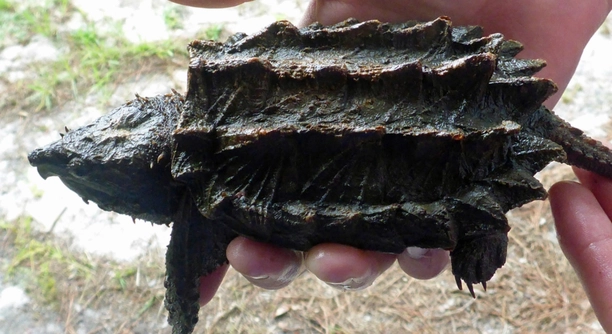
Baby alligator snapping turtles are fascinating creatures, and feeding them the right food is essential for their health. Knowing the best foods can make a big difference in their growth and well-being.
The best foods for a baby alligator snapping turtle include high-protein options like fish, worms, and small crustaceans. These foods mimic their natural diet and provide essential nutrients needed for their development. It’s important to vary their diet to ensure balanced nutrition.
Providing the right food will ensure your baby alligator snapping turtle thrives. Keep reading to discover the top choices to support its health.
Fish: A Staple for Baby Alligator Snapping Turtles
Fish, particularly small varieties like minnows, guppies, and goldfish, are an essential food for baby alligator snapping turtles. These aquatic creatures thrive on high-protein meals, and fish provides the nutrients necessary for their growth. Fish also mimic their natural diet, which usually consists of aquatic animals they catch in the wild. Offering fish as part of their diet helps ensure they get a balanced intake of proteins and fats.
Baby turtles generally enjoy eating small fish, and they are a great source of calcium. Including fish helps to strengthen their shells, making it a vital part of their diet. Be sure to avoid giving them larger fish, as they may struggle to eat them.
When feeding fish, you can use live or frozen options. Both provide the needed nutrients, but live fish also encourage natural hunting behavior. Always monitor your turtle to make sure it is getting enough food and eating properly.
Worms and Insects
Worms and insects are a great source of protein for baby alligator snapping turtles. They can be fed live or as freeze-dried options.
Worms like nightcrawlers or red wigglers are soft, easy for turtles to consume, and provide a good amount of nutrition. Insects like crickets or mealworms also offer variety and enrichment, giving your turtle a chance to hunt and forage, which is important for mental stimulation.
Crustaceans: A Great Protein Source
Crustaceans, like shrimp, crayfish, and snails, are another excellent option for feeding baby alligator snapping turtles. These creatures provide a mix of protein, calcium, and other essential nutrients. Offering these as part of their diet will help keep them healthy and strong.
Crustaceans also support healthy shell growth. Crayfish and shrimp, in particular, are rich in chitin, which contributes to better digestion. The harder exoskeletons help keep their beaks sharp, ensuring they don’t become overgrown. You can feed baby turtles a mix of live and frozen crustaceans, depending on what’s available and convenient for you.
Make sure to clean any crustaceans before feeding them to your turtle, especially live ones. This reduces the risk of introducing harmful bacteria or parasites. While crustaceans are rich in nutrients, they should be offered as part of a balanced diet to avoid overfeeding.
Vegetables and Greens: Supplementing the Diet
While baby alligator snapping turtles are mainly carnivorous, incorporating small amounts of vegetables and greens into their diet is important for overall health. Dark leafy greens like collard greens, dandelion greens, and kale are good options. They provide vitamins and fiber that contribute to proper digestion.
Offer vegetables and greens as an occasional supplement rather than a regular part of the diet. Baby turtles might not show much interest at first, but these foods still offer valuable nutrients. The addition of greens helps provide variety, encouraging a balanced diet that includes both plant and animal matter.
Try cutting the vegetables into small, manageable pieces that your turtle can easily eat. This ensures they get the right amount of nutrition from the plant-based foods while still primarily feeding on protein. Always keep portions small to avoid overfeeding, which can lead to other health issues.
Commercial Turtle Food
Commercial turtle food, such as pellets designed specifically for alligator snapping turtles, can be a convenient and nutritious option. These foods often contain a balanced mix of proteins, fats, and vitamins, making them a suitable supplement.
While not a substitute for fresh food, commercial pellets are an easy way to ensure your turtle gets essential nutrients. They can be used as a base diet or alongside other options like fish and crustaceans. Make sure to choose high-quality brands with natural ingredients to avoid fillers or artificial additives.
Feeding Frequency
Feeding frequency is an important factor to consider. Baby alligator snapping turtles generally need to be fed every day or every other day.
Young turtles are growing quickly, so they need consistent meals to support their development. As they get older, you can gradually reduce the frequency of feedings, but always monitor their weight and health to ensure they are thriving.
Supplements
Occasionally, adding supplements like calcium powder can benefit your turtle’s overall health, especially for shell development.
Make sure to sprinkle calcium on their food occasionally, as it can support strong shell growth. Be cautious not to overuse supplements, as excess calcium can cause health problems. Stick to a balanced approach.
FAQ
What should I feed my baby alligator snapping turtle?
Baby alligator snapping turtles need a diet that includes high-protein foods such as small fish, worms, and crustaceans. These foods mimic their natural diet and provide the necessary nutrients to support healthy growth. You can also occasionally offer leafy greens, though they are not a major part of their diet. Be sure to include a variety of food sources to keep them healthy and ensure a balanced diet.
How often should I feed my baby alligator snapping turtle?
You should feed your baby alligator snapping turtle every day or every other day. As they are growing quickly, they need frequent meals to maintain their energy levels and support their growth. As they age, you can reduce the feeding frequency to every few days, but always monitor their weight and health to make sure they are thriving.
Can I feed my baby alligator snapping turtle vegetables?
While baby alligator snapping turtles are primarily carnivorous, small amounts of vegetables can be offered occasionally. Leafy greens such as kale, collard greens, or dandelion greens provide essential vitamins and fiber. However, they should only make up a small portion of their overall diet. Too many vegetables can upset the balance of protein in their meals.
Are commercial turtle pellets a good food option?
Commercial turtle pellets are a convenient food option for baby alligator snapping turtles. They are specially formulated to meet the nutritional needs of turtles and can be used alongside other natural foods. Look for high-quality pellets with natural ingredients to ensure they’re getting the right nutrients. However, pellets should not be the sole diet—varying their meals with live foods is important for proper growth.
How do I feed my baby alligator snapping turtle live food?
Live food like small fish, worms, and crustaceans can be offered to baby alligator snapping turtles. You can feed them live food by placing the food directly in their tank or aquarium. Turtles will instinctively hunt for their prey, which provides not only nutrition but also mental stimulation. Make sure the live food is appropriately sized for your turtle and that it is free of parasites or chemicals.
What is the best way to offer calcium to my baby alligator snapping turtle?
Calcium is essential for shell growth and overall health. You can offer calcium in the form of a calcium supplement powder that can be sprinkled onto their food. This helps ensure that they get the right amount of calcium for strong shell development. Don’t overdo it, as too much calcium can lead to health problems.
Can I feed my baby alligator snapping turtle frozen food?
Frozen food is a great alternative if live food isn’t available. You can offer frozen fish, shrimp, or worms to your baby alligator snapping turtle. Always ensure that the frozen food is thawed before feeding it to your turtle. Frozen foods are convenient, nutritious, and still provide the necessary protein and nutrients for your turtle’s growth.
What kind of fish is best for a baby alligator snapping turtle?
Small fish like minnows, goldfish, and guppies are ideal for baby alligator snapping turtles. They are easy for turtles to catch and consume, providing essential protein and nutrients. Avoid feeding them large fish, as they may struggle to eat them or not benefit from the nutrients in larger fish. Be cautious with feeder fish like goldfish; they should be used in moderation to avoid overfeeding.
How can I make sure my baby alligator snapping turtle is eating properly?
Ensure your baby turtle is eating by monitoring their food intake and observing their behavior. If they’re not eating, there could be an issue with the food offered or their environment. Make sure the food is the right size, fresh, and free of contaminants. Also, check the water quality and temperature in their tank, as poor conditions can affect their appetite. If they continue to refuse food, it may be best to consult with a vet.
Can I feed my baby alligator snapping turtle meat from the grocery store?
You can offer small pieces of meat from the grocery store, but it should be used sparingly. Meats like chicken, turkey, or beef are not natural parts of their diet and should only be given occasionally as a supplement. Always ensure the meat is free of seasoning or additives, which could harm your turtle. Natural sources like fish and worms should make up the majority of their diet.
Is it okay to feed my baby alligator snapping turtle fish tank water?
No, it is not recommended to feed your baby alligator snapping turtle fish tank water. Tank water can contain harmful bacteria, waste, or chemicals that may make your turtle sick. Always provide fresh, clean water for your turtle to drink and bathe in. Maintaining a clean tank is essential for the health of your turtle and any other animals in the tank.
How can I tell if my baby alligator snapping turtle is healthy?
A healthy baby alligator snapping turtle should have a firm, smooth shell without any cracks or soft spots. It should be active, alert, and responsive to its surroundings. Their eyes should be clear, and they should have a healthy appetite. If your turtle is not eating, appears lethargic, or shows signs of illness, it’s important to consult a veterinarian to ensure it is healthy.
What size should I feed my baby alligator snapping turtle?
The food you give your baby alligator snapping turtle should be appropriately sized for its mouth. For live food like fish, worms, or crustaceans, choose items that are small enough for them to swallow without difficulty. This prevents choking and ensures they get all the nutrients they need. As your turtle grows, the size of the food can be increased accordingly.
Final Thoughts
Caring for a baby alligator snapping turtle requires attention to detail, especially when it comes to their diet. Feeding them the right food is key to ensuring their growth, health, and well-being. High-protein foods like small fish, worms, and crustaceans are essential for their development. These options closely mimic their natural diet and provide the nutrients needed for strong growth and a healthy shell. Offering a variety of foods, such as live prey or high-quality commercial pellets, can help prevent boredom and provide a balanced diet. Occasional vegetables, though not a primary food source, can also add valuable nutrients.
It’s important to remember that baby alligator snapping turtles are carnivores, so protein should be the focal point of their diet. However, integrating small amounts of leafy greens, like kale or dandelion greens, can contribute to their overall health. Supplements like calcium may also be necessary for their shell development, especially in the early stages. However, it’s essential to avoid over-supplementing, as this can cause harm. In all cases, variety is key. Overfeeding one type of food or not offering enough variety can lead to nutritional imbalances and health problems.
Finally, when feeding your baby turtle, ensure you’re offering the right portion sizes and keeping their living environment clean. Fresh water is crucial, and the tank or aquarium should be kept free of excess waste. Monitoring your turtle’s eating habits will help you spot any issues early on. If your turtle isn’t eating or seems unhealthy, it’s always a good idea to consult with a veterinarian. Keeping a watchful eye on your turtle’s health and feeding routine will help ensure they grow into strong, healthy adults.

Hello,
If you enjoy the content that we create, please consider saying a "Thank You!" by leaving a tip.
Every little bit helps us continue crafting quality advice that supports the health, happiness, and well-being of pets around the world, for pets of all shapes, sizes, and species.
We really appreciate the kindness and support that you show us!