
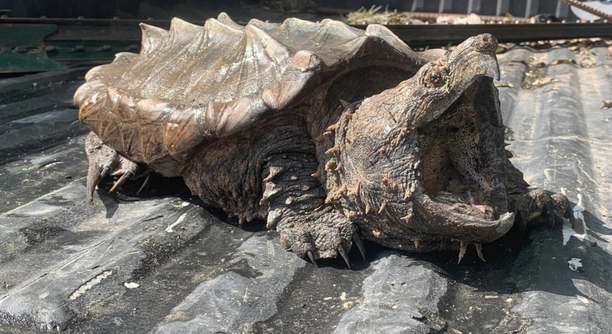
Alligator snapping turtles are fascinating creatures that require careful attention to stay healthy. Unfortunately, stress can affect them just like it does other animals. Understanding the sources of stress is key to their well-being.
Stress in alligator snapping turtles can stem from a variety of factors, including improper water temperature, lack of space, and an unbalanced diet. Additionally, poor habitat conditions and excessive handling can lead to stress, impacting their overall health.
Addressing these stress factors will help improve your turtle’s quality of life. Keep reading to learn how to create a more peaceful environment for your alligator snapping turtle.
1. Improper Water Temperature
Alligator snapping turtles need a specific water temperature to thrive. If the water is too warm or too cold, it can cause stress. These turtles are native to warm, slow-moving rivers, so their water temperature should be kept around 70-80°F (21-27°C). When the water is outside this range, it can affect their ability to feed, breed, or even move comfortably. A tank thermometer is a great way to ensure the water stays at the right temperature.
Even slight changes in temperature can lead to discomfort and a decrease in their activity levels. If the water is too hot, it may also lower oxygen levels, making it harder for the turtle to breathe properly. On the other hand, colder water can slow down their metabolism, causing them to become lethargic. This can result in weight loss and a weakened immune system.
To prevent these issues, it’s crucial to monitor the water temperature regularly. If you notice signs of stress, adjusting the temperature should be your first step in resolving the problem.
2. Unbalanced Diet
A well-balanced diet is essential for the health of alligator snapping turtles. They are omnivores and require a mix of animal proteins and plant matter. If their diet lacks variety or essential nutrients, they may become stressed.
Providing a mix of high-quality protein sources, such as fish, worms, and crustaceans, is crucial for their health. Along with protein, they also need leafy greens and vegetables to ensure they get enough vitamins and minerals.
Overfeeding or underfeeding can also be a problem. Too much food can lead to obesity, while too little can result in malnutrition. Both can lead to stress, causing your turtle to act sluggish or avoid eating altogether. It’s important to create a balanced feeding schedule that includes a variety of food types, helping them stay healthy and active.
3. Inadequate Space
Alligator snapping turtles need plenty of space to move around. If their enclosure is too small, they can feel trapped and stressed. A cramped environment limits their ability to swim, explore, or simply relax. Stress from being confined can lead to behavioral changes, such as excessive hiding or aggression.
It’s important to give them enough room to grow. A minimum tank size of 75 gallons is ideal for an adult turtle. For a juvenile, a smaller tank will suffice, but it should be upgraded as they grow. A larger tank allows for more natural behaviors, including basking and swimming.
Having an appropriate tank size can also help maintain water quality. With more space, waste disperses more easily, and you’ll have an easier time keeping the water clean. Make sure your turtle has enough space to roam freely, without feeling crowded or stressed by limited options.
4. Excessive Handling
While it can be tempting to interact with your alligator snapping turtle frequently, too much handling can lead to stress. Turtles are not like dogs or cats that enjoy human interaction. Overhanding can make them anxious, especially when they’re removed from their comfortable environment.
These turtles are naturally solitary and shy. Excessive handling interrupts their natural behavior, causing them to retreat into their shells or become agitated. Handling should be kept to a minimum, only when necessary for cleaning or health checks. Keeping their environment peaceful allows them to feel more secure.
If you need to handle your turtle, try to be gentle and limit the time spent outside the tank. A calm approach will help avoid causing unnecessary stress. Remember that their well-being is best maintained when they feel safe and undisturbed in their space.
5. Poor Habitat Conditions
An unhealthy habitat can lead to stress in your alligator snapping turtle. If the tank is not cleaned regularly or lacks proper filtration, the water quality will deteriorate, causing discomfort. Make sure the water is filtered and replaced frequently to prevent the buildup of harmful toxins.
Additionally, the substrate and décor in the tank should be carefully chosen. Sharp rocks or inadequate hiding spots can cause physical harm or stress. Provide hiding areas like smooth rocks or plants that mimic their natural environment. This gives them a sense of security and comfort.
6. Overcrowding
Overcrowding in a tank is another major stress factor for alligator snapping turtles. Too many turtles in one tank can lead to competition for space, food, and territory. This can result in aggression, injuries, or constant stress for each turtle.
If you’re keeping multiple turtles, make sure each has enough space to establish their own area. Ideally, they should be housed separately if the tank is too small to accommodate them comfortably. Overcrowding can cause them to act out, reducing their overall health and happiness. Always monitor their behavior and separate them if necessary.
7. Environmental Noise
Excessive noise can disturb your alligator snapping turtle, causing stress. Loud sounds or constant disturbances near their tank can cause anxiety, making them less active and more likely to hide. Even the vibrations from heavy foot traffic can be unsettling for them.
It’s important to place their tank in a quiet, low-traffic area. This helps them feel more secure in their environment and reduces stress levels. A peaceful, calm setting will allow them to thrive and enjoy their natural behaviors without unnecessary disruptions.
FAQ
How can I tell if my alligator snapping turtle is stressed?
Common signs of stress in alligator snapping turtles include a lack of appetite, excessive hiding, or aggressive behavior. If your turtle is swimming erratically or staying at the bottom of the tank more than usual, it may be a sign of discomfort. You may also notice that the turtle becomes less active or retreats into its shell at the slightest disturbance. If these behaviors persist, it’s important to review the conditions in their tank to determine what might be causing the stress.
Can alligator snapping turtles live in cold water?
No, alligator snapping turtles cannot thrive in cold water. They prefer warmer water temperatures, typically between 70-80°F (21-27°C). Cold water can slow their metabolism, cause them to become lethargic, and lower their immunity, making them more vulnerable to disease. It’s essential to maintain a proper water temperature for their health and comfort.
Is it normal for my alligator snapping turtle to hide a lot?
Yes, it’s normal for alligator snapping turtles to hide, especially if they feel stressed or threatened. These turtles are solitary by nature, and hiding gives them a sense of security. However, if your turtle is hiding excessively and not coming out to eat or interact, it might indicate an issue with the tank conditions or stress. In that case, review factors like water temperature, tank size, and diet to ensure everything is set up properly.
How often should I clean my alligator snapping turtle’s tank?
Cleaning your alligator snapping turtle’s tank regularly is vital for their well-being. You should perform partial water changes every week, removing about 20-30% of the water to maintain water quality. Additionally, clean the substrate and filter monthly to prevent the buildup of waste. A clean tank helps prevent stress and keeps your turtle healthy by maintaining a suitable environment.
Can I keep multiple alligator snapping turtles together?
It’s not recommended to keep multiple alligator snapping turtles in the same tank, especially if the space is limited. These turtles can be territorial and may fight for space and food. If you do decide to house more than one, make sure the tank is large enough for each turtle to have its own area. Always monitor their behavior closely and be prepared to separate them if aggression occurs.
What should I feed my alligator snapping turtle?
Alligator snapping turtles are omnivores, so their diet should include a balance of animal protein and plant matter. You can feed them fish, shrimp, worms, and other protein-rich foods, along with leafy greens like kale or collard greens. It’s important to provide a varied diet to ensure they get all the essential nutrients. Avoid feeding them only one type of food, as this can lead to nutritional imbalances.
Do alligator snapping turtles need a basking area?
Yes, alligator snapping turtles do need a basking area. While they are aquatic, they require access to a dry area where they can rest and regulate their body temperature. A basking spot, along with a UVB light, helps support their shell health and provides the necessary warmth for digestion. Ensure that the basking area is easy to access and provides enough space for them to rest comfortably.
How big of a tank does an alligator snapping turtle need?
The tank size for an alligator snapping turtle should be at least 75 gallons for an adult. Juveniles can be housed in smaller tanks, but as they grow, they will need more space to move around. Larger tanks allow for better water quality and a more natural environment. Providing adequate space is crucial to prevent stress and allow your turtle to exhibit natural behaviors.
Can stress cause health problems for my alligator snapping turtle?
Yes, prolonged stress can lead to health problems for your alligator snapping turtle. Stress can weaken their immune system, making them more susceptible to diseases and infections. It can also affect their feeding habits, metabolism, and overall energy levels. By addressing stress factors and ensuring proper tank conditions, you can help prevent health issues and promote their well-being.
What is the best water filter for my alligator snapping turtle’s tank?
The best filter for an alligator snapping turtle’s tank is one that can handle a high bio-load, as these turtles produce a significant amount of waste. A canister filter or a powerful external filter is often recommended for larger tanks. Look for a filter with a high flow rate, as turtles need clean, well-circulated water. Make sure the filter is rated for a tank size that suits your turtle’s needs, and clean it regularly to maintain optimal filtration.
Can I take my alligator snapping turtle outside?
You can take your alligator snapping turtle outside, but only under controlled conditions. Ensure that the outdoor environment is safe, free of predators, and has adequate shade or hiding spots. Never leave your turtle unattended outside, and avoid placing them in direct sunlight for long periods. Be mindful of the temperature and weather conditions to ensure they are comfortable and not exposed to harmful elements.
How long do alligator snapping turtles live?
Alligator snapping turtles can live for a very long time, often reaching 30-50 years or more in captivity. In the wild, their lifespan may be shorter due to predators and environmental factors. Providing proper care, including a clean environment, appropriate diet, and the right temperature, can help your turtle live a long and healthy life.
What kind of substrate should I use for my alligator snapping turtle’s tank?
The best substrate for an alligator snapping turtle’s tank is one that is smooth and easy to clean. Avoid sharp gravel or sand that could injure their soft underbelly. You can use smooth river rocks, aquarium-safe gravel, or a bare-bottom tank for easy cleaning. The goal is to maintain water quality while providing a comfortable and safe environment for your turtle.
Final Thoughts
Taking care of an alligator snapping turtle requires attention to detail and a commitment to providing the right environment. These turtles are unique creatures with specific needs, and understanding what may cause them stress is key to ensuring they stay healthy. Factors like water temperature, tank size, diet, and even how often they are handled all play a role in their well-being. By keeping these elements in mind, you can create a peaceful, stress-free habitat that allows your turtle to thrive.
It’s important to remember that every alligator snapping turtle is different. Some may be more sensitive to changes in their environment, while others might handle slight stressors better. Regular observation of your turtle’s behavior can help you identify when something isn’t quite right. If you notice signs of stress, make changes to their environment slowly and carefully. Giving them a stable, calm environment will allow them to feel secure and reduce the risk of long-term health issues.
By ensuring your turtle has a balanced diet, proper space, and a clean, quiet habitat, you can help them live a longer, healthier life. While they are low-maintenance compared to some pets, alligator snapping turtles require consistent care. Taking the time to understand their needs and keeping their stress levels low will make a significant difference in their overall health and happiness.

Hello,
If you enjoy the content that we create, please consider saying a "Thank You!" by leaving a tip.
Every little bit helps us continue crafting quality advice that supports the health, happiness, and well-being of pets around the world, for pets of all shapes, sizes, and species.
We really appreciate the kindness and support that you show us!