
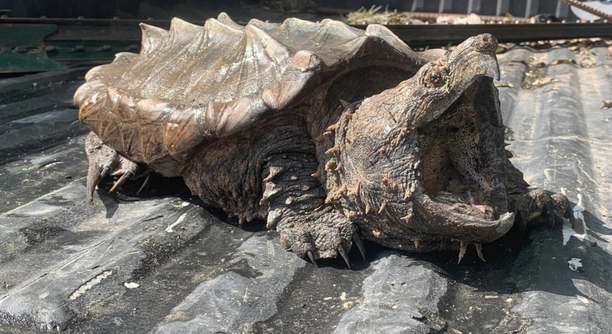
An alligator snapping turtle’s reluctance to go underwater can be puzzling for owners. This behavior could stem from various factors related to the turtle’s health, environment, or instincts. Understanding the root causes is essential for addressing the issue.
Several factors could prevent your alligator snapping turtle from submerging, such as stress, water quality, or health concerns. These turtles might also avoid water if they feel threatened, or their habitat lacks the necessary space for proper movement and comfort.
Addressing these factors can help resolve the issue and ensure the well-being of your turtle.
Stress and Anxiety
Alligator snapping turtles are sensitive creatures and can easily become stressed, which can cause them to avoid going underwater. Changes in their environment, such as sudden noises, bright lights, or new tank mates, can trigger anxiety. This stress can lead to behavioral changes like staying above water. Additionally, inadequate hiding spots or lack of shelter can make them feel exposed and vulnerable, increasing stress levels. If you’ve recently moved your turtle or altered their habitat, it might take some time for them to adjust.
If your turtle is stressed, it’s important to create a calm and secure environment. Ensure they have plenty of hiding places, such as plants or rocks, to retreat to. A quiet, stable space can help alleviate their anxiety and encourage them to return to the water.
Reducing stress is essential for the well-being of your turtle. If the stress persists, consider consulting with a veterinarian to ensure there are no underlying health issues. Sometimes, a calm environment with a few adjustments can lead to significant improvement.
Water Quality
The water quality in your turtle’s tank can have a major impact on their behavior. Dirty or stagnant water can discourage your turtle from going underwater. Alligator snapping turtles are known to be sensitive to water conditions, and poor water quality can make them feel uncomfortable. If the tank is not properly filtered or cleaned, toxins can build up, creating an unsafe environment.
Regular water changes and proper filtration are key to maintaining a healthy environment for your turtle. Monitor the water temperature and pH to ensure it meets the specific needs of the species. Clean the tank thoroughly, and avoid overcrowding, which can contribute to dirty water.
Clean, properly filtered water encourages your turtle to submerge and stay healthy. Keeping their living environment stable and clean ensures their long-term well-being.
Illness or Injury
Health problems are one of the leading causes of a turtle’s reluctance to go underwater. Alligator snapping turtles may avoid submerging if they’re feeling unwell or if they have an injury. Illnesses like respiratory infections or shell injuries can make it painful to move underwater.
If you notice your turtle staying at the surface for extended periods, check for signs of illness. Look for labored breathing, discoloration, or swelling on the shell. A lack of appetite or lethargy could also indicate something is wrong. If you see any of these signs, consult a veterinarian as soon as possible to address the issue.
Early intervention can prevent more serious health issues from developing. Treating illnesses or injuries promptly ensures your turtle’s comfort and well-being. A healthy turtle will be more likely to submerge and move freely in the water, so staying proactive is key.
Inadequate Tank Size
The size of your turtle’s tank plays a big role in their behavior. If the tank is too small, your alligator snapping turtle may feel restricted and uncomfortable, which could result in them avoiding the water. Alligator snapping turtles need space to move around, swim, and find places to hide.
A tank that’s too cramped can lead to stress and behavioral issues. Ensure that the tank is large enough for the turtle to fully submerge and roam without feeling crowded. Typically, a tank of at least 75 gallons is recommended for a single adult alligator snapping turtle.
Providing enough space allows your turtle to feel safe and more at ease. The right tank size also encourages healthy behaviors, like swimming and foraging. If the current tank isn’t meeting these needs, it’s time to upgrade to ensure your turtle’s comfort.
Water Temperature
Alligator snapping turtles are very sensitive to water temperature. If the water is too cold or too hot, they may avoid submerging. The ideal water temperature for these turtles is between 72°F and 78°F. Anything outside this range can cause discomfort and alter their behavior.
If you notice your turtle staying above water, check the temperature regularly. Use a reliable thermometer to ensure the water remains within the ideal range. If the water is too cold, consider using a heater to regulate the temperature, and if it’s too hot, adjust accordingly. Maintaining the right temperature is essential for their health.
Lighting
Proper lighting is necessary for your turtle’s environment. Alligator snapping turtles need both UVA and UVB light for their well-being. Without it, they may not feel comfortable or may avoid going underwater altogether. Inadequate lighting can affect their health and behavior.
A suitable lighting setup, including UVB lamps, mimics natural sunlight. These lamps help your turtle metabolize calcium, which is essential for healthy shell growth. Ensure that the lights are positioned correctly to provide consistent exposure throughout the day, especially if your turtle spends significant time out of the water.
FAQ
Why is my alligator snapping turtle staying at the surface of the water?
Your turtle may be staying at the surface due to stress, poor water quality, illness, or discomfort. These factors can cause them to avoid submerging, leading to behavior changes. It’s important to assess their environment, check the water quality, and monitor for any signs of illness. A proper habitat and health check can help resolve this issue. If necessary, consult a vet to rule out health problems and ensure the turtle is comfortable in its environment.
Can alligator snapping turtles drown?
Alligator snapping turtles are strong swimmers and generally do not drown. However, they can become exhausted or overwhelmed if they’re not able to find a place to rest or if their health is compromised. In rare cases, a weak or sick turtle may struggle with swimming, which could potentially lead to drowning. Make sure your turtle has access to surfaces where it can rest if needed, and monitor for any health concerns that could affect their ability to swim.
How do I know if my alligator snapping turtle is sick?
Signs of illness in an alligator snapping turtle include changes in behavior, such as staying at the surface or avoiding water altogether. Other symptoms include labored breathing, loss of appetite, swelling, or abnormal discoloration of the skin or shell. If you observe any of these signs, it’s important to seek veterinary care as soon as possible. Prompt diagnosis and treatment can help your turtle recover and prevent further complications.
What is the best water temperature for an alligator snapping turtle?
The ideal water temperature for an alligator snapping turtle is between 72°F and 78°F. Water that is too cold or too hot can make them uncomfortable and discourage them from submerging. You can use a water heater to regulate the temperature and ensure it remains within the recommended range. Maintaining the right temperature is key to keeping your turtle healthy and active.
How often should I change the water in my turtle’s tank?
Regular water changes are important to keep your turtle’s environment clean. For an alligator snapping turtle, changing about 25-30% of the water weekly is usually sufficient. This helps maintain water quality and reduces the buildup of harmful chemicals or toxins. You should also regularly clean the tank and filter to ensure your turtle has a healthy habitat.
Can alligator snapping turtles live with other turtles?
While alligator snapping turtles are generally solitary animals, they can cohabitate with other turtles under certain conditions. However, it’s important to provide enough space and hiding spots to reduce stress and avoid aggression. Keep in mind that they are territorial, and conflicts may arise, especially during feeding times. It’s best to monitor their interactions closely and separate them if necessary.
What should I feed my alligator snapping turtle?
Alligator snapping turtles are carnivores and mainly feed on fish, small amphibians, and invertebrates. They also enjoy eating aquatic plants. It’s important to offer a balanced diet that mimics their natural food sources. You can feed them live or frozen food such as shrimp, worms, or fish. Make sure to also provide supplements like calcium to promote healthy shell growth. Avoid feeding them processed or human food, as it can harm their health.
How big does an alligator snapping turtle get?
Alligator snapping turtles are among the largest freshwater turtles in North America. They can grow up to 26 inches long and weigh as much as 200 pounds, though the average size is closer to 18-20 inches and 35-50 pounds. Keep in mind that they require a large tank to accommodate their size as they grow, so planning ahead for their growth is important.
Do alligator snapping turtles need UVB light?
Yes, alligator snapping turtles require UVB lighting to ensure proper calcium absorption and overall health. UVB light helps them metabolize calcium, which is essential for strong bones and a healthy shell. A good UVB lamp should be placed over the basking area, providing exposure for 10-12 hours a day. Without adequate UVB light, your turtle may suffer from health issues like metabolic bone disease.
How long can an alligator snapping turtle stay underwater?
Alligator snapping turtles are well-adapted to life in the water and can hold their breath for long periods. They are capable of staying submerged for several hours, especially when resting. However, they still need to surface for air occasionally. They are excellent swimmers and can manage their time between underwater and above-water surfaces to meet their oxygen needs.
Final Thoughts
Understanding why your alligator snapping turtle might not go underwater is crucial for ensuring their well-being. Various factors, including water temperature, lighting, and health, can affect their behavior. When you notice your turtle avoiding the water, it’s important to assess these environmental conditions and make the necessary adjustments. Keeping their habitat consistent and within the right parameters helps your turtle feel comfortable and thrive in its environment.
If your turtle’s reluctance to go underwater persists, it may indicate an underlying health issue. Behavior changes like this should not be ignored, as they can signal discomfort or illness. Regular checkups with a vet can help identify any medical problems early on. Always keep a close eye on your turtle’s general condition, as subtle signs like loss of appetite, swelling, or changes in their shell or skin can be signs of illness. A swift response to potential issues can prevent further complications and support a healthier life for your pet.
In conclusion, caring for an alligator snapping turtle involves maintaining a stable and well-monitored environment. Ensuring the right water temperature, lighting, and diet will help prevent issues with submerging and other behaviors. Regular tank maintenance and health checks are essential for your turtle’s happiness and long-term health. By paying attention to the signs and adjusting the habitat accordingly, you can provide a better living space and encourage more natural behaviors in your turtle.

Hello,
If you enjoy the content that we create, please consider saying a "Thank You!" by leaving a tip.
Every little bit helps us continue crafting quality advice that supports the health, happiness, and well-being of pets around the world, for pets of all shapes, sizes, and species.
We really appreciate the kindness and support that you show us!