
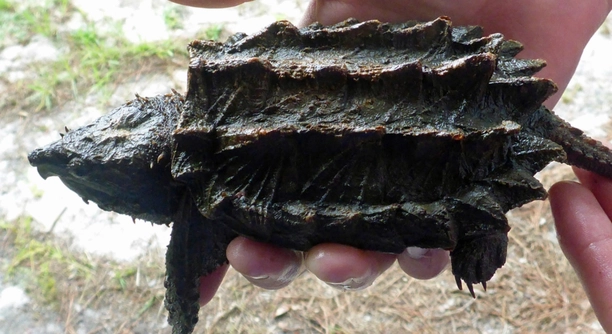
Do you ever find yourself wondering why your alligator snapping turtle is growing so slowly? These turtles are fascinating creatures, but their growth can be frustratingly slow. Understanding the causes behind this issue can help you support their development.
The most common causes of slow growth in alligator snapping turtles include inadequate diet, improper habitat conditions, low water temperatures, stress, illness, genetics, and competition for resources. Addressing these factors can significantly improve their growth rate and overall health.
Many turtle owners struggle to pinpoint the exact cause of slow growth. Learning about these common issues can help you make necessary adjustments and create a better environment for your turtle’s development.
Inadequate Diet
A proper diet is essential for alligator snapping turtles to grow at a healthy rate. These turtles require a balanced mix of protein, vitamins, and minerals. Feeding them only one type of food, such as fish or insects, can lead to nutritional deficiencies. A varied diet that includes fish, crustaceans, worms, and occasional plant matter helps ensure they receive the nutrients needed for steady growth. It is also important to provide the right portion sizes based on their age and size. Overfeeding or underfeeding can lead to health issues that affect their development.
A poor diet can slow down their metabolism, making it harder for them to gain weight and grow properly. Without the right nutrients, their shells and bones may become weak, leading to long-term health problems.
If you want your turtle to grow at a normal rate, focus on a well-balanced diet. High-quality commercial pellets designed for aquatic turtles can be a great addition. Supplementing with natural food sources, such as shrimp and earthworms, will further improve their nutrition. Always research the best feeding practices for their specific age group to ensure they get everything they need.
Improper Habitat Conditions
Alligator snapping turtles need a well-maintained habitat to grow properly. A tank or pond that lacks clean water, proper filtration, or sufficient space can hinder their development.
Providing a spacious environment with clean, well-filtered water helps them thrive. Poor water quality can lead to stress and illness, slowing their growth. Turtles kept in cramped or dirty enclosures may struggle to move and eat normally. The ideal habitat should include a basking area, hiding spots, and a steady water flow to mimic their natural environment. Water parameters should be regularly monitored to prevent harmful bacteria from building up.
Creating a suitable habitat also means maintaining a proper water depth and temperature. Shallow water can limit their movement, while deep water without resting areas may cause exhaustion. Additionally, placing decorations or obstacles in the tank can encourage natural behaviors and keep them active. Proper lighting and a consistent day-night cycle will also contribute to a healthier, more active turtle. Making these adjustments can significantly improve their growth and well-being.
Low Water Temperatures
Cold water can slow down a turtle’s metabolism, making it difficult for them to digest food and absorb nutrients. If the water temperature is too low, they may become inactive, eat less, and experience stunted growth over time. Maintaining the right temperature is essential for proper development.
Alligator snapping turtles thrive in water temperatures between 75°F and 80°F. If the water is too cold, their body functions slow down, affecting their ability to process food. A high-quality aquarium heater can help maintain a stable temperature, preventing sudden drops. Using a thermometer to monitor the water regularly ensures the conditions remain ideal. If a turtle is kept in an outdoor pond, seasonal changes should be considered. Warmer temperatures in the summer promote growth, while colder temperatures in the winter can lead to dormancy. Adjusting their environment accordingly will help prevent unnecessary slow growth.
Providing warmth outside the water is also important. A heat lamp or basking spot allows them to regulate their body temperature more effectively. If they don’t have access to warm areas, they may remain inactive for long periods. Consistently maintaining proper temperatures, both in the water and on land, will encourage normal growth and keep them healthy. Ensuring their habitat stays within the recommended range will support their overall well-being.
Stress
Stress can significantly impact a turtle’s growth by weakening their immune system and reducing their appetite. A stressed turtle may become less active, hide frequently, and refuse to eat. Limiting unnecessary disturbances and providing a calm environment can help reduce stress and promote steady growth.
Frequent handling, loud noises, and sudden environmental changes can make a turtle feel unsafe. They may stop eating or spend most of their time hiding, which can slow their development. Keeping their enclosure in a quiet area and avoiding excessive interaction will help them feel secure. Other tank mates can also cause stress if they compete for food or become aggressive. If a turtle is housed with other animals, monitoring their behavior is important to prevent stress-related issues. A peaceful and stable habitat encourages regular feeding and activity.
A predictable routine can make turtles feel more comfortable. Feeding them at the same time each day and keeping their habitat consistent prevents unnecessary stress. Providing plenty of hiding spots and a naturalistic setup allows them to feel safe in their environment. When stress is minimized, they can focus on eating, exploring, and growing at a normal rate.
Illness
Health issues can slow a turtle’s growth by affecting their appetite and energy levels. Respiratory infections, shell rot, and parasites are common problems that can interfere with normal development. If a turtle seems lethargic, refuses food, or shows signs of illness, immediate care is necessary to prevent further complications.
Poor water quality, inadequate diet, and stress can weaken a turtle’s immune system, making them more susceptible to diseases. Regular health checks, clean water, and a balanced diet help prevent illnesses. If symptoms persist, consulting a reptile veterinarian can provide the right treatment and improve the turtle’s growth.
Genetics
Some turtles naturally grow slower due to their genetic makeup. Even with proper care, individual turtles may have different growth rates based on inherited traits. Comparing one turtle’s growth to another may not always be accurate, as genetics play a significant role in their development.
Competition for Resources
Turtles that share a habitat with other animals may struggle to access food and space. If they must compete for resources, they may eat less and experience slower growth. Ensuring all turtles have enough food and room to move freely prevents competition-related stress and allows them to grow at a healthier rate.
FAQ
How long does it take for an alligator snapping turtle to reach full size?
Alligator snapping turtles take quite a while to reach full size, often around 20 to 30 years. They grow at a slow but steady pace during their first few decades of life. While hatchlings may start out small, it can take several decades for them to achieve their maximum size, which can range from 250 to 300 pounds. Keeping them in ideal conditions and providing proper care can help ensure they grow as they should over time.
What is the best diet for an alligator snapping turtle?
An alligator snapping turtle needs a varied diet to ensure healthy growth. Their diet should include protein-rich foods like fish, shrimp, and worms. Occasional plant matter, such as leafy greens, can also be included. Commercial pellets designed for aquatic turtles can supplement their meals. A balanced diet that provides all essential nutrients will promote healthy shell and bone development. It’s important to avoid overfeeding them, as obesity can also lead to health problems.
Can alligator snapping turtles live together in the same tank?
Alligator snapping turtles are solitary creatures in the wild, and they can be territorial. While it is possible to house multiple turtles in the same tank, it requires careful consideration. Overcrowding can lead to stress and competition for food, which can affect their growth. If you choose to keep more than one turtle, make sure the tank is large enough to give them adequate space and consider individual personalities. Some turtles may get along, while others may become aggressive toward each other.
How often should I feed my alligator snapping turtle?
The feeding frequency depends on the age and size of the turtle. Hatchlings and juvenile turtles may need to be fed every day, while adults can be fed 2 to 3 times per week. Overfeeding can lead to obesity and health issues, so it’s essential to offer an appropriate portion based on their age and size. Make sure they always have access to clean water and that food is removed if not eaten within a few hours to maintain water quality.
What temperature should I keep the water at for my turtle?
The ideal water temperature for alligator snapping turtles ranges between 75°F and 80°F. Keeping the water within this range helps maintain their metabolism and overall health. Water that’s too cold can slow down digestion and stunt growth, while water that’s too warm can lead to stress and bacterial growth. Using a high-quality aquarium heater and a thermometer to monitor the temperature is crucial for providing a healthy environment.
How can I tell if my alligator snapping turtle is sick?
Signs of illness in an alligator snapping turtle include lethargy, loss of appetite, abnormal behavior, or visible changes to their shell. If your turtle is not eating, seems sluggish, or has difficulty swimming, these could be signs of illness. Shell rot, respiratory infections, and parasites are common issues. If you notice any of these signs, it’s important to consult a veterinarian who specializes in reptiles for an accurate diagnosis and treatment.
What kind of tank setup does an alligator snapping turtle need?
Alligator snapping turtles need a spacious tank with both water and a dry basking area. The water should be deep enough to allow them to swim comfortably, but they also need a place to climb out and rest. The tank should include a water filter to maintain cleanliness and proper water conditions. It’s important to include hiding spots, rocks, and logs to make them feel secure. A heat lamp and UVB light are also essential to help them regulate their body temperature and promote healthy shell growth.
Can I take my alligator snapping turtle outside?
Alligator snapping turtles can be kept outdoors in appropriate environments, such as large ponds. However, the pond should have clean water and plenty of space for the turtle to roam. It’s also important to ensure the temperature is consistent, as sudden changes can cause stress. During colder months, it’s best to bring them indoors to protect them from freezing temperatures. Outdoor enclosures should have secure fencing to prevent escapes.
How can I tell if my alligator snapping turtle is growing properly?
A healthy, growing alligator snapping turtle should show consistent weight gain and shell growth. If the turtle’s shell appears too soft or deformed, it could indicate nutritional deficiencies or health issues. Pay attention to their activity level, as a turtle that is eating well and moving around frequently is likely growing at a normal rate. If you’re concerned about growth, a visit to a reptile vet can provide reassurance. Regular health check-ups and proper care will help ensure they grow properly.
Do alligator snapping turtles need UVB lighting?
Yes, alligator snapping turtles need UVB lighting to help them synthesize vitamin D3, which is necessary for healthy bone and shell growth. Without UVB light, they can develop metabolic bone disease and other health issues. Providing a UVB light along with a heat lamp in their enclosure will ensure they get the proper exposure to light, mimicking natural conditions. Make sure to replace the bulbs every 6 months, as UVB output decreases over time.
How can I prevent my alligator snapping turtle from becoming stressed?
To prevent stress, provide a peaceful and stable environment for your turtle. Keep their enclosure clean and spacious, and avoid handling them too frequently. Ensure they have enough hiding spots and areas to bask. Keeping tank mates to a minimum and avoiding sudden changes to their habitat will also help reduce stress. Regularly monitor water quality and temperature to ensure they remain within the ideal range. By maintaining a calm and comfortable environment, you’ll help keep your turtle healthy and growing at the proper rate.
Final Thoughts
Alligator snapping turtles are fascinating creatures, but they grow at a slow pace, which can sometimes be frustrating for owners. Understanding the factors that affect their growth is crucial for ensuring they reach their full potential. By providing the right environment, a balanced diet, and proper care, you can help your turtle grow steadily and stay healthy. Small changes, like adjusting the water temperature or improving the habitat, can have a significant impact on their growth rate.
It’s important to remember that these turtles need patience and consistency. While some factors, like genetics, are beyond our control, there are many ways to improve their living conditions to encourage better growth. Proper water filtration, regular monitoring of their health, and maintaining a stable temperature can make all the difference. If you are ever unsure about your turtle’s health or growth progress, consulting a reptile veterinarian can provide guidance and ensure that your turtle is on the right track.
In the end, alligator snapping turtles require time, attention, and care to grow properly. Understanding the causes of slow growth, from diet and habitat conditions to stress and illness, will help you take the necessary steps to support your turtle’s development. Keeping a watchful eye on their behavior and health will ensure that they thrive over time. With the right environment and care, your turtle will grow at a healthy pace and live a long, happy life.

Hello,
If you enjoy the content that we create, please consider saying a "Thank You!" by leaving a tip.
Every little bit helps us continue crafting quality advice that supports the health, happiness, and well-being of pets around the world, for pets of all shapes, sizes, and species.
We really appreciate the kindness and support that you show us!