
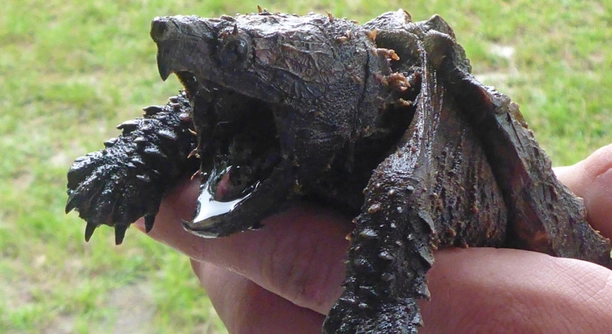
Alligator snapping turtles are fascinating creatures, but sometimes they experience shedding issues that may concern their owners. It’s important to understand how their shedding process works and how to spot any problems.
If your alligator snapping turtle is shedding incorrectly, it may be due to dehydration, improper habitat conditions, or underlying health issues. Identifying these problems early can help prevent serious complications and ensure your turtle’s well-being.
Knowing the signs of improper shedding will allow you to act quickly and make the necessary adjustments. Understanding these issues will help maintain a healthy environment for your alligator snapping turtle.
Dehydration: A Leading Cause of Improper Shedding
One of the most common reasons an alligator snapping turtle may shed incorrectly is dehydration. These turtles are aquatic creatures, so they rely on consistent access to water for hydration. When the environment is too dry or the water quality is poor, the turtle’s skin can become dry and brittle, leading to shedding problems. In severe cases, the turtle might even struggle to shed its scutes entirely, which can cause discomfort or injury. Ensuring your turtle has access to clean, fresh water at the right temperature can prevent many shedding issues.
Proper humidity is just as important for your turtle’s health. If the tank isn’t humid enough, it will be harder for your turtle to shed properly. This is especially true for turtles in the wild, where they often live in moist environments that help them maintain hydration.
To help prevent dehydration, keep a close eye on the humidity level and water quality in the tank. Regularly clean the tank and ensure the water temperature stays within a safe range for your turtle’s species. When in doubt, providing a shallow water dish and misting the habitat lightly can also help maintain hydration.
Temperature Fluctuations and Shedding Problems
Temperature fluctuations can also affect an alligator snapping turtle’s shedding process. When the temperature in their tank is too hot or too cold, it can disrupt their natural shedding cycle. If the turtle’s environment is too warm, it may lead to shedding that’s too fast or incomplete. Cold temperatures can slow down the process entirely, making it difficult for the turtle to shed fully.
To maintain a stable shedding environment, always monitor the tank’s temperature and use a reliable heater or cooler if necessary. Adjust the temperature gradually and avoid sudden changes to prevent unnecessary stress. Ensuring that the turtle’s habitat stays within an optimal temperature range will help it shed naturally.
Stress and Its Effect on Shedding
Stress is another factor that can interfere with your turtle’s shedding process. Alligator snapping turtles, like many other reptiles, are sensitive to changes in their environment. Moving them to a new tank, introducing new tank mates, or even changes in their feeding schedule can cause stress, which can affect shedding. Stress lowers their immune system, making it harder for them to shed properly. Additionally, stress can cause your turtle to stop eating, which can lead to nutritional imbalances.
To help reduce stress, keep your turtle’s environment as stable and predictable as possible. Avoid handling your turtle too often, and be mindful of any changes you make to its surroundings. If your turtle is stressed, consider providing it with a hiding place to feel secure.
Improper Lighting and Shedding Issues
Incorrect lighting can cause shedding problems in alligator snapping turtles. These turtles need both UVB and UVA light to maintain proper health. Without enough exposure to UVB rays, they can’t produce vitamin D3, which is essential for calcium absorption. This imbalance can lead to weak shells and improper shedding.
Ensure your turtle has access to proper UVB lighting for around 10-12 hours a day. Place the light source close enough for the turtle to benefit but not too close to avoid burning. In addition, providing a day-night cycle by turning off the lights at night helps maintain the turtle’s natural rhythm.
Inadequate lighting can stress your turtle out, making shedding more difficult. It’s crucial to use high-quality UVB bulbs and replace them every six months, as they lose effectiveness over time. If your turtle isn’t getting enough light, its shell may become unhealthy, leading to incomplete or problematic shedding.
Health Issues Leading to Shedding Problems
Health problems can also contribute to incorrect shedding in alligator snapping turtles. Infections, parasites, or underlying conditions like shell rot can make shedding difficult or painful. If the turtle is sick, its body may not be able to shed properly, leading to patchy or uneven shedding.
A veterinarian can diagnose and treat any medical issues that might be affecting your turtle’s shedding process. Look out for other signs of illness, like loss of appetite, lethargy, or abnormal behavior. If your turtle is sick, it will need proper care to recover and resume normal shedding patterns.
If you suspect your turtle has a health issue, don’t wait to seek professional help. Delaying treatment can worsen the problem, and the turtle may continue to struggle with shedding. Early intervention is essential to prevent long-term health issues that could affect your turtle’s quality of life.
Overfeeding and Its Impact on Shedding
Overfeeding can lead to problems that affect the shedding process. When your turtle is overfed, it may gain excess weight, which puts unnecessary stress on its body. The added stress can affect its ability to shed properly. Additionally, overfeeding can cause digestive issues, which can impact overall health, including the shedding cycle.
Feeding your turtle the right amount of food is crucial for its health. Keep track of its eating habits and only offer food in appropriate quantities. Excess food can lead to waste buildup in the tank, which may affect water quality and exacerbate shedding issues.
If your turtle becomes overweight, its overall health may decline, further impacting its ability to shed correctly. Proper diet and regular feeding schedules help maintain a balanced environment for your turtle. If you’re unsure about how much to feed, consult a vet to establish the right feeding plan for your turtle’s size and age.
Poor Tank Maintenance and Shedding Issues
Poor tank maintenance can negatively affect the shedding process. When the tank is not cleaned regularly, harmful bacteria and algae build up, which can stress your turtle. This stress can interfere with proper shedding, leading to incomplete or damaged skin.
To maintain a clean environment, ensure the water is changed frequently and the tank is scrubbed regularly. Use a filter to keep the water clean and make sure to remove any debris that could harm the turtle. Regular maintenance will keep the habitat healthy and reduce the chance of shedding issues.
Nutritional Deficiencies and Shedding Problems
A lack of proper nutrition can cause your turtle to have trouble shedding. Alligator snapping turtles need a balanced diet rich in calcium, protein, and other essential nutrients. Without these, they can suffer from soft shells, poor growth, and improper shedding.
Ensure your turtle gets a variety of foods such as fish, shrimp, and leafy greens. Calcium supplements can also help maintain strong shells and improve the shedding process. A nutritious diet will support overall health and ensure your turtle sheds properly without complications.
The Importance of a Stable Environment
Alligator snapping turtles thrive in stable environments. Constant changes in temperature, humidity, or water quality can create stress and disrupt the shedding cycle. Turtles prefer consistency, and keeping their environment steady will help them shed naturally and stay healthy.
When setting up the tank, keep the temperature and humidity consistent. Avoid moving the tank around or making drastic changes to the habitat. By maintaining a stable environment, your turtle will feel more secure and will shed without issues.
FAQ
How do I know if my alligator snapping turtle is shedding incorrectly?
If your alligator snapping turtle is having trouble shedding, you’ll notice some telltale signs. These can include uneven shedding, patches of skin or scutes stuck to its shell, or areas where the skin looks thick and flaky. In severe cases, you might also see your turtle showing signs of discomfort, such as rubbing against objects in its tank. If these issues persist, it’s important to check for environmental factors like temperature, humidity, or water quality, as these can directly affect the shedding process.
Can a shedding alligator snapping turtle become sick?
Yes, if the shedding process is incomplete or improperly managed, your turtle may be at risk of infection or skin problems. Infections like shell rot can develop if the scutes are not shed properly, leading to exposed areas on the shell that are vulnerable to bacteria. Additionally, the stress of improper shedding can weaken the turtle’s immune system, making it more susceptible to other illnesses. Regular checks and maintenance are key to preventing health issues during shedding.
What should I do if my turtle’s scutes are not shedding properly?
If your turtle’s scutes are stuck or not shedding, you can help by improving the conditions of its habitat. Ensure the water is clean and at the proper temperature, and increase the humidity level if necessary. You can gently remove the scutes using a soft, damp cloth, but be careful not to pull too hard, as this can cause injury. If the problem persists, it’s a good idea to consult with a vet to rule out underlying health conditions.
Is it normal for my turtle to shed in pieces?
Yes, it’s normal for turtles to shed their scutes in pieces. Shedding is a gradual process, and it’s typical for pieces of the shell to come off at different times. However, if the shedding is patchy or doesn’t seem to be occurring in a natural manner, it could indicate an underlying issue like dehydration, poor lighting, or an infection. Monitor your turtle closely and adjust its environment as needed to ensure proper shedding.
Can I speed up the shedding process for my alligator snapping turtle?
While you can’t directly speed up the shedding process, you can create the best conditions for it to happen naturally. Make sure the temperature, humidity, and water quality are all optimal. You can also try soaking your turtle in shallow, warm water for a short period to help soften stuck scutes. Be sure not to force the shedding, as this can lead to injury or stress. Allow your turtle to shed at its own pace, and focus on maintaining a healthy environment.
How often does an alligator snapping turtle shed?
Alligator snapping turtles shed their scutes throughout their lives, but they do so at different rates depending on factors like age, health, and environmental conditions. Younger turtles may shed more frequently as they grow, while adult turtles may shed less often. Generally, turtles shed their scutes every few months, but the process can be less predictable depending on their individual needs and environmental factors.
Can improper shedding cause permanent damage to my turtle’s shell?
If improper shedding is not addressed, it can lead to long-term damage to your turtle’s shell. Over time, stuck or improperly shed scutes can cause injury, infection, or deformities. This is why it’s important to monitor the shedding process and ensure that your turtle is living in an optimal environment. If you notice signs of damage or infection on your turtle’s shell, seek veterinary assistance to prevent further complications.
What are some common causes of shedding problems in turtles?
Common causes of shedding problems in alligator snapping turtles include dehydration, poor lighting, stress, nutritional deficiencies, and improper tank maintenance. If any of these factors are out of balance, your turtle may have trouble shedding properly. For example, inadequate UVB lighting can lead to calcium deficiencies, affecting the shell and shedding process. Similarly, if the water in the tank is not cleaned regularly, it can cause stress, which interferes with shedding.
Can I use supplements to help my turtle shed better?
Supplements can be helpful, but they should only be used when necessary. If your turtle’s shedding problems are related to a nutritional deficiency, adding calcium or vitamin D3 supplements to its diet may help. However, supplements should be given cautiously and under the guidance of a veterinarian. Too many supplements can cause other health issues, so it’s important to strike the right balance. Additionally, a varied diet of protein, vegetables, and proper calcium intake is the best way to support healthy shedding.
Why is my turtle rubbing its shell against objects?
Rubbing is often a sign that your turtle is trying to shed its scutes. This behavior is typically observed when the scutes are stuck to the shell and the turtle is trying to dislodge them. While rubbing is normal in these situations, excessive rubbing can indicate that the turtle is uncomfortable, stressed, or experiencing difficulty shedding. If the rubbing seems persistent or excessive, it’s a good idea to examine the turtle’s environment and health more closely.
Final Thoughts
Taking care of an alligator snapping turtle requires attention to detail, especially when it comes to its shedding process. Understanding the causes of improper shedding is the first step in providing the right environment for your turtle. Dehydration, stress, poor tank maintenance, and improper lighting are common factors that can affect shedding. If your turtle is having trouble, it’s important to evaluate its habitat and make necessary adjustments. Providing a stable, clean, and well-lit environment will go a long way in supporting your turtle’s health and natural shedding cycle.
While shedding problems are common, they can often be prevented or corrected with simple changes. Keep the water clean, the temperature stable, and the humidity level appropriate. Ensure your turtle gets enough UVB light and proper nutrition, as these are key to healthy shedding. Monitoring your turtle’s behavior and physical condition is essential, as any signs of distress or discomfort should be addressed right away. Taking small steps like maintaining the right tank conditions and feeding your turtle properly can make a significant difference in its overall well-being.
If the shedding issues persist despite taking preventive measures, it’s always a good idea to consult with a veterinarian. A professional can help identify any underlying health problems that might be affecting your turtle’s ability to shed properly. By being proactive and caring for your alligator snapping turtle’s needs, you can ensure it stays healthy and comfortable. With proper care and attention, your turtle will be able to shed naturally and thrive in its environment.

Hello,
If you enjoy the content that we create, please consider saying a "Thank You!" by leaving a tip.
Every little bit helps us continue crafting quality advice that supports the health, happiness, and well-being of pets around the world, for pets of all shapes, sizes, and species.
We really appreciate the kindness and support that you show us!