
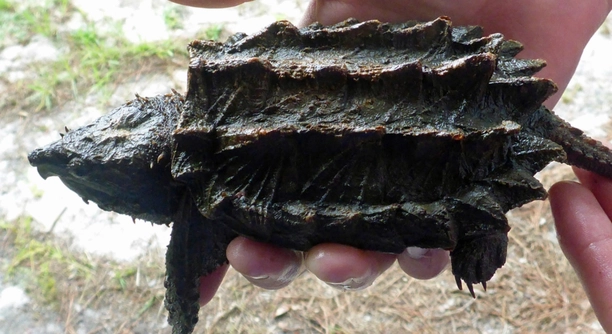
Alligator snapping turtles are fascinating reptiles, but they require special care in captivity. One of the most important aspects of their habitat is providing the right hides. Proper hides give these turtles a place to feel secure.
The best hides for an alligator snapping turtle enclosure should offer both shelter and a sense of safety. Ideal hides include rocks, caves, or hollow logs that allow the turtle to retreat and stay out of sight when needed.
Understanding the types of hides that work best will help you create a comfortable environment for your turtle. Keep reading to learn more about the best options and how they benefit your pet.
Why Hides Are Important for Alligator Snapping Turtles
Alligator snapping turtles need hides in their enclosures to feel secure. These turtles are naturally shy and like to stay hidden from potential threats. Without a proper hiding spot, they may become stressed or even act aggressively. A good hide allows them to retreat, relax, and reduce stress levels. These turtles also need a safe space where they can rest without being disturbed. A hide provides an environment that mimics their natural habitat, where they often seek shelter under rocks, logs, or submerged objects in the wild. The right hide encourages natural behavior, such as digging and exploring, and helps them feel comfortable in captivity. Choosing hides that replicate their natural surroundings will not only improve their well-being but also make your enclosure more enjoyable for them.
The right hides give alligator snapping turtles the space to rest and hide when needed. This reduces stress and encourages natural behaviors, ultimately promoting a healthier environment. Ensuring your turtle feels secure is vital for its overall well-being.
Providing a variety of hides will offer your turtle multiple options. This flexibility helps it choose the best spot for rest, avoiding stress from overcrowding or unwanted attention. Consider the different materials available to create a more natural and enriching space for your turtle.
Best Types of Hides for Alligator Snapping Turtles
When selecting hides for your alligator snapping turtle, focus on natural materials. Rocks, caves, and hollow logs are all great options. These provide the shelter the turtle craves and look similar to the hiding spots it would seek out in the wild. A rock hide with a dark, enclosed space is ideal for creating a secure, quiet retreat. You can also use large pieces of driftwood or logs to mimic a more natural environment. When placing hides, make sure to leave enough space for the turtle to move freely and explore the area. A hide that’s too small or too tight can restrict your turtle’s movement, leading to discomfort and stress. Also, ensure the hide is secure and won’t shift around in the enclosure, as this could cause the turtle to feel unsafe.
Natural materials like rocks and logs make ideal hides. They mimic the turtle’s wild habitat and provide a sense of security while offering the space needed for your turtle to feel comfortable.
It’s important to place these hides in areas where your turtle can easily access them. A well-positioned hide that offers privacy without restricting movement will keep your alligator snapping turtle relaxed. Consider using a mix of small and larger hides to allow your turtle to choose the best option for its mood and needs. Always check to ensure that the hides are free of sharp edges, which could harm the turtle.
Hides That Allow Easy Access
Alligator snapping turtles need hides that are easy for them to enter and exit. If a hide is too small or difficult to access, the turtle might avoid using it altogether. Make sure the hide is wide enough to allow your turtle to comfortably move in and out.
The entrance should be large enough for your turtle to slip in and out without difficulty, especially since these turtles are known for their size and strength. It’s also important to position the hide in a place where the turtle can easily find it when needed. Avoid placing hides in hard-to-reach spots or areas where the turtle might feel trapped. The right hide should offer easy access without being obstructed by other decorations or items in the enclosure. This ensures the turtle always has a place to retreat to when it needs rest or safety.
Alligator snapping turtles often seek out a quiet, undisturbed spot in their enclosure, so making sure they can reach their hide without any obstacles is essential. The hide’s entrance should be wide enough to accommodate your turtle’s size and allow for a quick retreat if needed. This type of hide will reduce stress and encourage more natural behavior.
Waterproof Hides for Aquatic Environments
When selecting hides for an alligator snapping turtle, consider waterproof materials. Since these turtles spend a lot of time in water, their hides must withstand moisture and humidity. Waterproof hides are more durable and won’t break down in wet conditions.
Materials like plastic or resin work well in aquatic setups because they won’t rot, mold, or deteriorate over time. You can also opt for rocks that are smooth and won’t absorb water. Plastic caves or resin logs make great choices, as they provide a safe, dry environment within the moist surroundings of the tank. These hides are easy to clean and maintain, ensuring that your turtle has a clean, secure space to retreat to. Waterproof hides are practical and can help reduce the chances of mold buildup, which could pose a health risk to your turtle.
A waterproof hide will keep your alligator snapping turtle dry when it needs to rest outside the water or if it prefers to stay on land for a while. Make sure to place the hide in a spot where your turtle can easily access both the water and land area. It’s also helpful to have multiple options so your turtle can choose where it feels most comfortable.
Natural Hides to Mimic Habitat
Using natural materials like rocks, logs, or plants in your turtle’s enclosure creates a more comfortable, familiar environment. These materials mimic the turtle’s natural habitat and provide a sense of security. Alligator snapping turtles often feel more at ease in spaces that resemble their wild surroundings.
Natural hides give your turtle a space to retreat and feel protected, just like it would in its natural riverbed or swamp. Logs and rocks are ideal because they allow the turtle to hide completely, making it feel safe. Some plants, like water moss, can also be used around hides to enhance the overall environment. When setting up the hide, make sure it’s secure and stable. Avoid sharp edges or rough surfaces that could harm your turtle. The goal is to replicate the environment that makes your turtle feel most at ease while offering a functional space for rest.
Easy-to-Clean Hides
Maintaining a clean environment is essential for your alligator snapping turtle’s health. Choose hides that are easy to clean and won’t trap debris. Materials like plastic, resin, or smooth rocks are the best options for easy maintenance.
Keeping hides clean helps prevent the buildup of harmful bacteria and fungi. Regular cleaning also reduces odors in the enclosure. A clean hide will ensure that your turtle has a safe and healthy space to retreat. It’s essential to remove any uneaten food or waste from the hide to maintain a hygienic environment. Easy-to-clean materials also make it simpler to give your turtle the care it needs.
FAQ
What is the best material for a hide for an alligator snapping turtle?
The best materials for a hide are natural ones like rocks, logs, and smooth resin or plastic. These materials are easy to clean, durable, and provide a hiding space that mimics the turtle’s natural habitat. Rocks and logs allow for natural burrowing and provide a sense of security, while resin or plastic hides are more manageable and waterproof, making them ideal for wet enclosures. Whichever material you choose, ensure the hide is stable and offers enough space for the turtle to fully retreat and feel safe.
How big should the hide be for an alligator snapping turtle?
The hide should be large enough to accommodate the full size of your turtle. Alligator snapping turtles can grow large, so the hide needs to allow for easy access and space for them to turn around. It should not be too small or cramped, as this can cause stress. The general rule is that the hide should be wide enough for your turtle to comfortably enter and exit, with enough height to allow for complete shelter.
Can I use a plastic cave as a hide for my alligator snapping turtle?
Yes, a plastic cave is a great option. It’s easy to clean, durable, and provides a secure hideaway for your turtle. Just make sure the cave is big enough for your turtle to move in and out comfortably. Plastic hides are ideal for aquatic environments, as they are waterproof and won’t absorb moisture like wood or other porous materials. They also help maintain a clean environment, as they are easy to disinfect. However, it’s important to check for any sharp edges that could potentially harm your turtle.
How often should I clean the hide?
You should clean the hide regularly, at least once a week, or more frequently if needed. This helps prevent bacteria and algae buildup, ensuring that your alligator snapping turtle stays healthy. Always remove uneaten food or waste from the hide to keep it hygienic. For plastic or resin hides, simply scrub them with warm water and mild soap. For natural hides like rocks and logs, rinse them thoroughly and ensure they’re completely dry before placing them back in the enclosure.
Can I use plants in the enclosure to provide additional hiding spaces?
Yes, plants can help provide additional hiding spots for your turtle. Live plants like moss or water plants can mimic the natural environment of alligator snapping turtles, offering extra cover and privacy. However, make sure the plants are non-toxic to turtles. Avoid using plants that may shed leaves or roots that could clog the water. Artificial plants can also be used, but ensure they are made from safe materials that won’t harm the turtle if ingested. Plants will also help with water quality, as they can absorb waste products.
Do I need more than one hide for my alligator snapping turtle?
It’s a good idea to have more than one hide in the enclosure. This gives your turtle options and ensures it has a place to retreat regardless of where it is in the tank. Multiple hides can prevent your turtle from feeling stressed if it can’t access one spot, especially in larger enclosures. Providing a mix of hides, both in and out of the water, allows the turtle to choose where it feels most comfortable at different times. Variety is important, as it also helps mimic the turtle’s natural behavior of choosing different hiding spots throughout the day.
Can I use driftwood as a hide for my alligator snapping turtle?
Yes, driftwood can be used as a hide as long as it’s smooth and safe for the turtle. Driftwood provides a natural look and can be arranged in the tank to create a hiding space. However, you need to ensure that the driftwood is cleaned thoroughly before placing it in the tank to avoid introducing harmful bacteria. It’s also essential that the driftwood doesn’t have sharp edges or pieces that could harm your turtle. Make sure the driftwood is stable and won’t shift in the enclosure.
How do I know if my alligator snapping turtle feels safe in its hide?
You can tell if your turtle feels safe in its hide by observing its behavior. If the turtle frequently retreats to the hide and spends time resting there, it is likely comfortable. A turtle that avoids its hide or seems agitated may not feel secure. Make sure the hide provides enough privacy and a sense of shelter. If the turtle spends more time outside its hide or appears stressed, consider adjusting the hide’s location or material.
Can I add rocks or gravel around the hide for extra security?
Yes, adding rocks or gravel around the hide can help enhance the sense of security. These materials mimic the turtle’s natural habitat, where they often find shelter under rocks or in riverbeds. Just ensure the rocks are smooth and not sharp, as they could cause injury. Adding some natural elements around the hide can make it feel more like a real hiding spot, helping your alligator snapping turtle feel more comfortable and less exposed. Keep the area around the hide free from obstructions that could prevent the turtle from easily entering or exiting.
Do hides help with the turtle’s health?
Yes, hides can positively impact your alligator snapping turtle’s health by reducing stress. Stress can lead to a variety of health issues, including loss of appetite, aggression, or even illness. A secure hide allows your turtle to feel safe, encouraging natural behaviors like resting, eating, and basking. Having a variety of hides helps the turtle choose a comfortable spot, reducing stress further. Ensuring your turtle feels secure and relaxed in its enclosure contributes to its overall well-being.
Final Thoughts
When setting up an enclosure for your alligator snapping turtle, the right hides play a crucial role in its overall well-being. These turtles are naturally shy and tend to feel more secure when they have places to hide. Whether it’s rocks, logs, or plastic caves, providing a variety of hides ensures that your turtle has multiple options to retreat to whenever it needs some peace and quiet. Creating a safe, comfortable environment for your turtle helps reduce stress, which is essential for its health and happiness.
Selecting the best hides requires a balance of factors. You should choose materials that are both safe and durable. Natural materials like rocks and logs offer a more realistic environment and promote natural behaviors, while plastic and resin hides are easier to maintain and clean. Waterproof options are especially beneficial in aquatic enclosures, as they won’t absorb moisture or grow mold. Be sure that the hides you choose allow easy access and don’t trap your turtle. A hide should always provide a space where the turtle can retreat, rest, and feel secure without being cramped or uncomfortable.
Lastly, always keep an eye on your turtle’s behavior to ensure that it’s using its hide properly. If you notice your turtle avoiding its hiding spots or showing signs of stress, it might be worth adjusting the location or changing the hide material. Providing the right hides is just one part of creating a comfortable, healthy environment for your alligator snapping turtle. By ensuring it has plenty of safe spaces to retreat to, you help support its natural behaviors and contribute to a happier, healthier pet.

Hello,
If you enjoy the content that we create, please consider saying a "Thank You!" by leaving a tip.
Every little bit helps us continue crafting quality advice that supports the health, happiness, and well-being of pets around the world, for pets of all shapes, sizes, and species.
We really appreciate the kindness and support that you show us!