
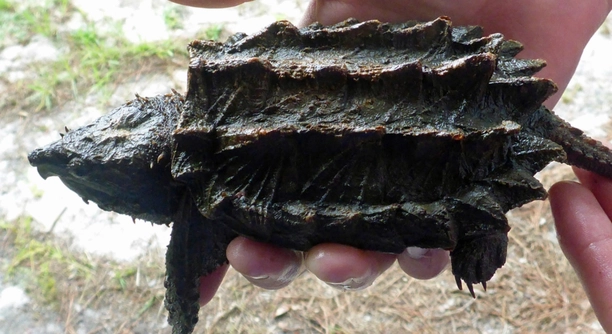
Alligator snapping turtles require a balanced diet to maintain their health and support their immune system. Proper nutrition is key to keeping them strong and protected from potential illnesses. This article will explore the best foods to support your turtle’s health.
Incorporating nutrient-rich foods into your alligator snapping turtle’s diet is essential for boosting its immune system. Foods high in protein, vitamins, and minerals strengthen their defense against diseases and promote overall well-being. A balanced diet helps maintain health and vitality.
Understanding the importance of a good diet can keep your alligator snapping turtle thriving and resilient. The right food choices are essential for supporting their immune system and ensuring their long-term health.
High-Protein Foods for Immune Support
A key element in strengthening your alligator snapping turtle’s immune system is ensuring they get enough protein. Proteins are essential for the growth and repair of tissues, and they play a vital role in producing the immune cells that help fight off infections. When choosing protein sources, consider options such as fish, worms, and even chicken or turkey. These are rich in the amino acids that are necessary for immune function. It is important to vary the protein sources to ensure your turtle receives a well-rounded diet. Adding different types of proteins will keep your turtle healthy and support its defense mechanisms.
Protein-packed meals are also critical for your turtle’s energy levels. By feeding them protein-rich foods, you help ensure they stay active and strong. A turtle in good health will have better resistance to disease and injury.
In addition to fresh protein sources, it’s helpful to add some variety. Freshwater fish, for example, provide vital nutrients and are a favorite among alligator snapping turtles. Offering a mix of food types will help ensure they get the nutrients they need.
Vegetables and Leafy Greens
Vegetables are not only healthy for humans but also offer essential nutrients for your alligator snapping turtle. Leafy greens, in particular, provide vitamins and minerals necessary for optimal health. They contain fiber that aids digestion and helps maintain a balanced gut.
Dark leafy greens like kale, collard greens, and dandelion greens offer calcium, which is essential for strong bones and shell development. These vegetables also contain high amounts of vitamin A, promoting good vision and overall skin health. Offering a variety of greens ensures your turtle benefits from a full range of nutrients.
Other vegetables, such as carrots and sweet potatoes, can also be beneficial when offered in moderation. These foods are rich in beta-carotene and other antioxidants, which can help boost the immune system and keep your turtle in top condition. Feeding your turtle vegetables is one of the simplest ways to keep them healthy, especially when combined with high-quality protein sources.
Fruits for a Boost in Antioxidants
Fruits are a great addition to your alligator snapping turtle’s diet. They offer antioxidants that help fight free radicals, which can damage cells. Berries, such as strawberries and blueberries, are particularly rich in these nutrients. A few pieces of fruit added to their diet a few times a week will provide a natural immune boost.
In addition to antioxidants, fruits provide essential vitamins and minerals that help maintain a healthy immune system. Vitamin C, found in fruits like oranges and strawberries, is a key nutrient for boosting immune function. It helps in the production of white blood cells, which are essential for fighting infections.
Offering fruits in moderation is important, as too much sugar can cause health problems for your turtle. Combining fruits with other nutrient-dense foods like leafy greens or protein sources ensures a well-rounded diet for your alligator snapping turtle. The variety will help maintain their immune system and keep them healthy.
Calcium-Rich Foods
Calcium is vital for your alligator snapping turtle’s shell and bone development. Without enough calcium, your turtle may experience health issues, such as a soft or deformed shell. Adding calcium-rich foods, like cuttlebone, into their diet will help prevent these problems.
Cuttlebone is one of the best sources of calcium and can be easily incorporated into your turtle’s meals. It is important to provide a source of calcium regularly to help your turtle maintain strong bones and a healthy shell. Additionally, some vegetables like kale and collard greens are rich in calcium and should be included in their diet.
Besides the foods you feed them, ensure they get adequate UVB lighting. This helps their body absorb calcium effectively. Without proper lighting and calcium, your turtle’s immune system may weaken over time. Combining these steps will give your turtle the best chance for a long, healthy life.
High-Fat Foods for Energy
High-fat foods provide your alligator snapping turtle with the energy they need to stay active. Healthy fats like those found in fish oil or certain types of nuts are beneficial for their overall health. These fats also support their immune system by promoting cell function.
Fish like salmon and trout are high in omega-3 fatty acids, which are known to reduce inflammation and improve immune function. Offering these fats helps maintain a balanced diet, especially during times of growth or stress. These foods also provide long-lasting energy, keeping your turtle active and healthy.
The Importance of Clean Water
Clean water is just as crucial as the food your alligator snapping turtle eats. Stagnant or dirty water can lead to illness and weakened immunity. Regular water changes help prevent harmful bacteria from building up, ensuring your turtle stays healthy.
Additionally, make sure the water is kept at the proper temperature and pH level. This creates an ideal environment that supports their immune system and encourages proper digestion. Clean water also helps in maintaining the turtle’s skin and shell health. Ensuring a clean habitat is just as important as providing the right food.
Proper Feeding Frequency
Feeding frequency is an essential factor in maintaining your alligator snapping turtle’s health. Overfeeding can lead to obesity, while underfeeding can cause malnutrition. Finding the right balance ensures your turtle gets the nutrients they need without excess.
FAQ
What foods should I avoid feeding my alligator snapping turtle?
Alligator snapping turtles should not be fed certain foods that can harm their health. Avoid offering foods high in sugar, such as fruits with high sugar content like grapes or citrus fruits. These can lead to health issues, including obesity and digestive problems. Additionally, processed foods, such as those meant for humans, should be completely avoided. These can be loaded with preservatives and additives that are harmful to your turtle. Another food to avoid is dairy, as most reptiles are lactose intolerant and cannot properly digest it. Lastly, it is important to avoid feeding your turtle foods that are too large or hard to digest, like whole fruits with pits or tough meats, as they can cause blockages or choking.
How often should I feed my alligator snapping turtle?
The feeding frequency for your alligator snapping turtle largely depends on their age and size. Younger turtles, especially hatchlings and juveniles, require more frequent feedings, typically two to three times a week. As they grow, their metabolism slows down, and adult turtles generally only need to be fed once every two to three days. However, it’s important not to overfeed them, as this can lead to obesity and other health problems. The key is to feed them a balanced diet in appropriate portions. Monitor your turtle’s weight and adjust their feeding schedule accordingly. Be sure to provide a variety of foods, including protein, vegetables, and fruits, to ensure they get the nutrients they need.
Can I feed my alligator snapping turtle vegetables every day?
Yes, vegetables can be fed to your alligator snapping turtle daily. However, it’s important to offer a variety of vegetables to ensure they receive all the necessary nutrients. Dark leafy greens like kale, collard greens, and dandelion greens are excellent choices. Vegetables like carrots and zucchini can be fed occasionally to add variety, but they should not make up the majority of their diet. Too much of certain vegetables, like spinach, can interfere with calcium absorption. Feeding a mix of high-protein foods along with vegetables ensures a balanced diet that supports their immune system and overall health.
Is it safe to feed my alligator snapping turtle raw meat?
Yes, it is generally safe to feed your alligator snapping turtle raw meat, but it should be done in moderation. Meat should be lean, such as fish, turkey, or chicken, and chopped into small, manageable pieces. Avoid feeding them fatty meats or raw meat with bones that could pose a choking hazard or cause digestive issues. It is important to vary the types of meat offered to your turtle to ensure they are getting a balanced diet. Raw meat can provide a good source of protein, but it should always be combined with other healthy foods, like vegetables and fruits, to provide a complete diet.
Can I feed my alligator snapping turtle fish from the pet store?
Feeding your alligator snapping turtle fish from the pet store is fine, but it’s crucial to choose the right types of fish. Live or frozen fish like minnows or goldfish can be good sources of protein. However, avoid feeding them fish that are high in fat or those that are excessively oily. These can contribute to unhealthy weight gain or cause digestive issues. Also, be cautious about fish that may contain parasites or harmful chemicals, so always choose high-quality sources. You can occasionally feed fish to your turtle, but it should be done in moderation and combined with other foods for a balanced diet.
How can I tell if my alligator snapping turtle is underweight or overweight?
Monitoring your alligator snapping turtle’s weight is a great way to ensure they are not underweight or overweight. An underweight turtle will often have a noticeably thin body and may have a sunken or flat shell. They may appear weak or lethargic. Overweight turtles may have a rounder, more swollen appearance, with a bloated or puffy body and shell. In both cases, it’s important to adjust their diet and feeding schedule. If your turtle is underweight, you may need to increase their protein intake. If they are overweight, you should reduce their food portions and avoid overfeeding. A healthy turtle should have a firm body and a well-proportioned, streamlined shape.
What is the best way to provide calcium to my alligator snapping turtle?
Calcium is crucial for your alligator snapping turtle’s bone and shell health. One of the best ways to provide calcium is through supplements, such as cuttlebone, which can be placed in the tank for them to nibble on as needed. You can also offer calcium-rich foods like kale, collard greens, and certain types of fish. Be sure to provide UVB lighting in their habitat, as it helps them absorb calcium more efficiently. Without enough calcium, your turtle could develop shell deformities or weakened bones, which can affect its overall health and immune function.
How long can an alligator snapping turtle go without eating?
Alligator snapping turtles can go for extended periods without eating, especially if they are healthy and in the right conditions. Adult turtles can fast for up to a few weeks without any significant negative effects. However, it’s important to note that fasting should not become a regular occurrence. If your turtle refuses to eat for more than a few days, it could be a sign of an underlying health problem, such as stress, improper water temperature, or illness. Always monitor their behavior and feeding habits closely. If they stop eating for a long period, consult with a reptile veterinarian to ensure everything is in order.
Can alligator snapping turtles eat insects?
Yes, alligator snapping turtles can eat insects, and they can be an excellent source of protein for them. Insects like crickets, mealworms, and worms are all suitable for your turtle and are easily accessible. These insects provide important nutrients and help keep their immune system strong. However, you should not rely solely on insects. They should be part of a varied diet that includes fish, vegetables, and fruits. Avoid feeding your turtle large insects that could be difficult for them to digest. Make sure the insects are from a safe, pesticide-free source.
Final Thoughts
Feeding your alligator snapping turtle a balanced and varied diet is essential for its overall health and well-being. By providing the right mix of proteins, vegetables, and occasional fruits, you ensure that your turtle gets the necessary nutrients to boost its immune system. Protein-rich foods, like fish and lean meats, play an important role in helping your turtle grow and stay strong. Vegetables, such as kale and dandelion greens, provide essential vitamins and minerals to support bone health and energy levels. Offering a variety of food options keeps your turtle’s diet interesting and reduces the chances of nutritional deficiencies.
In addition to a well-rounded diet, maintaining a clean and suitable habitat is key to your turtle’s health. The water temperature, UVB lighting, and proper tank conditions all contribute to their ability to properly digest food and absorb nutrients. Ensuring that your turtle’s environment is stress-free and comfortable will also have a positive impact on its eating habits and immune function. Stress can affect your turtle’s ability to eat regularly, so it is important to provide a calm, quiet space for them to thrive. By monitoring their environment and adjusting their diet as needed, you can help your turtle live a long, healthy life.
Lastly, regular check-ups with a reptile vet can help catch any health issues early, ensuring that your turtle remains in good condition. Just like with any pet, the right care and attention will support their immune system and overall vitality. By offering the right foods, maintaining their habitat, and staying vigilant about their health, you are giving your alligator snapping turtle the best chance at living a healthy, happy life. These small, consistent steps will go a long way in ensuring that your turtle thrives.

Hello,
If you enjoy the content that we create, please consider saying a "Thank You!" by leaving a tip.
Every little bit helps us continue crafting quality advice that supports the health, happiness, and well-being of pets around the world, for pets of all shapes, sizes, and species.
We really appreciate the kindness and support that you show us!