
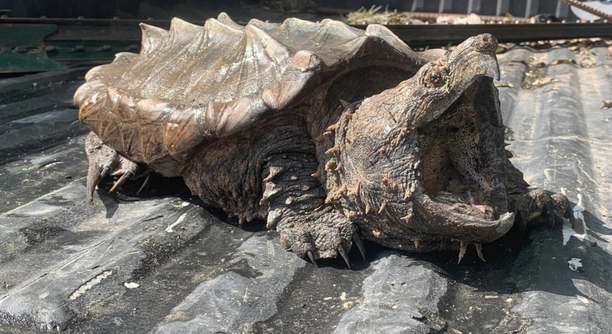
Alligator snapping turtles are fascinating creatures, but their care requires attention to detail, especially when it comes to their shells. If you’ve noticed your turtle’s shell is too dry, it’s important to address it promptly for its health.
To help a dry alligator snapping turtle shell, it’s essential to rehydrate the shell and adjust the turtle’s environment. The primary factors contributing to dryness are dehydration, poor humidity, and insufficient basking areas. Simple fixes can greatly improve its condition.
By understanding these simple solutions, you can ensure your turtle stays healthy. We’ll go over some practical tips to help restore its shell moisture and improve its overall well-being.
Adjusting the Humidity Levels
A dry alligator snapping turtle shell can often be traced back to low humidity in its habitat. These turtles naturally live in environments with high moisture, so replicating this is important. If your tank has low humidity, the shell may dry out and lose its natural shine. The ideal humidity level for these turtles should be between 70% and 80%. You can achieve this by misting the tank regularly or adding a humidifier to the room. Additionally, placing a water dish that your turtle can soak in helps increase humidity and provides hydration.
Maintaining the right humidity helps keep your turtle’s skin and shell hydrated. Adding plants or moss to the tank can also help retain moisture. Consider using a hygrometer to monitor the humidity levels.
Humidity is just as important for your turtle’s health as temperature. A dry environment can lead to health issues, such as a weakened shell. The more you can keep the tank humid, the better.
Proper Hydration
Hydration is key when it comes to a snapping turtle’s health. Make sure your turtle has access to clean, fresh water at all times. Dry shells can often be a sign that your turtle is not drinking enough water. Offering a shallow dish of water, or even soaking the turtle in water for a short period each day, can help keep it hydrated. If your turtle is reluctant to drink, try offering water by gently spraying it onto its shell or face. A hydrated turtle will maintain better shell health, and its shell won’t become dry or brittle.
It’s also essential to provide a clean water source. Stale or dirty water can have adverse effects on your turtle’s health and shell condition. Keeping the water fresh will encourage your turtle to drink more and stay hydrated. It’s a simple but effective way to combat dryness.
Adjusting the Temperature
The temperature in your turtle’s habitat plays a big role in shell health. If it’s too cold, your turtle won’t be able to properly digest food or stay hydrated. A temperature between 75°F and 85°F is ideal. You can achieve this by using a heat lamp or an aquarium heater.
Without the right temperature, your turtle may become sluggish and its shell can dry out. A basking spot with a higher temperature helps them regulate their body heat. This also encourages them to stay active and hydrated. Make sure to check the temperature regularly to keep it in the right range.
If you notice that your turtle’s shell seems drier despite good humidity, the temperature could be the problem. A consistent, warm environment helps your turtle thrive and reduces the chances of dehydration. Too much fluctuation in temperature can cause stress, leading to further shell dryness.
Proper Basking Areas
A well-placed basking spot can help with shell hydration. Your alligator snapping turtle needs a place where it can dry off and warm up after soaking in water. A proper basking area encourages healthy shell growth and helps maintain moisture levels. This area should be slightly warmer than the rest of the tank to allow for proper thermal regulation.
Place the basking spot under a heat lamp to maintain the right temperature. This allows your turtle to dry its shell naturally and helps it regulate its body temperature. A basking area also provides a break from water, which is essential for their overall health. Regular exposure to the basking spot supports your turtle’s shell and helps prevent dryness.
The more consistent you are with temperature and basking areas, the better your turtle will fare. With the right environment, your snapping turtle will thrive, and its shell will remain healthy and hydrated.
Soaking Your Turtle
Regular soaking can help prevent a dry shell. You should soak your alligator snapping turtle in shallow, warm water for about 15-20 minutes a few times a week. This helps rehydrate its shell and provides an easy way for it to drink more water.
Soaking also promotes overall health by encouraging hydration. A shallow dish can allow your turtle to sit comfortably and hydrate without fully immersing itself. This simple step is effective in preventing dryness and maintaining the shell’s appearance.
Shell Oils and Treatments
Applying a light, non-toxic oil to your turtle’s shell can help lock in moisture. Natural oils like coconut oil or olive oil work well for this purpose. Gently rub a small amount onto the shell to improve its texture and prevent excessive dryness.
It’s important not to overdo it, as too much oil can clog the pores of the shell and cause other issues. Be sure to remove excess oil after applying it. This extra step can significantly improve the hydration of the shell and maintain its overall health.
FAQ
What causes an alligator snapping turtle’s shell to become dry?
Dryness in a snapping turtle’s shell is often caused by dehydration, improper humidity, or temperature extremes. These turtles need a humid environment and access to water to stay hydrated. If their tank is too dry or if they’re not drinking enough water, their shell can dry out and become brittle. Another common issue is insufficient basking, where the turtle may spend too much time in the water, not allowing its shell to dry and rehydrate.
How do I keep my alligator snapping turtle’s shell hydrated?
The best way to keep your turtle’s shell hydrated is to maintain proper humidity levels in the tank, ensure it has access to fresh water, and provide a suitable basking area. Regular soaking in shallow, warm water also helps rehydrate the shell. Using a humidity gauge will help you monitor the moisture levels in the tank. By adjusting the environment and making sure your turtle has access to water, you can maintain hydration for its shell.
Can I use oil to treat a dry shell?
Yes, applying a small amount of non-toxic oil, such as coconut oil or olive oil, can help moisturize a dry shell. Gently rub the oil onto the shell using a soft cloth. However, it’s essential not to use too much. Over-applying oil can clog the pores of the shell, leading to more issues. Be sure to wipe off any excess oil after application. This treatment can make the shell appear shinier and prevent further drying.
How often should I soak my alligator snapping turtle?
Soaking your alligator snapping turtle 2-3 times a week for about 15-20 minutes is usually enough to keep its shell hydrated. If the turtle is showing signs of dehydration or dry shell, you can increase the soaking frequency. Ensure the water is warm but not hot, as too much heat can stress the turtle. A shallow water dish works best for these soakings.
Can a dry shell cause health problems for my turtle?
Yes, a dry shell can lead to several health issues for your turtle. If left untreated, dryness can result in the shell becoming brittle, cracked, or even infected. Dryness may also indicate other underlying problems, such as dehydration or poor nutrition. Maintaining the right humidity and hydration is crucial to prevent these issues and to keep your turtle healthy.
What temperature should I keep my snapping turtle’s tank?
The ideal temperature for your alligator snapping turtle’s tank is between 75°F and 85°F. A basking area should be slightly warmer to encourage your turtle to regulate its body temperature. If the water temperature is too cold, your turtle may not be able to digest food properly, and its shell could dry out. Use a heat lamp or aquarium heater to ensure the right temperature range for both the water and basking areas.
How can I improve the humidity in my turtle’s habitat?
Improving the humidity in your turtle’s habitat is simple. You can mist the tank with water several times a day, use a humidifier, or add moisture-retaining plants like moss. Placing a shallow water dish will also help maintain humidity levels. Regular monitoring of the humidity with a hygrometer is key to ensuring the right levels for your turtle’s well-being.
What should I do if my turtle’s shell is damaged or cracked?
If your alligator snapping turtle’s shell is damaged or cracked, it’s important to take immediate action. You should consult a veterinarian experienced in reptiles to determine the severity of the injury. In some cases, the shell can heal with proper care, such as keeping it hydrated and in the right environment. For severe cracks or injuries, the vet may need to provide specific treatments to prevent infection and promote healing.
How do I ensure my turtle gets enough UV light?
Alligator snapping turtles need UV light to help them metabolize calcium and maintain healthy bones and shells. You can use a UVB light source, which should be placed above the basking area. This allows your turtle to absorb the necessary UV radiation. Make sure the UVB light is replaced every 6-12 months, as it loses effectiveness over time.
Is it normal for an alligator snapping turtle’s shell to change color?
It’s normal for a turtle’s shell to change color as it ages. However, if the color change is sudden or accompanied by other symptoms like softness, cracks, or a dry appearance, it could be a sign of poor health or environmental issues. Regularly monitoring your turtle’s shell condition will help you identify any concerns early.
Final Thoughts
Taking care of an alligator snapping turtle involves attention to its environment, hydration, and shell care. A dry shell is a common problem but can be easily addressed with some basic steps. By making sure the humidity levels are right, providing a clean water source, and ensuring a proper basking area, you can help your turtle maintain a healthy shell. Regular soaking and monitoring the temperature of its habitat are key to preventing dryness and other related issues. These small but important changes can greatly improve your turtle’s health.
The right balance of moisture and temperature is essential for alligator snapping turtles. If the humidity is too low or the water temperature is incorrect, your turtle’s shell may begin to show signs of dehydration or brittleness. You can help by maintaining proper humidity levels, ensuring a comfortable basking area, and allowing your turtle to soak in shallow water to keep its shell hydrated. Using natural oils can provide an extra layer of protection for the shell but should be done with caution to avoid excess oil buildup. Keeping the tank clean and monitoring these factors will ensure your turtle stays comfortable and healthy.
Lastly, it’s important to regularly observe your turtle for any changes in its shell or behavior. A healthy shell is a sign that your turtle is thriving, but if you notice cracking, discoloration, or other unusual signs, it may be time to adjust the environment or seek veterinary advice. With consistent care and attention, your alligator snapping turtle will enjoy a long, healthy life.

Hello,
If you enjoy the content that we create, please consider saying a "Thank You!" by leaving a tip.
Every little bit helps us continue crafting quality advice that supports the health, happiness, and well-being of pets around the world, for pets of all shapes, sizes, and species.
We really appreciate the kindness and support that you show us!