
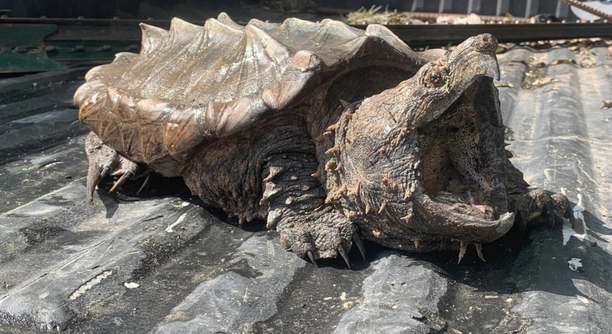
If you have an alligator snapping turtle, you may wonder if it’s breathing properly. Respiratory issues can be concerning for these reptiles, as their health depends on adequate oxygen levels. Identifying signs early is essential.
Breathing problems in alligator snapping turtles can result from infections, stress, or poor environmental conditions. Signs such as labored breathing, wheezing, or gasping should be addressed promptly. Ensure proper water quality, temperature, and habitat conditions to support respiratory health.
Recognizing these signs early on can help prevent further health complications and ensure the well-being of your turtle. Proper care and attention are key to maintaining a healthy environment.
Common Breathing Issues in Alligator Snapping Turtles
Breathing problems in alligator snapping turtles can stem from a few key issues, including respiratory infections, environmental stress, or improper care. These turtles rely on clean, well-maintained water and proper temperatures to stay healthy. If the water is too dirty or the temperature fluctuates too much, it can cause stress, making it difficult for the turtle to breathe comfortably. Another common cause of breathing issues is an infection, which may affect the lungs or other respiratory organs. If your turtle begins showing signs of distress like labored breathing, it’s essential to act quickly.
Many owners overlook the importance of water quality. Contaminants like ammonia or high levels of bacteria can irritate the respiratory system, causing trouble breathing. Regular water changes and filtration can help avoid these problems. Similarly, ensuring the right humidity and temperature range is maintained can go a long way in keeping your turtle healthy.
When you observe any unusual breathing patterns, consider checking the environment immediately. Also, providing a stress-free habitat, free from excessive handling, will help your turtle breathe easier and stay well.
Signs to Watch For
Early detection is vital. Look out for abnormal behavior like gasping or irregular movements.
The presence of abnormal behavior is a clear sign that something isn’t right. A turtle that is struggling to breathe may start to act lethargic or refuse to eat. If the problem persists, consult a veterinarian with experience in reptiles. They can assess your turtle’s health and provide the necessary treatment. Breathing issues are often manageable if caught early, so staying alert to these signs is essential for their well-being.
Environmental Factors Affecting Breathing
Water quality is critical for an alligator snapping turtle’s health. Dirty water, high ammonia levels, or a lack of proper filtration can contribute to breathing problems. Regular water changes are essential to maintain a healthy environment.
Turtles are sensitive to the quality of water, which directly affects their ability to breathe. A high ammonia level or poor filtration system may lead to respiratory stress. Inadequate water circulation can also prevent proper oxygen exchange, which makes it harder for your turtle to breathe. Testing the water regularly and ensuring it stays within ideal parameters is crucial for their health.
Water temperature plays a significant role in your turtle’s respiratory system. If the water is too warm or too cold, your turtle may experience difficulty breathing. Maintaining a steady temperature range ensures your turtle doesn’t become stressed or have trouble getting enough oxygen. Always check the temperature regularly to avoid any harmful fluctuations that could lead to health problems.
How to Keep Your Turtle’s Habitat Safe
Proper humidity and temperature are necessary for alligator snapping turtles. If the air is too dry, they can suffer from dehydration, which affects their breathing. A regulated environment supports healthy respiratory function.
Your turtle’s environment must offer enough humidity to avoid dehydration. Dehydrated turtles may breathe more heavily or show other signs of respiratory distress. Using a humidifier or misting the enclosure occasionally can help. Additionally, ensuring the temperature stays within an ideal range is essential. Too much fluctuation can add stress, leading to difficulty in breathing. Use a thermostat or temperature gauge to monitor the conditions inside your turtle’s habitat regularly.
Stress and Its Impact on Breathing
Stress can trigger breathing problems in alligator snapping turtles. Constant disturbances or inappropriate handling may lead to respiratory distress. A calm, quiet environment is necessary for your turtle’s health.
Turtles are sensitive to changes in their surroundings. Loud noises, excessive handling, or movement in their environment can cause stress, which negatively affects their breathing. It’s important to avoid sudden disruptions and provide a consistent, peaceful habitat for your turtle to thrive. This can make a noticeable difference in their overall health and comfort.
Infections and Respiratory Health
Respiratory infections are common among alligator snapping turtles. Bacterial, fungal, or viral infections can significantly impair their ability to breathe. These infections often show up as nasal discharge, lethargy, or labored breathing. Early treatment is key.
When a respiratory infection occurs, the turtle’s immune system is weakened, which makes it difficult to recover without medical intervention. If untreated, these infections can worsen, potentially causing permanent damage to the lungs. Consult a reptile veterinarian if you notice signs like excessive mucus, wheezing, or slow movement. Prompt attention will help prevent the infection from spreading further.
Proper Diet and Breathing Health
A balanced diet contributes to overall health and may help prevent respiratory issues. Malnourishment weakens the immune system, leaving turtles vulnerable to infections.
Make sure your alligator snapping turtle receives a variety of nutrients, including protein, vitamins, and minerals. This can help maintain a strong immune system and fight off potential respiratory infections. Proper nutrition aids in overall health, including respiratory function.
FAQ
What are the common signs that my alligator snapping turtle is having trouble breathing?
If your turtle is struggling to breathe, you’ll notice signs such as rapid or labored breathing, gasping, or wheezing. They might also show lethargy or avoid eating, which are indicators that something is wrong. Pay attention to any unusual behavior that could suggest respiratory distress.
How can I tell if the water quality is affecting my turtle’s breathing?
If the water quality is poor, it may lead to issues like excessive algae, high ammonia levels, or harmful bacteria. These can irritate your turtle’s respiratory system. Regular water testing and frequent changes are crucial. If the water has a strong odor or looks murky, it’s time to clean the tank.
What temperature should the water be to keep my turtle healthy?
The ideal water temperature for an alligator snapping turtle should range from 72°F to 78°F (22°C to 25°C). Temperatures outside this range can stress your turtle and affect its ability to breathe. Consistent water temperature helps maintain its respiratory health and overall well-being.
Can stress cause breathing issues in alligator snapping turtles?
Yes, stress is a common cause of breathing problems. Changes in the environment, too much handling, or loud noises can stress out your turtle. This can cause labored breathing and other health issues. Maintaining a calm and stable environment helps your turtle feel secure and reduces the risk of respiratory distress.
What should I do if I notice my turtle has nasal discharge?
Nasal discharge is a sign of a possible respiratory infection. It can indicate bacterial or fungal infections, both of which can affect breathing. If you notice discharge, it’s important to consult a veterinarian who specializes in reptiles for diagnosis and treatment.
How can I prevent respiratory infections in my turtle?
To prevent respiratory infections, maintain a clean environment with proper water filtration and regular tank cleaning. Ensure the water temperature stays consistent and avoid stressing your turtle. Proper nutrition and a balanced diet also play a vital role in strengthening the immune system and preventing infections.
Is it normal for my turtle to breathe through its mouth?
Breathing through the mouth is not normal for an alligator snapping turtle. They typically breathe through their nose. If you notice your turtle opening its mouth to breathe, it may indicate respiratory distress. This could be a sign of infection or poor water quality, and immediate attention is necessary.
How often should I clean my turtle’s tank to prevent breathing problems?
Cleaning your turtle’s tank should be done weekly, with partial water changes every few days to keep the water fresh. A well-maintained tank reduces the buildup of harmful toxins like ammonia, which can irritate your turtle’s respiratory system. Regular cleaning helps prevent respiratory issues and ensures your turtle stays healthy.
What kind of diet is best for preventing breathing issues?
A balanced diet rich in vitamins, minerals, and protein is essential for a healthy immune system. Feed your turtle a mix of commercial turtle food, vegetables, and occasional live prey, such as worms or fish. A strong immune system can help prevent infections that affect breathing.
Can alligator snapping turtles suffer from lung infections?
Yes, alligator snapping turtles can suffer from lung infections, which can significantly impact their ability to breathe. Symptoms include wheezing, labored breathing, or mucus coming from their nose. If you suspect a lung infection, seek veterinary care immediately to prevent complications.
How do I keep my turtle’s humidity levels correct?
Maintaining the right humidity is crucial for your turtle’s health. The humidity level should range from 60% to 80%, which can be monitored with a hygrometer. Mist the enclosure regularly or use a humidifier to maintain the proper level, especially during dry months. This prevents dehydration and helps with respiratory health.
How can I tell if my turtle is stressed?
Signs of stress in a turtle can include erratic swimming, loss of appetite, or hiding more than usual. Stress can lead to poor health, including breathing difficulties. Make sure the tank environment is stable, with no sudden changes in temperature or water conditions, to minimize stress.
What should I do if my turtle’s breathing problems worsen?
If your turtle’s breathing problems worsen, it’s important to seek professional help immediately. A reptile veterinarian can diagnose the issue, whether it’s a respiratory infection or another condition. Delaying treatment can lead to more serious complications, so don’t hesitate to get medical assistance.
Can an alligator snapping turtle live with other reptiles?
While alligator snapping turtles are solitary by nature, they can live with other reptiles in certain conditions. Ensure the habitat is large enough to provide space and that the other reptiles do not cause stress. However, keep in mind that turtles may become aggressive, especially when stressed or threatened.
How long can my turtle survive without eating if it’s having trouble breathing?
If your turtle is having trouble breathing and not eating, it’s crucial to address the underlying cause as soon as possible. Turtles can survive for several weeks without food, but prolonged periods of not eating can weaken their immune system. Seek veterinary attention if your turtle refuses food for more than a few days.
Final Thoughts
Alligator snapping turtles are fascinating creatures, but their health needs to be carefully monitored to ensure they thrive. Respiratory issues are a serious concern for these turtles and can result from several factors, including poor water quality, stress, or infections. Being proactive in maintaining a clean and stable environment is crucial. Regular water changes, proper filtration, and ensuring the right water temperature can go a long way in preventing health problems. By addressing potential issues early, you can help your turtle avoid respiratory distress and live a long, healthy life.
In addition to environmental factors, diet plays a significant role in keeping your turtle’s immune system strong. A varied diet, including the right balance of nutrients, helps prevent infections that may affect the respiratory system. Alligator snapping turtles need protein, vitamins, and minerals to stay healthy. Make sure they are fed a mix of appropriate foods, and monitor their appetite regularly. A well-fed turtle is more likely to recover from illnesses and avoid serious health issues. A balanced diet is just as essential as maintaining a clean environment.
If you notice signs of breathing problems, such as labored breathing, nasal discharge, or lethargy, it’s important to seek professional help immediately. Respiratory infections can quickly worsen if not treated, leading to more severe complications. A reptile veterinarian can diagnose and treat the problem before it becomes life-threatening. By being aware of the signs and acting quickly, you can ensure that your alligator snapping turtle receives the care it needs. Ultimately, proper care, a balanced diet, and attention to environmental factors will help your turtle stay healthy and thrive in its habitat.

Hello,
If you enjoy the content that we create, please consider saying a "Thank You!" by leaving a tip.
Every little bit helps us continue crafting quality advice that supports the health, happiness, and well-being of pets around the world, for pets of all shapes, sizes, and species.
We really appreciate the kindness and support that you show us!