
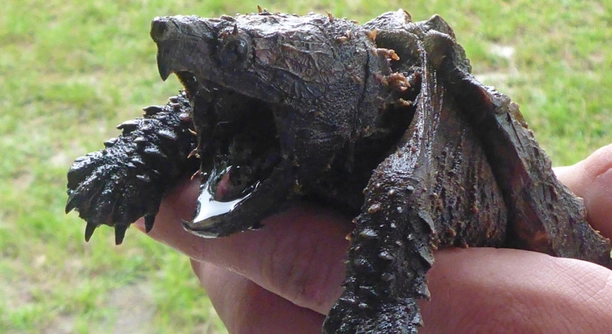
Alligator snapping turtles are unique creatures, and like all pets, they require proper care to stay healthy. One critical factor in their well-being is calcium, which plays a vital role in their development and overall health.
Calcium deficiency in alligator snapping turtles can lead to serious health problems, including shell deformities and weakened bones. Ensuring they get enough calcium is essential to prevent these issues and promote their long-term health.
There are several signs to watch for, including changes in behavior and physical appearance. Understanding these symptoms can help you provide the best care for your turtle.
1. Weak or Soft Shells
When an alligator snapping turtle is calcium deficient, its shell can become soft and weak. The shell might lose its natural hard texture, making it more prone to damage or deformities. Calcium is essential for shell development, and without it, the shell can’t fully harden. This is a serious concern because the shell protects the turtle from predators and injuries.
In some cases, the shell might also become pitted or show signs of abnormal growth. You might notice irregularities in the shape, or it may appear softer than usual when touched. This could also lead to difficulty in movement.
Shell issues often indicate a calcium deficiency that needs immediate attention. If your turtle’s shell looks softer or has visible changes, it’s crucial to take action. Adjusting their diet or providing supplements can help restore the shell’s strength and ensure their health improves.
2. Loss of Appetite
A turtle with a calcium deficiency might lose interest in eating. Without the right nutrients, they may feel sluggish or unwell. This can be caused by the turtle’s weakened immune system.
Turtles need calcium for energy and proper digestion. Without enough calcium, their metabolism slows down, which affects their hunger. If your alligator snapping turtle isn’t eating as usual, it could be a sign that something is wrong with their nutrition.
Sometimes, a lack of appetite can be the first noticeable symptom of calcium deficiency. If your turtle isn’t showing interest in food, it’s essential to consider whether their diet is lacking in calcium-rich sources. Providing the right foods or adding supplements may help to restore normal eating habits.
3. Poor Growth and Stunted Development
When an alligator snapping turtle is lacking calcium, its growth may slow down. Calcium is vital for bone development and overall growth. If your turtle is not growing at the normal rate, this could be a sign that it’s not getting enough of the mineral.
This stunted growth can be particularly noticeable in young turtles, as they rely on calcium to grow properly. Their bones and shells may develop more slowly, and they may appear smaller than usual for their age. Without proper calcium intake, their development will be affected, potentially leading to health problems later on.
It’s important to monitor the growth rate of your turtle. If you notice any unusual slow growth, especially if it’s younger, this could indicate a deficiency in calcium. Ensuring they are provided with calcium-rich foods and supplements can help improve their growth and prevent further issues.
4. Lethargy and Reduced Activity
Lack of calcium can make your alligator snapping turtle feel sluggish or lethargic. Calcium plays a role in muscle function, and without it, your turtle may become less active. This is because their muscles may not be working at their full capacity, leaving them feeling weak.
You may notice that your turtle spends more time resting at the bottom of its tank and is less likely to move around or explore. Activity levels in turtles can vary, but a noticeable decrease can indicate an underlying health issue like calcium deficiency. If your turtle is not moving as much, it could be a sign of weakness due to a lack of calcium in its diet.
It’s crucial to pay attention to any changes in their behavior. If your turtle seems more tired than usual and is spending too much time immobile, it’s worth reviewing their calcium intake. Adding calcium supplements or feeding them more calcium-rich foods might help increase their energy levels.
5. Abnormal Shell Growth
When calcium levels are low, the shell may begin to grow unevenly. Instead of developing smoothly, you might notice lumps, bumps, or a rough texture on the surface. This happens because the turtle lacks the proper minerals to form a healthy shell.
Abnormal shell growth can also cause the shell to appear more misshapen. In some cases, the edges may start to curl or the shell may develop cracks. These growth issues are directly linked to a calcium deficiency, making it crucial to address them before they worsen.
Fixing calcium deficiency can help promote proper shell growth and prevent deformities. If you spot any irregularities in the shell’s shape or texture, it’s a strong indicator that the turtle’s calcium intake is insufficient.
6. Increased Respiratory Infections
Low calcium levels can weaken a turtle’s immune system, making it more susceptible to respiratory infections. Calcium helps regulate immune function, and when it’s lacking, your turtle may struggle to fight off illness.
If your alligator snapping turtle starts showing signs of respiratory distress, like wheezing or difficulty breathing, it may be due to a calcium deficiency. These infections can make the turtle feel even more unwell, compounding other health issues. Providing adequate calcium will strengthen their immune system and help prevent infections.
Boosting calcium intake through the right foods or supplements can improve immune function, helping your turtle fight off potential infections and stay healthier overall.
7. Changes in Behavior
Calcium deficiency can cause behavioral changes, such as increased aggression or irritability. Your alligator snapping turtle might act out of character, becoming more defensive or less responsive to its environment.
A lack of calcium affects the turtle’s nervous system, leading to these behavioral shifts. In some cases, calcium deficiency can also make turtles more anxious or stressed, impacting their overall behavior. It’s important to note any unusual actions, as they could be signs of underlying health problems.
Restoring calcium balance can often help calm the turtle and return it to its normal behavior. Be sure to monitor their behavior closely if you notice these changes, as they could be signaling a calcium issue.
FAQ
What are the best foods to increase calcium for my alligator snapping turtle?
To increase calcium in your alligator snapping turtle’s diet, provide foods that are rich in this mineral. Options include dark leafy greens like collard greens, kale, and dandelion greens. You can also offer calcium-enriched pellets or cuttlebone. Other good sources of calcium include shrimp, snails, and fish. Be sure to feed a varied diet to ensure your turtle gets a balanced range of nutrients. Additionally, calcium supplements can be dusted on their food, which helps ensure they get enough calcium.
The key is to include a mix of foods that naturally contain calcium and use supplements when necessary. If you’re unsure about how much calcium your turtle is getting, consult with a vet to guide you on the best approach.
How can I tell if my turtle is not getting enough calcium?
The most noticeable signs of calcium deficiency are physical changes in the shell, poor growth, and behavioral changes. If your turtle’s shell becomes soft, uneven, or develops irregularities, it’s a clear indication of a calcium shortage. You may also observe your turtle becoming lethargic, losing its appetite, or showing reduced activity levels. These signs suggest that the turtle’s body isn’t able to properly build and maintain strong bones and shells. Monitoring their growth rate and ensuring they are eating a balanced diet with proper calcium intake can help prevent deficiency.
If you notice these symptoms, it’s important to act quickly to address the issue by adjusting their diet or providing supplements. A quick response can help prevent long-term damage.
Can I just use calcium supplements for my turtle instead of providing calcium-rich foods?
While calcium supplements can help your turtle get the necessary calcium, they should not be relied upon as the sole source. A balanced diet that includes natural calcium-rich foods, along with the occasional supplement, is ideal. Calcium supplements, like powdered calcium, can be sprinkled on their food or added to their water, but it’s still important to provide whole foods that offer a range of nutrients.
Relying entirely on supplements can result in an imbalanced diet, which could lead to other health issues. A combination of both is the best way to ensure your turtle’s calcium needs are met.
How often should I feed my alligator snapping turtle calcium-rich foods?
Alligator snapping turtles should be offered calcium-rich foods regularly, but the exact frequency will depend on their age, health, and diet. Younger turtles that are still growing may require more calcium to support their development. Typically, calcium-rich foods should be offered two to three times a week. If you are supplementing with calcium powder, this can be done more frequently, but be careful not to over-supplement, as too much calcium can also cause issues.
It’s best to offer a variety of food options that provide calcium, so your turtle gets a well-rounded diet.
What are the risks of not addressing calcium deficiency in my turtle?
If calcium deficiency is left untreated, your alligator snapping turtle can experience severe health issues. One of the most concerning risks is the weakening of the shell. A soft or deformed shell makes the turtle more vulnerable to injury and infections. Over time, a lack of calcium can also lead to stunted growth, bone deformities, and poor overall health. Additionally, calcium deficiency can negatively affect the nervous system, making the turtle more lethargic, aggressive, or stressed.
Untreated deficiency can severely impact the turtle’s quality of life and even shorten its lifespan. Early intervention by adjusting their diet or adding supplements can prevent these risks.
Is it safe to give my turtle calcium supplements every day?
While calcium supplements are essential for your turtle’s health, they should not be given daily unless specifically recommended by a vet. Too much calcium can cause imbalances, leading to health problems like kidney damage or calcium deposits. Most turtles only need supplements a few times a week, depending on their diet and calcium levels.
It’s important to consult a vet to determine the proper dosage and frequency of calcium supplements for your turtle. They can help ensure your turtle gets just the right amount to maintain healthy bones and shell growth.
Can UVB light help with calcium absorption?
Yes, UVB light plays an important role in calcium absorption for reptiles. It helps them synthesize vitamin D3, which is essential for calcium metabolism. Without proper UVB exposure, turtles may struggle to absorb calcium, even if they are eating calcium-rich foods. Ensure that your turtle has access to natural sunlight or a UVB light source to support their overall health.
UVB lights should be replaced every 6 to 12 months, as their effectiveness diminishes over time. Providing a proper light source along with a balanced diet will help your turtle absorb calcium more efficiently.
Can calcium deficiency cause long-term damage to my turtle?
Yes, prolonged calcium deficiency can lead to permanent damage to your turtle’s shell and bones. If the deficiency is not addressed, it can result in severe deformities or softening of the shell, making it more susceptible to injury. In some cases, a lack of calcium can also lead to fractures or abnormal growth patterns in bones and shells. Over time, these problems can cause lasting health complications that may be irreversible.
To prevent long-term damage, it’s important to correct the calcium deficiency as soon as possible by adjusting your turtle’s diet and providing supplements. Early intervention can ensure your turtle’s bones and shell remain strong.
Final Thoughts
Ensuring your alligator snapping turtle gets enough calcium is essential for its overall health and well-being. Calcium is crucial for bone growth, shell development, and a strong immune system. Without sufficient calcium, your turtle can experience a range of health issues, such as soft or deformed shells, poor growth, and weakened bones. These problems can worsen if not addressed quickly, leading to long-term damage and a shorter lifespan for your turtle.
It’s important to offer a balanced diet that includes calcium-rich foods, such as leafy greens, snails, and calcium-enriched pellets. Supplements can also help fill in any gaps if your turtle is not getting enough calcium from its food. However, it’s best not to rely solely on supplements—whole foods that provide a range of nutrients are just as important. Be sure to also provide access to UVB lighting, as it helps your turtle absorb calcium more efficiently.
Taking the time to observe your turtle and recognize the signs of calcium deficiency can help you take action before the situation becomes serious. If you notice changes in its behavior, growth, or shell, it’s crucial to adjust its diet right away. A little attention and care can go a long way in preventing health problems and keeping your alligator snapping turtle happy and healthy for years to come.

Hello,
If you enjoy the content that we create, please consider saying a "Thank You!" by leaving a tip.
Every little bit helps us continue crafting quality advice that supports the health, happiness, and well-being of pets around the world, for pets of all shapes, sizes, and species.
We really appreciate the kindness and support that you show us!