
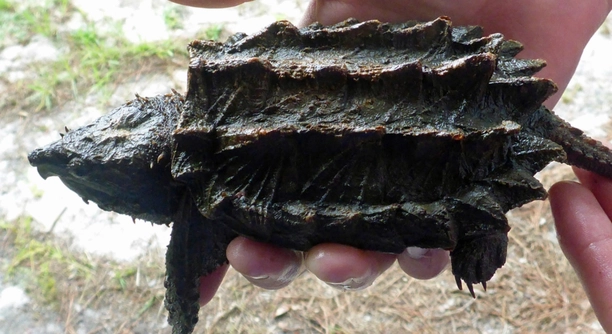
Alligator snapping turtles are fascinating creatures, but if you’ve noticed your turtle snapping at the glass, you might be wondering why this happens. It’s important to understand their behavior in order to keep them healthy and happy.
The main reason your alligator snapping turtle snaps at the glass is likely due to its natural hunting instincts. These turtles are opportunistic feeders, and the glass may appear as a potential prey source. The snapping behavior mimics the turtle’s natural reaction to movement.
This behavior is common but can be managed. With some simple adjustments, you can help reduce the snapping and create a more comfortable environment for your turtle.
Natural Hunting Instincts
Alligator snapping turtles are equipped with some of the most impressive hunting skills. In the wild, they rely on their ability to mimic prey movements to catch their food. These turtles use their tongue, which resembles a worm, to attract fish and small animals. When they sense movement, they react quickly and snap to capture their prey. In an aquarium setting, they may see movement near the glass and mistake it for food. This instinct is powerful and can lead to constant snapping behavior, especially if there’s frequent movement near the tank.
While snapping at the glass might seem strange, it’s simply a reflection of their predatory nature. It’s important to note that this behavior isn’t a sign of aggression or discomfort. Your turtle is just acting on instinct, responding to perceived movement in its environment.
By understanding this instinct, you can make simple changes to reduce its frequency. For example, limiting movement around the tank or adding objects that help distract the turtle can minimize glass snapping.
Tank Environment and Setup
The environment around your turtle plays a huge role in its behavior. A well-designed tank with appropriate hiding spots can help reduce stress, making your turtle feel more secure. When turtles feel threatened, they may display more snapping behavior in an attempt to assert dominance or ward off perceived danger. Additionally, providing a larger space with plenty of room for your turtle to explore can give it a sense of control and decrease nervous energy that could trigger frequent snapping.
Proper tank design also includes proper filtration and water conditions. Turtles are sensitive to poor water quality, which can increase their stress levels. A clean, balanced tank environment provides a sense of safety and relaxation, giving your turtle less reason to snap at the glass.
Glass Reflections
Alligator snapping turtles can mistake their reflection in the glass for another turtle or potential threat. This confusion often leads to constant snapping, as they may perceive their reflection as competition or an intruder in their space. It’s a natural reaction, but it can be quite frustrating to watch.
Snapping turtles are territorial by nature, and when they see their reflection, they might interpret it as another turtle encroaching on their territory. Their snapping behavior is simply their way of defending their space. This is especially true if your turtle feels threatened or unsure of its surroundings. The snapping is instinctual, driven by the desire to protect themselves.
Reducing this behavior might involve blocking the turtle’s view of its reflection. You can achieve this by adjusting the tank setup, using a background for the aquarium, or placing decorations to distract the turtle. It’s essential to understand that this behavior is not a sign of stress or poor health but rather an instinctive response to what they perceive as a rival.
Hunger and Feeding Times
Turtles are constantly on the lookout for food, and when they sense movement near the glass, they may assume it’s feeding time. Snapping turtles are opportunistic eaters and are highly motivated by food. If they associate the glass with feeding, they’ll begin snapping at it more frequently.
Their powerful jaws are designed to capture prey, and any motion near the tank can trigger their hunting instincts. This can make feeding times more difficult, as your turtle may begin snapping at you when you approach the tank, mistaking you for food. Ensuring you’re feeding your turtle properly can help curb this behavior. Consistent feeding schedules will help your turtle recognize when food is coming, reducing its anticipation-driven snapping.
To manage this, try feeding your turtle away from the glass or in a designated feeding area in the tank. This helps create positive associations with food without the frustration of snapping at the glass. Additionally, keeping feeding times consistent will help your turtle learn when to expect food, reducing the anxiety that might lead to snapping behavior.
Boredom and Lack of Stimulation
If your alligator snapping turtle doesn’t have enough to do in its tank, it might start snapping at the glass. Turtles need stimulation to stay engaged. Without proper enrichment, they will look for ways to interact with their environment, and the glass becomes their target.
A turtle that lacks stimulating activities might become fixated on its reflection, or simply feel restless. You can reduce this by adding variety to their habitat. Provide hiding spots, plants, or moving objects like floating logs to catch their attention. A turtle with more to explore is less likely to snap at the glass out of boredom.
Tank Size
A small tank can cause stress for your turtle. Limited space might make it feel cramped, prompting more snapping behavior as a sign of frustration. Snapping turtles need room to roam and exercise, as they are naturally active in the wild.
If the tank is too small, your turtle may become frustrated and more likely to exhibit behaviors like snapping at the glass. The more space they have, the less likely they will engage in repetitive behaviors. A spacious tank with proper filtration and decor can make all the difference in their comfort and behavior.
Health Issues
In some cases, snapping at the glass may indicate discomfort or illness. If your turtle is feeling unwell, it might exhibit strange behaviors. For example, it could snap as a way to express irritation or distress.
Health problems like shell rot, digestive issues, or respiratory infections can cause a turtle to act out. It’s important to regularly monitor your turtle’s behavior and physical condition. If snapping behavior seems out of character, it’s worth consulting a veterinarian to ensure your turtle is in good health and not acting out due to pain or discomfort.
FAQ
Why does my alligator snapping turtle keep snapping at me?
Your alligator snapping turtle may be snapping at you due to hunger, curiosity, or frustration. When they associate you with food, they may mistake you for a source of food, leading to snapping when you approach the tank. This behavior is also common if they are used to being fed at certain times, or if they are curious about your presence.
Can snapping at the glass be a sign of stress?
Yes, snapping at the glass can sometimes be a sign of stress, especially if the turtle feels confined or uncomfortable in its environment. Stress can also come from poor water quality, overcrowding, or lack of proper enrichment. If you notice your turtle snapping more often, it’s important to evaluate its tank conditions and adjust accordingly.
How can I stop my turtle from snapping at the glass?
To stop your turtle from snapping at the glass, try several approaches. First, consider altering the tank setup to minimize reflections, such as adding a background or adjusting the lighting. Second, provide more enrichment like plants, logs, or hiding spots to distract the turtle. Finally, maintain a regular feeding schedule and feed the turtle away from the glass to reduce the association between glass and food.
Do alligator snapping turtles get bored?
Yes, alligator snapping turtles can get bored if they don’t have enough stimulation in their tank. Boredom can lead to behaviors like snapping at the glass. It’s important to provide a variety of objects to explore and interact with. A well-designed tank with different textures, hiding spots, and water flow can keep your turtle engaged.
Is it okay for my turtle to snap at me?
While snapping at you is usually not a cause for concern, it can be a sign that your turtle is hungry or confused. Some snapping is natural, as they are instinctive hunters and may react to movement near the tank. However, if your turtle starts snapping aggressively or frequently, it could indicate stress or an unmet need in its environment.
Can snapping turtles be kept with other turtles?
Alligator snapping turtles can be kept with other turtles, but caution is needed. These turtles are territorial and may exhibit aggressive behavior towards other turtles, especially if they feel crowded or threatened. If you want to house multiple turtles together, make sure the tank is large enough, and monitor their behavior closely for any signs of aggression.
How do I know if my turtle is healthy?
A healthy alligator snapping turtle will be active, responsive, and have clear, bright eyes. Its shell should be smooth without signs of damage or rot, and its skin should be free of lesions. Regularly check for signs of distress, like excessive hiding, lack of appetite, or abnormal behavior, which could indicate health problems.
What should I feed my alligator snapping turtle?
Alligator snapping turtles are carnivorous, and their diet consists mainly of fish, small mammals, and invertebrates. You can also offer them commercial turtle food, worms, and insects. It’s important to vary their diet and provide appropriate food that mimics their natural diet in the wild. Avoid overfeeding and ensure they have access to clean, fresh water at all times.
Can snapping turtles live in a tank with live plants?
Yes, snapping turtles can live in tanks with live plants, but you must choose plants that can withstand their behavior. Snapping turtles may occasionally nibble on plants, but providing hardy species like anubias or java fern can help. Live plants also benefit the tank by improving water quality, but make sure your turtle isn’t tearing them up constantly.
How can I keep my snapping turtle entertained?
To keep your snapping turtle entertained, add items to its tank that encourage exploration and mental stimulation. You can introduce floating logs, rocks, and submerged hides. Moving water, such as a small filter or bubbler, can also attract their attention. The more variety and texture in their environment, the less likely they are to focus on snapping at the glass.
Do alligator snapping turtles need UVB lighting?
Yes, like most reptiles, alligator snapping turtles require UVB lighting to maintain proper health. UVB light helps them synthesize vitamin D3, which is essential for calcium absorption and shell development. Make sure your turtle has access to both UVB and heat lamps, creating a basking area where it can absorb the necessary light.
How big should the tank be for an alligator snapping turtle?
Alligator snapping turtles grow quite large, so they need a spacious tank to thrive. For an adult, a minimum tank size of 75 to 100 gallons is recommended, though larger is better. The tank should provide enough swimming space, a basking area, and hiding spots to make your turtle feel secure and comfortable.
How often should I clean my snapping turtle’s tank?
You should clean your snapping turtle’s tank at least once a week to maintain a healthy environment. This involves removing uneaten food, cleaning the filter, and replacing part of the water. Depending on the size of the tank and the number of turtles, more frequent cleaning may be necessary to prevent the buildup of waste and bacteria.
Are there any common health problems with alligator snapping turtles?
Alligator snapping turtles are susceptible to common health issues like shell rot, respiratory infections, and parasites. Shell rot can occur if the tank is too dirty or if the turtle is kept in conditions with poor humidity. Respiratory infections are usually caused by improper water temperature or poor water quality. Regular vet checkups and proper tank maintenance will help prevent these issues.
Can I handle my snapping turtle?
Handling your alligator snapping turtle is not recommended, as they are not typically social animals. While some turtles may tolerate handling, the alligator snapping turtle is more likely to react defensively. Their powerful jaws can cause injury, so it’s best to admire them from a distance and avoid unnecessary handling. If you do need to handle them, be sure to do so gently and with care to avoid stressing them out.
Alligator snapping turtles are fascinating creatures with unique behaviors that can sometimes be puzzling. If you’ve noticed your turtle snapping at the glass, it’s important to remember that this is often a natural instinct. Whether they are hunting, feeling territorial, or reacting to their reflection, these behaviors are a part of their normal activity. Understanding the root causes behind the snapping behavior can help you address the issue and create a better environment for your turtle.
Making a few simple adjustments to your turtle’s tank can significantly reduce snapping at the glass. Providing a larger tank with plenty of enrichment, such as hiding spots and floating logs, can help alleviate boredom and frustration. Ensuring the water quality is excellent and maintaining a regular feeding schedule also reduces the likelihood of snapping due to hunger or anxiety. Blocking their view of reflections, either with a background or by adjusting the tank setup, can also help reduce confusion caused by seeing themselves in the glass. These small changes can make a big difference in how your turtle behaves.
Ultimately, understanding your alligator snapping turtle’s instincts and behaviors is key to providing the best care possible. While snapping at the glass might seem like an issue, it’s often simply a reflection of their natural behavior. By making the right changes in their environment, you can reduce the snapping and ensure they live a happy and healthy life. Keeping an eye on their overall health, providing the right habitat, and being patient will go a long way in improving your turtle’s well-being.

Hello,
If you enjoy the content that we create, please consider saying a "Thank You!" by leaving a tip.
Every little bit helps us continue crafting quality advice that supports the health, happiness, and well-being of pets around the world, for pets of all shapes, sizes, and species.
We really appreciate the kindness and support that you show us!