
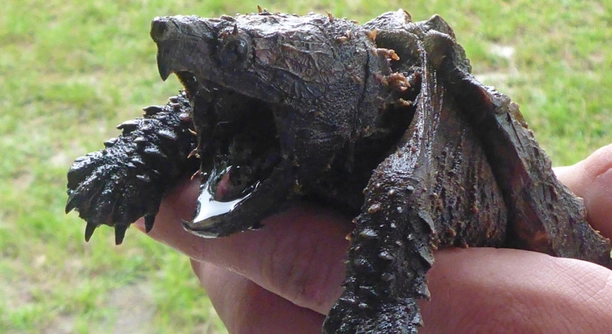
Alligator snapping turtles are fascinating creatures. Their distinct features and behaviors make them unique pets. Understanding how to care for them properly is essential to ensuring they live a long and healthy life in captivity.
To increase your alligator snapping turtle’s lifespan, providing a proper diet, maintaining a suitable habitat, ensuring regular veterinary checkups, and offering enrichment opportunities are crucial. Reducing stress and preventing illness are vital components in promoting longevity for these reptiles.
Small changes in care can make a big difference in your turtle’s life expectancy. Simple steps can help you create an environment that supports their health and well-being.
Proper Diet for Longevity
Feeding your alligator snapping turtle the right food is crucial to its health. They are omnivores, and their diet should include a variety of protein and plant-based foods. Offering a mix of commercial turtle pellets, fresh fish, insects, and leafy greens ensures they get the necessary nutrients for growth and vitality. Overfeeding can lead to obesity and other health issues, so it’s important to monitor portions. Also, calcium is essential for shell health, so make sure their diet includes sources of this nutrient, like cuttlebone or calcium-rich vegetables.
Turtles can be picky eaters, so it may take some time for them to adjust to new food types.
As with any pet, portion control is essential. A consistent feeding schedule, along with offering variety, can help prevent overfeeding while ensuring your turtle stays healthy. Keeping their diet balanced promotes proper growth and extends their lifespan.
Habitat Considerations
A well-maintained habitat is essential for your turtle’s well-being.
Creating an appropriate environment involves ensuring your turtle has enough space, clean water, and hiding spots. A tank of at least 100 gallons is recommended to provide ample room for movement. Regular water changes are necessary to keep the water clean and free from harmful bacteria. Adding aquatic plants and rocks can help your turtle feel secure. Make sure the tank has both a basking area and a heat source to allow for thermoregulation.
Proper lighting, especially UVB lighting, is also essential to help with calcium absorption and overall health. Without it, turtles may develop metabolic bone disease. The correct water temperature and pH levels should also be monitored regularly to avoid stress.
Regular Veterinary Checkups
Taking your alligator snapping turtle to the vet regularly helps catch health issues early. Turtles are prone to respiratory infections, shell rot, and other conditions that can go unnoticed without proper examination. A vet will check for signs of illness, monitor their shell health, and provide guidance on nutrition. Routine exams can ensure your turtle remains in good health for a longer period.
Veterinarians who specialize in reptiles are important for long-term care. They will be able to provide insights specific to alligator snapping turtles, ensuring their health is monitored correctly.
A veterinarian will also help with vaccinations if needed and assist in managing any illnesses your turtle might face. This proactive approach helps extend their lifespan, preventing conditions from becoming severe. Early treatment often leads to a better prognosis.
Stress Management
Minimizing stress in your alligator snapping turtle’s environment is essential for its health.
Turtles, like all animals, can become stressed if their habitat isn’t ideal or if they feel threatened. Make sure they have plenty of hiding spots and a calm, stable environment. Avoid sudden temperature changes and loud noises that may cause unnecessary stress. Stress can lead to weakened immune systems, making your turtle more susceptible to illnesses.
Providing a secure and peaceful environment is a key step in preventing stress-related health issues. Keeping your turtle’s enclosure quiet and consistent helps ensure it remains comfortable. Avoid unnecessary handling as well, as too much interaction can lead to anxiety.
Enrichment Opportunities
Providing enrichment for your alligator snapping turtle helps keep them active and engaged. They enjoy exploring their environment, hunting for food, and interacting with various objects in their habitat. Adding branches, rocks, and plants gives them places to climb and hide. The more they engage, the healthier they remain.
This type of stimulation prevents boredom, which can lead to stress or unhealthy behaviors. A variety of objects in their habitat can also encourage natural behaviors. Rotating toys or hiding food can keep things interesting for them.
Shell Health
Maintaining your turtle’s shell health is crucial for longevity.
Regularly inspect your turtle’s shell for signs of damage or infection. A healthy shell should be smooth, hard, and free of cracks or soft spots. To prevent shell rot, keep their habitat clean and maintain proper humidity levels. If you notice any abnormalities, consult a veterinarian immediately.
Water Quality
Clean water is essential to your turtle’s overall health.
Regular water changes and filtration will help maintain optimal conditions for your turtle. Monitor water temperature and pH levels to ensure they remain within the proper range. Poor water quality can lead to skin and shell issues, affecting their overall well-being.
FAQ
How often should I feed my alligator snapping turtle?
Alligator snapping turtles should be fed 2-3 times a week. Overfeeding can cause obesity, so it’s important to offer them an appropriate amount of food each time. Providing a mix of protein and plant-based foods ensures they get the necessary nutrients. Watch for any weight gain or loss, adjusting portions accordingly.
Can alligator snapping turtles live with other turtles?
Alligator snapping turtles can be territorial and aggressive, especially as they mature. It’s best to house them separately to prevent stress or injuries. If you must house them with other turtles, ensure there’s enough space and hiding spots to reduce conflict. Observe their interactions to ensure they’re not aggressive toward each other.
What temperature should I keep my alligator snapping turtle’s tank at?
The water temperature for an alligator snapping turtle should be between 72°F and 78°F. The basking area should be kept around 85°F to 90°F. Consistent temperatures help regulate their metabolism and promote health. Use an aquarium heater and a thermometer to monitor the temperature carefully, making adjustments when necessary.
How can I tell if my turtle is stressed?
Stress in alligator snapping turtles can show in several ways. They may become less active, hide more often, or stop eating. You might notice abnormal behavior like excessive basking or aggression. Stress can be caused by a poor environment, improper tank mates, or handling. Ensuring a quiet, stable habitat can help reduce stress.
How can I tell if my alligator snapping turtle is sick?
Signs of illness in alligator snapping turtles include lethargy, lack of appetite, swollen eyes, or abnormal shell appearance. Any unusual behavior, such as difficulty swimming or a change in posture, could indicate a problem. If you suspect illness, it’s important to take them to a reptile vet for an examination as soon as possible.
What type of lighting does my alligator snapping turtle need?
Your turtle needs both UVB lighting and basking lights. UVB lighting is essential for calcium absorption, which helps prevent metabolic bone disease. A basking light helps regulate their body temperature, allowing them to dry off and maintain optimal health. Ensure that the UVB light is replaced every 6 months for effective exposure.
Can I use a regular aquarium filter for my turtle’s tank?
A regular aquarium filter may not be sufficient for an alligator snapping turtle, as they produce a lot of waste. You should use a high-quality, powerful filter rated for a tank larger than your turtle’s. A canister filter is a good option to keep the water clean and provide proper filtration.
How long do alligator snapping turtles live?
Alligator snapping turtles can live between 30 and 50 years in the wild, with some living even longer. In captivity, their lifespan can be shorter, but with proper care, they can live up to 40 years. Ensuring a healthy diet, clean habitat, and regular checkups can help maximize their lifespan.
What is the best substrate for an alligator snapping turtle tank?
The best substrate for an alligator snapping turtle tank is something that won’t harm them if they ingest it. Avoid fine gravel or sand, as these can cause impaction if swallowed. Larger river rocks or smooth pebbles are ideal, as they provide a natural environment while being safe for the turtle.
Should I let my alligator snapping turtle swim in a pond?
While alligator snapping turtles naturally live in ponds and rivers, it’s not recommended to release them into an outdoor pond unless you’re certain the pond is safe. Outdoor environments can introduce diseases, parasites, and predators that may harm your turtle. A controlled indoor tank is typically the safest option.
How do I clean my alligator snapping turtle’s shell?
To clean your turtle’s shell, gently scrub it with a soft toothbrush and warm water. Avoid using soap or harsh chemicals. Clean the shell regularly to remove algae and debris, which can cause infections. If you notice any damage to the shell, seek veterinary care to prevent infection.
Can I handle my alligator snapping turtle?
Handling an alligator snapping turtle should be kept to a minimum, as it can stress them out. If you must handle them, do so gently and with both hands to avoid injury. Always support their body properly. Over-handling can lead to health issues, so it’s best to let them remain in their tank for the most part.
Do alligator snapping turtles hibernate?
Alligator snapping turtles do not truly hibernate, but they do enter a state of brumation during colder months. In this state, they become less active and eat less. If you live in a region with cold winters, make sure your turtle’s tank remains warm enough to prevent them from entering brumation, unless desired for the season.
What should I do if my alligator snapping turtle is not eating?
If your turtle stops eating, it could be a sign of stress, illness, or improper tank conditions. Check the water temperature, tank cleanliness, and lighting. If everything seems fine, try offering different foods or adjusting their diet. If they continue not eating for an extended period, consult a veterinarian for advice.
Final Thoughts
Taking care of an alligator snapping turtle requires attention to their specific needs, but it can be a rewarding experience. By providing a proper habitat, suitable food, and regular health checks, you can help ensure your turtle lives a long, healthy life. These turtles are unique and fascinating creatures, and with the right care, they can thrive in a well-maintained environment. Consistency in their care routine is key to their well-being.
In addition to the physical environment, consider the mental stimulation your turtle needs. Enrichment, such as hiding food or adding new elements to their habitat, keeps them active and engaged. A varied diet, with both protein and plant-based foods, supports their nutritional needs. This combination of physical and mental care leads to a more balanced and healthier life for your turtle. Monitoring their behavior and health regularly will help catch any issues early, ensuring they stay strong and active.
While alligator snapping turtles can live for decades, it is important to remain committed to their care throughout their lifespan. Regular water changes, temperature control, and providing a safe, clean space will prevent common health problems. Being mindful of their diet, activity levels, and tank conditions can help avoid stress and illness. By following these guidelines, you can give your alligator snapping turtle the best chance at living a long, healthy, and happy life.

Hello,
If you enjoy the content that we create, please consider saying a "Thank You!" by leaving a tip.
Every little bit helps us continue crafting quality advice that supports the health, happiness, and well-being of pets around the world, for pets of all shapes, sizes, and species.
We really appreciate the kindness and support that you show us!