
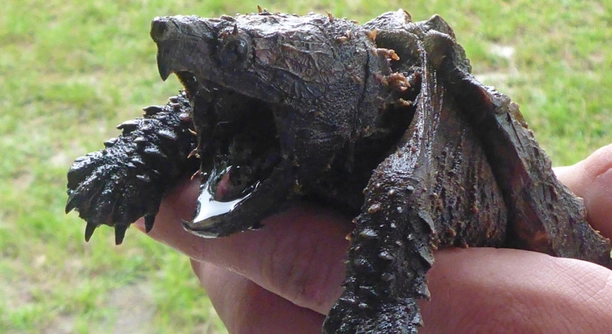
Alligator snapping turtles are fascinating creatures, but choosing the right tank mates can be tricky. It’s important to find companions that can coexist peacefully with these powerful reptiles. Keep reading to learn more about suitable tank mates.
Alligator snapping turtles are best paired with large, non-aggressive species that can handle their strong nature. Ideal tank mates include certain fish, amphibians, and reptiles that won’t provoke or become prey to the turtle.
Understanding which animals thrive with alligator snapping turtles ensures a balanced tank environment. Keep reading to discover the best companions and which species to avoid.
Best Tank Mates for Alligator Snapping Turtles
When selecting tank mates for alligator snapping turtles, size and temperament are key factors. Large fish, amphibians, and other reptiles can coexist with these turtles if they are non-aggressive and can tolerate the snapping turtle’s behavior. Turtles are opportunistic feeders, so small or passive creatures may end up as prey. Ensure the tank mates have similar water and environmental needs, so everyone stays comfortable and healthy.
Larger fish species like koi or cichlids can work well in a tank with alligator snapping turtles. These fish are tough enough to avoid becoming dinner and can survive in similar tank conditions. They also provide visual interest, making your setup more dynamic.
In addition to large fish, some amphibians such as bullfrogs or certain species of newts may thrive with snapping turtles. However, these animals must be able to protect themselves or escape if necessary. Providing hiding spaces and areas where these creatures can retreat is essential to keeping them safe and stress-free.
Species to Avoid
Avoid keeping small fish or delicate creatures with snapping turtles.
Small fish, like goldfish, guppies, or minnows, are not suitable tank mates for alligator snapping turtles. Their small size makes them easy targets. Additionally, their constant movement might provoke the turtle, leading to stress or injury. Keeping these creatures together can result in an imbalanced and unhealthy tank.
Good Tank Mates: Large Fish
Large fish are some of the best companions for alligator snapping turtles. Their size allows them to avoid being eaten, and they often share the same tank conditions. They also contribute to the tank’s ecosystem by helping clean up algae or excess food.
Species like koi, Oscars, and cichlids are popular choices. They’re hearty and tend to avoid the snapping turtle’s attention. However, make sure the fish are large enough to withstand the turtle’s occasional curiosity. In some cases, even big fish may get nipped at if they are too slow-moving or attract the turtle’s attention.
Always choose fish that can handle the snapping turtle’s aggressive behavior. Avoid choosing fish that are too timid or delicate. It’s essential that the fish can stand their ground without getting stressed. A peaceful yet tough fish makes a good match for this turtle.
Other Reptiles
When considering other reptiles, size and behavior are crucial. Larger reptiles like iguanas or other turtles can sometimes share a tank with snapping turtles, as long as their needs align. However, it’s not always ideal.
Some reptiles, such as large lizards or turtles of similar size, may coexist peacefully with alligator snapping turtles if there’s enough space. However, reptiles with slower movement may get caught in the turtle’s aggressive behavior. It’s vital to monitor interactions closely, especially during feeding times when the snapping turtle may get more territorial.
Also, ensure that all reptiles have enough space to hide and access different areas of the tank to escape conflict. Without proper hiding spots, these animals may become stressed or injured. Keeping a balance between safety and natural behavior is key for all reptiles.
Amphibians
Amphibians, like frogs and newts, can sometimes live with alligator snapping turtles. However, care must be taken to ensure they’re large enough and can avoid being eaten. These species should have access to hiding spots where they can retreat when needed.
Larger amphibians like bullfrogs are a safer option. They can stand up to the turtle’s behavior and aren’t as likely to be harmed. Smaller amphibians, though, may struggle to survive. A good balance of species and hiding areas is crucial.
Tank Environment
Creating the right environment is essential for all tank mates. Temperature, water quality, and hiding spots all affect how well the animals coexist. Maintaining stable water parameters ensures everyone is comfortable.
Providing adequate space for each creature in the tank is just as important as having the right water conditions. Make sure there are different levels of the tank for animals to explore. This helps minimize conflict and lets each species have its own territory to thrive.
FAQ
What are the best fish tank mates for alligator snapping turtles?
The best fish tank mates for alligator snapping turtles are large, hardy species such as koi, cichlids, and goldfish. These fish are large enough to avoid being eaten and can usually withstand the snapping turtle’s occasional aggression. However, it’s important to monitor their behavior and ensure they aren’t stressed by the turtle’s movements. Always choose fish that can handle the turtle’s curious nature, and avoid smaller fish or those that are too slow-moving. Large fish also help maintain the balance of the tank by cleaning up leftover food and debris.
Can I keep other turtles with alligator snapping turtles?
It’s generally not recommended to keep other turtles with alligator snapping turtles unless they are large and strong enough to handle the turtle’s aggression. While some species of turtles might coexist peacefully, the alligator snapping turtle’s strong, territorial nature can lead to conflict. If you do decide to house another turtle with your snapping turtle, make sure there is enough space and that both turtles are of similar size. The tank should be divided with hiding areas to reduce aggression and allow each turtle its own space.
Are frogs good tank mates for alligator snapping turtles?
Larger frogs, like bullfrogs, can be decent tank mates for alligator snapping turtles. They are large enough to avoid being eaten and can handle some of the turtle’s territorial behavior. Smaller frogs, however, may struggle in the same tank due to their small size and slower movements, making them more vulnerable to the turtle. It’s important to provide plenty of hiding spots and shelter for frogs to retreat to if needed. Make sure the water temperature and environment suit both species.
Can I add shrimp or other small invertebrates to the tank?
It’s not a good idea to add small shrimp or invertebrates to a tank with an alligator snapping turtle. These creatures are often seen as food by the turtle, and even if they are not immediately eaten, the turtle may harass or stress them. Snapping turtles are opportunistic feeders and will likely attempt to catch anything small and moving in the tank. If you’re interested in adding invertebrates, consider larger species that can avoid the turtle or are too tough to be considered prey.
What should I avoid when selecting tank mates for my alligator snapping turtle?
When selecting tank mates, avoid smaller fish, amphibians, and invertebrates. Anything small enough to be eaten or too slow to escape the turtle’s grasp should be excluded. Additionally, try to avoid tank mates that are overly territorial or aggressive, as this could cause unnecessary stress and conflict in the tank. The key is to choose species that can handle the turtle’s size and behavior while also sharing similar environmental needs.
Can alligator snapping turtles live with other reptiles?
Alligator snapping turtles can sometimes coexist with other reptiles, but they should be of similar size and strength. Larger reptiles, such as iguanas or bigger lizards, may work if the tank is large enough and there is enough space for both to feel comfortable. However, smaller or slower reptiles may not fare well and could become targets for the snapping turtle’s aggression. It’s important to monitor their behavior closely and ensure that the reptile tank mates have plenty of hiding places to avoid confrontation.
How can I ensure my tank mates are safe?
To ensure your tank mates are safe, make sure the tank is spacious enough for everyone to have their own space. Provide hiding spots, plants, rocks, or decorations to allow each creature to retreat when needed. Regularly check water quality and temperature to meet the needs of all species. Watch for signs of stress or injury and be prepared to separate any animals if they become too aggressive or seem in danger. A well-maintained environment is crucial for the safety and well-being of all tank mates.
Do alligator snapping turtles get along with other species of fish?
Alligator snapping turtles can coexist with certain species of fish, but it’s important to choose carefully. Large, robust fish species that aren’t easily intimidated by the turtle’s behavior work best. Fish such as koi, goldfish, and large cichlids can typically handle the turtle’s actions. However, smaller fish may be eaten or bullied by the turtle. Always avoid fish that are too small or passive, as they will not thrive in a tank with an aggressive snapping turtle.
Can alligator snapping turtles live with other types of turtles?
Alligator snapping turtles can live with other types of turtles, but only if they are of similar size and temperament. Smaller turtles or those with more passive behaviors may get attacked by the snapping turtle. Ensure that any other turtles in the tank are tough enough to hold their ground. Also, consider the environmental needs of each species, such as water temperature and tank space, to make sure they are compatible. You should closely monitor the behavior of all turtles in the tank to ensure there is no aggression.
How much space do alligator snapping turtles need in a tank?
Alligator snapping turtles require a spacious tank to live comfortably. A minimum of 100 gallons is recommended for one adult turtle, and larger tanks are better if you have multiple turtles or tank mates. The turtle needs plenty of swimming space, as well as areas to bask. A larger tank helps reduce territorial aggression and allows each animal to have its own space. Additionally, ensure the tank has proper filtration to keep the water clean, as snapping turtles can be messy eaters.
Final Thoughts
Choosing the right tank mates for your alligator snapping turtle is essential to creating a healthy, peaceful environment. These turtles are strong and aggressive, so pairing them with the wrong species can lead to stress, injury, or even death. It’s crucial to select tank mates that are large enough to avoid becoming prey, but also able to coexist with the turtle’s behavior. Fish, amphibians, and other reptiles can all work well as long as they meet certain criteria. The size of the tank and the individual needs of each species should also be considered to make sure everyone thrives.
Large, hardy fish like koi and cichlids are typically good options, as they can handle the snapping turtle’s aggressive nature and share similar water conditions. Larger amphibians, like bullfrogs, can work as well if they are given enough space and hiding spots. Reptiles such as iguanas or other turtles may also be able to coexist with an alligator snapping turtle if they are of similar size and temperament. Keeping the tank clean, maintaining proper water conditions, and making sure all animals have their own space will help avoid conflict. It’s important to watch how each species interacts, as some animals may become stressed or even injured if they’re constantly harassed.
While there are many possible tank mates that can live with alligator snapping turtles, the most important thing is to ensure everyone has a suitable environment. Avoid adding small fish, delicate amphibians, or any creatures that might be at risk of becoming prey. The balance of the tank should be maintained, and it’s always best to err on the side of caution when choosing new tank mates. If you notice any signs of aggression or stress, it may be time to separate the animals to ensure their well-being. By carefully selecting tank mates and providing the proper environment, your alligator snapping turtle can live alongside other creatures without causing harm to anyone.

Hello,
If you enjoy the content that we create, please consider saying a "Thank You!" by leaving a tip.
Every little bit helps us continue crafting quality advice that supports the health, happiness, and well-being of pets around the world, for pets of all shapes, sizes, and species.
We really appreciate the kindness and support that you show us!