
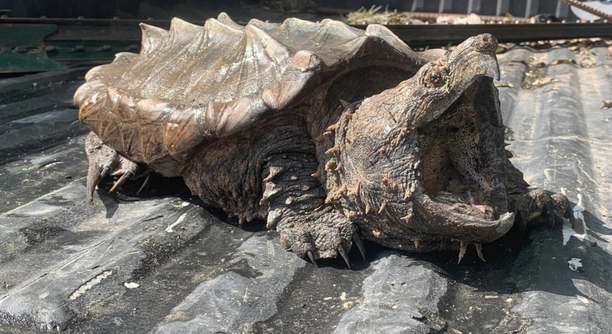
Alligator snapping turtles are fascinating creatures, yet many myths surround them. These large, ancient turtles have intrigued people for years, but some common misconceptions about them continue to persist. Let’s clear up the confusion.
Despite their intimidating appearance, alligator snapping turtles are not aggressive by nature. They are generally shy and prefer to avoid human interaction. These turtles rely on their slow movements and their powerful bite as defense mechanisms when threatened.
While the truth behind these myths can be surprising, it’s important to understand more about the alligator snapping turtle’s habits. Clear facts help protect these creatures and ensure they’re respected in their natural habitat.
Myth 1: Alligator Snapping Turtles Are Aggressive
Many people think that alligator snapping turtles are aggressive and dangerous creatures. This is mainly due to their intimidating appearance, with large, sharp beaks and a rough, almost prehistoric look. However, alligator snapping turtles are not naturally aggressive. They are primarily solitary animals that prefer staying in their environments, avoiding human interaction. In most cases, they will only use their powerful bite if they feel threatened or cornered. These turtles are often misunderstood as being more dangerous than they really are, mainly because of their strong defense mechanism.
They do not seek conflict and are more likely to retreat if given the chance. They are naturally timid and try to avoid any form of confrontation unless absolutely necessary.
Contrary to popular belief, these turtles spend much of their time in the water, staying hidden under logs, rocks, or mud. Their diet consists of fish, amphibians, and other small animals, and they use their camouflaged appearance to ambush prey. It’s important to remember that, despite their size and strength, they are not as threatening as they may seem.
Myth 2: Alligator Snapping Turtles Only Live in the Wild
There is a misconception that alligator snapping turtles only live in the wild, particularly in remote swampy areas. While these turtles are native to freshwater habitats like rivers and lakes, many are also found in captivity. Some are kept in zoos, wildlife reserves, and aquariums where they are carefully looked after. These environments allow the turtles to live in conditions that replicate their natural habitat, helping to preserve their species.
Captive alligator snapping turtles are often part of conservation efforts. This ensures that they are protected and can breed in safe, controlled settings. These turtles have a long lifespan, sometimes living up to 70 years, so keeping them in captivity requires a deep understanding of their needs. With proper care, they thrive in these controlled environments and can even serve as ambassadors to educate the public about their importance to local ecosystems.
Myth 3: Alligator Snapping Turtles Are Extremely Rare
Alligator snapping turtles are often thought of as rare creatures, but they are not as uncommon as people believe. While they are considered a species of concern due to habitat loss, they still exist in relatively large numbers. Their range includes parts of the southeastern United States, especially in the Gulf Coast, Mississippi River, and surrounding areas. These turtles can still be found in various freshwater environments, from slow-moving rivers to swamps.
They thrive in these habitats, where they find ample food and shelter. Although their population numbers are declining in some areas due to environmental changes and human activity, they are not considered critically endangered. However, conservation efforts are essential to keep their numbers stable. Protecting their natural habitat and reducing human impact are key factors in ensuring that these turtles continue to survive in the wild.
Efforts to educate the public about their role in ecosystems and the importance of preserving their natural habitats are critical. By understanding their needs and the threats they face, we can contribute to ensuring their survival for future generations.
Myth 4: Alligator Snapping Turtles Can Live Anywhere
While alligator snapping turtles are adaptable to various freshwater environments, they cannot thrive anywhere. They require specific conditions, such as slow-moving water, abundant vegetation, and a suitable bottom structure like mud or sand. Without these elements, they would struggle to survive.
These turtles are primarily bottom dwellers, so they need deep enough water to submerge themselves and avoid predators. They also rely on natural camouflage, blending into their environment to remain undetected. In areas where their habitat is altered or disturbed, such as through pollution or construction, their survival becomes increasingly difficult.
Maintaining the right water quality, temperature, and food sources is crucial for their well-being. Because they are sensitive to changes in their environment, these turtles cannot simply live anywhere. Their survival depends on preserving the right conditions for them to flourish and breed.
Myth 5: Alligator Snapping Turtles Are Unaffected by Climate Change
Alligator snapping turtles are sensitive to changes in their environment, including climate change. Rising temperatures and shifting weather patterns can affect their habitat, food supply, and breeding cycles. They rely on specific water conditions to survive, and climate change threatens these delicate ecosystems.
Increased water temperatures, for example, can lead to reduced oxygen levels in water, making it harder for these turtles to breathe. Additionally, changes in rainfall can alter the availability of food sources and habitats. When their environment becomes unstable, their survival is at risk. Protecting these turtles requires addressing climate change and its impacts.
Myth 6: Alligator Snapping Turtles Only Eat Fish
While fish are a common part of the alligator snapping turtle’s diet, they do not eat only fish. These turtles are opportunistic feeders and will eat a variety of prey, including amphibians, small mammals, and even carrion. Their diet varies depending on what is available in their environment.
They use their specialized hunting technique, where they lure prey with a fleshy appendage in their mouths that looks like a worm. This unique strategy helps them capture fish and other creatures that come close. Alligator snapping turtles are not picky eaters and will adjust their diet based on availability.
Myth 7: Alligator Snapping Turtles Are Slow and Unintelligent
Despite their slow movements, alligator snapping turtles are far from unintelligent. They use clever hunting techniques to capture prey and are capable of problem-solving. Their ability to adapt to different environments shows that they are resourceful creatures.
Their slow pace is a natural defense mechanism, helping them conserve energy and avoid detection. This deliberate movement may give the impression of slowness, but in reality, they are simply conserving their energy for when they need it most. Their hunting skills and adaptability prove that they are far more intelligent than people often assume.
FAQ
Are alligator snapping turtles dangerous to humans?
While alligator snapping turtles have powerful jaws and can deliver a strong bite, they are not typically aggressive toward humans. They prefer to avoid confrontation and are shy by nature. They will usually only bite if they feel threatened or cornered. It’s important to respect their space and avoid handling them in the wild. When left alone, these turtles are generally not dangerous and would rather stay hidden than engage with humans.
How long do alligator snapping turtles live?
Alligator snapping turtles are long-lived creatures. In the wild, they can live for up to 70 years, and in captivity, they can sometimes live even longer with proper care. Their longevity depends on environmental factors such as food availability, habitat stability, and protection from predators. As they mature slowly, it can take them 20 years or more to reach full size.
Do alligator snapping turtles make good pets?
Alligator snapping turtles can be challenging to care for, making them less suitable as pets for most people. They require a large, suitable habitat with clean, warm water, and plenty of space. Additionally, their diet is varied, and they need to be fed appropriately to maintain their health. Due to their size and strength, they may not be ideal for households with young children. It’s important to consider whether you can meet the needs of these turtles before deciding to keep one.
What do alligator snapping turtles eat?
Alligator snapping turtles are opportunistic feeders. While fish are a significant part of their diet, they will also eat amphibians, small reptiles, birds, and even carrion. Their unique hunting technique involves luring prey with a fleshy appendage on their tongues that resembles a worm. This clever strategy helps them capture unsuspecting fish and other creatures. In captivity, their diet can be supplemented with a variety of protein-rich foods, including small animals, insects, and specially formulated turtle pellets.
How fast can alligator snapping turtles move?
Alligator snapping turtles are not known for their speed. They move slowly on land, typically at a pace of only a few feet per minute. However, in the water, they are much more agile. Despite their slow movements, they can make quick, sudden strikes when capturing prey or defending themselves. Their stealth and patience are key factors in their survival, as they rely on ambushing food rather than chasing it down.
Are alligator snapping turtles endangered?
Alligator snapping turtles are considered a species of concern, but they are not yet classified as endangered. Their populations have been decreasing due to habitat loss, pollution, and illegal hunting. While they are protected by laws in some areas, they still face threats from human activities. Conservation efforts are essential to ensuring that their populations remain stable, and these efforts include habitat restoration and legal protection. It is crucial to continue supporting initiatives that protect their natural environment.
Where can alligator snapping turtles be found?
Alligator snapping turtles are native to the southeastern United States, primarily in the Mississippi River Basin, Gulf Coast, and parts of Texas. They prefer slow-moving rivers, lakes, and swamps with soft, muddy bottoms, which offer shelter and food. While their range has shrunk due to human encroachment, they can still be found in these areas, though they are becoming less common in some regions.
Do alligator snapping turtles hibernate?
Yes, alligator snapping turtles do hibernate, but their hibernation is more of a period of dormancy. They slow down during the colder months, reducing their activity and feeding. In colder climates, they will burrow into the mud at the bottom of rivers or lakes to stay warm. This behavior allows them to survive until warmer temperatures return, when they become more active.
How do alligator snapping turtles reproduce?
Alligator snapping turtles reproduce by laying eggs, usually in late spring or early summer. Females leave the water to find sandy or muddy areas to dig nests. They lay between 10 and 50 eggs, depending on the size of the female. After laying the eggs, the female returns to the water, leaving the eggs to incubate on their own. The eggs hatch after around 100 to 140 days, depending on the temperature. Hatchlings are independent from birth and make their way to the water.
Can alligator snapping turtles live in captivity?
Yes, alligator snapping turtles can live in captivity, but they require a very specific environment to thrive. They need a large tank with clean, warm water, as well as a place to hide. Their diet must also be carefully managed to ensure they receive the proper nutrition. While they can live in captivity for many years, they need specialized care, and potential owners should be aware of the long-term commitment involved in keeping them.
How big do alligator snapping turtles get?
Alligator snapping turtles are among the largest freshwater turtles in North America. Adult males can grow up to 26 inches in length and weigh around 200 pounds, though females are generally smaller. Hatchlings are much smaller, measuring just a few inches long. It takes many years for them to reach full size, and they grow slowly over their lifetimes.
Are alligator snapping turtles protected by law?
Yes, alligator snapping turtles are protected by law in many states, particularly in areas where their populations are declining. Hunting and collecting these turtles is illegal in some regions without special permits. In addition, habitat conservation laws aim to protect the ecosystems these turtles rely on. It’s important to check local regulations before interacting with these turtles in the wild, as they may be subject to specific legal protections.
Do alligator snapping turtles bite?
Alligator snapping turtles can bite if they feel threatened. Their bite is powerful and can cause significant injury. They have strong jaws and sharp beaks, capable of snapping shut with great force. However, they are generally not aggressive toward humans and only bite in self-defense.
Final Thoughts
Alligator snapping turtles are fascinating creatures with unique behaviors and characteristics. Despite their somewhat intimidating appearance, they are not as dangerous as people often assume. They are shy animals that prefer to avoid humans and will only use their powerful bite if they feel threatened. They spend most of their time in the water, relying on their slow movements and camouflage to blend into their environment. Understanding this behavior helps us appreciate these creatures more and encourages us to respect their space in the wild.
These turtles face a number of challenges, from habitat loss to pollution and the effects of climate change. While they are not considered endangered, their numbers are declining in some areas, making conservation efforts crucial. Protecting their habitats and ensuring their ecosystems remain healthy is vital for their survival. Conservation organizations and wildlife experts are working hard to preserve these turtles, but it is important for everyone to play a part in protecting them, whether through education, supporting laws that protect wildlife, or taking steps to reduce environmental damage.
Keeping alligator snapping turtles in captivity is not for everyone. They require specific care, including a large tank, clean water, and a balanced diet. While they can live in captivity for many years, they need a stable environment to thrive. If you’re interested in keeping one as a pet, it’s essential to do thorough research and understand the long-term commitment involved. For those who prefer to enjoy these amazing creatures from a distance, supporting wildlife conservation efforts is a meaningful way to contribute to their protection and preservation.

Hello,
If you enjoy the content that we create, please consider saying a "Thank You!" by leaving a tip.
Every little bit helps us continue crafting quality advice that supports the health, happiness, and well-being of pets around the world, for pets of all shapes, sizes, and species.
We really appreciate the kindness and support that you show us!