
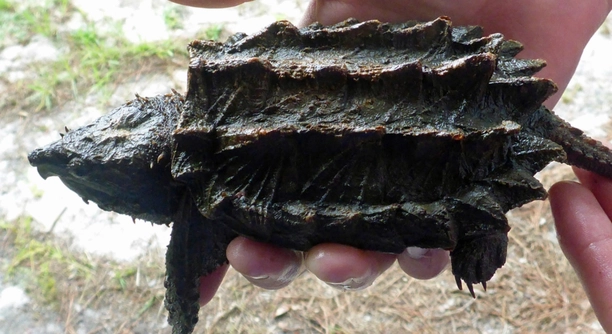
Alligator snapping turtles are unique creatures that require special care when handled. These turtles can be fascinating but challenging to manage properly. Understanding how to care for them is essential to keeping them healthy and safe.
The most common mistakes people make when handling alligator snapping turtles are improper handling techniques, not providing the right environment, and misunderstanding their dietary needs. These errors can lead to stress, health issues, and even injury for the turtle.
Handling these turtles the right way ensures their well-being and can make your experience with them more enjoyable. The following tips will help you avoid common errors that can affect your turtle’s health and happiness.
1. Incorrect Handling Techniques
Alligator snapping turtles have powerful jaws and sharp beaks, so improper handling can be dangerous for both you and the turtle. Grabbing them by the shell or tail is a common mistake that can cause stress or injury. Their shells are not built for handling, and their tails are sensitive. It’s important to approach them gently and lift them properly, using both hands on either side of their shell. This way, you avoid putting pressure on the vulnerable areas.
To prevent injury, always be mindful of their movements. Snapping turtles may strike quickly, especially when threatened or stressed. Ensuring that you support their body and avoid sudden movements will minimize the risk of an accident. A calm approach goes a long way.
Snapping turtles also don’t appreciate being handled frequently. They are more comfortable when left alone in their environment. If you do need to interact with them, make it short and purposeful. Remember that handling them too much can lead to stress, which negatively impacts their health.
2. Improper Habitat Setup
Providing the right habitat is essential for their well-being. A simple mistake, such as not offering enough space, can lead to serious issues. Alligator snapping turtles need ample room to roam and explore. If their tank or enclosure is too small, they will feel confined and stressed.
Their tank should include both land and water areas, as they enjoy both. A large, shallow pool with clean water and a dry basking area is ideal. Water quality must be maintained at the proper temperature and pH levels, as turtles are sensitive to changes in their environment. The habitat must also have a safe, secure space for them to retreat to if they feel threatened.
Inadequate lighting can also harm snapping turtles. They require UVB light to metabolize calcium properly, and without it, they may develop shell deformities or other health issues. Make sure their habitat mimics their natural environment as closely as possible to ensure they stay healthy and comfortable.
3. Feeding Mistakes
Alligator snapping turtles are carnivores and have specific dietary needs. Offering the wrong type of food can lead to malnutrition or other health problems. It’s crucial to feed them high-protein meals like fish, worms, or small mammals, rather than fruits or vegetables.
Avoid feeding them too much at once, as overfeeding can result in obesity or poor digestion. It’s best to feed them in smaller portions and monitor how much they consume. When feeding, ensure the food is cut into appropriate sizes to prevent choking, and always remove uneaten food to maintain water quality.
Providing variety in their diet is also essential. Regularly changing the types of protein they consume keeps them engaged and nourished. Feeding them a mix of live and frozen foods will give them balanced nutrition. Be sure to do research on what’s safe to feed them to avoid harmful items.
4. Not Monitoring Health Regularly
Regularly checking the health of an alligator snapping turtle is essential. If they show signs of illness, it’s best to address them immediately before they worsen. Pay attention to changes in behavior, such as reduced activity or loss of appetite.
One of the most common health problems is shell rot, which happens when their shell gets damaged or exposed to unsanitary conditions. Inspect their shell often for any cracks, discoloration, or soft spots. If you notice any, consult a vet experienced with reptiles to get proper treatment.
Turtles may also develop respiratory infections if kept in humid, unclean environments. Ensuring proper ventilation and water filtration will help prevent this. Keep their tank clean and monitor the water temperature to prevent illness from developing. Keeping a consistent routine for health checks can help catch potential issues early on.
5. Handling Stress
Alligator snapping turtles are naturally shy and can easily become stressed by too much interaction. Constant handling or loud noises can cause them to retreat into their shells or stop eating. It’s important to minimize stress for their overall health.
Turtles are highly sensitive to changes in their environment. A sudden shift in temperature or water conditions can also stress them out. Always try to keep their habitat as stable as possible, and avoid sudden movements or loud sounds that might frighten them. Over time, they will become more comfortable with their surroundings if treated gently.
6. Inadequate Water Quality
Poor water quality is one of the most common mistakes when caring for snapping turtles. They need clean water that’s filtered regularly to stay healthy. Dirty water can lead to infections or other health issues, like skin problems or parasites.
Make sure the water is kept at an appropriate temperature, typically between 72°F and 78°F. It’s also crucial to regularly change the water and clean the tank. Use a proper water filter to help maintain clear water and remove harmful substances. Not checking the water quality frequently can cause long-term health problems for your turtle.
7. Not Giving Enough Space
A small tank is one of the biggest mistakes you can make. Snapping turtles need plenty of space to move around, swim, and bask. If they feel cramped, it can lead to stress and unhealthy behaviors.
When choosing an enclosure, aim for a tank that’s at least 75 gallons. This will give them enough room to roam and ensure their physical and mental well-being. If kept in a too-small space, they can become aggressive or lethargic, which impacts their health over time.
FAQ
How often should I feed my alligator snapping turtle?
Alligator snapping turtles should be fed two to three times a week, depending on their age and size. Younger turtles may need to be fed more often, while adults can eat less frequently. It’s essential to avoid overfeeding, as this can lead to health problems like obesity. Offering a variety of protein sources, such as fish, worms, and shrimp, will provide them with a balanced diet.
Can I handle my alligator snapping turtle every day?
It’s best to avoid handling your alligator snapping turtle every day. These turtles can get stressed by constant interaction, which can affect their health. If you need to handle them, make it occasional and brief. Allow them to enjoy their space and interact with them only when necessary for cleaning or checking on their health.
What kind of tank do I need for my alligator snapping turtle?
A tank that holds at least 75 gallons of water is ideal for an alligator snapping turtle. They need ample space to swim, as well as a dry area to bask. The tank should have a proper filtration system to keep the water clean, as these turtles are very sensitive to poor water quality. Additionally, ensure the water temperature remains between 72°F and 78°F, and provide UVB lighting for proper calcium metabolism.
How can I tell if my alligator snapping turtle is stressed?
Stress in alligator snapping turtles can show through various signs, including loss of appetite, reduced activity, and frequent hiding. They may also start to bite or act aggressively if they feel threatened. If you notice any of these signs, try reducing handling, ensuring their environment is stable, and providing more space for them to feel secure.
Can alligator snapping turtles live with other animals?
While alligator snapping turtles are usually solitary, they can live with other reptiles or fish if the tank is large enough. However, it’s essential to monitor the interactions carefully. Some species may get along fine, while others might become aggressive. Avoid keeping smaller animals with them, as they might be viewed as prey.
How do I clean the tank of my alligator snapping turtle?
Cleaning the tank should be done regularly to prevent a buildup of waste. Remove any uneaten food and debris daily to keep the water clean. Once a week, perform a partial water change (about 25-30%) and clean the tank’s surfaces. A filter is important to help maintain water quality, but manual cleaning is still necessary. Make sure the water temperature remains consistent after cleaning.
What should I do if my alligator snapping turtle isn’t eating?
If your alligator snapping turtle isn’t eating, the first thing to check is their environment. Ensure that the water temperature is correct and that the tank is clean. Stress, illness, or changes in their habitat can affect their appetite. If the problem persists for more than a few days, it’s advisable to consult a veterinarian experienced with reptiles to rule out health issues.
How long do alligator snapping turtles live?
Alligator snapping turtles have long lifespans and can live for up to 50 years or more in captivity with proper care. Their life expectancy is greatly influenced by their diet, habitat, and health management. Providing a clean, safe environment and a balanced diet is key to helping them live a long and healthy life.
Are alligator snapping turtles aggressive?
Alligator snapping turtles are known for their aggression, particularly when they feel threatened. They may snap or bite if provoked. They are also territorial creatures and may show aggression towards other turtles or animals. Handling them with care and respect can minimize the chances of aggressive behavior. Always avoid sudden movements near them, as this can trigger a defensive response.
What do I do if my alligator snapping turtle’s shell gets damaged?
If your alligator snapping turtle’s shell is cracked or damaged, it’s important to seek veterinary care immediately. Shell damage can lead to infections if left untreated. Do not attempt to treat the injury yourself unless you are trained. The vet will provide proper treatment, which may involve cleaning the wound and offering antibiotics to prevent infection. Keep the turtle in a clean, calm environment while they heal.
How do I provide UVB light for my alligator snapping turtle?
UVB light is essential for an alligator snapping turtle’s health, as it helps them metabolize calcium and keep their shell strong. Use a UVB light designed for reptiles, and make sure it is placed within the proper distance from the turtle’s basking area. Replace the light regularly, as UVB output decreases over time, even if the bulb still appears to be working.
Can I keep an alligator snapping turtle outside?
Yes, you can keep an alligator snapping turtle outdoors if the climate is appropriate. They require a secure, large pond with clean water and access to both aquatic and dry areas for basking. However, outdoor environments can expose turtles to more predators, and the water quality needs to be consistently monitored. If you live in a region with cold winters, it’s safer to keep them inside during the colder months.
What is the best substrate for an alligator snapping turtle’s tank?
The substrate should be non-toxic and easy to clean. A common choice is smooth river rock or fine gravel, which allows the turtle to dig without risking injury. Avoid using sharp or small gravel, as it can cause harm if ingested. A bare-bottom tank is also an option for easy maintenance, as it makes cleaning easier.
How can I tell if my alligator snapping turtle is healthy?
A healthy alligator snapping turtle will have clear, bright eyes, a firm and intact shell, and a consistent appetite. They should be active and responsive to their surroundings. If the turtle seems lethargic, refuses to eat, or shows signs of shell rot or discoloration, it could indicate a health problem. Regular check-ups with a vet can also help maintain their health.
Final Thoughts
Caring for an alligator snapping turtle requires attention to detail and patience. These fascinating creatures have specific needs that, when met, allow them to thrive in a home environment. It’s important to avoid common mistakes such as improper handling, poor water quality, and an inadequate diet. By understanding their needs and providing a proper habitat, you can ensure your turtle remains healthy and happy for many years. Keeping their environment stable, offering a balanced diet, and giving them plenty of space will make a significant difference in their well-being.
While alligator snapping turtles may not be as easy to care for as some other pets, their unique characteristics make them an interesting companion. They are shy and solitary by nature, and their special dietary and habitat requirements can make them challenging for beginners. However, with the right research and commitment, caring for these turtles can be an enjoyable experience. Regular health checks, careful handling, and a proper diet will help you build a positive relationship with your turtle. Don’t forget to maintain a clean and safe environment for them to thrive in.
Remember, owning an alligator snapping turtle is a long-term commitment. These turtles can live for decades, so it’s crucial to plan ahead and provide the care they need throughout their lives. As they grow, their needs may change, requiring adjustments in their care routine. If you’re up for the challenge, keeping an alligator snapping turtle can be a rewarding experience. With proper care, they can become a fascinating and enduring part of your life.

Hello,
If you enjoy the content that we create, please consider saying a "Thank You!" by leaving a tip.
Every little bit helps us continue crafting quality advice that supports the health, happiness, and well-being of pets around the world, for pets of all shapes, sizes, and species.
We really appreciate the kindness and support that you show us!