
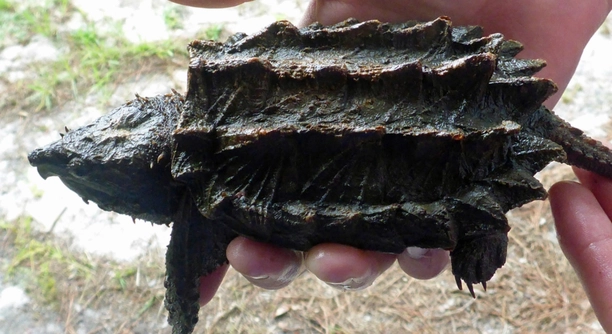
Alligator snapping turtles are fascinating creatures, but just like any pet, they can experience health issues. Eye infections are among the more common problems that may affect their well-being. Knowing how to identify them is crucial.
To determine if your alligator snapping turtle has an eye infection, observe its behavior closely. Signs include swollen or cloudy eyes, discharge, and excessive blinking. Early detection is essential to prevent further damage or discomfort.
Identifying eye infections early can help prevent further complications and ensure your turtle remains healthy. This guide will provide tips to spot and address these issues effectively.
Recognizing the Symptoms of an Eye Infection
Eye infections in alligator snapping turtles often show up through noticeable symptoms. Cloudiness, redness, and swelling around the eyes are some common signs. If the turtle begins rubbing its eyes against surfaces, this can also indicate irritation or infection. Other symptoms include discharge, which may be watery or thick, and a change in behavior. The turtle might appear lethargic or less active.
At this stage, it’s important to monitor the turtle closely. A minor infection may seem manageable at first but can worsen over time. If these signs persist, it’s time to take further action to avoid complications.
Taking note of these symptoms early can help you take the necessary steps to prevent a more serious issue. If you see these signs, it’s important to seek advice from a veterinarian experienced with reptiles. Immediate attention will help ensure that your turtle receives the appropriate care in a timely manner.
How Eye Infections Develop
Eye infections in alligator snapping turtles can develop for several reasons. Bacterial or fungal infections are common, often resulting from poor water quality or injuries to the eye area. Additionally, improper tank conditions or stress can lower the turtle’s immune system, making it more vulnerable to infection.
When water quality is poor, it creates an environment that allows harmful bacteria or fungi to thrive. If the turtle is living in water that is not properly filtered or regularly cleaned, it increases the chances of developing an eye infection. Furthermore, injuries to the eye, whether from rough handling or accidents, can introduce bacteria, leading to infections. Even minor scratches on the eye’s surface can quickly escalate into a more serious condition if left untreated.
Regularly checking the turtle’s habitat and maintaining clean water conditions can prevent these infections from taking root. Ensuring the water is properly filtered and cleaning the tank frequently reduces the risk of harmful bacteria or fungi.
How to Treat an Eye Infection
Treatment for an eye infection in an alligator snapping turtle begins with isolating the turtle in clean water to avoid further contamination. Make sure the tank is properly cleaned and free of any harmful bacteria. You can also use a mild saline solution to rinse the eyes gently, removing any debris or discharge.
Consulting with a reptile veterinarian is essential for administering proper medication. They may recommend an antibiotic or antifungal treatment depending on the infection type. These treatments are often available in topical or injectable forms. Ensure that the turtle follows the prescribed treatment plan closely for the best results.
In some cases, if the infection is severe, a vet may need to drain the infected area or perform minor surgery. The goal is to prevent further complications, so early treatment is critical. Keeping the turtle in a stress-free environment will also help during recovery.
Prevention of Eye Infections
Prevention is always better than treatment. The first step in preventing eye infections is maintaining excellent water quality. Regular water changes and proper filtration systems are key to a healthy habitat. Additionally, monitor the tank’s temperature and humidity, ensuring they remain within the ideal range for your turtle.
Another essential step is to avoid handling the turtle roughly. Excessive handling can stress the animal and increase the risk of injury. Always be gentle and cautious to prevent accidental harm. Also, be mindful of sharp objects or decorations in the tank that could cause scratches or injuries around the eyes.
Lastly, providing a balanced diet with the proper nutrients will support your turtle’s immune system. A healthy turtle is much less likely to develop infections. The combination of these preventive measures ensures a long, healthy life for your alligator snapping turtle.
When to Seek Professional Help
If you notice that your turtle’s eye infection isn’t improving after a few days of home care, it’s time to consult a veterinarian. Delaying professional treatment can lead to more severe complications. A vet will help identify the exact cause and provide a tailored treatment plan.
Even if the infection seems minor, it’s always best to seek advice early. A veterinarian will examine the turtle to ensure that the infection isn’t related to a more serious underlying issue, such as a systemic infection. Prompt professional care helps prevent lasting damage.
Common Mistakes to Avoid
One common mistake is using harsh chemicals or over-the-counter products not intended for reptiles. These can irritate the eyes further or cause more harm. Always choose products specifically designed for reptiles when treating eye infections.
Another mistake is neglecting water changes. A dirty tank promotes bacteria growth, making infections more likely. Regular cleaning and water changes help maintain a healthy environment for your turtle. Keeping the tank clean ensures your turtle’s eyes stay clear and free from irritation.
Eye Care Beyond Infections
Regular eye care is an important part of overall health maintenance for your turtle. Ensuring your turtle has access to clean water and a proper diet supports good vision and general well-being. Healthy turtles are more resistant to eye infections.
Monitoring your turtle’s eye condition occasionally is also helpful. Even without signs of infection, keeping an eye on the clarity of their eyes will help catch any potential issues early.
FAQ
How can I tell if my alligator snapping turtle has an eye infection?
The signs of an eye infection in an alligator snapping turtle are fairly easy to spot. Look for swelling, cloudiness, or discharge around the eyes. If the turtle is rubbing its eyes frequently or showing discomfort, it could indicate an infection. Redness and excessive blinking are other common signs. If the turtle appears lethargic, it may also be a sign of infection or distress.
Can I treat my turtle’s eye infection at home?
You can manage minor cases of eye infection at home by isolating the turtle in clean water, using a saline rinse to gently clean the eye, and ensuring the water quality is excellent. However, for more serious infections, it’s best to consult with a vet to ensure proper treatment.
What causes eye infections in alligator snapping turtles?
Poor water quality, stress, and physical injuries are the main causes of eye infections. If the water isn’t regularly filtered or cleaned, harmful bacteria can build up and infect the turtle’s eyes. Handling the turtle too roughly or having sharp objects in the tank can also lead to injuries that cause infections.
How often should I clean my turtle’s tank to prevent eye infections?
To keep your turtle’s environment healthy, the tank should be cleaned at least once a week. Regular water changes, proper filtration, and removing any debris from the tank are essential. Keeping the water clean and well-maintained will reduce the risk of bacteria and fungal growth, preventing infections.
What kind of food should I give my turtle to help prevent eye infections?
A balanced diet rich in vitamins A and E is important for your turtle’s immune health, which helps prevent infections. Offer a mix of high-quality pellets, leafy greens, and protein sources like insects or fish. A healthy diet strengthens the turtle’s immune system and promotes good overall health.
How long will it take for my turtle’s eye infection to heal?
The healing time for an eye infection varies depending on the severity and treatment. With proper care and treatment, a minor infection could improve within a few days. More serious infections may take a week or two to heal fully, and some may require follow-up visits to the vet.
Can an untreated eye infection cause permanent damage to my turtle’s eyes?
Yes, if left untreated, eye infections can cause permanent damage to your turtle’s eyes, potentially leading to vision loss or other complications. Early detection and treatment are crucial in preventing long-term harm. If the infection spreads to other parts of the eye or body, it can result in more serious health issues.
Should I avoid handling my turtle while it has an eye infection?
Yes, it’s best to avoid handling your turtle too much while it has an eye infection. Excessive handling can stress the turtle and worsen the infection. Only handle the turtle when necessary, and always do so gently. Let the turtle rest and recover in a calm, clean environment.
Can stress cause eye infections in turtles?
Stress can make turtles more susceptible to infections, including eye infections. When a turtle is stressed, its immune system can weaken, making it easier for bacteria or fungi to take hold. Factors like overcrowded tanks, improper temperature, and rough handling can all contribute to stress. Reducing stress and providing a stable environment helps prevent infections.
Are there any home remedies for eye infections in turtles?
Some home remedies can help soothe mild eye infections, such as using a saline solution to rinse the eye gently. However, these are only suitable for minor cases. For more severe infections, you should seek professional help to ensure the turtle gets the appropriate medication and care.
What medications do vets typically prescribe for eye infections?
A vet will typically prescribe antibiotics or antifungal medication for treating eye infections, depending on the underlying cause. These medications may come in topical forms, such as ointments or drops, or in injectable form for more severe cases. Following the vet’s prescribed treatment plan is essential for effective healing.
How can I prevent eye infections in my alligator snapping turtle?
To prevent eye infections, maintain good water quality by cleaning the tank regularly and ensuring the water is filtered. Avoid overcrowding and provide a stress-free environment. Properly handle your turtle to avoid eye injuries, and feed it a nutritious diet to support its immune system. Regular monitoring of its health and eyes will also help catch any problems early.
Can an eye infection spread to other parts of the body?
Yes, an untreated eye infection can spread to other parts of the turtle’s body, including its skin and internal organs. Bacteria or fungi can travel through the bloodstream if the infection is not addressed in time, leading to more serious complications. It’s crucial to treat eye infections as soon as possible to prevent this.
Is it normal for my turtle’s eyes to water?
It’s not unusual for a turtle’s eyes to water slightly, but excessive discharge can indicate an eye infection. If the discharge is thick or pus-like, it’s a sign of infection and should be addressed. Regularly checking your turtle’s eyes for changes in discharge or appearance is important for early detection.
Can a change in the turtle’s environment cause eye infections?
Yes, changes in the turtle’s environment, such as moving to a new tank, altering water conditions, or introducing new tank mates, can cause stress. Stress weakens the immune system and can make the turtle more prone to eye infections. Keeping the environment consistent and stable helps prevent health issues.
How do I know if the infection is bacterial or fungal?
It’s difficult to determine if an eye infection is bacterial or fungal without a professional diagnosis. A veterinarian will examine the turtle and may take a sample to identify the cause of the infection. Bacterial infections tend to cause more discharge and swelling, while fungal infections may present with more noticeable cloudiness.
Final Thoughts
Taking care of an alligator snapping turtle’s health is crucial for its well-being. Eye infections are one of the common issues that can affect these reptiles, but with proper care, they are usually manageable. The key is early detection, consistent maintenance of their environment, and ensuring a nutritious diet. Regular checks on their eyes can help you spot any signs of infection before it becomes a serious problem. Even small changes in behavior or appearance should not be overlooked, as these can indicate something is wrong.
If you notice your turtle showing signs of discomfort, such as excessive blinking, redness, or cloudy eyes, it’s important to act quickly. The earlier you address an issue, the easier it will be to treat. Basic home care, like cleaning the tank and using a saline solution, can often help with minor infections. However, if the symptoms persist or worsen, consulting with a veterinarian is necessary. Professional treatment ensures the turtle gets the right care and prevents any long-term damage to its eyes or health.
Overall, preventing eye infections in alligator snapping turtles involves creating a healthy living environment, avoiding stress, and keeping up with their general care. Keeping the water clean and free from bacteria, avoiding physical injuries, and maintaining a proper diet all play a significant role in preventing eye problems. By being proactive and monitoring your turtle’s condition, you can ensure they stay healthy and avoid many common health issues. Remember, a little attention and care can go a long way in maintaining the health of your turtle.

Hello,
If you enjoy the content that we create, please consider saying a "Thank You!" by leaving a tip.
Every little bit helps us continue crafting quality advice that supports the health, happiness, and well-being of pets around the world, for pets of all shapes, sizes, and species.
We really appreciate the kindness and support that you show us!