
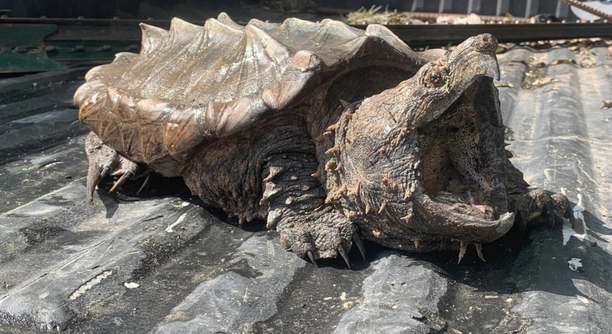
An alligator snapping turtle not swimming may be a sign of underlying health or environmental issues. Addressing these concerns promptly can help restore your turtle’s natural behavior and well-being.
The main reason for a lack of swimming in an alligator snapping turtle is poor water conditions, inadequate tank space, or a potential health issue, such as respiratory infections or parasites. Identifying and fixing these problems is crucial for recovery.
Ensuring your turtle’s habitat is clean and properly maintained can help restore swimming behavior. Understanding these factors will support both immediate fixes and long-term care for your turtle’s health.
Common Causes of an Alligator Snapping Turtle Not Swimming
An alligator snapping turtle’s reluctance to swim can often be traced to poor water conditions. Turtles are highly sensitive to water quality, and even slight imbalances can affect their behavior. The tank should be regularly cleaned, with water changes every week to ensure it remains clear and free from harmful bacteria. If the water is too warm or cold, your turtle may become lethargic and stop swimming. An appropriate water temperature between 75-85°F is optimal for alligator snapping turtles. Additionally, the pH level should be maintained at 7.5-8.5, and ammonia levels must be kept low.
Temperature imbalances are another common issue. These turtles are cold-blooded, so they rely on their environment to regulate their body temperature. A sudden drop or rise in the temperature can cause discomfort and discourage them from swimming. Ensure the tank’s heater is working correctly and that it’s not too hot or cold. Avoid placing your turtle tank in areas with fluctuating temperatures, like near windows or heating vents.
Tank space also plays a role in a turtle’s activity level. Alligator snapping turtles grow large, requiring enough space to swim and explore. A tank that’s too small can cause stress, resulting in reduced activity and a reluctance to swim.
Health Issues Affecting Swimming
If the water and tank conditions are suitable, the next concern is your turtle’s health. Various health issues, such as respiratory infections or parasites, can hinder their ability to swim. These conditions are often caused by unsanitary tank conditions, so maintaining a clean habitat is crucial. If your turtle appears lethargic, has trouble breathing, or shows unusual signs like swollen eyes or lethargy, it’s time to seek professional advice.
Infections or parasites, if left untreated, can cause discomfort and prevent the turtle from swimming. If you notice any symptoms of illness, take your turtle to a vet with experience treating reptiles. Timely diagnosis and treatment are necessary for a swift recovery.
Turtles are resilient, but they can’t always recover without proper care. Keeping a watchful eye on their behavior will help you address health issues before they become serious. Be sure to take swift action if your turtle stops swimming, as early intervention is key.
Tank Size and Environment
If the tank is too small, your turtle may feel cramped, which can lead to a lack of activity. Alligator snapping turtles can grow large, and they need space to move freely. A tank of at least 75 gallons is recommended for one adult turtle, with additional space for each extra turtle.
Beyond size, the environment matters. A basking area is essential for them to dry out and regulate their body temperature. Ensure there is a strong filtration system to keep the water clean and free from debris. An inefficient filtration system will lead to bacteria build-up and stagnant water, which could make your turtle feel uncomfortable and lead to inactivity.
Providing a natural-like environment with hiding spots will also help reduce stress, making your turtle more likely to swim and explore its surroundings. The more comfortable your turtle feels, the more it will engage in natural behaviors like swimming.
Water Quality and Filtration
Water quality is a key factor in your turtle’s health. Poor water quality can result in skin problems, eye issues, or other health complications that might make your turtle avoid swimming. It’s important to test the water regularly for ammonia, nitrites, and nitrates, as well as pH and hardness. A water test kit can help you monitor these levels, ensuring they are safe for your turtle.
A good filtration system plays a crucial role in maintaining water quality. Consider investing in a powerful filter designed for reptile tanks to keep the water clean. Without it, harmful bacteria and waste products can accumulate, which can make your turtle feel unwell and less likely to swim. Change the water regularly, at least once a week, and avoid overfeeding your turtle to keep waste levels low.
If your turtle’s environment is not up to par, its behavior will be directly impacted. Ensure the water quality and filtration system meet your turtle’s needs for optimal health and swimming activity.
Temperature and Humidity
Maintaining the correct temperature is crucial for your alligator snapping turtle’s activity levels. Water temperatures should range between 75-85°F, and the basking area should be slightly warmer, around 90°F. Fluctuations in temperature can cause stress, leading to inactivity.
Ensure the basking area is well-lit with a UVB light to help regulate their internal systems. Without proper UVB exposure, your turtle may experience health problems such as a weakened immune system, further reducing their swimming habits. It’s important to monitor these conditions regularly and make adjustments as needed to keep your turtle comfortable.
Tank Decorations and Hiding Spots
Adding decorations, plants, and hiding spots is important for your turtle’s mental and physical health. Alligator snapping turtles are shy creatures, so they need a place to retreat when they feel threatened. Provide rocks, logs, or plants where they can hide. This helps reduce stress and encourages more active swimming.
While tank decorations are necessary, avoid overcrowding the tank with too many objects. Leave enough space for swimming and basking. It’s crucial to maintain a balance so your turtle has a safe and comfortable environment to move around.
Health Monitoring
Regular health monitoring is key to identifying any issues that could affect your turtle’s swimming. Watch for signs of illness, such as lethargy, abnormal swimming behavior, or visible injuries. Early detection allows for quicker treatment and a better chance of recovery.
Ensure your turtle’s shell is clean and free from parasites, as these can affect their ability to swim. Regularly inspect your turtle’s eyes, skin, and breathing for any abnormalities. If you notice any changes in behavior, it’s time to consult with a veterinarian to address potential health concerns.
FAQ
Why is my alligator snapping turtle not swimming?
There are several reasons your alligator snapping turtle may not be swimming. Common causes include poor water quality, incorrect water temperature, inadequate tank space, or health issues such as respiratory infections or parasites. It’s essential to maintain the right environment and check for any signs of illness to ensure your turtle’s well-being. If the water temperature is too cold or too hot, your turtle may become lethargic and stop swimming. Also, if there is not enough space to move or hide, it may feel stressed and avoid swimming.
What should the water temperature be for an alligator snapping turtle?
Water temperatures should be maintained between 75°F and 85°F for alligator snapping turtles. Temperatures outside of this range can cause stress and disrupt your turtle’s normal behavior, including swimming. If the water is too cold, the turtle might become inactive, while excessively warm water can be uncomfortable for them. Ensure your tank has a reliable heater that keeps the water within the optimal range.
How often should I clean my alligator snapping turtle’s tank?
You should clean your turtle’s tank at least once a week. Regular cleaning is necessary to maintain water quality and avoid harmful bacteria buildup. Make sure to change 25-50% of the water each time, and scrub down the tank’s walls, decorations, and filter. A clean tank will reduce the chances of your turtle getting sick and will encourage active swimming. Always check the water’s pH, ammonia levels, and temperature during cleaning to ensure it remains within the right range.
Can stress cause an alligator snapping turtle to stop swimming?
Yes, stress can lead to inactivity in an alligator snapping turtle. Stress can be caused by overcrowded living conditions, sudden changes in the environment, a lack of hiding spots, or constant disturbances. If the tank is too small, your turtle might feel threatened and avoid swimming. Ensure your turtle has enough space, appropriate decorations to hide, and a calm environment to help reduce stress. Providing a proper basking spot is also crucial for their comfort.
What type of filter should I use for my turtle tank?
A strong, efficient filter is necessary to maintain water quality in a turtle tank. It is recommended to use a filter that can process at least three times the volume of the tank per hour. For example, if you have a 100-gallon tank, a filter rated for 300 gallons per hour will be ideal. Turtle tanks tend to produce a lot of waste, so a high-quality filtration system is essential to keep the water clean and free of harmful bacteria that can affect your turtle’s health.
What are the signs that my alligator snapping turtle is sick?
Signs that your alligator snapping turtle may be sick include a lack of appetite, abnormal swimming behavior, excessive lethargy, swollen eyes, respiratory issues (like open-mouth breathing), or a change in the shell appearance. If your turtle is not swimming, it could be a sign of illness. It’s important to act quickly if you notice these symptoms. Consult a veterinarian familiar with reptiles to ensure your turtle receives the appropriate treatment.
Can I feed my alligator snapping turtle in the water?
Yes, you can feed your alligator snapping turtle in the water. In fact, it’s often the preferred method, as these turtles are naturally aquatic and tend to hunt for food in the water. You can offer a variety of foods such as pellets, live fish, and occasional vegetables. Be sure to monitor the food closely, as overfeeding or leaving uneaten food in the tank can cause water contamination.
What should I do if my turtle is not eating?
If your alligator snapping turtle refuses to eat, it could be due to several factors such as stress, poor water conditions, illness, or improper temperature. First, check the water quality and temperature to ensure they are within the proper range. If everything seems fine, observe for any signs of illness. A refusal to eat for an extended period is a red flag, and you should consult a veterinarian if the issue persists for more than a few days.
How do I properly set up an alligator snapping turtle tank?
Setting up a tank for an alligator snapping turtle requires several key elements. First, choose a tank that’s at least 75 gallons for one adult turtle. Add a good filtration system to keep the water clean. Create a basking area with a UVB light and heater to regulate the temperature. Add decorations like rocks and logs to create hiding spots, as turtles need a place to feel safe. Finally, maintain the correct water temperature (75°F to 85°F) and pH levels (7.5-8.5) for optimal health.
Can I keep more than one alligator snapping turtle in the same tank?
It’s possible to keep more than one alligator snapping turtle in the same tank, but it’s important to consider the size of the tank and each turtle’s temperament. These turtles can be territorial and might fight if space is too limited. Ensure the tank is large enough to provide adequate space for each turtle to have its own area. If keeping multiple turtles, provide plenty of hiding spots and monitor their behavior closely to prevent aggression.
How can I tell if my turtle is dehydrated?
Signs of dehydration in an alligator snapping turtle include a dry or cracked shell, sunken eyes, and lethargy. If your turtle is not swimming, it could also be an indicator of dehydration. Ensure your turtle has access to clean water and maintains proper humidity levels. If you suspect dehydration, offer your turtle a shallow bath in water that’s at the correct temperature and observe any changes in behavior. If symptoms persist, consult with a vet.
Is it normal for my turtle to stay at the bottom of the tank?
It’s normal for alligator snapping turtles to stay at the bottom of the tank for long periods, as they are primarily bottom-dwellers. However, if they are staying there constantly and not swimming or coming up for air, it could indicate a health problem or poor water conditions. Make sure the tank is properly cleaned, the water temperature is correct, and that your turtle has access to a basking area for sun exposure. If the behavior continues, consult a veterinarian.
Final Thoughts
An alligator snapping turtle not swimming can be frustrating, but understanding the potential causes helps address the issue. Common reasons for a turtle’s inactivity include poor water quality, temperature fluctuations, stress, or illness. Regular maintenance of the tank, ensuring proper water conditions, and reducing stressors are vital to encouraging your turtle to swim. Also, keep an eye on the turtle’s health. If there are signs of sickness, prompt veterinary attention can prevent further complications. Keeping their environment clean and stable is key to ensuring your turtle remains active and healthy.
Water temperature plays a significant role in your turtle’s activity levels. Alligator snapping turtles need their tank water to be within the ideal range of 75°F to 85°F. If the water is too cold or too warm, the turtle may become sluggish and avoid swimming. Additionally, the tank’s filtration system needs to be strong enough to handle the waste produced by the turtle. A clean tank supports good health, while poor water quality can lead to illnesses that cause your turtle to stop swimming. Maintaining the tank’s water quality and temperature helps create a comfortable and healthy environment for your turtle.
Monitoring your turtle’s behavior and health regularly can prevent many issues. An alligator snapping turtle’s inactivity is often a sign that something is wrong, whether it be environmental or health-related. By ensuring that your turtle’s living conditions are optimal and by addressing any health concerns early, you can prevent further issues and help your turtle stay active. Taking care of your turtle’s habitat, water quality, and temperature, as well as seeking timely medical attention if needed, ensures your turtle can live a long and healthy life. Regular observation and attention to detail can make a significant difference in your turtle’s well-being.

Hello,
If you enjoy the content that we create, please consider saying a "Thank You!" by leaving a tip.
Every little bit helps us continue crafting quality advice that supports the health, happiness, and well-being of pets around the world, for pets of all shapes, sizes, and species.
We really appreciate the kindness and support that you show us!