
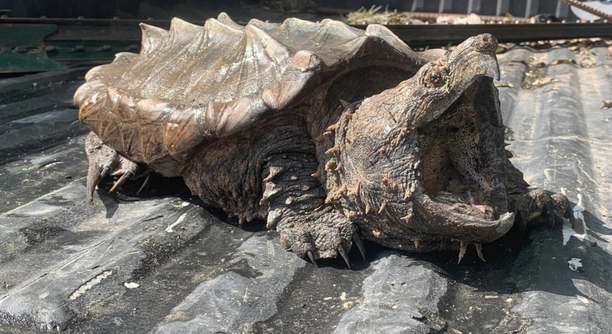
Alligator snapping turtles are unique and fascinating creatures, but when they show aggressive behavior, it can be a challenge to manage. Understanding their behavior is essential for both their well-being and yours.
To determine if your alligator snapping turtle is too aggressive, observe its body language and response to stimuli. Aggression may present as hissing, lunging, or defensive behaviors. An overly aggressive turtle can be a sign of stress or territorial issues.
Recognizing aggressive tendencies early on can help you address the issue promptly and maintain a safe environment for both you and your turtle.
Signs of an Aggressive Alligator Snapping Turtle
When your alligator snapping turtle becomes aggressive, it’s important to pay attention to the specific signs. Hissing, snapping, and lunging are typical responses when they feel threatened. These reactions are natural defense mechanisms, but excessive aggression can signal a problem. Aggressive behavior can stem from various factors such as stress, improper tank conditions, or health issues. If your turtle is continuously showing signs of aggression, it may be due to an overcrowded habitat or insufficient space. It’s crucial to monitor their environment and ensure it is suitable for their needs. Other reasons, like sudden changes in their habitat or routine, can also make them feel uneasy and lead to aggression. Therefore, it’s important to observe your turtle closely and make adjustments where necessary to reduce stressors.
Monitoring your turtle’s behavior regularly helps identify early signs of aggression before it escalates. Keeping the habitat calm and secure can significantly reduce these aggressive tendencies.
A consistent routine and comfortable tank setup are vital for your turtle’s well-being. If aggression persists despite adjustments, it may be necessary to consult a veterinarian to rule out underlying health concerns.
Managing Aggression in Alligator Snapping Turtles
One way to manage aggression in alligator snapping turtles is to provide them with ample space. Overcrowding in a tank often leads to territorial disputes, triggering aggression. It’s essential to ensure that each turtle has enough room to swim, bask, and retreat when needed. A spacious tank will reduce the likelihood of territorial behavior and decrease stress. Another key factor is water quality. Poor water conditions can lead to stress, which may cause your turtle to become more irritable. Regularly check the pH levels and cleanliness of the water to ensure it’s conducive to their health. Additionally, provide hiding spots and basking areas in the tank to give your turtle space when it needs to retreat. These simple adjustments can help your snapping turtle feel more secure and less likely to display aggression. Routine cleaning and maintaining proper tank conditions go a long way in promoting peace.
Alligator snapping turtles are sensitive to their surroundings. Ensuring that their environment is as stress-free as possible is one of the most effective ways to reduce aggressive behaviors.
When to Consult a Veterinarian
If your alligator snapping turtle’s aggression continues despite changes to its environment, it may be time to seek professional advice. Persistent aggressive behavior can indicate underlying health problems, such as pain or discomfort. A veterinarian can help identify the cause and suggest appropriate treatment.
Consulting a vet can be particularly important if your turtle is displaying other concerning signs like changes in appetite, lethargy, or abnormal shell behavior. These symptoms could indicate infections or other medical conditions that need prompt attention. A thorough examination will rule out health issues, allowing you to address the aggression effectively. Additionally, a vet might recommend specific treatments or changes in care to improve your turtle’s overall well-being.
Ignoring persistent aggression without proper evaluation may lead to further complications, not only for your turtle’s health but for your safety as well. If in doubt, professional advice is always worth seeking.
Proper Diet and Nutrition
A well-balanced diet is crucial for keeping your alligator snapping turtle healthy and preventing aggressive behavior. An inadequate diet can lead to stress, poor health, and irritability, which may trigger aggression. Offer a variety of fresh, high-quality foods to meet their nutritional needs, including proteins, vegetables, and occasional fruits.
Turtles require a balance of protein and plant matter in their diet to thrive. Regularly feeding them nutritious foods will help prevent deficiencies and stress-related behavior. If your turtle is only eating one type of food, it might lead to nutritional imbalances that contribute to aggression. Pay attention to their eating habits and adjust the diet accordingly. Offering live foods such as fish or invertebrates can help keep them mentally stimulated, reducing the chances of aggression.
By providing a proper diet, you ensure your turtle has the energy and health it needs to remain calm and non-aggressive.
Creating a Safe Environment
A safe and secure environment helps reduce stress and aggression in alligator snapping turtles. Provide enough space, hiding spots, and proper water conditions to help your turtle feel comfortable. It’s essential to monitor these factors closely to maintain a peaceful habitat.
Your turtle’s tank should be spacious enough to move freely. Ensure there are plenty of places for your turtle to retreat when it feels threatened. Regularly cleaning the tank and keeping the water conditions optimal reduces stress and prevents aggressive reactions. Adjust the habitat as needed based on your turtle’s behavior.
Tank Size and Layout
The size and layout of your turtle’s tank are crucial to its comfort. A larger tank provides more space for your turtle to swim and explore, reducing territorial aggression. Be sure to add features such as rocks or logs for hiding and basking.
A tank that’s too small can cause frustration and stress. Your alligator snapping turtle may become more aggressive if it feels cramped or unable to find a place to escape. The tank should have enough room for your turtle to display its natural behaviors. A proper layout also promotes mental stimulation and well-being.
Behavioral Observation
It’s important to observe your turtle’s behavior regularly. Aggression can often be managed if caught early, so monitoring their actions helps address issues promptly. If aggression becomes more frequent, consider adjusting their environment or seeking professional help.
Take note of any changes in behavior, such as biting, hissing, or becoming overly defensive. Keeping a record can help track patterns, making it easier to identify potential causes and triggers for aggression.
FAQ
How can I tell if my alligator snapping turtle is stressed?
Stress in alligator snapping turtles often shows up in changes in behavior. If your turtle is swimming erratically, hiding more than usual, or displaying signs of aggression, it could be stressed. Other indicators include refusal to eat, lethargy, or changes in shell condition. These signs suggest that the environment or health of the turtle may need adjustment. Pay attention to the water temperature, quality, and space available in the tank, as these factors can all contribute to stress.
What should I do if my snapping turtle is always aggressive?
If your snapping turtle shows consistent aggression, it’s essential to check its environment first. Overcrowding, insufficient hiding spots, or improper water conditions can all cause aggression. If the aggression doesn’t lessen after adjustments, a veterinarian’s consultation is recommended to rule out medical issues. Ensure that your turtle is well-fed and provided with enough space to feel secure. Sometimes, aggression can be related to feeling threatened or being in an unsuitable environment. Regularly assess the tank setup and its contents to see if improvements are needed.
Can my snapping turtle’s aggression be a sign of illness?
Yes, aggression can sometimes be a sign that your turtle is in pain or feeling unwell. If your turtle’s behavior has changed suddenly, and aggression is paired with symptoms such as a lack of appetite or sluggishness, illness may be the cause. Common health issues include infections or issues with the shell. If your turtle seems lethargic or shows abnormal swimming patterns, it’s best to seek veterinary care. A vet can diagnose any health concerns and offer advice on proper care.
How often should I feed my alligator snapping turtle?
Alligator snapping turtles should be fed every 2-3 days in adulthood. Younger turtles may require more frequent feeding, but they still should not be overfed. A balanced diet including both animal-based proteins (like fish and worms) and vegetables should be provided. Be sure to monitor the portion sizes, as excess food can lead to water pollution and stress. Keep track of your turtle’s eating habits to ensure that it’s receiving proper nutrition.
What can I do to prevent my snapping turtle from biting me?
To avoid being bitten, it’s important to handle your snapping turtle carefully and respectfully. They may bite if they feel threatened or cornered. Always approach the turtle from the side rather than from above, which can startle it. When handling your turtle, support its body fully and never attempt to pick it up by the tail. Use a gentle but firm grip to avoid causing stress, and always remember that snapping turtles are naturally defensive.
How much space does an alligator snapping turtle need in its tank?
An alligator snapping turtle requires a minimum of a 75-gallon tank, with larger tanks being preferable. The tank should allow your turtle to swim freely and have areas for both basking and hiding. This space will help reduce territorial aggression. Include some plants, rocks, or logs to provide hiding spots. Additionally, maintaining proper water levels is critical for your turtle’s health and comfort. A tank that’s too small can lead to stress and territorial behavior, so providing ample space is essential.
What is the best way to manage my turtle’s aggression toward other turtles?
If you have multiple turtles in the same tank, aggression may arise from territorial disputes. Make sure the tank is large enough to accommodate more than one turtle and that each has its own space. Adding hiding spots or visual barriers within the tank can help reduce direct encounters. If aggression persists, consider keeping turtles separately until their behavior becomes more manageable. Also, avoid overcrowding, as too many turtles in one tank can increase competition and stress.
Can I train my alligator snapping turtle to be less aggressive?
Training an alligator snapping turtle is not as straightforward as training a dog, as turtles have different instincts and behaviors. However, you can influence their aggression levels by ensuring their environment is stress-free and that their needs are met. Providing enough space, food, and hiding spots will help. Over time, your turtle will likely become accustomed to its environment and feel safer. Avoiding sudden changes in its routine or environment can also help reduce aggressive responses.
What temperature should the water in my snapping turtle’s tank be?
Alligator snapping turtles thrive in water that is between 72°F and 78°F (22°C to 26°C). If the water temperature is too high or too low, it can cause stress and health problems. Use a reliable aquarium heater to maintain the water at a consistent temperature. Make sure the tank has a basking area where the turtle can warm up to the desired temperature. Regularly check the water temperature to ensure that your turtle is comfortable.
Is it normal for my snapping turtle to refuse food sometimes?
It’s not uncommon for alligator snapping turtles to refuse food occasionally, especially if they’re adjusting to a new environment, tank setup, or diet. However, consistent refusal to eat can be a sign of stress, illness, or water quality issues. Ensure that the water is clean, and the temperature is correct. If the turtle refuses food for an extended period, consult with a veterinarian to check for potential health problems. Otherwise, occasional loss of appetite is not usually a cause for concern.
Final Thoughts
Alligator snapping turtles can be fascinating pets, but they require careful attention to their needs to ensure they thrive. Aggression can often be a sign of stress or discomfort, so it’s crucial to create an environment where your turtle feels safe and secure. By understanding the common causes of aggression, such as improper tank conditions, overcrowding, or a lack of space, you can take steps to address these issues before they lead to long-term behavioral problems. Consistently monitoring your turtle’s health and behavior will help prevent aggression from becoming a recurring issue.
One of the most effective ways to manage an aggressive snapping turtle is by ensuring its habitat meets its physical and emotional needs. Providing a spacious tank, clean water, and areas for basking and hiding will help reduce stress. It’s also important to keep track of your turtle’s feeding habits and ensure it’s getting a balanced diet. If your turtle’s aggression continues despite making these adjustments, it may be worth seeking professional help to rule out any health problems that could be contributing to the behavior. Regular veterinary check-ups will help keep your turtle in good health, allowing you to address any concerns early on.
Ultimately, alligator snapping turtles require patience and care. While their aggressive tendencies can sometimes be challenging, they are not impossible to manage. With the right environment, routine, and observation, you can keep your snapping turtle healthy and calm. Addressing aggression early and adjusting its surroundings as needed will help ensure your turtle’s long-term well-being. By being proactive, you can enjoy a peaceful and rewarding experience with your alligator snapping turtle.

Hello,
If you enjoy the content that we create, please consider saying a "Thank You!" by leaving a tip.
Every little bit helps us continue crafting quality advice that supports the health, happiness, and well-being of pets around the world, for pets of all shapes, sizes, and species.
We really appreciate the kindness and support that you show us!