
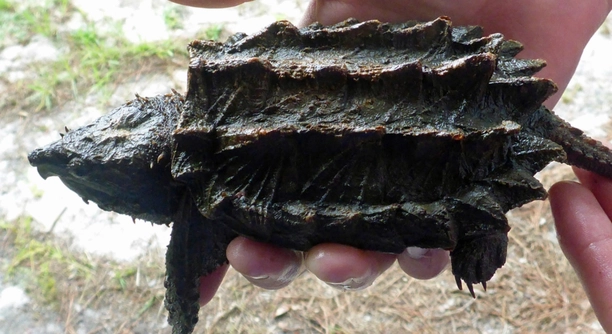
Alligator snapping turtles are known for their unique behaviors, and one of the most noticeable is their snapping. If you have one as a pet, you might wonder why this behavior happens, especially when interacting with them.
The primary reason for the snapping behavior in alligator snapping turtles is their natural instinct to protect themselves. They may snap out of fear or perceived threats, as they are territorial and cautious animals. Proper handling can help prevent aggressive snapping.
Understanding why your turtle is snapping helps ensure a safer interaction. With the right care, you can reduce stress and maintain a healthy relationship with your pet.
Why Snapping Is a Natural Behavior
Alligator snapping turtles are known for their powerful bite, and their tendency to snap comes from instinctual behavior. In the wild, these turtles use their strong jaws to defend themselves and capture prey. They aren’t aggressive by nature but will react defensively if they feel threatened. Their sharp beak-like jaws can be intimidating, and a sudden movement or perceived danger can trigger their snapping response. They are highly sensitive to touch, vibrations, and changes in their environment, which can make handling them tricky.
Turtles don’t snap without reason. This reaction is a survival tactic. Even when kept as pets, they still retain these instincts. Over time, they may become more comfortable with their owners but will always retain their defensive nature.
Understanding their behavior is key to handling them safely. With consistent and gentle care, you can help minimize their stress and reduce the likelihood of snapping, but it’s important to remember that their protective instincts are still very much alive.
How Stress Triggers Snapping
Stress plays a significant role in a turtle’s snapping behavior. When a turtle is stressed, it may become more reactive to stimuli, increasing the chances of snapping. Stress can come from various factors such as improper tank conditions, sudden movements, or unfamiliar people handling them.
Creating a calm and stable environment for your turtle can help reduce stress. Ensure their habitat is suitable for their needs, including the right water temperature and proper hiding spots. Avoid sudden or aggressive handling, as this can make them feel threatened. Regularly observing their behavior can also give you insights into what might be causing stress.
By making small adjustments to their environment and routine, you can improve your turtle’s well-being and minimize the chances of snapping. Understanding their stress triggers is crucial for ensuring a peaceful and safe interaction.
Proper Handling Techniques
The way you handle your alligator snapping turtle plays a major role in reducing snapping. Avoid grabbing or picking up the turtle suddenly, as this can startle it. Instead, approach slowly and gently. Hold them with both hands, supporting their body and legs.
Handling your turtle properly helps build trust over time. Start by allowing it to move freely in its environment before touching it. Gradually introduce handling in short, calm sessions. Keep your movements slow and steady, which will make the turtle feel less threatened and reduce its chances of snapping. Ensure you avoid squeezing too tightly, as this can cause discomfort.
A calm, patient approach will help your turtle feel more at ease during interactions. Over time, they’ll likely become less reactive and more comfortable with your presence, minimizing the snapping behavior significantly.
Tank Environment and Its Impact
The environment you keep your turtle in plays a large role in its behavior. Alligator snapping turtles need a spacious, clean tank with appropriate water temperatures. If their habitat is cramped or dirty, it can cause stress and increase the likelihood of snapping.
Be sure the tank is large enough for your turtle to move freely. A tank that’s too small can cause frustration and defensive behavior. Maintain the water quality with a good filtration system and regular cleaning. The temperature should range from 75 to 85°F, as turtles are sensitive to changes in their environment. Additionally, including hiding spaces like rocks or aquatic plants helps provide them with a sense of security.
Taking care of the tank environment ensures your turtle feels more comfortable and less likely to react defensively. If their living space is properly maintained, they will feel more at ease and are less likely to snap.
Proper Feeding Practices
Alligator snapping turtles are very particular about their food. Overfeeding or offering the wrong food can cause stress or frustration. Stick to a balanced diet with appropriate live food like fish, worms, or crustaceans.
Avoid feeding them too often or giving them food that’s too large. Large or inappropriate food can make them feel uncomfortable and might trigger defensive snapping behavior. Make sure to remove uneaten food promptly to keep the tank clean and reduce any potential stress. Maintaining a regular feeding schedule will also help your turtle feel more secure and calm.
Keeping Your Turtle Active
Alligator snapping turtles are naturally active animals, and giving them the right opportunities for exercise is important. Make sure they have enough space to swim and explore. If kept in an enclosure that’s too small, they may become frustrated and start snapping more often.
Including objects like rocks or logs for climbing and exploring helps stimulate them. They also enjoy digging, so providing substrate like sand or gravel will allow them to engage in natural behaviors. An active turtle is less likely to display stress-related snapping, as they’re busy and mentally engaged in their environment.
FAQ
Why is my alligator snapping turtle snapping at me?
Alligator snapping turtles may snap when they feel threatened or startled. It’s a natural defense mechanism. Sudden movements, loud noises, or unexpected handling can make them react. They also use their powerful jaws for hunting, so snapping is instinctual for them. It’s their way of protecting themselves when they feel unsafe. In the wild, this snapping helps them catch prey and defend themselves from potential threats. Even in captivity, these instincts remain strong, and it’s essential to be mindful of their space and behavior to avoid triggering them.
How can I prevent my turtle from snapping at me?
To prevent snapping, ensure that you approach your turtle slowly and gently. Avoid sudden movements or loud noises that may startle it. When handling, support its body carefully and avoid grabbing it unexpectedly. It’s important to build trust over time by handling the turtle consistently but calmly. Also, make sure the turtle’s living environment is ideal, as stress from a poorly maintained tank can lead to more snapping behavior. A calm, predictable routine will help your turtle feel safer and less likely to snap.
How can I tell if my snapping turtle is stressed?
Stressed snapping turtles may exhibit a few signs, including excessive hiding, loss of appetite, or pacing. They might become more aggressive or snap more often. Changes in their behavior, such as being more reclusive or less active, can indicate that they’re feeling overwhelmed. Stress in turtles can be caused by various factors, like an improper tank environment, inappropriate handling, or sudden changes in their routine. If your turtle is more defensive than usual, it’s a sign that something in its environment or daily life may be causing it stress.
Can my alligator snapping turtle be tamed?
It’s possible to tame an alligator snapping turtle over time, but it requires patience and consistent care. Unlike some other species of turtles, alligator snapping turtles are not typically social animals. They tend to be more defensive and less interactive. However, by regularly handling them in a calm and gentle manner, you can help them feel more comfortable with your presence. Start with short, calm interactions and gradually increase the time you spend with them as they become accustomed to your touch. Over time, they may become less likely to snap, though they will always retain their instinctive behaviors.
How often should I handle my alligator snapping turtle?
It’s best to handle your alligator snapping turtle only when necessary. Overhandling can cause stress, so it’s important to balance interactions with giving them time to settle in their environment. Start with brief handling sessions and gradually build up as the turtle becomes more comfortable. You don’t need to handle them daily, and it’s okay to let them have space in between interactions. It’s more important to maintain a consistent routine and provide them with a calm environment. Regular but limited handling will help keep your turtle feeling safe and reduce the chances of snapping.
What kind of environment is best for my alligator snapping turtle?
Alligator snapping turtles need a spacious tank with plenty of room to swim and dive. The tank should have clean water, with a filtration system to maintain proper water quality. The water temperature should be maintained between 75-85°F, as they are sensitive to changes in temperature. Providing a substrate like sand or gravel is helpful for digging and allows them to engage in natural behaviors. You should also include hiding spots like rocks or logs to help your turtle feel secure. A well-maintained and spacious environment will help reduce stress and discourage snapping behavior.
What should I feed my alligator snapping turtle?
Alligator snapping turtles are carnivorous, so they require a diet rich in protein. Their food should consist of live prey like fish, worms, crustaceans, and even small amphibians. You can also feed them some prepared pellets designed for carnivorous turtles. However, it’s important to avoid overfeeding them. A regular feeding schedule with appropriately sized meals is best. Avoid offering large pieces of food that could cause discomfort. Remove any uneaten food from the tank to prevent water contamination and ensure your turtle stays healthy and happy.
Why is my snapping turtle not eating?
If your snapping turtle isn’t eating, it could be due to stress, a change in environment, or an improper diet. Check the water temperature, water quality, and overall tank conditions to ensure they are optimal. Stress from handling or environmental changes can cause a turtle to lose its appetite. If the turtle is in a new tank or has recently been moved, it may take time for it to adjust. Make sure to offer food that is appropriate for their diet and at the right size. If they continue to refuse food, consult a vet to rule out any health issues.
Can my alligator snapping turtle coexist with other pets?
Alligator snapping turtles can be territorial and may not always get along with other animals, especially in confined spaces. It’s usually best to house them alone in their tank. If you do plan to keep them with other pets, ensure that the other animals are large enough to not be seen as prey, as snapping turtles may try to hunt smaller animals. Never place them with other turtles or reptiles that may compete for food or space. Keep an eye on their interactions, as aggression can arise if one feels threatened or cornered.
What is the lifespan of an alligator snapping turtle?
Alligator snapping turtles are long-lived and can live for up to 50 years or more in the wild. In captivity, with proper care, they can also live for several decades. Their lifespan can be affected by factors such as diet, habitat, and overall health. These turtles grow slowly, so it’s important to be committed to their care for the long term. Regular checkups and a well-maintained environment will help them live a long, healthy life.
Final Thoughts
Alligator snapping turtles are fascinating creatures with unique behaviors and needs. Their snapping instinct, though startling, is a natural response to feeling threatened or unsafe. Understanding this behavior is key to creating a stress-free environment for them. By providing the right care, proper handling, and a well-maintained habitat, you can reduce the chances of triggering this instinct. Remember, these turtles are wild animals at heart, and they rely on their instincts to survive, whether in the wild or in captivity. Respecting their space and behavior is crucial in maintaining a healthy relationship with them.
Maintaining the right environment plays a huge role in your turtle’s well-being. A proper tank setup, including clean water, suitable temperature, and enough space to move around, helps them feel secure and less likely to snap. It’s also important to provide them with the right food, such as live prey and protein-rich meals, to keep them healthy and satisfied. Regularly checking on their water quality and temperature will ensure they stay comfortable. A calm, stable environment is one of the best ways to reduce stress and improve your turtle’s overall mood.
Patience and consistency are key when dealing with snapping behavior. While you can’t fully change their instinctive nature, you can build trust and make interactions less stressful. Start with slow movements and gentle handling to help your turtle get used to your presence. Over time, they may become more relaxed and less likely to snap in defense. With the right approach, your alligator snapping turtle can live a long, healthy life, and you can enjoy observing its unique behavior from a safe distance.

Hello,
If you enjoy the content that we create, please consider saying a "Thank You!" by leaving a tip.
Every little bit helps us continue crafting quality advice that supports the health, happiness, and well-being of pets around the world, for pets of all shapes, sizes, and species.
We really appreciate the kindness and support that you show us!