
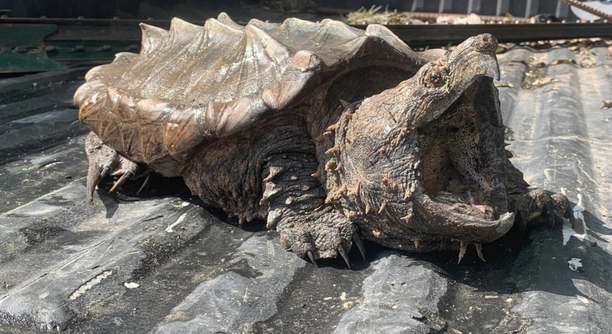
Alligator snapping turtles are fascinating creatures, but caring for them requires attention to their health, including their eyes. Ensuring their eyes are healthy is crucial for their overall well-being.
Healthy eyes are vital for alligator snapping turtles, as they rely on their vision for hunting and navigation. Check for signs of cloudiness, discharge, or swelling. If you notice any abnormalities, it’s essential to consult a veterinarian for proper care.
Understanding your turtle’s eye health is key to maintaining its overall wellness. By observing their eyes closely, you can catch potential problems early and take action.
Signs of Unhealthy Eyes in Alligator Snapping Turtles
When checking an alligator snapping turtle’s eyes, there are a few common signs of health issues to watch for. Cloudy or milky eyes are often an indication of infection, while bulging eyes may suggest a more serious problem, like an eye injury. Discharge coming from the eyes is another red flag that should not be ignored. If the turtle’s eyes seem swollen or appear abnormal in shape, it may be a sign of a viral or bacterial infection. These conditions can worsen without proper care, affecting the turtle’s vision and overall health.
If you notice any of these symptoms, the first step is to isolate the turtle from other animals to prevent potential spread of infection. You should immediately consult a veterinarian, preferably one who specializes in reptiles. These signs, if left untreated, can lead to further complications, including loss of sight or systemic infections.
Getting your alligator snapping turtle checked out as soon as possible will ensure that you catch problems early. With the right care, many of these issues can be treated, and your turtle can return to good health.
Keeping an Eye on Their Environment
The environment you keep your alligator snapping turtle in can also play a significant role in maintaining healthy eyes. A clean tank with proper water filtration helps prevent eye irritation from debris or bacteria. Regular cleaning of their habitat will reduce the risk of infection.
Additionally, UVB lighting is crucial for the turtle’s overall health. It helps them synthesize vitamin D3, which is essential for their bones and overall immune system. Inadequate lighting can weaken their immune system, making them more susceptible to eye infections.
By keeping their environment clean and well-lit, you’re taking a proactive step toward ensuring your turtle’s health and preventing any future eye problems.
How to Clean Your Alligator Snapping Turtle’s Eyes
Regularly cleaning your alligator snapping turtle’s eyes is essential for maintaining their health. Use a gentle saline solution and a soft cloth to wipe around their eyes if any debris or discharge builds up. Avoid using harsh chemicals, as they can irritate the eyes.
Be gentle while cleaning, as the turtle’s eyes are sensitive. Carefully wipe away any dirt or mucus, being cautious not to apply too much pressure. If the discharge is excessive, it could indicate an infection, and you should contact a veterinarian. Keep the turtle calm during this process to reduce stress.
Clean their eyes regularly, especially if you notice any build-up. If they seem to struggle with this, a quick soak in clean water may help loosen any debris around their eyes, making it easier to remove. Always observe the condition of the eyes after cleaning for any changes.
Common Eye Infections in Alligator Snapping Turtles
Alligator snapping turtles can develop eye infections from various causes, including poor water quality and injuries. Conjunctivitis is one of the most common eye infections in turtles, marked by redness, swelling, and discharge from the eyes. This infection is usually bacterial or viral and can spread quickly if not treated.
If you suspect an eye infection, it’s important to isolate your turtle from other pets and clean its habitat. In some cases, you may need to administer antibiotics or eye drops, as recommended by a vet. If left untreated, eye infections can lead to vision loss or spread to other parts of the body.
Treatment varies based on the severity of the infection. Some cases can be managed with topical treatments, while others may require oral medication. Consult a reptile vet to ensure you are using the right treatments for your turtle’s specific needs.
When to Consult a Veterinarian
If your alligator snapping turtle’s eyes show signs of worsening or do not improve after cleaning, it’s time to consult a veterinarian. Any noticeable change in their vision or continued discharge should be addressed promptly to avoid further complications.
If there is swelling, cloudiness, or persistent redness despite care, these are signs that professional help is needed. A vet can perform tests to determine the cause and prescribe appropriate treatments. It’s always better to act early to prevent more serious issues from developing, ensuring your turtle stays healthy.
Preventing Eye Problems in the Future
Maintaining a clean, stable environment is key to preventing future eye problems. Regular water changes and proper filtration will keep harmful bacteria at bay, reducing the chances of infections. Also, ensure your turtle is receiving the right diet to boost its immune system.
Providing proper UVB lighting is another preventative measure. This helps with calcium metabolism and overall health, making your turtle less susceptible to infections. A balanced diet combined with a clean environment is your best defense against eye health issues in the future.
Monitoring for Long-Term Health
Keep an eye on your turtle’s eyes during regular health checks. Small changes over time can indicate underlying problems, so routine observation is important. If something seems off, don’t wait for it to get worse.
Early detection can make all the difference, especially when dealing with infections or injuries. By staying proactive, you ensure that your turtle’s eyes stay healthy for the long term. Regular checks, cleaning, and attention to their environment go a long way in preventing eye issues.
FAQ
How do I know if my alligator snapping turtle has an eye infection?
The first signs of an eye infection are often cloudiness, redness, or swelling around the eye. You might also notice excessive discharge or crustiness near their eyes. If these symptoms appear, it’s a clear sign that the turtle might have an eye infection. It’s important to monitor these symptoms and consult a veterinarian if they persist.
Can I treat my turtle’s eye infection at home?
Minor eye irritations can sometimes be treated at home by cleaning the area gently with saline solution or using soft, clean cloths. However, if the infection worsens or doesn’t improve, it’s best to see a veterinarian for proper diagnosis and treatment. A vet may recommend specific eye drops or antibiotics.
What causes eye problems in alligator snapping turtles?
Eye issues can arise due to poor water quality, physical injury, or infections. Bacterial or fungal infections are common causes, especially in turtles kept in tanks with improper filtration or in dirty water. Other possible causes include improper diet, lack of UVB lighting, or stress. Ensuring your turtle’s habitat is clean and stress-free helps prevent these problems.
How can I prevent eye problems in my alligator snapping turtle?
Maintaining clean water and proper tank filtration is the key to preventing most eye issues. Regularly change the water and ensure your turtle has access to proper UVB lighting. A nutritious, balanced diet is also crucial to their overall health. By taking these precautions, you can help keep their eyes healthy.
Is it normal for my turtle’s eyes to be cloudy?
Cloudy eyes in alligator snapping turtles can be a sign of infection or injury. However, they can also be caused by environmental factors such as poor water quality. If your turtle’s eyes are consistently cloudy or the condition worsens, it’s important to seek professional care to determine the underlying cause.
What should I do if my turtle has swollen eyes?
Swollen eyes can be caused by a variety of factors, including infections or injuries. If swelling appears suddenly, isolate the turtle to prevent other animals from coming into contact with the condition. Clean the area gently, but if the swelling persists, it’s time to consult a veterinarian for diagnosis and treatment.
Can stress affect my turtle’s eyes?
Yes, stress can impact your turtle’s overall health, including its eyes. Stress can make turtles more susceptible to infections and other health issues. Ensure your turtle has a comfortable environment, with proper lighting, temperature, and space. Reducing stress can help maintain their eye health and well-being.
How often should I check my turtle’s eyes?
You should check your turtle’s eyes regularly during health checks, especially if you notice any changes in behavior or appearance. Look for signs of irritation, discharge, or swelling. Regularly inspecting their eyes helps catch any problems early, making it easier to treat before it becomes more serious.
What are the best lighting conditions for my turtle’s eyes?
Alligator snapping turtles need proper UVB lighting to maintain healthy eyes and overall health. UVB helps them metabolize calcium, which is essential for their bone health. A 12-hour light and dark cycle with UVB bulbs should be provided in their tank. This lighting helps prevent eye issues and promotes their well-being.
Why does my turtle have eye discharge?
Eye discharge can be a sign of infection or an environmental issue, such as poor water quality. It could also be a reaction to an injury or a sign of dehydration. If the discharge persists, consult a vet to rule out infection and get appropriate treatment. Regularly cleaning your turtle’s habitat helps prevent discharge caused by environmental factors.
Final Thoughts
Taking care of your alligator snapping turtle’s eyes is essential for its overall health. Regularly monitoring their eye condition can help prevent many common issues. Ensuring clean water, proper lighting, and a balanced diet goes a long way in maintaining healthy eyes. By paying attention to small signs like discharge, swelling, or cloudiness, you can spot potential problems early, making treatment easier and more effective. If you notice any persistent symptoms, don’t hesitate to consult a veterinarian. Quick action can prevent more serious conditions from developing.
Understanding the importance of regular care is key to a turtle’s well-being. Beyond their eyes, turtles need a suitable environment that supports their health. This includes maintaining water quality, keeping the right temperature, and offering the appropriate diet. Stress is another factor that can negatively impact a turtle’s health, so providing a comfortable, calm space is essential. Each of these elements plays a role in preventing eye issues, but addressing any problems early is always the best approach. Caring for your alligator snapping turtle’s eyes will help them live a healthier and happier life.
In conclusion, a proactive approach to caring for your turtle’s eyes is the best way to avoid complications. Regularly inspect their eyes, keep their habitat clean, and make sure they are eating a proper diet. If problems arise, early intervention is key. Your alligator snapping turtle relies on you for its care, and by staying informed and vigilant, you can ensure that its eyes stay healthy and it thrives in its environment.

Hello,
If you enjoy the content that we create, please consider saying a "Thank You!" by leaving a tip.
Every little bit helps us continue crafting quality advice that supports the health, happiness, and well-being of pets around the world, for pets of all shapes, sizes, and species.
We really appreciate the kindness and support that you show us!