
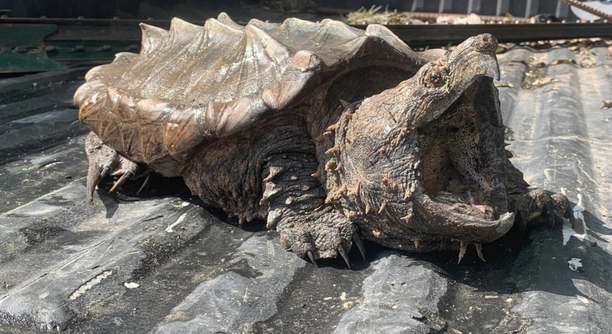
Alligator snapping turtles are fascinating creatures that thrive in specific environments. Understanding their behavior and body language can help determine if they are comfortable in their surroundings. Observing these signs can guide you in creating a better habitat for your turtle.
If your alligator snapping turtle is content, it will show clear signs of enjoying its environment. These include active movement, healthy eating habits, a clean shell, and an interest in its surroundings. Positive behavior is key to a happy turtle.
A comfortable alligator snapping turtle will display its well-being through certain behaviors. From swimming to exploring its surroundings, there are multiple indicators that can assure you your turtle is happy in its environment.
Active Swimming and Movement
An alligator snapping turtle that enjoys its environment will exhibit active swimming and movement. These turtles are known to be slow, but they still need enough space to swim around. If your turtle is moving freely, it is a sign that it feels secure and comfortable. It may swim across the tank or slowly explore its environment at its own pace. If your turtle spends most of its time hiding or barely moving, it could indicate that something is wrong with its habitat.
When an alligator snapping turtle is at ease, it will typically be more active, showing interest in its surroundings and even exploring different corners of its habitat. This behavior signals that it has found a place it enjoys. Active movement is vital for your turtle’s health, as it helps keep its muscles and joints in good condition.
It’s important to ensure that the tank or enclosure provides enough space for your turtle to move around. These turtles are not meant to stay in one small area for extended periods. If they do, it may lead to stress or health problems. Keep the water clean, at the right temperature, and maintain a good habitat for your turtle’s well-being.
Healthy Eating Habits
Alligator snapping turtles that feel safe in their environment will have a healthy appetite. When your turtle is eating regularly, it shows that it is content with its habitat.
Food is essential to keeping your turtle healthy. Regular feeding, proper diet, and time spent searching for food in its environment are key signs your turtle is thriving.
Interest in Surroundings
If your alligator snapping turtle is actively exploring its environment, it’s a sign that it is comfortable. Turtles usually take time to observe their surroundings, especially when they feel safe. A turtle that shows interest in the objects around it is likely enjoying its space.
When a turtle is in a comfortable environment, it may often investigate rocks, logs, or plants in its enclosure. This behavior is a good indication that your turtle is not feeling stressed or anxious. The more engaged your turtle is with its environment, the more likely it is enjoying its space.
Providing an interesting habitat with various objects like hiding spots, rocks, and water plants encourages this exploration. By offering a variety of textures and areas to explore, you keep your turtle mentally stimulated, which helps prevent boredom. A turtle that is actively exploring feels secure and well-cared for.
Clean Shell and Healthy Appearance
A clean and healthy shell is another clear indicator that your alligator snapping turtle is enjoying its environment. Turtles that live in well-maintained tanks will usually keep their shells in good condition.
If your turtle’s shell looks healthy and free of algae, scutes, or other growths, it shows that the water conditions are good. Clean water helps prevent health issues and keeps the turtle’s shell smooth. Regular maintenance of the tank ensures that your turtle’s shell remains free from harmful build-ups, keeping it in a healthy state.
To keep the shell clean, maintain the right water temperature and filtration. This allows the turtle to move easily and feel comfortable. A dirty or damaged shell often signals poor tank conditions, which could make your turtle feel unsafe. Therefore, paying attention to shell health is crucial in ensuring a happy turtle.
Regular Basking
Your alligator snapping turtle will bask regularly if it’s enjoying its environment. Turtles often bask to regulate their body temperature. If your turtle has access to a basking area and uses it often, it shows that it’s comfortable and has what it needs.
Basking is an important activity for alligator snapping turtles. It allows them to dry out their shells and absorb heat, which is necessary for digestion and overall health. If your turtle is regularly basking under a heat lamp, this means the environment is providing the right conditions.
Ensure that the basking area has proper lighting and a heat source. The temperature should be warm enough to encourage basking but not too hot to cause discomfort. This is a clear sign that your turtle’s needs are being met, which will keep it happy and healthy.
Active Digging
If your alligator snapping turtle is digging, it’s a positive sign. Digging helps turtles feel secure and gives them a chance to explore their environment.
Digging behavior is normal for snapping turtles, especially if they have access to a substrate like sand or soil. By digging, turtles feel safe and can create hiding spots, which is important for their well-being. A turtle that digs is likely comfortable and not stressed by its surroundings.
FAQ
What is the best temperature for an alligator snapping turtle’s tank?
Alligator snapping turtles thrive in water temperatures between 72°F and 78°F (22°C and 25°C). It’s important to maintain this range to ensure they remain active and healthy. If the water is too cold, your turtle may become sluggish or even stop eating, while water that’s too hot could cause stress. Use a reliable water heater to maintain a consistent temperature. The basking area should be slightly warmer, around 85°F to 90°F (29°C to 32°C), to help them regulate their body heat effectively.
How often should I feed my alligator snapping turtle?
Alligator snapping turtles are not constant eaters and generally only need to be fed 2-3 times a week. They are opportunistic feeders, so it’s essential to provide a varied diet that includes protein like fish, worms, and shrimp, along with some vegetables like leafy greens. Overfeeding can lead to health problems such as obesity, so it’s important to feed in moderation. Observe your turtle’s appetite and adjust accordingly. Offering food that is appropriate for their size helps ensure they stay healthy.
Can an alligator snapping turtle live with other turtles?
Alligator snapping turtles are solitary animals and are not always the best companions in a shared environment. They can be territorial, especially with other males. When placed in a tank with other turtles, they might display aggression, and this could lead to injury. It’s generally safer to keep them alone or in a very spacious enclosure with plenty of hiding spots and areas to explore. If you choose to house multiple turtles, ensure the tank is large enough to prevent territorial disputes.
How do I keep the water clean for my alligator snapping turtle?
Maintaining clean water is essential for the health of your alligator snapping turtle. Invest in a high-quality filtration system to ensure that debris, waste, and excess food are regularly removed from the water. Perform water changes weekly, at a minimum, to prevent harmful toxins from building up. Monitor the water’s pH, hardness, and ammonia levels. The water should be clear and free of visible algae. Regular tank cleaning and monitoring help maintain a healthy environment for your turtle.
What type of substrate is best for alligator snapping turtles?
Alligator snapping turtles prefer a soft, sandy substrate in their enclosure. Sand allows them to dig and create hiding spots, which is vital for their comfort. You can also use smooth gravel, but avoid rough or sharp substrates that could injure their soft bellies. Be sure the substrate is deep enough for them to dig but not too deep to cause any difficulty in movement. It is important to avoid using substrates like small pebbles or rocks that the turtle could accidentally ingest, as this could cause blockages.
How can I tell if my alligator snapping turtle is sick?
Sick alligator snapping turtles may show several signs, including loss of appetite, lethargy, abnormal swimming behavior, or shell discoloration. If your turtle’s shell appears soft, damaged, or covered in fungus, it’s a sign that something is wrong. You might also notice excessive mucus around the eyes or nose, which can indicate a respiratory infection. If your turtle is floating awkwardly or struggling to submerge, it may be suffering from buoyancy issues or an internal infection. It’s important to seek veterinary care as soon as any signs of illness appear.
Is it necessary to provide UVB lighting for an alligator snapping turtle?
Yes, UVB lighting is crucial for alligator snapping turtles, as it helps them produce vitamin D3, which is essential for calcium absorption. Without UVB light, they can develop shell deformities, weakened bones, and other health issues. A proper UVB light should be placed above the basking area to ensure your turtle can access it when needed. It’s important to replace UVB bulbs every 6 months, as they lose their effectiveness over time, even if the light still works.
What size tank does an alligator snapping turtle need?
The tank size for an alligator snapping turtle should be large enough to accommodate their active behavior and size. A young turtle can live in a 40-gallon tank, but as it grows, you will need to upgrade to a 100-gallon tank or larger. A bigger tank helps maintain water quality and provides space for the turtle to swim and explore. Alligator snapping turtles can grow quite large, so ensure your tank has enough room for them to move freely. If you can, opt for a tank with a longer length to provide more swimming area.
Can an alligator snapping turtle be kept in a pond?
Yes, alligator snapping turtles can be kept in a pond as long as the pond is large enough and has proper water conditions. The water should be kept clean and at the right temperature, with areas for basking and hiding. The pond must be secure to prevent the turtle from escaping, as they are strong swimmers. Ponds should have adequate filtration systems to keep the water clean and safe for your turtle. However, you must ensure that other animals in the pond won’t harm the turtle or disturb its environment.
How long do alligator snapping turtles live?
Alligator snapping turtles can live for several decades, with an average lifespan of 30 to 50 years in captivity. In the wild, they may live even longer, with some reaching 70 years or more. Providing them with a proper diet, clean water, and the right environmental conditions can help them live a long, healthy life. Be prepared for the long-term commitment of caring for an alligator snapping turtle. Regular check-ups and attention to their needs can help increase their chances of living a long life.
Final Thoughts
Caring for an alligator snapping turtle requires understanding its needs and providing the right environment. These turtles are unique creatures with specific requirements when it comes to space, water quality, diet, and temperature. By making sure these needs are met, you help ensure your turtle remains happy and healthy for many years. It’s important to regularly check the conditions of their habitat, such as water temperature, cleanliness, and lighting, to create a safe and comfortable environment.
One key aspect to consider is the turtle’s behavior. Alligator snapping turtles show their well-being through their actions, such as exploring their surroundings, basking regularly, and eating a healthy diet. Observing your turtle’s behavior closely helps you spot potential issues early on, allowing you to address them before they become serious. Regular movement, a clean shell, and active engagement with the environment are all signs that your turtle is thriving.
Lastly, remember that these turtles can live for decades. As a long-term commitment, caring for an alligator snapping turtle means being prepared for the responsibility of maintaining its habitat and health over time. Whether you choose to keep one in a tank or pond, it’s essential to continue educating yourself and adjusting the environment as needed. Ensuring the best possible care for your turtle will lead to a fulfilling experience for both you and your reptile companion.

Hello,
If you enjoy the content that we create, please consider saying a "Thank You!" by leaving a tip.
Every little bit helps us continue crafting quality advice that supports the health, happiness, and well-being of pets around the world, for pets of all shapes, sizes, and species.
We really appreciate the kindness and support that you show us!