
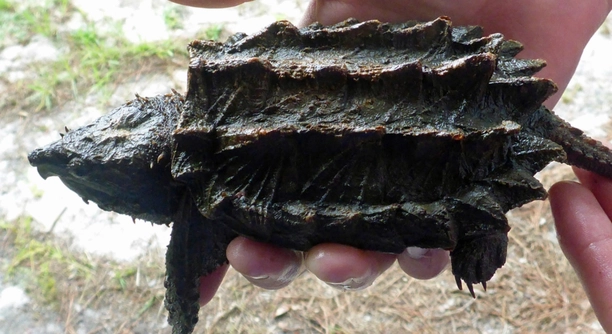
Alligator snapping turtles are fascinating creatures, but knowing when they are too young to breed can be tricky. Their growth and maturity require careful observation to ensure proper breeding timing. This guide will help.
Alligator snapping turtles typically reach sexual maturity between 12 and 15 years of age. Males may mature earlier than females, but even adult turtles should be at least this age to breed successfully. Younger turtles may not be physically or biologically ready.
By recognizing the signs of maturity, you can ensure the health and success of your turtle’s breeding potential. Understanding these stages will help you make informed decisions about their care and breeding.
Understanding the Signs of Maturity in Alligator Snapping Turtles
When considering whether your alligator snapping turtle is too young to breed, it’s important to know how to assess their maturity. These turtles have a slow growth rate, and their sexual maturity comes much later than many might expect. While they can appear healthy and active at younger ages, they might not be biologically ready for reproduction.
Males often reach maturity earlier than females, typically around 12 to 13 years old. Females, on the other hand, may take longer, reaching maturity between 14 and 15 years. During these years, you may notice growth in their size and changes in behavior. However, size alone is not a guarantee that they are mature enough for breeding.
A healthy adult turtle will have strong, developed features such as a more prominent, thicker shell and well-formed limbs. When your turtle begins displaying territorial behavior and engages in mating rituals, it could be a sign that they are nearing maturity. Understanding these signs can guide you in making the right decision for breeding.
Why Age Matters for Breeding
Age is crucial when it comes to breeding alligator snapping turtles. Breeding too early can lead to health risks.
Younger turtles may lack the physical strength and health required for reproduction. Their bodies are still growing and developing, and early breeding can put unnecessary stress on them. If your turtle is still too young, it’s best to wait until they reach the proper age. This not only ensures their physical readiness but also helps maintain their overall health.
Physical Indicators of Maturity
Mature alligator snapping turtles will display noticeable physical changes. Their shells will be more robust and thicker, and they will develop stronger, more defined features. These physical markers can help indicate whether your turtle is ready for breeding.
The size and shape of their shell become more pronounced as they age, with males often having a slightly more narrow, elongated shell compared to females. The head and jaws also grow larger, reflecting their increased strength and ability to hunt for food. By the time they reach sexual maturity, these features become distinct and can be visually identified.
In addition to the physical changes, you may notice your turtle’s behavior starting to shift. Males may become more territorial, often displaying aggressive behavior toward other males. This is a clear sign they are reaching reproductive age. Understanding these subtle changes helps you gauge when your turtle is approaching maturity.
Environmental Factors Affecting Maturity
The environment plays a key role in determining when an alligator snapping turtle reaches maturity. Proper habitat conditions, including temperature, water quality, and diet, are essential for their growth and development.
If the environment lacks the proper nutrients or conditions, turtles may take longer to reach maturity. For instance, colder temperatures can slow down their metabolism, delaying growth. Likewise, a diet low in essential nutrients can stunt development. It’s vital to ensure their habitat mimics their natural environment as closely as possible, providing the best conditions for them to grow and mature.
Maintaining clean water and offering a diet rich in protein and calcium will promote healthy growth, helping your turtle reach maturity on time. If these environmental factors are overlooked, your turtle’s development may be delayed, leading to difficulties when it’s time to breed.
Behavioral Changes to Watch For
As your alligator snapping turtle matures, you may notice changes in its behavior. Adult turtles often become more active and exhibit behaviors linked to breeding, such as increased aggression or territorial actions.
Males, in particular, will start to display more dominance and may even try to mate with females or challenge other males. These behaviors are clear signs that your turtle is no longer in the juvenile stage and is beginning to reach sexual maturity. Understanding these actions can help you track your turtle’s development and readiness for breeding.
The Role of Health in Breeding Readiness
A turtle’s overall health is essential when determining its readiness to breed. Even if your alligator snapping turtle reaches the appropriate age, a lack of good health can prevent successful breeding.
Health issues like malnutrition, infections, or improper water conditions can hinder a turtle’s reproductive abilities. Ensuring that your turtle is healthy and thriving will give it the best chance for successful reproduction. A healthy turtle will show signs of energy, proper growth, and active behavior. Monitoring your turtle’s health will guide you in knowing when it is physically ready for breeding.
Why You Should Wait Until the Right Time
Breeding too early can cause serious harm to your turtle. If it’s not fully mature or healthy, it can lead to complications. Waiting ensures the turtle is ready.
By allowing your alligator snapping turtle to fully mature, you promote its long-term health and well-being. Healthy, mature turtles have the best chance for successful breeding. It’s important to be patient and not rush the process. This will ultimately benefit both the turtle and the breeding outcome.
FAQ
How can I tell if my alligator snapping turtle is too young to breed?
If your turtle is under 12 years old, it’s likely too young to breed. Most males reach sexual maturity between 12 and 13 years old, while females mature later, around 14 to 15 years. At younger ages, turtles may appear physically developed but lack the internal maturity needed for successful breeding.
What are the signs that my alligator snapping turtle is ready to breed?
Mature males will show more territorial behavior and aggression, particularly toward other males. They may attempt to mate with females or even fight other males for dominance. Females will also show interest in breeding, especially during the mating season, typically in spring or early summer.
Can alligator snapping turtles breed at different ages depending on their size?
Size can play a role, but age is the more reliable indicator. A turtle’s shell size and body growth may vary depending on environmental conditions and diet. However, reaching a certain size doesn’t guarantee maturity for breeding. It’s crucial to focus on age and behavior rather than just size alone.
Do alligator snapping turtles breed in captivity?
Yes, alligator snapping turtles can breed in captivity, but it requires careful attention to their age, health, and environmental conditions. The breeding process can be challenging, and not all captive turtles are ready to reproduce at the same time. Proper habitat setup, diet, and temperature control are essential for successful breeding.
How long does it take for an alligator snapping turtle to mature?
It takes approximately 12 to 15 years for an alligator snapping turtle to reach sexual maturity, though this can vary slightly based on their environment. In the wild, they often mature later due to slower growth rates. Captive turtles may mature at a similar pace if their environment is ideal.
Is it possible to speed up the maturity process of my alligator snapping turtle?
No, there is no way to speed up the natural maturation process of alligator snapping turtles. While providing optimal care—such as a balanced diet, a clean environment, and proper temperature—will help them grow at a healthy pace, rushing the process could harm them. Patience is key.
What should I feed my alligator snapping turtle to help it reach maturity?
A diet rich in protein, such as fish, insects, and crustaceans, along with some vegetables, will support your turtle’s growth. Ensuring they get enough calcium will help in the development of a strong shell. High-quality turtle pellets designed for carnivorous turtles can also be part of their diet.
How do I know if my turtle is healthy enough to breed?
A healthy turtle will show active behavior, a strong, clean shell, and regular feeding habits. Make sure it has a proper diet, clean water, and adequate space to swim and bask. If your turtle shows signs of lethargy, poor appetite, or shell damage, it may not be ready for breeding.
What happens if I breed an immature alligator snapping turtle?
Breeding an immature turtle can lead to serious health issues. The female may not be able to produce viable eggs, and the process could cause stress or harm to both the female and male. It’s best to wait until your turtle reaches full maturity before attempting to breed.
Do I need to separate male and female turtles to prevent breeding?
If you’re not ready to breed your turtles, it’s a good idea to separate the males from the females. Male alligator snapping turtles are naturally more territorial and may try to mate with females even if they are not yet mature enough. Keeping them apart can prevent unwanted breeding.
Can I breed alligator snapping turtles year-round?
No, breeding alligator snapping turtles is typically seasonal, with mating behavior most common in spring and early summer. Turtles follow a natural rhythm, and their bodies are most ready to breed during these warmer months. Even in captivity, the breeding season will generally align with these natural patterns.
How can I encourage my alligator snapping turtles to breed?
To encourage breeding, provide your turtles with the right environmental conditions. This includes maintaining the right water temperature (around 75-80°F), proper basking areas, and a varied diet. Males may also need some time to exhibit territorial behavior, so it’s essential to provide them with a stress-free environment.
Do alligator snapping turtles lay eggs in captivity?
Yes, female alligator snapping turtles will lay eggs in captivity, but only if they are healthy and mature enough. If the conditions are right, such as proper nesting sites, temperature, and space, the female will lay her eggs. Make sure to provide a suitable substrate for nesting.
What do I do with alligator snapping turtle eggs after they’re laid?
After the female lays eggs, it’s important to incubate them carefully. The eggs should be placed in a moist, warm environment with temperatures between 80-85°F. Proper humidity is also crucial. With the right conditions, the eggs will hatch in around 90 to 120 days.
Final Thoughts
Understanding when your alligator snapping turtle is ready to breed requires careful attention to its age, health, and behavior. These turtles reach sexual maturity after a long period, usually between 12 and 15 years old. It’s important to focus on more than just their physical growth—behavioral signs, like increased aggression in males and the interest of females during the breeding season, can help confirm if they’re ready. With patience and the right environment, you can support your turtle’s growth and eventual readiness for breeding.
While age and health are key factors, the conditions in which your turtle lives also play a major role in its ability to breed. Ensuring a clean and spacious habitat with proper water temperature and a varied diet will give your turtle the best chance of reaching maturity. Additionally, providing a stress-free environment where turtles can exhibit natural behaviors is important. By observing your turtle closely, you can learn when it’s ready to breed and when it’s best to wait. Rushing the process or attempting to breed too early can harm your turtle’s health and wellbeing.
Ultimately, breeding alligator snapping turtles requires careful planning and a long-term commitment. These creatures mature slowly, and their breeding readiness should not be rushed. It’s crucial to give them the time they need to reach full maturity and to ensure they’re in the best health possible before attempting to breed. Proper care, patience, and attention to their needs will help ensure that your turtles can breed successfully when the time is right.

Hello,
If you enjoy the content that we create, please consider saying a "Thank You!" by leaving a tip.
Every little bit helps us continue crafting quality advice that supports the health, happiness, and well-being of pets around the world, for pets of all shapes, sizes, and species.
We really appreciate the kindness and support that you show us!