
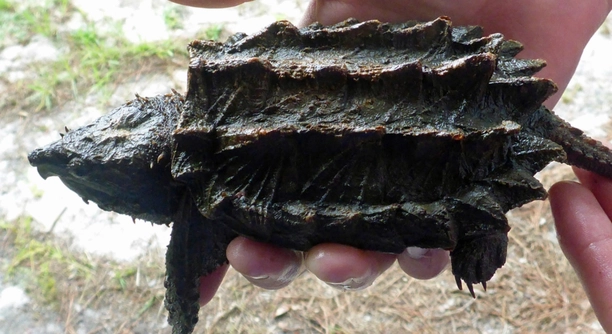
Alligator snapping turtles are unique creatures, and their behavior can sometimes be puzzling. If your turtle isn’t using its hide, it may be a sign of something else happening in its environment.
The main reason your alligator snapping turtle may not be using its hide could be stress or environmental discomfort. This species often prefers hiding for security, and any disruption in their habitat could cause them to avoid it.
Understanding what may cause your turtle to avoid its hide can help you create a healthier environment for it.
Stress in the Environment
Stress is one of the main factors affecting an alligator snapping turtle’s behavior. These turtles are sensitive to changes in their environment, and even small shifts can make them feel threatened. This could include changes in water temperature, the presence of loud noises, or any new additions to their habitat. If you recently moved your turtle’s tank, introduced new decorations, or added other pets, these changes may cause stress. It’s important to observe how your turtle responds to different conditions and make adjustments accordingly.
Sometimes, the lack of a hide could indicate that your turtle is simply adjusting to its environment. Turtles often feel vulnerable after being moved to a new space, and it might take a few days for them to feel comfortable enough to use their hiding spot.
Give your turtle time to get used to its environment before making further changes. If the problem persists, you may need to revisit the setup of its tank and reduce possible stressors, like temperature fluctuations or bright lighting.
Unfavorable Tank Conditions
Tank conditions also play a significant role in your turtle’s behavior. A tank that’s too small or lacks proper filtration can create discomfort. These turtles are known for their need for space to move around and thrive. Without the right tank size and water quality, your turtle may avoid its hide in search of better conditions. The water should be clean and at the right temperature, with a secure basking area to allow the turtle to feel safe. Make sure the tank mimics its natural habitat to help your turtle feel secure and at ease.
A larger, properly maintained tank may encourage your turtle to use its hide more frequently, as it will have the space it needs to explore and rest.
Temperature and Lighting
Your alligator snapping turtle may avoid its hide if the temperature or lighting in the tank isn’t ideal. Turtles are highly sensitive to temperature changes. If the water is too warm or too cold, your turtle will feel uncomfortable and may not seek its hiding spot. The basking area must be warm enough for your turtle to rest, but not too hot to stress it. Make sure the light cycles are consistent and that your turtle can move between shaded areas and basking spots.
If your turtle’s tank is too bright or the temperature isn’t regulated, it could be causing stress. To create a comfortable environment, you may need to adjust the water temperature or the intensity of the lights. A reliable aquarium heater can help maintain the right water temperature, and a timer for the lighting will ensure a natural day/night cycle.
A sudden drop in temperature can cause a turtle to avoid certain areas of the tank, including its hide. It’s essential to maintain a stable temperature for both the water and the basking area to ensure your turtle feels secure enough to use its hide. Adjusting these factors might help your turtle settle back into its usual habits.
Health Issues
If your alligator snapping turtle is avoiding its hide, there may be an underlying health problem. Illness or injury can cause a turtle to behave differently. For example, if your turtle feels weak or in pain, it may not have the energy or desire to retreat to its hide. Look for signs of injury, such as limping or swollen areas. Keep an eye on their eating habits as well. A loss of appetite can be an indicator of health issues.
Check for any visible problems like open wounds or skin discoloration. If your turtle isn’t eating or seems lethargic, it’s best to visit a vet. Illnesses like shell rot or internal parasites can cause your turtle to become less active and avoid hiding. A proper diagnosis will help you address the issue quickly.
Sometimes, simple things like water quality can impact your turtle’s health. Poor water conditions can lead to skin infections or respiratory issues, which may cause your turtle to avoid hiding. Regular water changes and proper filtration are key to maintaining a healthy environment.
Lack of Proper Hiding Spot
If your alligator snapping turtle isn’t using its hide, the spot might not be suitable. Turtles prefer places where they can feel completely secure. If the hide is too small or doesn’t provide adequate coverage, your turtle may avoid it. Ensure the hide offers enough space for your turtle to feel fully covered.
Try adjusting the hide’s location or consider a different design. The hide should be in a quiet corner of the tank, away from active areas like the water filter or feeding zone. This ensures your turtle can retreat to a peaceful, secure space when it needs to feel safe.
Social Interaction or Tankmates
Alligator snapping turtles can be solitary creatures. Having too many tankmates or overly active ones can cause your turtle to feel stressed. If you’ve recently added other animals to the tank, such as fish or other reptiles, your turtle might feel threatened or crowded. It could lead to avoiding its hide as a form of escape.
Turtles are territorial and may not always get along with other tankmates. It’s essential to ensure that any other animals in the tank aren’t disrupting your turtle’s comfort. Monitor their behavior closely and separate them if necessary.
Tank Setup and Layout
The layout of your turtle’s tank can also play a major role in its comfort. A cluttered or overcomplicated setup could make your turtle feel trapped or unable to retreat. Make sure your turtle has enough open space to move around freely, especially near the hiding spot. If the setup is too crowded, your turtle might not feel comfortable using its hide.
Clear out any unnecessary decorations or objects that block your turtle’s access to the hide. A simple, spacious tank with a few well-placed items like a hide and basking spot will encourage your turtle to feel secure enough to use its hide regularly.
FAQ
Why is my alligator snapping turtle not eating?
If your turtle isn’t eating, it could be due to stress, poor water conditions, or health issues. Stress from a recent move or new tankmates can cause your turtle to stop eating. It’s also important to check the water quality and temperature. If either is off, your turtle may avoid eating. In some cases, a lack of appetite could indicate an illness or injury. If the problem persists, visiting a vet is recommended to rule out health issues.
How can I tell if my alligator snapping turtle is stressed?
Turtles show signs of stress through changes in behavior, such as avoiding hiding spots, staying at the bottom of the tank, or becoming inactive. A stressed turtle may also exhibit erratic swimming patterns or try to escape its tank. If you notice these signs, it’s a good idea to check the tank’s environment. Look for issues like improper water temperature, poor water quality, or too many tankmates.
What should I do if my alligator snapping turtle seems lethargic?
Lethargy in turtles is a common sign of stress or illness. First, check the water quality and temperature, as both can affect a turtle’s energy levels. If everything seems normal and your turtle still isn’t active, it may be sick. Loss of appetite, cloudy eyes, or abnormal behavior are also red flags. In such cases, it’s best to consult with a vet who specializes in reptiles.
Is it normal for my alligator snapping turtle to bask all day?
Yes, it is normal for alligator snapping turtles to bask, especially if they feel safe and comfortable. Basking helps them regulate their body temperature and digest food properly. However, if your turtle is basking excessively and not engaging in other activities like swimming or eating, it may indicate an underlying issue such as stress or discomfort. Always monitor how much time your turtle spends basking and ensure it has access to a proper basking area with the right temperature.
How often should I clean my alligator snapping turtle’s tank?
Regular tank maintenance is essential for your turtle’s health. You should clean your alligator snapping turtle’s tank at least once a week to remove waste and debris. However, depending on the size of the tank and the number of inhabitants, you might need to clean it more frequently. Doing a partial water change weekly and checking for any algae build-up or water cloudiness is important. Regular filter maintenance also helps keep the water quality high, ensuring your turtle stays healthy.
What’s the best temperature for an alligator snapping turtle’s tank?
Alligator snapping turtles require specific temperature ranges to thrive. The water should be maintained between 72°F to 78°F (22°C to 26°C). The basking area should be slightly warmer, ranging from 85°F to 90°F (29°C to 32°C), allowing the turtle to regulate its body temperature. Using a thermometer to monitor these temperatures is essential to ensure your turtle stays comfortable. If the temperature fluctuates too much, it could stress the turtle and cause health problems.
Can my alligator snapping turtle live with other animals?
Alligator snapping turtles are solitary creatures and can be territorial, which can make living with other animals difficult. In general, it’s best to house them alone to avoid stress or aggression. If you do choose to keep them with other animals, make sure the tankmates are peaceful and have enough space. Fish, smaller reptiles, or other turtles might not be compatible with your snapping turtle due to their natural aggression. Always monitor interactions and make sure the environment is suitable for all tank inhabitants.
How can I tell if my alligator snapping turtle is healthy?
A healthy alligator snapping turtle is active, has clear eyes, and regularly basks and swims. Its shell should be smooth, without any cracks or soft spots. If your turtle is eating well and moving around the tank with no signs of lethargy, then it’s likely in good health. Regular vet check-ups and a proper diet are key to maintaining your turtle’s health.
Why does my alligator snapping turtle hide all the time?
If your alligator snapping turtle hides constantly, it could be due to stress or discomfort. Turtles tend to seek shelter when they feel threatened or insecure. Check the water conditions, tank layout, and whether the turtle is getting enough food. If everything seems fine but the behavior persists, there might be an underlying health issue that needs attention.
How can I help my alligator snapping turtle feel more secure?
To help your alligator snapping turtle feel more secure, ensure it has a proper hide where it can retreat whenever it needs to. Make sure the tank is quiet and free from stressors like loud noises or bright lights. Keeping the water clean and at the right temperature will also promote a feeling of safety. Avoid overcrowding the tank with other animals, as this can cause unnecessary stress. Creating a calm, stable environment will encourage your turtle to use its hide more often.
Should I feed my alligator snapping turtle live food?
Alligator snapping turtles are opportunistic feeders, and while they will eat live food in the wild, offering a variety of options is important. Live food like fish or insects can stimulate natural hunting behavior, but you should balance it with other food types. Commercial turtle pellets, vegetables, and protein-rich foods like shrimp or worms are also excellent options. However, be mindful of overfeeding live food, as it may lead to aggression or an imbalance in their diet.
Final Thoughts
If your alligator snapping turtle isn’t using its hide, there are many factors to consider. Stress, environmental discomfort, and health issues are common reasons for this behavior. Turtles are sensitive to changes in their surroundings, so any sudden shifts, whether in temperature, tank setup, or even the addition of new tankmates, can make them feel insecure. It’s important to ensure that the water temperature, lighting, and tank environment are all within the proper ranges for your turtle’s comfort. If any of these factors are off, your turtle may avoid its hide altogether.
Health concerns can also be a major factor. If your turtle is feeling unwell or stressed due to illness, it may not use its hiding spot. Symptoms like lethargy, a loss of appetite, or changes in swimming behavior should not be ignored. In these cases, it’s essential to visit a vet who specializes in reptiles. A thorough check-up will help identify any possible health issues and provide guidance on how to treat them. Ensuring the right tank conditions, a balanced diet, and proper veterinary care are vital for maintaining your turtle’s well-being.
Finally, making small adjustments to your turtle’s environment can encourage it to use its hide more often. Providing the right amount of space, clean water, and a properly designed hide will give your turtle the security it needs to feel comfortable. It’s important to give your turtle time to adjust to changes, as they can be sensitive creatures. With the right care, you’ll create an environment where your alligator snapping turtle can thrive and use its hide when it needs to feel safe.

Hello,
If you enjoy the content that we create, please consider saying a "Thank You!" by leaving a tip.
Every little bit helps us continue crafting quality advice that supports the health, happiness, and well-being of pets around the world, for pets of all shapes, sizes, and species.
We really appreciate the kindness and support that you show us!