
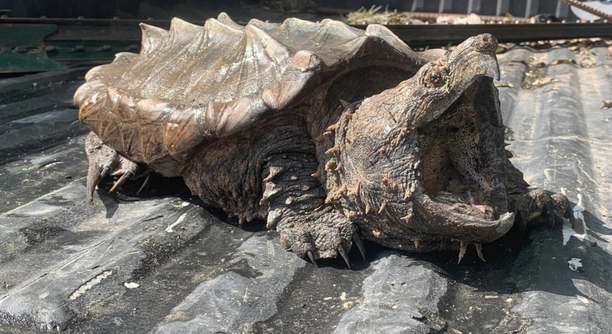
Alligator snapping turtles are fascinating creatures, but like all reptiles, they need the right conditions to thrive. Knowing how to care for them properly ensures they stay healthy and comfortable, especially when it comes to their temperature needs.
Overheating in alligator snapping turtles happens when their environment becomes too warm, leading to stress and health issues. Signs of overheating include lethargy, decreased appetite, and unusual behavior. Monitoring their habitat temperature is crucial for prevention.
Temperature regulation is key to your turtle’s well-being. Understanding how overheating affects their behavior and health can help you take action when needed.
How Alligator Snapping Turtles Regulate Their Temperature
Alligator snapping turtles are ectothermic, meaning they rely on external heat sources to regulate their body temperature. Unlike mammals, their bodies cannot generate heat on their own. This makes them vulnerable to temperature changes in their environment. When they are exposed to high temperatures for long periods, it can cause stress and even threaten their health. It’s important to remember that these turtles naturally live in warmer climates and are adapted to specific temperature ranges. Keeping their environment within the ideal range is crucial for their survival.
Proper habitat control is essential to prevent overheating. Their tank should mimic the natural conditions they would experience in the wild. Ensure they have access to cooler areas in the tank and that the water temperature is not too high. By monitoring the temperature closely, you can help maintain their health and comfort.
In the wild, alligator snapping turtles have the ability to move to cooler areas when temperatures rise. In captivity, however, you need to provide this opportunity for them. Make sure there are different areas in the tank, such as shaded spots or submerged spaces, where your turtle can escape from heat. A thermometer in the tank is a helpful tool for keeping an eye on the temperature, ensuring it stays within the comfortable range of 72°F to 78°F.
Signs of Overheating in Alligator Snapping Turtles
Overheating in turtles can be a serious concern.
A turtle that is overheated might act sluggish or avoid moving altogether. It may also lose its appetite or appear disoriented. These behaviors are clear signs that the temperature may be too high for comfort.
How to Adjust Tank Temperature
If your turtle’s tank temperature is too high, it’s important to adjust it right away. Start by lowering the water temperature gradually to avoid shocking your turtle. Use a reliable aquarium heater with a thermostat, and always monitor the water temperature regularly. This helps ensure the tank stays in the right range for your turtle’s health.
You can also adjust the ambient temperature of the room. If the tank is in a room that gets too hot, consider moving it to a cooler space or adding a fan. Avoid drastic temperature changes that could stress the turtle. Having an adjustable heater is key to maintaining a steady and comfortable environment.
In addition to regulating the water temperature, you should monitor the basking area. This area should not exceed 85°F, as prolonged exposure to excessive heat can cause stress. Keep a thermometer in both the water and basking areas. This way, you can easily spot any temperature fluctuations and make the necessary adjustments before it becomes an issue for your turtle.
Preventing Overheating
Preventing overheating is about consistent monitoring.
One of the best ways to prevent overheating is by controlling the temperature in both the tank and the room. Ensure the tank has proper ventilation to prevent heat buildup. Avoid placing your turtle’s tank near windows or heat sources, such as radiators, which can lead to a rapid increase in temperature. Regular checks help to prevent extreme changes.
Also, make sure that the substrate and tank decorations do not trap heat in one spot. If the tank doesn’t have sufficient airflow, the heat can build up, especially if it’s placed in a sunlit area. Ensure the tank has a proper lid with air holes to allow for good ventilation.
Signs of Stress Due to Overheating
Overheating causes noticeable stress in alligator snapping turtles. They may become unusually lethargic or inactive, often staying in one spot for long periods. You may also see them trying to escape the heat by swimming to cooler areas in the tank. This can be a clear sign that they’re uncomfortable.
Other signs include lack of appetite and abnormal breathing. If you notice these behaviors, check the tank’s temperature immediately. Overheating can lead to long-term health issues if not addressed quickly. Your turtle needs a stable, comfortable environment to stay healthy and avoid stress-related complications.
Best Ways to Cool Down a Turtle
To cool down an overheated turtle, immediately move it to a cooler area. Gradually adjust the water temperature to below 80°F, using an aquarium cooler or adding cooler water. Be sure not to change the temperature too suddenly, as it can stress the turtle further. Keep a close eye on the temperature.
If the turtle is still showing signs of distress, try placing it in a shallow, cool water bath for 10-15 minutes. This allows the turtle to regulate its body temperature more comfortably. Make sure the water is not too cold to avoid shocking the animal.
Using Thermometers Effectively
Using thermometers is an easy way to keep track of your turtle’s environment.
Place a thermometer both in the water and the basking area. This helps you monitor the temperature at both levels, ensuring it remains within the right range. Regular checks will prevent temperature fluctuations.
FAQ
What is the ideal temperature for an alligator snapping turtle’s tank?
The ideal water temperature for an alligator snapping turtle is between 72°F and 78°F. The basking area should be slightly warmer, around 85°F. Consistency is key. Sudden fluctuations in temperature can cause stress, so it’s essential to keep the water temperature stable. A thermometer in both the water and basking areas helps you maintain the correct conditions.
How can I tell if my alligator snapping turtle is too hot?
Signs that your turtle is too hot include lethargy, a lack of appetite, and unusual behaviors like swimming to the cooler parts of the tank or hiding. If your turtle is moving less than usual, or if it seems disoriented, check the temperature. If it’s too high, you’ll need to adjust it immediately.
Can I use a heater for my alligator snapping turtle’s tank?
Yes, using a heater with a built-in thermostat is a good way to regulate the water temperature. Just be sure it’s set to the appropriate temperature range of 72°F to 78°F. You can also add a submersible heater to control the water temperature more precisely, but make sure it’s designed for aquarium use.
Is it safe to place the tank near a window or heating vent?
Placing the tank near a window or heating vent can cause the temperature to fluctuate too much. The sun or direct heat can quickly raise the water temperature to unsafe levels, while drafts can cool it down too much. It’s best to place your turtle’s tank in a spot where the temperature remains stable throughout the day.
What should I do if my alligator snapping turtle seems overheated?
If you suspect your turtle is overheated, move it to a cooler part of the tank and lower the water temperature gradually. Avoid drastic temperature changes, as this could cause additional stress. You can also place the turtle in a shallow bath of cooler water for about 10 minutes to help bring its temperature down safely.
How can I prevent overheating in my turtle’s tank?
Prevent overheating by monitoring both the water and ambient temperature regularly. Avoid placing the tank in direct sunlight or near heat sources. Ensure proper ventilation and avoid overcrowding the tank, as this can cause the temperature to rise. Using a reliable thermometer in the tank is essential for regular checks.
How often should I check the water temperature in my turtle’s tank?
It’s important to check the water temperature daily, especially if you live in a region with fluctuating temperatures. This allows you to ensure the temperature is always within the correct range. Regular checks help catch any problems early, preventing overheating or underheating, which could stress your turtle.
Can alligator snapping turtles tolerate higher temperatures than other turtles?
Alligator snapping turtles are adapted to warmer environments, but they still need specific temperature ranges to thrive. They can tolerate temperatures up to 85°F in their basking areas, but anything above that can cause stress and health issues. They’re not immune to overheating, so it’s essential to monitor the temperature closely.
What are the risks of overheating for an alligator snapping turtle?
Overheating can lead to dehydration, stress, and digestive problems for your alligator snapping turtle. Prolonged exposure to high temperatures can cause organ damage, a weakened immune system, and even death in extreme cases. That’s why maintaining a stable and appropriate temperature is critical for the health of your turtle.
Can I use a cooling fan to regulate the tank temperature?
A cooling fan can help, especially in rooms where the temperature rises too high. By circulating air, a fan can lower the temperature slightly and prevent it from getting too hot. However, it’s still important to monitor the water temperature with a thermometer to ensure it doesn’t drop too low or rise too high.
How do I know if my turtle is comfortable in its tank temperature?
A comfortable turtle will be active, moving around the tank, and basking regularly. If it’s staying in the water and not seeking cooler or warmer spots, it’s likely happy with the temperature. You should also see it eating regularly and behaving normally, without signs of lethargy or stress.
Can I leave my alligator snapping turtle outside?
It’s not recommended to leave an alligator snapping turtle outside unless it’s in a safe, controlled environment, such as an outdoor pond designed for turtles. Even in warmer climates, outdoor temperatures can change quickly, leading to dangerous fluctuations in temperature. The tank inside your home provides more stability and control over the conditions.
What temperature should the basking spot be for my alligator snapping turtle?
The basking area should be kept at around 85°F. It’s important that this area is slightly warmer than the rest of the tank so your turtle can regulate its body temperature when needed. Keep in mind that the basking area should never exceed 90°F to avoid overheating.
What should I do if my turtle’s tank temperature is too low?
If the water temperature is too low, your turtle may become lethargic or inactive. Use a heater to raise the water temperature gradually to the proper range of 72°F to 78°F. If you’re using a submersible heater, monitor the temperature closely to ensure it doesn’t become too warm too quickly.
Do alligator snapping turtles need a UVB light?
Yes, alligator snapping turtles need UVB light to help them synthesize vitamin D3, which is essential for calcium metabolism. UVB lighting is crucial for their shell and bone health, especially if your turtle is housed indoors. Ensure the UVB light is placed correctly above the basking area and replaced regularly to maintain its effectiveness.
Is it okay to use a regular aquarium light for my alligator snapping turtle?
No, a regular aquarium light does not provide the necessary UVB rays for your turtle’s health. You’ll need to invest in a specialized UVB light designed for reptiles. This light should be placed over the basking area and should be changed every six months, as UVB rays degrade over time.
How do I know if my alligator snapping turtle is dehydrated due to overheating?
Signs of dehydration include sunken eyes, dry skin, and a lack of energy. If your turtle is overheated and shows any of these signs, it may be dehydrated. Offer fresh water and check the tank temperature to make sure it’s within the proper range. You may also need to increase humidity in the tank.
Can alligator snapping turtles tolerate being in warm water for short periods?
Alligator snapping turtles can tolerate slightly warmer water for short periods, but prolonged exposure to high temperatures can lead to stress and other health issues. If the water gets too warm, your turtle will likely seek cooler spots. It’s best to keep the water temperature consistent and within the ideal range to avoid putting extra strain on your turtle’s body.
Final Thoughts
Maintaining the right temperature for your alligator snapping turtle is essential for its well-being. As ectothermic creatures, these turtles depend on their environment to regulate their body temperature. If their habitat is too hot or too cold, it can lead to stress, health issues, and even death. By keeping the water temperature between 72°F and 78°F, and ensuring the basking area is around 85°F, you can help your turtle stay comfortable. Regularly checking the temperature in both areas of the tank is the best way to keep things in check. A thermometer is a simple tool that can go a long way in ensuring your turtle stays healthy.
In addition to temperature control, other aspects of the environment are equally important. The tank should be in a place where the temperature remains steady, away from direct sunlight or heat sources. If you’re using a heater, make sure it’s equipped with a thermostat to avoid overheating the water. Proper ventilation is key too, as stagnant air can trap heat. Be mindful of the materials in your turtle’s tank, as objects and substrates can also affect temperature regulation. With the right setup, your alligator snapping turtle can thrive in a safe and healthy environment.
Pay close attention to your turtle’s behavior, as it can offer important clues about its condition. If your turtle is acting sluggish, not eating, or is staying in the cooler parts of the tank, these may be signs that the temperature is off. Overheating can lead to serious consequences, so it’s important to act quickly if you notice any changes. By providing a stable environment and monitoring the temperature regularly, you can ensure your alligator snapping turtle remains comfortable and healthy for years to come.

Hello,
If you enjoy the content that we create, please consider saying a "Thank You!" by leaving a tip.
Every little bit helps us continue crafting quality advice that supports the health, happiness, and well-being of pets around the world, for pets of all shapes, sizes, and species.
We really appreciate the kindness and support that you show us!