
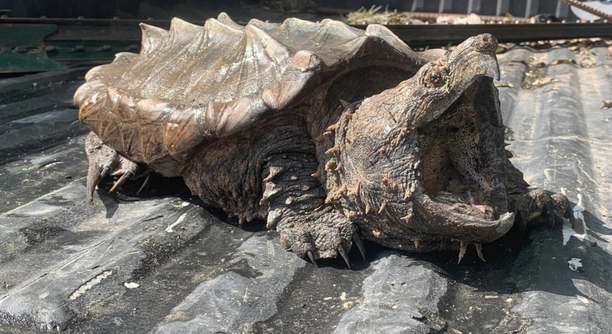
Alligator snapping turtles are fascinating creatures that require special care to remain healthy and content. Observing their behaviors can give you valuable insights into their well-being. Understanding these signs is essential for their long-term health and happiness.
A happy and healthy alligator snapping turtle exhibits certain behaviors that reflect its well-being. These signs include active movement, proper eating habits, healthy shell condition, and a balanced interaction with its environment, such as basking and swimming with ease.
Recognizing these signs early can help ensure your turtle’s health.
Active Movement
Alligator snapping turtles are known for their deliberate and steady movement. A turtle that actively swims and roams its enclosure is typically healthy and comfortable. It’s important to watch for consistent movement, especially during feeding time. If your turtle is frequently immobile or showing signs of sluggishness, it could be a red flag indicating stress or illness. A happy turtle will also exhibit normal patterns of basking and foraging, reflecting its natural instincts.
If your turtle isn’t moving much, it’s crucial to evaluate its habitat conditions. Poor water quality, inadequate heating, or incorrect tank size may cause lethargy.
Active movement is also linked to a healthy digestive system. An alligator snapping turtle that moves frequently is likely eating well, which directly impacts its overall health. Keeping the tank clean and ensuring it has enough space to move around freely helps prevent any discomfort. Proper heating and filtration also contribute to the turtle’s vitality and well-being.
Healthy Eating Habits
A key sign of health in your alligator snapping turtle is its eating habits. Regular and balanced meals indicate proper digestion and a strong immune system. Turtles that refuse food may be signaling underlying issues.
Healthy eating patterns are essential for maintaining the energy and growth of your turtle. If they are eating well, it shows that they are in a stable environment. A turtle that’s consistently hungry and foraging is likely thriving. Offering a variety of foods helps ensure they receive all the necessary nutrients.
Shell Condition
The condition of your turtle’s shell is a strong indicator of its overall health. A smooth, hard shell free from cracks or soft spots suggests a well-maintained turtle. If you notice unusual softness, growths, or discoloration, it may point to issues that need immediate attention.
A healthy shell protects the turtle from external threats and is a sign of proper nutrition and care. An unbalanced diet, dehydration, or poor lighting can lead to shell problems. It’s vital to ensure your turtle has adequate calcium and vitamin D3 to keep the shell strong and resilient.
Regular monitoring of your turtle’s shell can help prevent conditions like shell rot or malformations. It’s important to keep the enclosure clean, avoid overcrowding, and provide a balanced diet to maintain a healthy shell. If any abnormalities are found, consult a vet immediately to avoid further complications.
Proper Basking
Basking is an essential behavior for alligator snapping turtles. Healthy turtles will bask regularly under a heat source to regulate their body temperature. This behavior helps them digest food, absorb UVB rays, and maintain their metabolism.
Proper basking habits show that the turtle feels secure in its environment. If your turtle isn’t basking, it could be a sign of an improper temperature gradient in its habitat. Without proper UVB exposure, turtles can suffer from metabolic bone disease, affecting their shell and overall health.
Ensure the basking area in the tank is warm enough to allow your turtle to soak up heat. Providing UVB lighting will allow your turtle to absorb necessary nutrients from sunlight, promoting its overall health and preventing diseases related to vitamin D deficiency.
Clear Eyes
Healthy alligator snapping turtles have clear, bright eyes. Cloudy, swollen, or puffy eyes can signal a possible infection, dehydration, or other health concerns. Keeping an eye on their eye condition will help you detect issues early.
If you notice any signs of discomfort or discharge from the eyes, it’s important to check the water quality and temperature. Poor conditions can lead to eye irritation. If the symptoms persist, seeking veterinary care is essential.
Social Interaction
Alligator snapping turtles tend to be solitary, but some may interact with their surroundings or other turtles in a calm, passive way. A turtle that shows curiosity or is alert to nearby movement is typically healthy.
A turtle that avoids interaction or hides excessively may be feeling stressed or uncomfortable. Providing enough space, proper hiding spots, and a stable environment can help alleviate anxiety.
FAQ
How often should I feed my alligator snapping turtle?
Feeding frequency depends on the age and size of your turtle. Juveniles require more frequent feeding, usually every other day, while adults can be fed two to three times per week. Offer a balanced diet of protein and vegetables to ensure they get the necessary nutrients. Always adjust feeding based on your turtle’s health and activity level.
What should I feed my alligator snapping turtle?
A well-rounded diet includes live prey like fish, shrimp, and worms, along with leafy greens and vegetables. Offering a variety of foods ensures your turtle receives essential nutrients. Avoid overfeeding meat, as it can lead to health problems like shell rot or obesity. You can also supplement with turtle pellets formulated for their dietary needs.
Why is my alligator snapping turtle not eating?
If your turtle isn’t eating, check for signs of stress, illness, or poor water quality. Stress can stem from improper tank conditions, such as temperature fluctuations or lack of hiding spots. Illness may be caused by infections or parasites. If the turtle continues to refuse food, seek advice from a veterinarian.
How do I create the right environment for my alligator snapping turtle?
Ensure your turtle has a spacious tank with both land and water areas. The water should be kept at a temperature of 75-80°F, and the basking area should be between 85-90°F. UVB lighting is essential for vitamin D3 production and calcium absorption. Use a good filtration system to keep the water clean.
What is the ideal tank size for an alligator snapping turtle?
A young alligator snapping turtle can live comfortably in a 20-gallon tank, but as it grows, a tank size of at least 75 gallons is recommended. The tank should have both water deep enough for swimming and a dry area for basking. Make sure the water is deep enough to allow the turtle to fully submerge.
How do I prevent shell rot in my alligator snapping turtle?
Maintaining clean water is essential to preventing shell rot. Regularly replace the water and monitor the tank’s cleanliness. Overcrowding can also contribute to shell problems, so provide enough space for your turtle. Additionally, ensure proper basking areas and temperature control, as poor conditions can weaken their shell.
How do I handle an alligator snapping turtle safely?
Alligator snapping turtles have powerful jaws and should be handled with caution. Use a soft towel or gloves to avoid injury. Never pick them up by their tail, as this can cause damage. Always support their body properly to avoid stress or injury. If necessary, only handle your turtle for brief periods.
Can alligator snapping turtles live with other animals?
Alligator snapping turtles are generally solitary and can be aggressive, especially towards other animals that enter their territory. They may not get along well with smaller turtles, fish, or invertebrates. If you do choose to house them with other creatures, monitor their interactions carefully to ensure safety.
What temperature should the water be for an alligator snapping turtle?
The water temperature for alligator snapping turtles should be kept between 75-80°F. This range supports their metabolism and overall health. You can use an aquarium heater to maintain a consistent temperature. Avoid fluctuations, as temperature stress can lead to health issues.
How can I tell if my alligator snapping turtle is stressed?
Signs of stress in an alligator snapping turtle can include hiding more than usual, refusal to eat, rapid swimming, or lethargy. Stress can be caused by improper water temperature, lack of hiding spots, or changes in their environment. A turtle that is constantly in a stressed state may become ill, so it’s important to address the causes as soon as possible.
Do alligator snapping turtles hibernate?
Yes, alligator snapping turtles can enter a state of brumation during colder months, though they are not true hibernators. They may become less active and eat less. Make sure to adjust the water temperature to ensure they don’t become too cold. Keep in mind that brumation is normal, but prolonged inactivity could signal a health issue.
How can I improve the lighting for my alligator snapping turtle?
UVB lighting is essential for your alligator snapping turtle’s health, as it helps them metabolize calcium and maintain strong bones. Place a UVB bulb above the basking area to ensure your turtle gets the necessary exposure. The light should be replaced every six months to ensure effectiveness. Additionally, the basking light should be bright enough to provide warmth.
Is it safe to keep an alligator snapping turtle in a pond?
If the pond is large enough and provides clean water, it can be a good option for alligator snapping turtles. However, outdoor ponds should be properly filtered, and temperature regulation may be more difficult than in an indoor tank. During colder months, you may need to bring your turtle indoors to prevent it from getting too cold.
What are the signs of illness in an alligator snapping turtle?
Common signs of illness include lethargy, refusal to eat, changes in eye appearance (cloudy or swollen), or abnormal swimming patterns. Shell deformities or discoloration can also indicate a health problem. If your turtle displays these symptoms, it’s essential to consult a veterinarian for proper diagnosis and treatment.
How long do alligator snapping turtles live?
Alligator snapping turtles can live for 30 to 50 years, sometimes longer with proper care. Their lifespan depends on their diet, living conditions, and overall health. Regular health checks and maintaining their habitat are key to ensuring a long and healthy life.
How often should I clean the tank of my alligator snapping turtle?
Tank cleaning depends on the size of the turtle and the filtration system. A general rule is to do a partial water change every week to maintain cleanliness. Remove uneaten food, debris, and waste daily to keep the water quality high. Clean the filter monthly and perform a full tank cleaning every 1-2 months.
Can I keep an alligator snapping turtle as a pet?
Alligator snapping turtles make unique pets, but they require a lot of care and attention. They are not recommended for beginners due to their size, dietary needs, and specific habitat requirements. If you’re prepared to meet these needs, they can live a long, healthy life in captivity.
Final Thoughts
Taking care of an alligator snapping turtle requires attention to detail and an understanding of its needs. They are fascinating creatures, but they thrive best in a well-maintained environment. Ensuring proper water conditions, temperature, and diet is essential to keeping them healthy. Regular check-ups and a clean habitat will go a long way in preventing common health issues, such as infections or shell rot. It is important to monitor their behavior for any signs of stress or illness, as early detection can lead to more effective treatment.
It’s also crucial to remember that alligator snapping turtles are long-lived and require long-term commitment. While they can be entertaining to watch, they are not easy to care for and need a dedicated owner. As they grow, their habitat needs will change, and you will need to adapt to provide enough space and the right conditions. This includes monitoring their diet and making adjustments as needed. They may be solitary, but they still require interaction with their environment to stay active and healthy.
Overall, if you are ready to meet their needs, alligator snapping turtles can make rewarding pets. With the right care, they can live long, fulfilling lives. Whether in an aquarium or a large outdoor pond, providing a stable and comfortable environment is key. With proper attention to detail, these unique turtles will be a part of your life for many years. Just ensure that you are well-informed about their requirements and dedicated to their well-being.

Hello,
If you enjoy the content that we create, please consider saying a "Thank You!" by leaving a tip.
Every little bit helps us continue crafting quality advice that supports the health, happiness, and well-being of pets around the world, for pets of all shapes, sizes, and species.
We really appreciate the kindness and support that you show us!